Narrative technique · used in 26 films

Forensic Inference Narration

Revealing character and motive through physical evidence and a detective's step-by-step reasoning, with no confessions or backstory dumps. You piece together the truth alongside the investigator.

Examples

26 films that use it

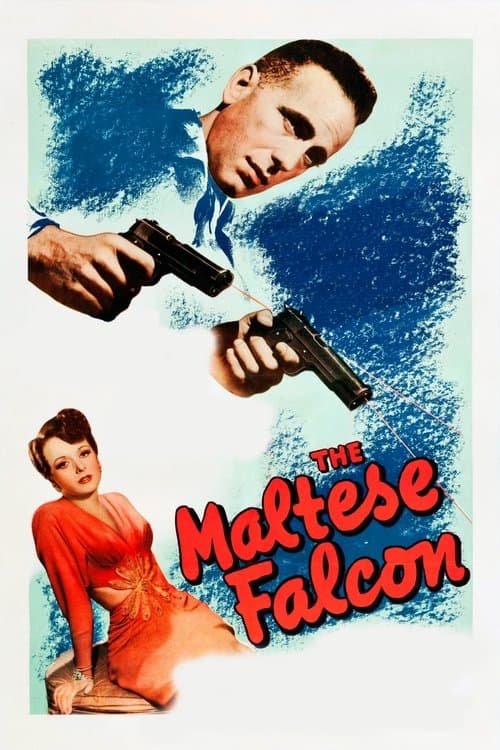
  1. The Maltese Falcon (1941) poster

    The Maltese Falcon

    John Huston · 1941

    Spade investigates entirely by watching how people behave. He reads people first, and evidence comes second. Every meeting is an interrogation and he draws a conclusion from every conversation. Huston gives you exactly what Spade has (gestures, contradictions, dodged questions) and lets you reason alongside him. Spade is almost never wrong, and that makes his final choice matter all the more.

    Where to see it: Spade's reading of Brigid's first story. He spots the lies right away and takes the case anyway. You can see what he has worked out in the gap between what he says and what he knows.
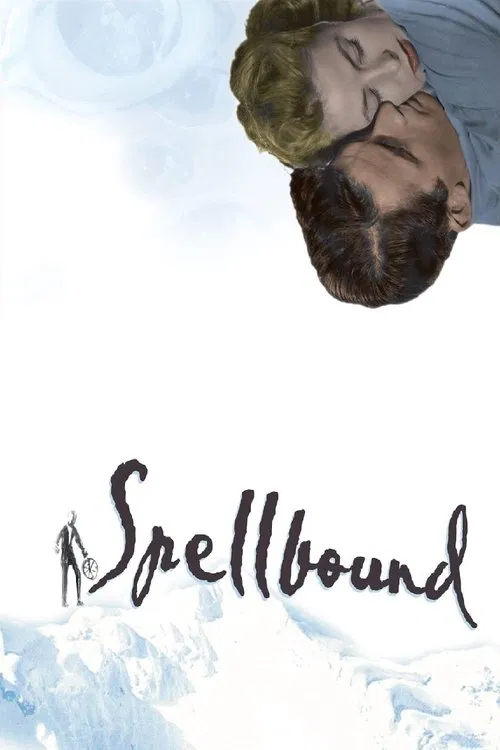
  2. Spellbound (1945) poster

    Spellbound

    Alfred Hitchcock · 1945

    Constance reads the dream like a crime scene and solves it step by step. The lines map to ski tracks, the wings to a ski lodge and the wheel to a revolver. You work through the clues alongside her instead of being handed the truth.

    Where to see it: The dream analysis. Constance and her mentor interpret the dream together and conclude the older man in it is the real Dr. Edwardes, who died in a skiing accident.

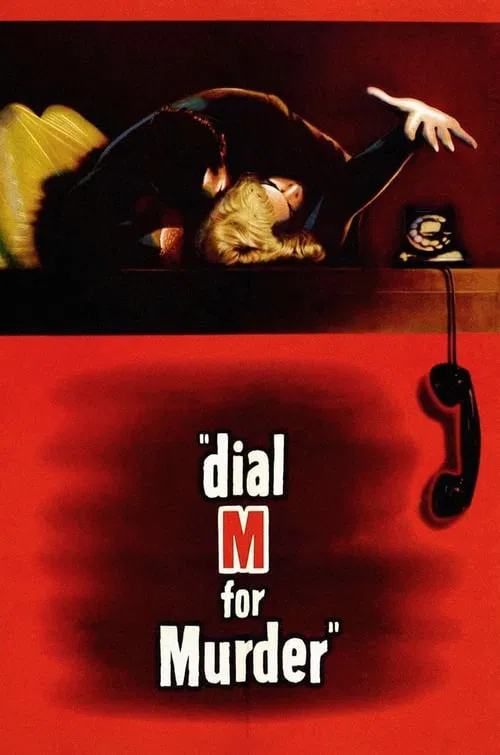
  3. Dial M for Murder (1954) poster

    Dial M for Murder

    Alfred Hitchcock · 1954

    Inspector Hubbard works out the truth from objects. Margot's handbag holds Swann's own latchkey, which tells him Swann put the Wendices' key back right after opening the door. You follow his reasoning and not a confession.

    Where to see it: Hubbard's visit. He tricks Tony into revealing that his latchkey is in his raincoat, then swaps coats with him and sets a trap.

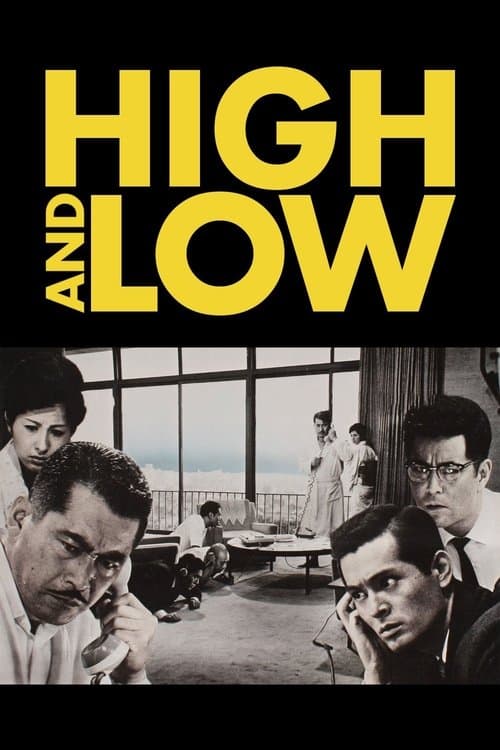
  4. High and Low (1963) poster

    High and Low

    Akira Kurosawa · 1963

    The investigation sections move by slow, careful deduction. The detective team follows threads of evidence through the poorest parts of the city. As a matter of fact, the method itself becomes the drama.

    Where to see it: The discovery of the kidnapper's identity. It comes through pink smoke. A chemical capsule hidden in the ransom briefcase turns smoke pink when burned, and that smoke rising from an incinerator starts a trail the detectives patiently track through Yokohama's underworld.

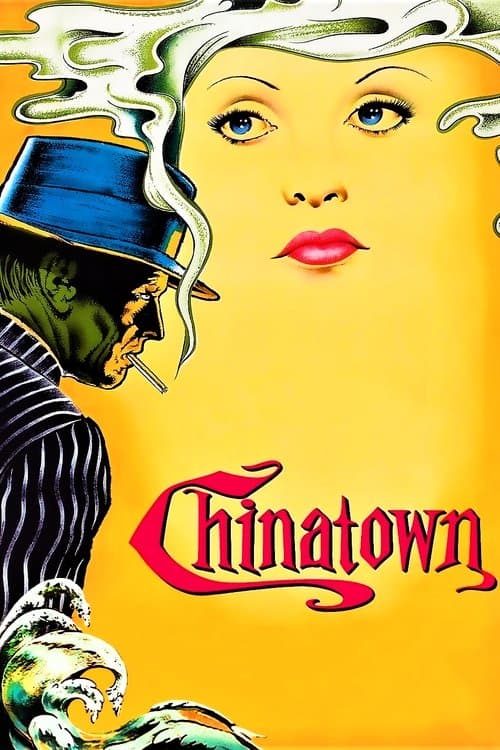
  5. Chinatown (1974) poster

    Chinatown

    Roman Polanski · 1974

    Gittes follows the evidence with the confidence of a man who has solved cases before. Polanski gives him every clue he needs (the water at night, the glasses, the land purchases) and shows him reasoning correctly to the wrong conclusions. That makes the tragedy impossible to escape. Gittes is a brilliant detective in a situation that intelligence can't beat.

    Where to see it: Gittes piecing together the water diversion scheme. His reasoning is correct and he has the wrong crime. His method leads him accurately into a larger trap.

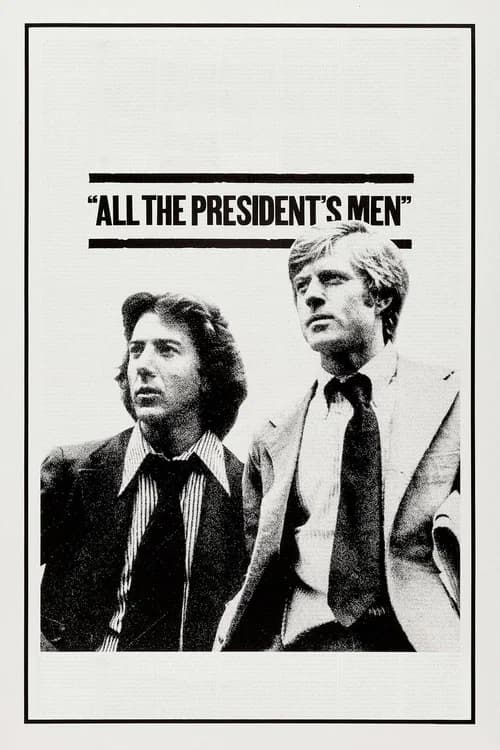
  6. All the President's Men (1976) poster

    All the President's Men

    Alan J. Pakula · 1976

    Pakula never shows you anything the reporters don't know yet. The tension comes from watching the men piece together a hidden system, one phone call and one reluctant source at a time.

    Where to see it: Woodward and Bernstein with the library request slips. They go through the cards at the Library of Congress in a tense, methodical sequence.

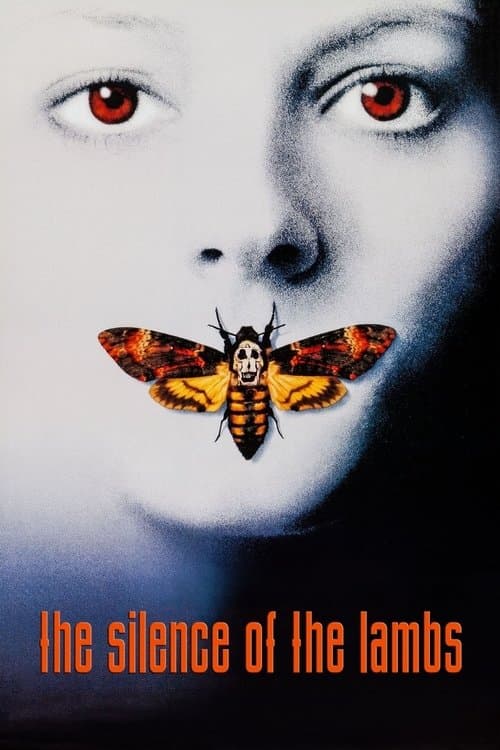
  7. The Silence of the Lambs (1991) poster

    The Silence of the Lambs

    Jonathan Demme · 1991

    Clarice and the audience learn about Buffalo Bill entirely through the evidence of his crimes: the moths, the lotion, the weight of his victims, the specific sewing patterns. The film builds a picture of his sickness out of the things he leaves behind, before you fully see the person.

    Where to see it: The autopsy scene and the profiling sessions after it. The victim's body is read like a text.

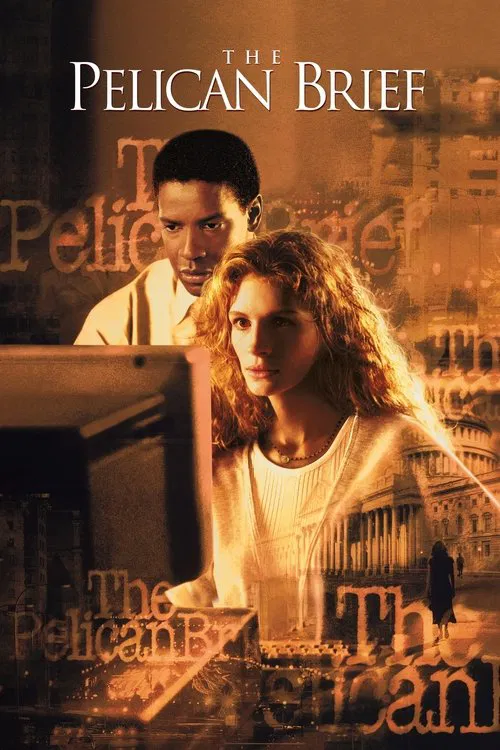
  8. The Pelican Brief (1993) poster

    The Pelican Brief

    Alan J. Pakula · 1993

    Darby does not find a smoking gun. She builds a theory from legal cases and business links, and the brief turns out to be right. You follow her reasoning step by step, so the danger feels earned.

    Where to see it: The brief. Darby writes a legal brief proposing an oil tycoon's motive, and it reaches the White House.

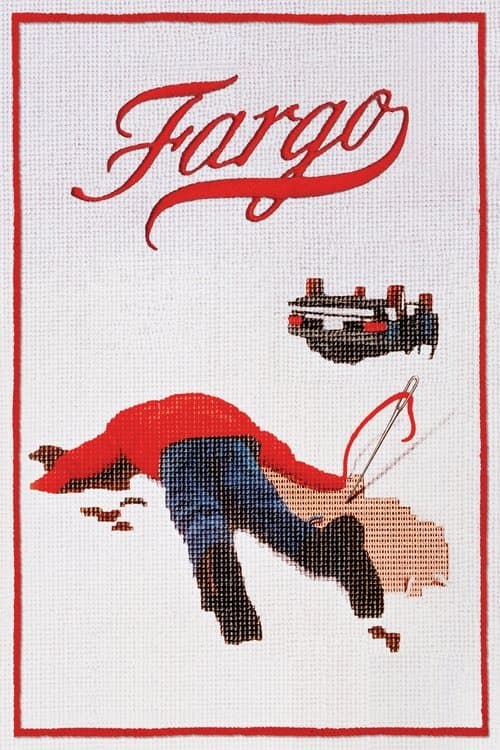
  9. Fargo (1996) poster

    Fargo

    Joel Coen, Ethan Coen · 1996

    Marge's investigation is methodical, cheerful and accurate. She gets every step right: she identifies the car, traces the dealer and connects the crimes. The Coens make her so competent that the film's criminals look even more pathetic. She has no special brilliance to speak of. She pays attention, and that turns out to be enough.

    Where to see it: Marge interviewing the escort girls. She asks simple questions and draws the right conclusions. Her detective work comes across as plain human attentiveness.

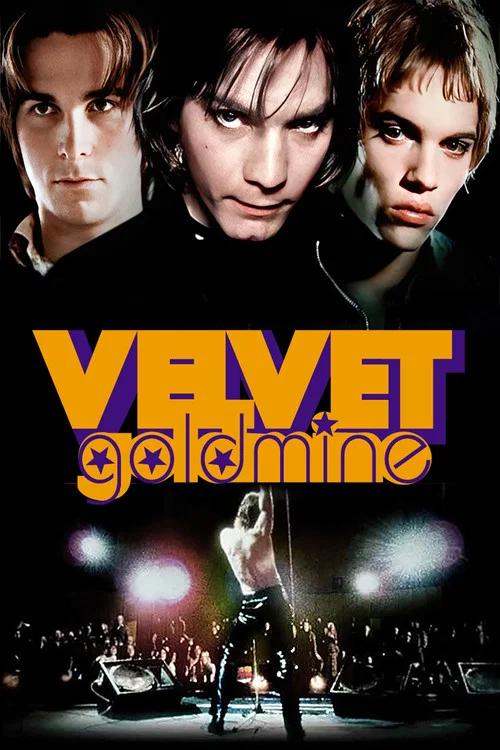
  10. Velvet Goldmine (1998) poster

    Velvet Goldmine

    Todd Haynes · 1998

    Arthur Stuart does not get a confession. He talks to Slade's first manager and his ex-wife and then pieces together what happened from their stories. You learn the truth in the same slow way he does.

    Where to see it: Arthur's interviews. He talks with Slade's old manager Cecil and ex-wife Mandy about the star's rise.

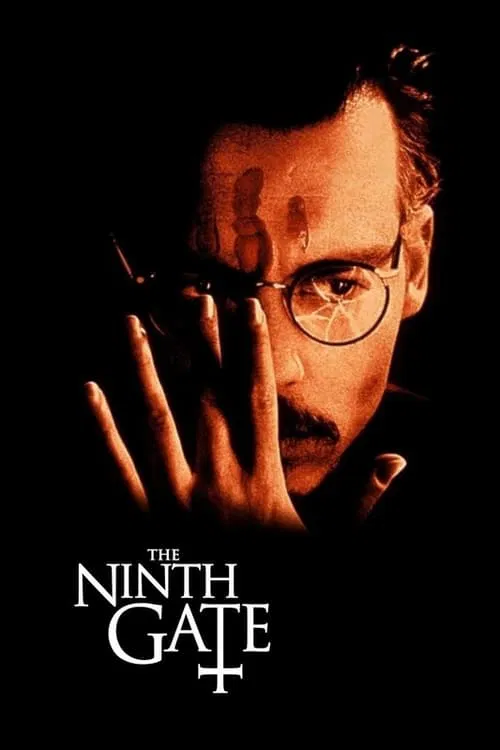
  11. The Ninth Gate (1999) poster

    The Ninth Gate

    Roman Polanski · 1999

    Corso works like a detective, comparing the book's nine engravings side by side. Some are signed AT and others LCF, and tiny differences set them apart. You solve the puzzle with him by looking at pictures, and no one has to explain it.

    Where to see it: The Ceniza brothers' workshop in Toledo: The restorers show Corso that only six of the nine engravings are signed AT. The other three are signed LCF.

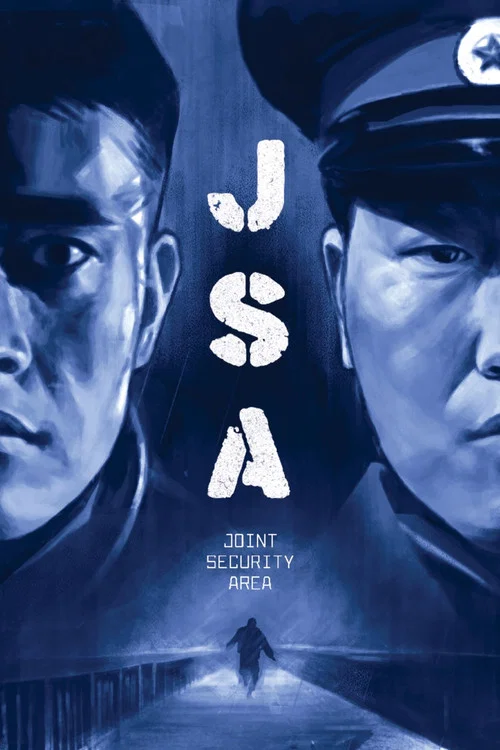
  12. Joint Security Area (2000) poster

    Joint Security Area

    Park Chan-wook · 2000

    Major Sophie Jean reads the autopsies and the bullets. Woo-jin was shot eight times, and one bullet is unaccounted for. She works out that the survivors were close friends who are protecting each other.

    Where to see it: The autopsy and bullet findings. The number of wounds and the missing bullet point to something personal and not a simple border clash.

  13. Memories of Murder (2003) poster

    Memories of Murder

    Bong Joon-ho · 2003

    The investigation is built from guesses and mistakes. The detectives piece together patterns, misread evidence and go after suspects who are innocent. The film spends as much time on their reasoning failing as on it working. I feel like the method of the investigation is the real subject of the film, more so than any solution.

    Where to see it: The radio connection sequence. The detectives work out that the killer strikes on rainy nights when a certain song plays. It feels like a breakthrough until the film turns it into its most painful irony.

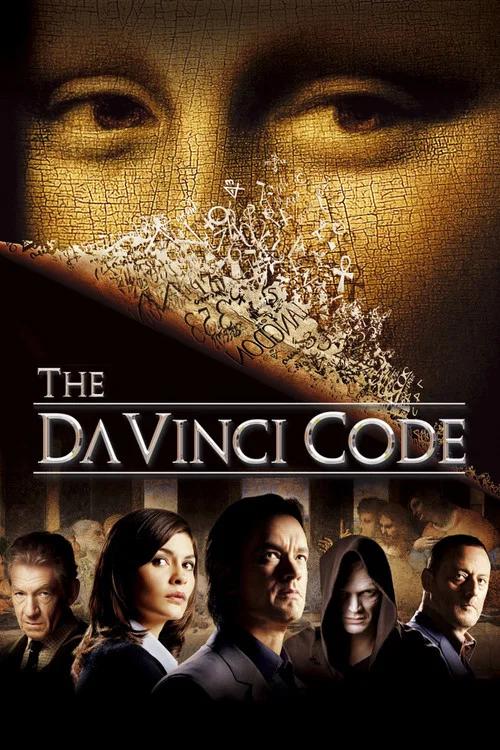
  14. The Da Vinci Code (2006) poster

    The Da Vinci Code

    Ron Howard · 2006

    Langdon reads clues the way a detective reads a crime scene. He works out a code from a numbered sequence and explains each step as he goes. You get to solve the riddle with him instead of being handed the answer.

    Where to see it: The safe deposit box. Langdon and Sophie use a Fibonacci sequence to open the box Saunière left behind.

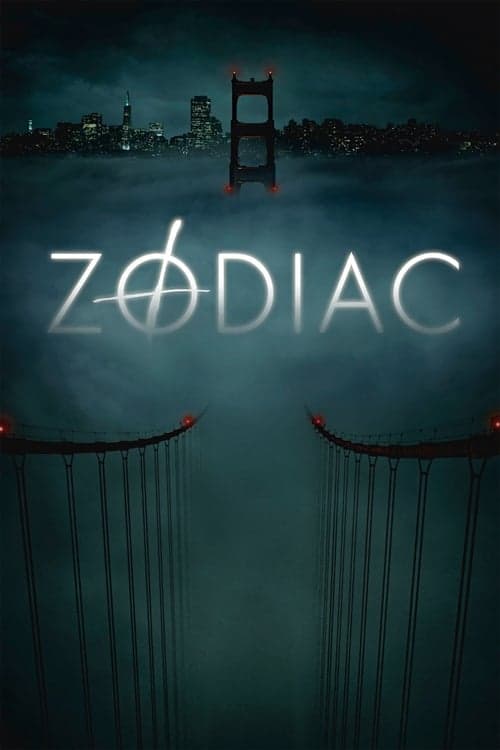
  15. Zodiac (2007) poster

    Zodiac

    David Fincher · 2007

    Graysmith pieces the Zodiac case back together from newspaper archives, police files and interviews held decades after the crimes. Fincher keeps you at exactly Graysmith's level of knowledge. The film knows no more than he does, and neither do you. That is the point. The film is built around how far the investigation can go and where it has to stop.

    Where to see it: Graysmith's research sequences. The cartoonist sits surrounded by letters and files. His reasoning builds toward a conclusion the film can't confirm, either legally or with evidence.

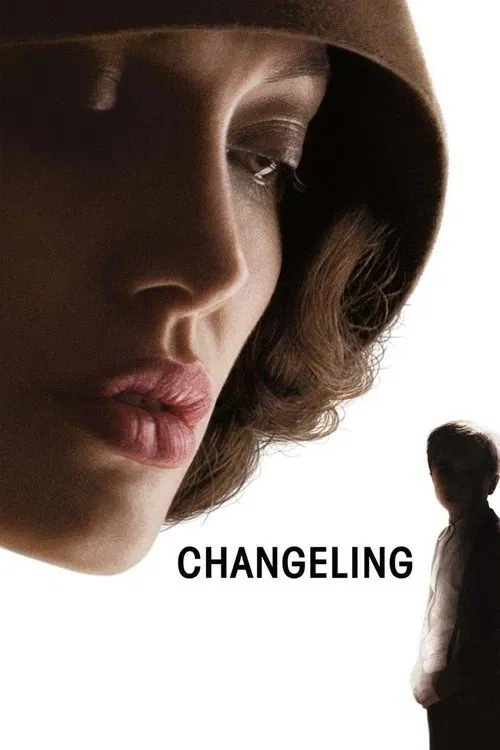
  16. Changeling (2008) poster

    Changeling

    Clint Eastwood · 2008

    Christine proves the boy is not her son by checking facts one at a time. He is shorter than her son's growth chart says he should be, and he is circumcised, unlike Walter. She plays detective with the evidence the police ignore.

    Where to see it: Proof: Christine finds several physical details proving the boy is not Walter, including his height and circumcision. Captain Jones brings a doctor who says trauma shrank his spine.

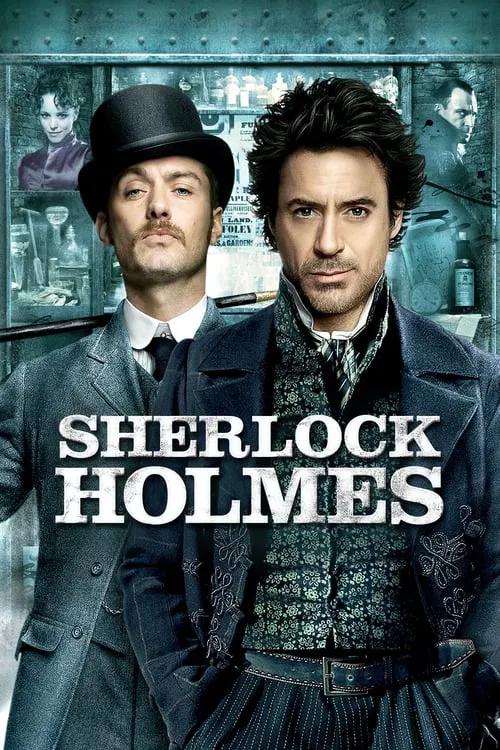
  17. Sherlock Holmes (2009) poster

    Sherlock Holmes

    Guy Ritchie · 2009

    Holmes treats the haunting as a puzzle with an answer. He ties the murders to the rituals of a secret order and works out where the next attack will happen. At the end he shows that every supernatural act was a stage trick built on a dead man's science experiments. You get the answer as a chain of small clues.

    Where to see it: The Tower Bridge finale. After Blackwood falls, Holmes explains that his supposed magic was a set of tricks that came out of Luke Reordan's experiments.

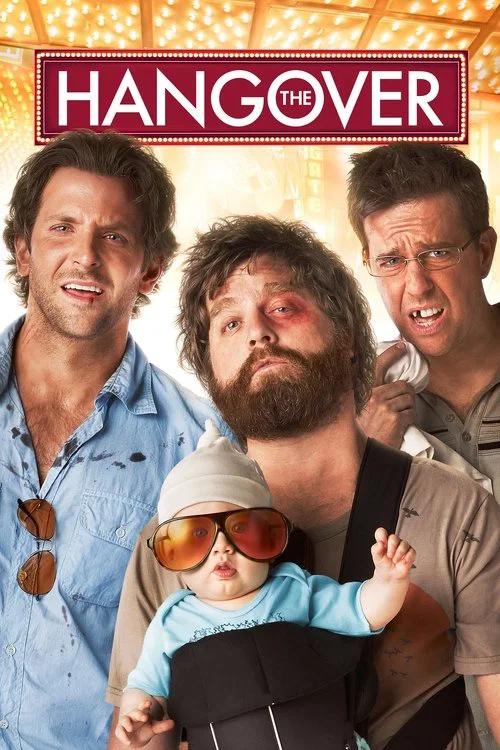
  18. The Hangover (2009) poster

    The Hangover

    Todd Phillips · 2009

    The friends act like detectives. A missing tooth, a baby in the closet and a police cruiser where the car should be become clues, and they work out the night step by step. You solve it with them, one gag at a time.

    Where to see it: The morning after: Phil, Stu and Alan find a tiger in the bathroom and a baby in the closet, then start retracing the night from the clues.

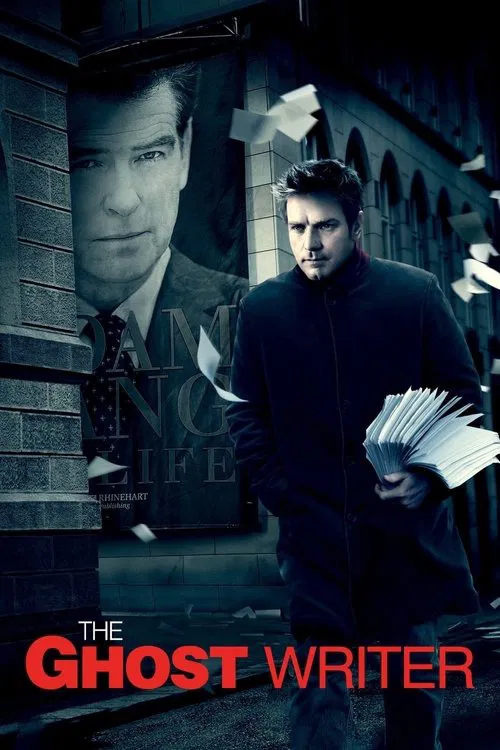
  19. The Ghost Writer (2010) poster

    The Ghost Writer

    Roman Polanski · 2010

    The Ghost works from small physical things: a hidden envelope of photographs and a dead man's car with a route stored in its navigation system. Each clue leads to the next, and nobody confesses.

    Where to see it: The sat-nav route: Driving the dead writer's old car, the Ghost finds that its navigation system takes him to the home of Professor Paul Emmett.

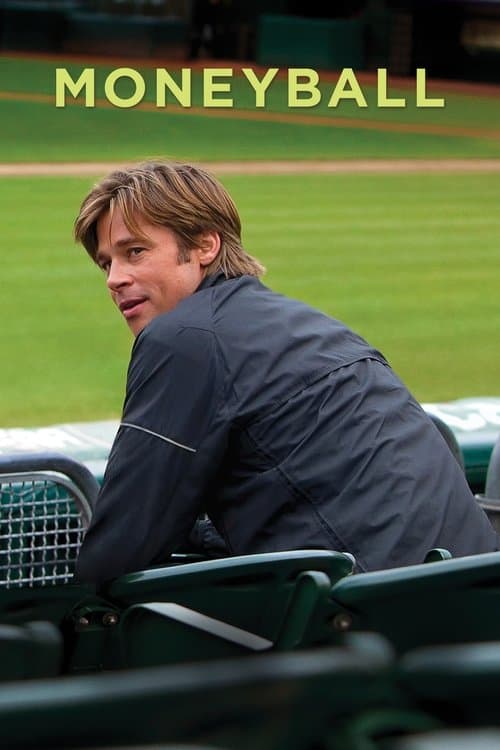
  20. Moneyball (2011) poster

    Moneyball

    Bennett Miller · 2011

    Miller and screenwriters Sorkin and Zaillian set up the statistical case like a detective story. The data reveals what the usual way of judging players misses. You make the leaps of reasoning alongside Beane and Brand as the method proves itself game by game.

    Where to see it: The video analysis sequences. Beane and Brand watch footage to confirm what the numbers suggest. They are gathering evidence like detectives for a conclusion that goes against common sense.

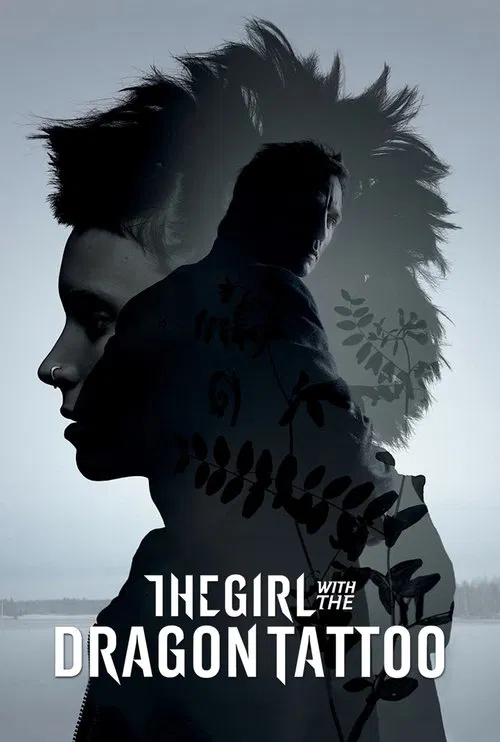
  21. The Girl with the Dragon Tattoo (2011) poster

    The Girl with the Dragon Tattoo

    David Fincher · 2011

    Blomkvist and Salander work through files, photos and old records to solve a case with no confession in sight. Their research ties a series of murders of young women to Bible verses. You learn the pattern as they do.

    Where to see it: The Bible-verse link. Blomkvist and Salander connect murders of young women across decades to Bible verses.

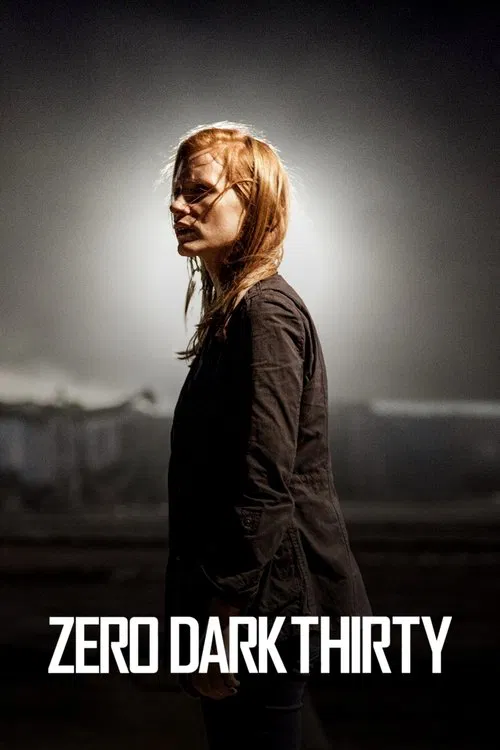
  22. Zero Dark Thirty (2012) poster

    Zero Dark Thirty

    Kathryn Bigelow · 2012

    The film presents the bin Laden hunt as an intelligence puzzle. There are fragments of information, disputed sources and bureaucratic dead ends. You have to put the picture together alongside Maya, one piece at a time.

    Where to see it: Maya tracing Abu Ahmed al-Kuwaiti to the Abbottabad compound. The chain runs from a possible identity to his mother's phone number to his vehicle to the compound, and you can follow the investigation one link at a time.

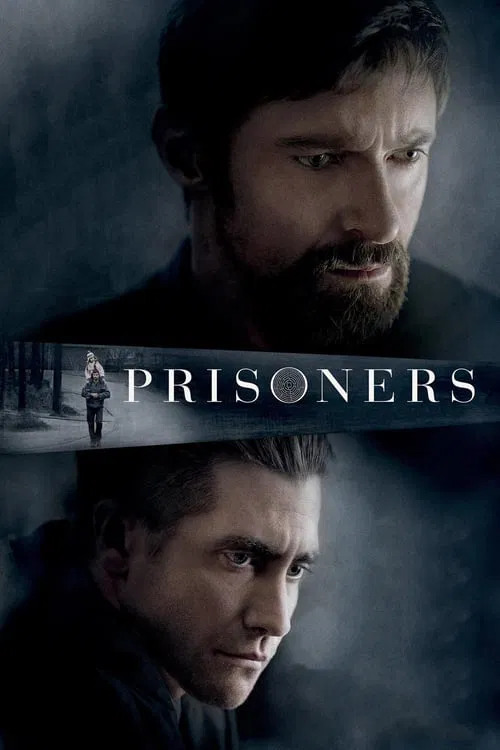
  23. Prisoners (2013) poster

    Prisoners

    Denis Villeneuve · 2013

    Detective Loki pieces the case together from physical evidence, from watching how people behave and from details that add up. Villeneuve keeps you at Loki's level of knowledge, so the solution is never hidden from you. You discover it alongside him, and the tension comes from the step-by-step procedure as well as the suspense.

    Where to see it: Loki's investigation of the priest and the maze pendant. Each deduction leads to the next, and you follow the logic as it builds toward the truth.

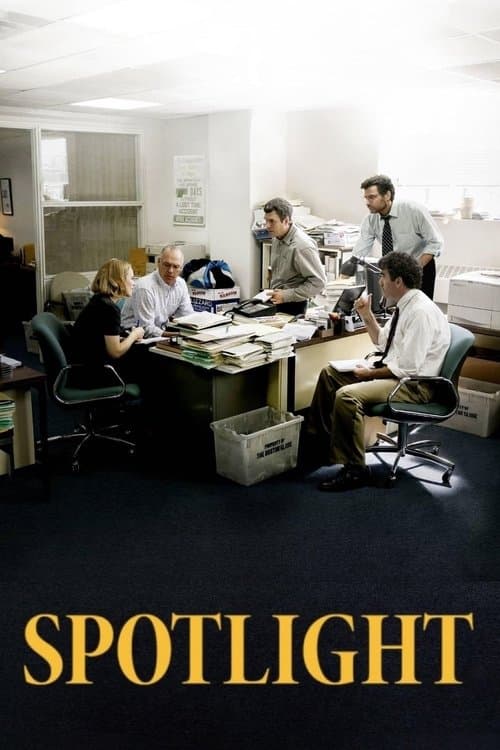
  24. Spotlight (2015) poster

    Spotlight

    Tom McCarthy · 2015

    The Spotlight team's investigation moves forward by patiently gathering church directories, legal filings and survivor accounts. The suspense comes from watching a case built on evidence get laid out step by step.

    Where to see it: The team overlaying priest transfers on a city map. They spot the pattern: abusers were rotated from place to place to shield them from accountability.

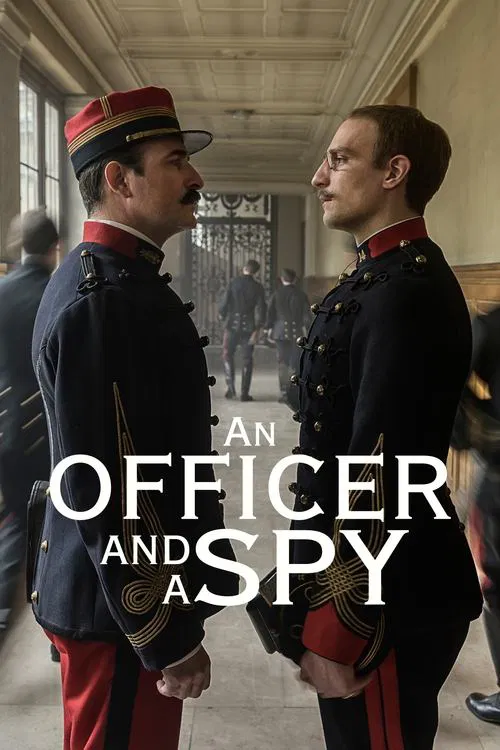
  25. An Officer and a Spy (2019) poster

    An Officer and a Spy

    Roman Polanski · 2019

    Picquart takes the file apart like a detective. He compares handwriting and finds that the paper that supposedly proves Dreyfus guilty was not written by him. You follow the evidence step by step.

    Where to see it: The handwriting: Picquart discovers that the bordereau, the document used to convict Dreyfus, was written by Major Esterhazy, contradicting the graphologist Bertillon.

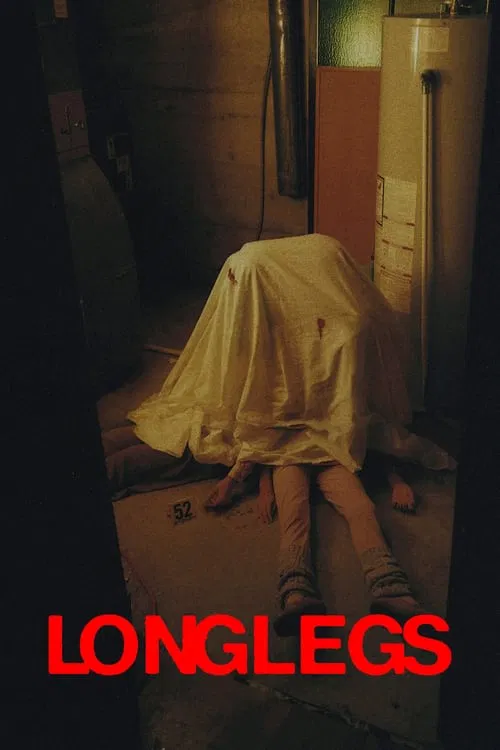
  26. Longlegs (2024) poster

    Longlegs

    Osgood Perkins · 2024

    Lee solves the case through evidence and patterns. She cracks the coded letters and notices that every family had a daughter born on the 14th of the month. You put the pieces together right beside her.

    Where to see it: Lee maps the murders on a calendar. The dates form a triangle with one point missing, which points to a family that hasn't been hit yet.

Questions

Quick answers

What is forensic inference narration in film?
Revealing character and motive through physical evidence and a detective's step-by-step reasoning, with no confessions or backstory dumps. You piece together the truth alongside the investigator.
Which films use forensic inference narration?
The Maltese Falcon (1941), Spellbound (1945), Dial M for Murder (1954), High and Low (1963), Chinatown (1974), All the President's Men (1976) and 20 more films in the CineCode library.
What kind of technique is forensic inference narration?
It is a narrative technique. Related narrative techniques include The MacGuffin, The Long Reveal, Deadpan Absurdism.