Cinematography technique · used in 31 films

Chiaroscuro Lighting

Lighting a scene with strong contrast between bright light and deep shadow, a style borrowed from old paintings called chiaroscuro. How lit a character is hints at their moral or mental state.

Examples

31 films that use it

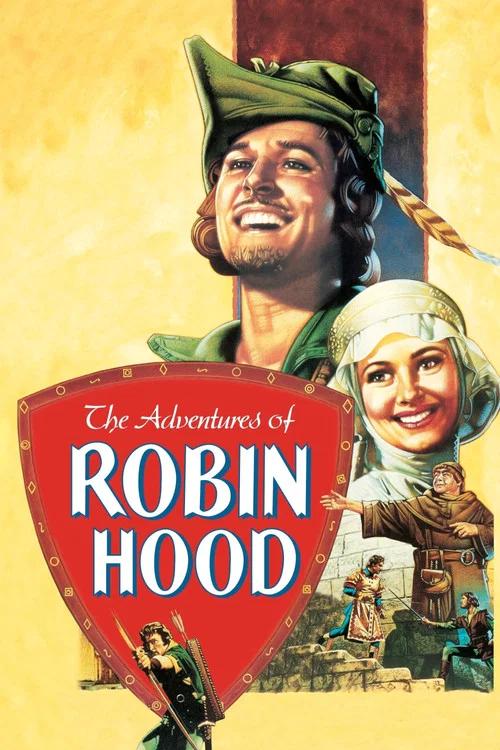
  1. The Adventures of Robin Hood (1938) poster

    The Adventures of Robin Hood

    Michael Curtiz · 1938

    In the final castle fight, strong light and long shadows turn the swordfight into a dance of silhouettes on the wall. Robin and Gisbourne look like shapes in the dark. The contrast makes a hero and a villain look as clear as a drawing.

    Where to see it: The castle duel. Robin fights Sir Guy of Gisbourne in a long sword duel in Nottingham Castle.
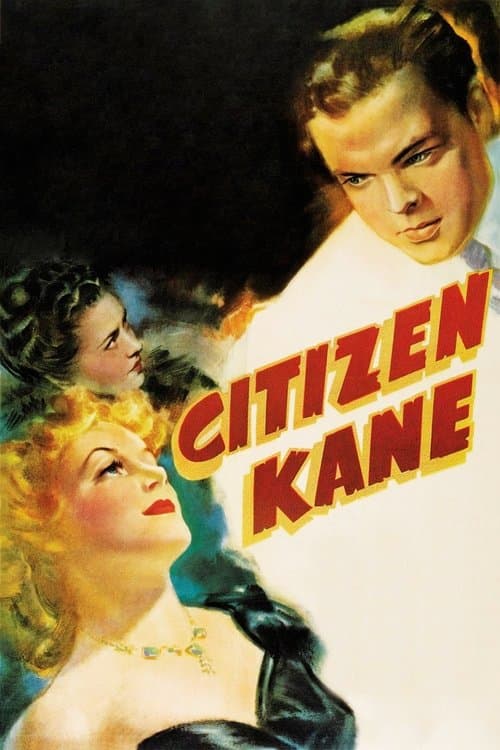
  2. Citizen Kane (1941) poster

    Citizen Kane

    Orson Welles · 1941

    Gregg Toland shoots in deep focus, which keeps things near and far sharp at the same time, and it gives the film its signature look. You see ceilings above the characters, deep shadows that swallow figures from below and lamps and windows inside the frame. Kane is filmed again and again from low angles in darkness. You get his power and his isolation from the shadows alone, with no dialogue needed.

    Where to see it: Kane's speech to the crowd. The camera shoots from below, and Kane looms in darkness against a giant portrait of himself. The shot lets you see how obsessed he is with his own greatness.

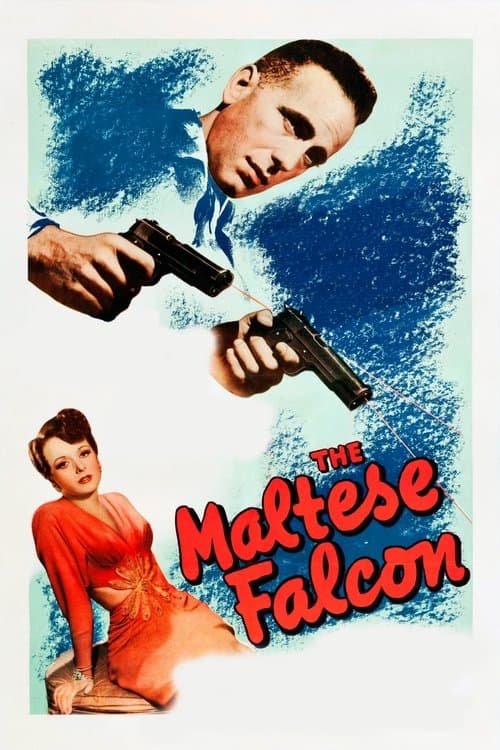
  3. The Maltese Falcon (1941) poster

    The Maltese Falcon

    John Huston · 1941

    Arthur Edeson's photography sets the look that film noir would copy: faces half in shadow, rooms lit by single lamps, venetian blind patterns on walls. This kind of strong light-and-dark contrast is called chiaroscuro. Every character in the film has a shadowed side, on screen and in their morals. I feel like the lighting is telling you that no one in this world is fully in the light, the detective included.

    Where to see it: Spade's office. There's a single window light, and faces move between light and shadow. This is the look that would define film noir for a decade.

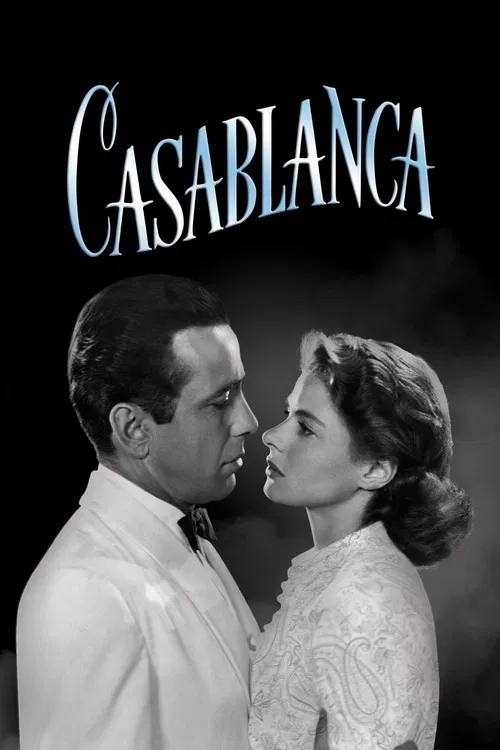
  4. Casablanca (1942) poster

    Casablanca

    Michael Curtiz · 1942

    Arthur Edeson lights Rick's Café with chiaroscuro, which means strong contrast between light and dark. Faces come out of shadow, and the gap between what you can see and what is hidden adds tension to every meeting. The shadows hide as much as they show, so you never get the full view of what anyone is feeling.

    Where to see it: Rick's first appearance. The camera starts on his hand signing a check, then tilts up to his face in a dim, shadowy room.

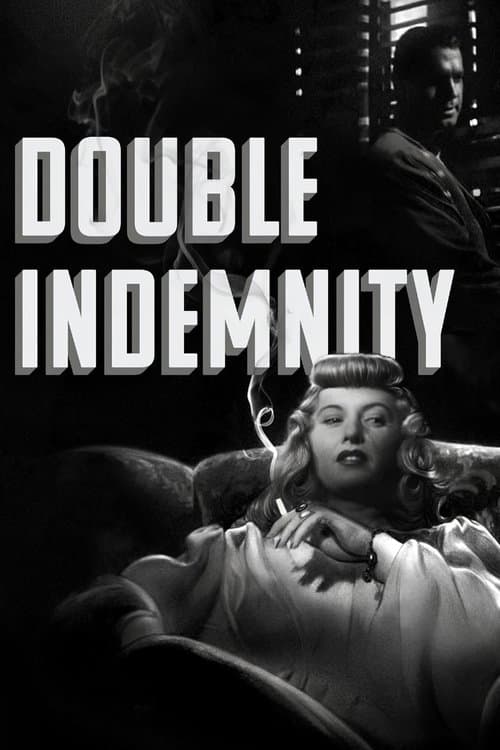
  5. Double Indemnity (1944) poster

    Double Indemnity

    Billy Wilder · 1944

    John Seitz's cinematography throws the shadows of venetian blinds across the characters' faces. Guilt and being trapped become something you can see, like bars. Phyllis is never fully lit. Walter moves between light and shadow as his conscience swings back and forth. With this lighting, the film gets its dark noir view of the world across in images and never has to say it out loud.

    Where to see it: The venetian blind shadow sequences. Diagonal bars of shadow fall across faces. The characters are trapped morally, and you can see it on screen.

  6. Notorious (1946) poster

    Notorious

    Alfred Hitchcock · 1946

    Chiaroscuro means strong contrast between light and shadow, and Ted Tetzlaff's photography uses it to show you right and wrong. The party sequences are lit in warm, social light while danger builds up in the shadows. The cellar scene moves from natural light into the darkness where the uranium is hidden. The lighting follows the film's moral descent, so the shadows get deeper as Alicia's situation gets more dangerous.

    Where to see it: The wine cellar sequence. The bottles sit in warm lamplight, with the uranium sand behind them in darkness. Where the light is placed shows you the moral stakes.

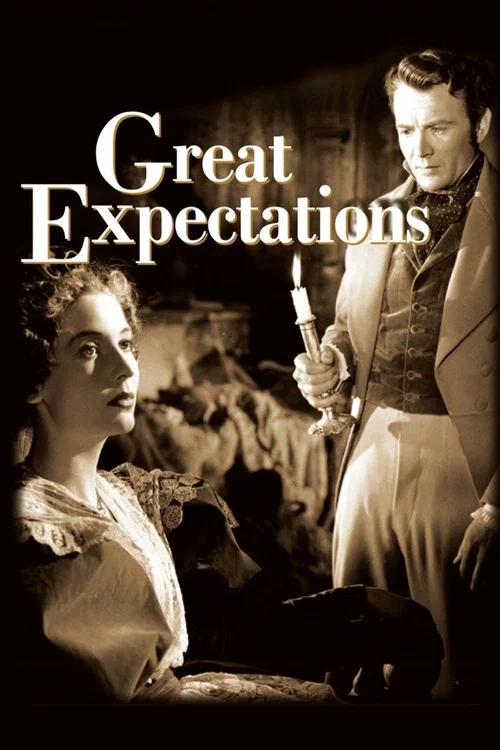
  7. Great Expectations (1946) poster

    Great Expectations

    David Lean · 1946

    The graveyard scene has heavy shadows, a bare tree and a hard-edged horizon. The darkness makes everything menacing, and Magwitch rises out of it. Robert Krasker shot the opening, and the look sets the film's mood.

    Where to see it: The graveyard opening. The escaped convict Magwitch grabs the boy Pip.

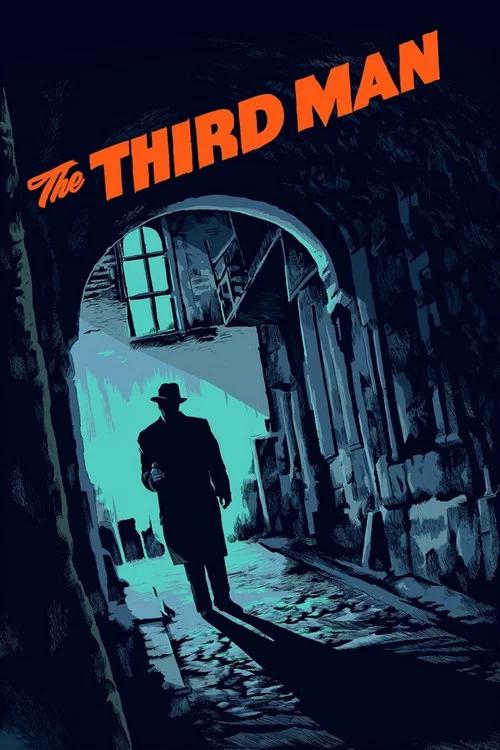
  8. The Third Man (1949) poster

    The Third Man

    Carol Reed · 1949

    Krasker's photography gives Vienna its defining look: pools of lamplight on wet cobblestones and figures stepping out of doorway shadows. The black-and-white is pushed to such extremes that the city itself seems to be making a moral point. Harry Lime's reveal (the cat, the doorway shadow, the lamplight) is the most famous use of chiaroscuro, the strong contrast of light and dark, in film noir.

    Where to see it: Harry Lime's doorway reveal. You get the shadow, the cat and then light suddenly on the face the film has been hiding. The way it is shot makes his appearance feel bound to happen and also like a line being crossed.

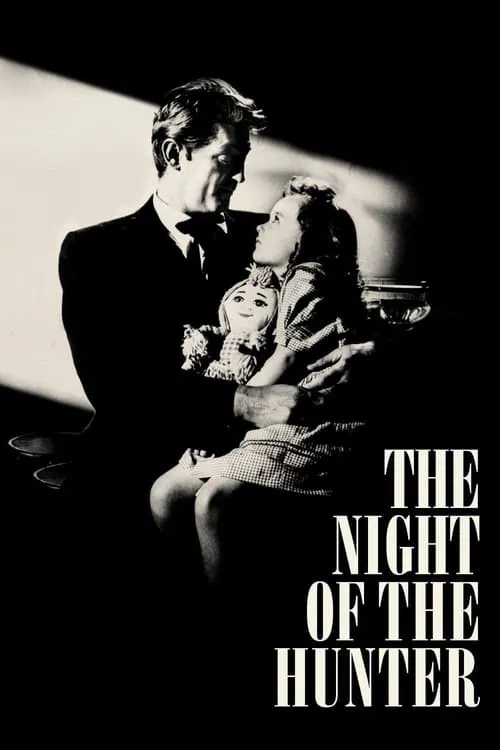
  9. Night of the Hunter (1955) poster

    Night of the Hunter

    Charles Laughton · 1955

    Stanley Cortez's photography, working with Laughton's expressionist vision, gives the film its dreamlike look. Chiaroscuro is strong contrast between light and dark. You see it in the Preacher's silhouette against the night sky and in the underwater shot of Willa's body, with her hair flowing like water plants. You see it again when the children float on the river in darkness. The lighting suggests threat. It also makes the film's world look like a myth.

    Where to see it: The Preacher on horseback against the night sky. In silhouette, the villain stops feeling like a man and feels like a force of nature. The light and shadow turn his psychology into a mythic image.

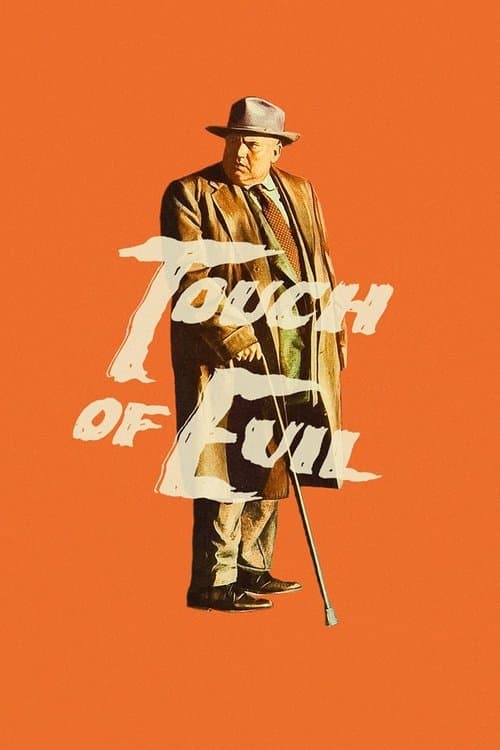
  10. Touch of Evil (1958) poster

    Touch of Evil

    Orson Welles · 1958

    Chiaroscuro means lighting with very bright areas next to very dark ones. Russell Metty shot the film under Welles's direction, and no Hollywood film of the sound era pushes that contrast further. Hank Quinlan is almost always in shadow. His bulk comes out of the darkness and only half his face is lit. The lighting lets you see his corruption. He is a corrupt man, so he stays in shadow even indoors.

    Where to see it: Quinlan in the hotel room where he kills Grandi. The deep shadows swallow him. Wherever he stands, the lighting makes the place itself look corrupt.

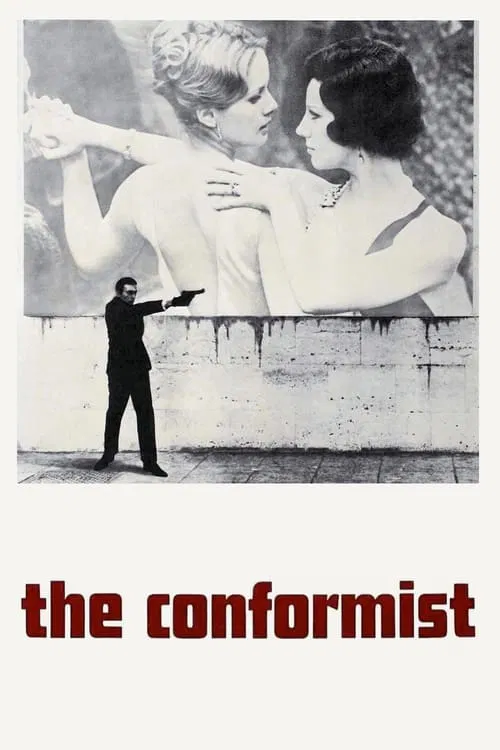
  11. The Conformist (1970) poster

    The Conformist

    Bernardo Bertolucci · 1970

    Storaro's lighting makes the film's moral case in pictures. He uses chiaroscuro, which means strong contrast between light and dark. Fascism gets deep geometric shadows and cold institutional light, while the political exiles in Paris get warmer, less clear-cut tones.

    Where to see it: The dance hall sequence in Paris. Shafts of light cut through smoke and shadow, and the political and sexual tension turns into pure shapes of light and dark.

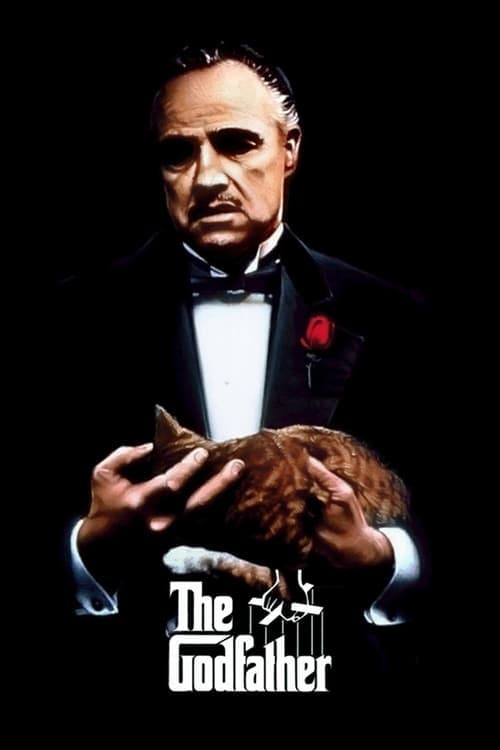
  12. The Godfather (1972) poster

    The Godfather

    Francis Ford Coppola · 1972

    Gordon Willis (nicknamed 'the Prince of Darkness') kept the Corleone family's faces half in shadow throughout, particularly in Vito's office scenes. This strong contrast of light and dark is called chiaroscuro. Without a word of dialogue, you sense the moral darkness under the family's respectable surface.

    Where to see it: The opening scene. Don Corleone hears requests in darkness while the wedding celebration blazes outside.

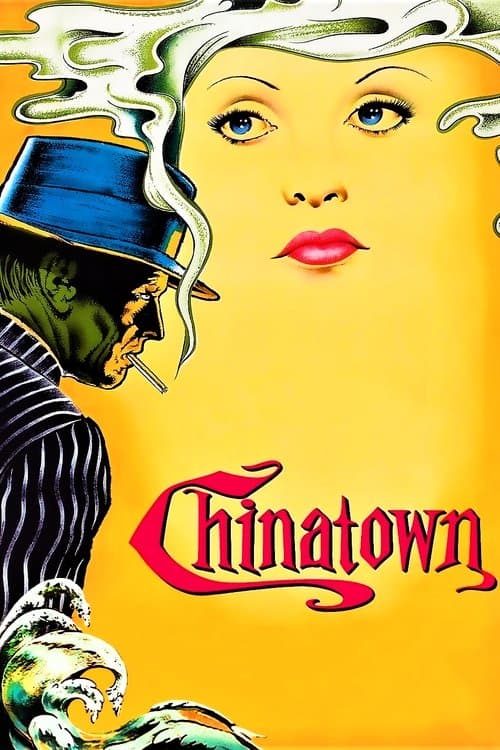
  13. Chinatown (1974) poster

    Chinatown

    Roman Polanski · 1974

    John Alonzo photographs Los Angeles in the noir tradition of chiaroscuro, with a strong contrast between light and dark. The city looks sunny and corrupt at once, and many first-half scenes sit in deep blacks.

    Where to see it: The confrontation at the Mulwray house. Gittes summons Cross there, and Cross admits he is behind the water shortage and the land grab.

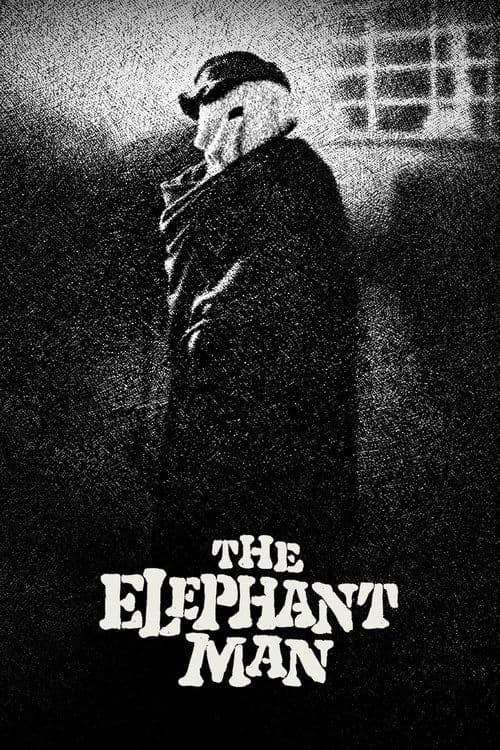
  14. The Elephant Man (1980) poster

    The Elephant Man

    David Lynch · 1980

    The film's Victorian London is lit by gas lamps, foggy streets and the harsh light of industrial exhibitions. In the dark, Merrick is anonymous and safe. In the light, he is exposed and vulnerable. Lynch uses chiaroscuro, the strong contrast between light and dark, to raise the film's moral question: who chooses to shine a light on a person and why.

    Where to see it: Bytes exhibiting Merrick in harsh exhibition light. Here, the light itself is what violates him, and darkness is the only privacy he has.

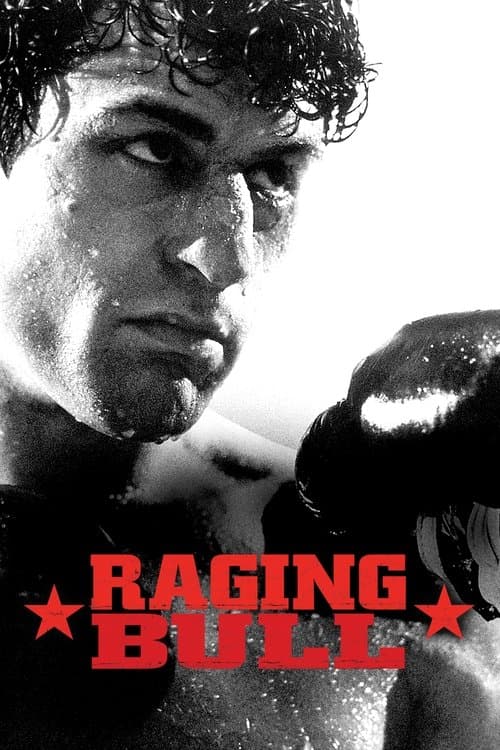
  15. Raging Bull (1980) poster

    Raging Bull

    Martin Scorsese · 1980

    The boxing ring is lit like a moral arena. Harsh white light falls on the canvas, and there is darkness beyond the ropes. Each fight ends up feeling like a confession more than a sport.

    Where to see it: The Robinson bout. LaMotta refuses to go down. He just takes the punishment in a cone of brutal white light.

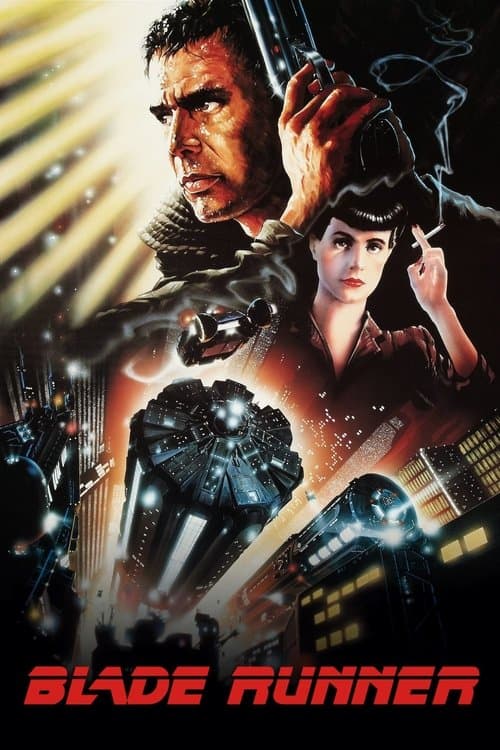
  16. Blade Runner (1982) poster

    Blade Runner

    Ridley Scott · 1982

    Jordan Cronenweth's cinematography makes every interior look like a film noir shot in the future. You see shadows from venetian blinds, neon color bleeding through rain-streaked windows and faces half in darkness. This is chiaroscuro, lighting built on strong light and dark. It links Blade Runner to the moral gray areas of classic noir while giving it a completely new look.

    Where to see it: The Bradbury Building interiors. Light filters through decayed Victorian ironwork, and the contrast of light and shadow makes the space feel both beautiful and dangerous.

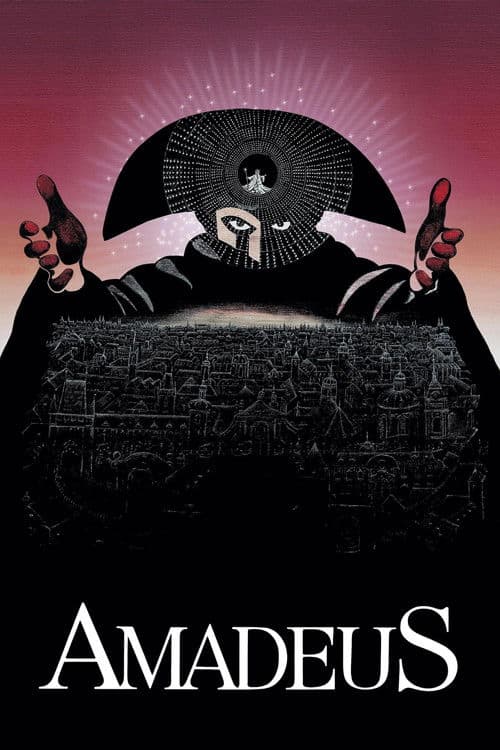
  17. Amadeus (1984) poster

    Amadeus

    Miloš Forman · 1984

    Chiaroscuro is lighting built on strong contrast between light and dark. Miroslav Ondříček lights Vienna with candles and fires. That creates deep shadows where Salieri does his scheming, while Mozart moves through brighter, messier spaces. The lighting marks Salieri as a man of shadow (intelligent, hidden, destructive) against Mozart's careless brightness.

    Where to see it: Salieri watching Mozart's rehearsals from the dark. The man in shadow watches the lit stage. The lighting shows his position exactly: he is a spectator of another man's gift.

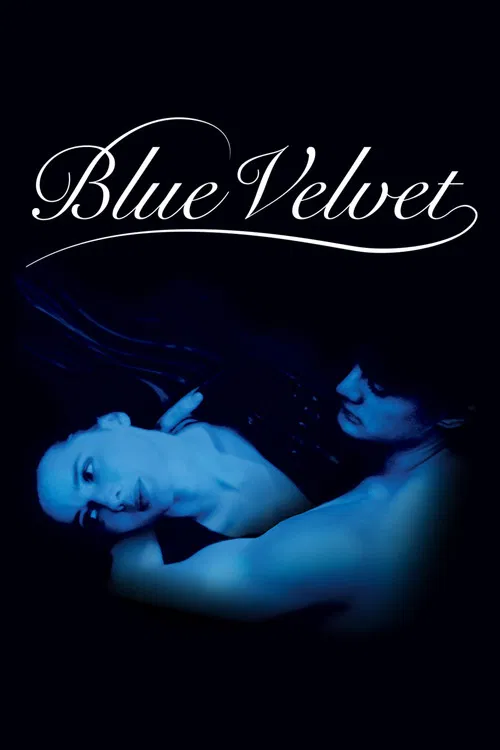
  18. Blue Velvet (1986) poster

    Blue Velvet

    David Lynch · 1986

    Frederick Elmes photographs the film's underworld (Dorothy's apartment, the Slow Club where she sings) in deep shadow broken up by violent color: red curtains, yellow light, the blue of the velvet itself. Lumberton's daylight is overexposed, meaning washed out and too bright. The contrast between them is how the film makes its case in images. The underworld belongs to the suburb. It is what the suburb's brightness is there to keep out of view.

    Where to see it: Dorothy's apartment. With the red curtains, the single lamp and the deep shadow, the space feels like the inside of something the daylight world won't admit exists.

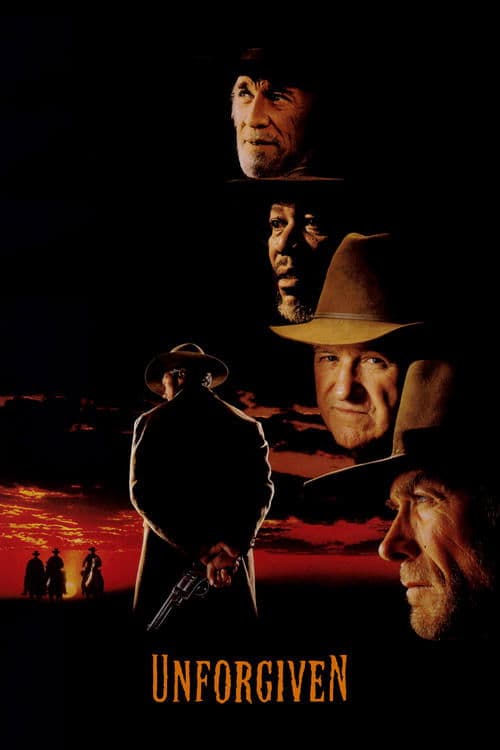
  19. Unforgiven (1992) poster

    Unforgiven

    Clint Eastwood · 1992

    Jack N. Green's photography drains the romantic golden light out of the West. In its place, you get flat grey skies, lamplit interiors and a darkness that hides more than it shows.

    Where to see it: Little Bill's public beating of English Bob in the street. The scene is stripped of all honor, and Bob is humiliated in front of the town before he is sent away.

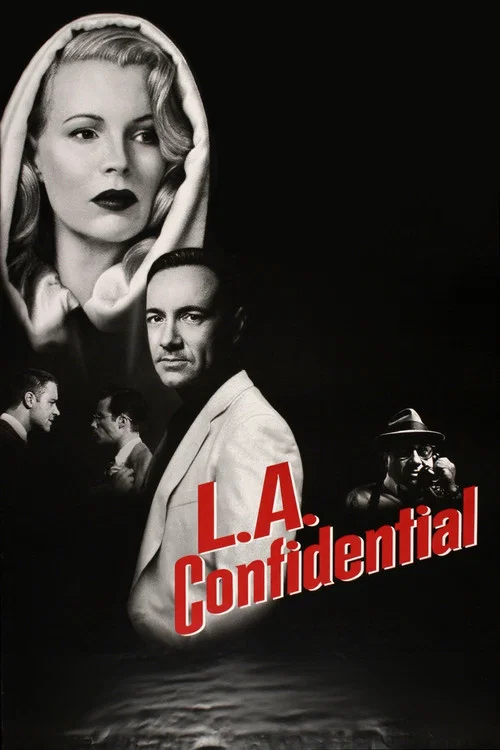
  20. L.A. Confidential (1997) poster

    L.A. Confidential

    Curtis Hanson · 1997

    Dante Spinotti's photography gives 1950s Los Angeles a look that critics compared to classic noir, though he used more naturalistic lighting than the old films. Golden sunlight falls on the suburban streets and deep shadow covers the corruption underneath. The city looks exactly like the lie it is selling.

    Where to see it: The aftermath of the Nite Owl diner massacre. The crime scene photographers' flashes go off blue-white against the night darkness of the diner.

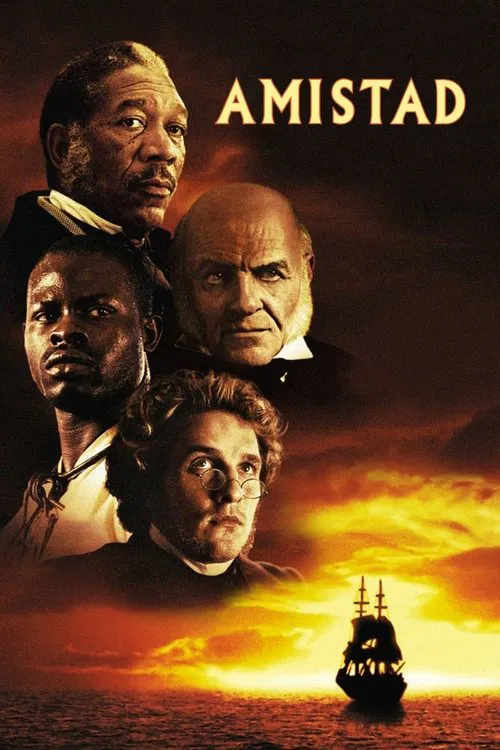
  21. Amistad (1997) poster

    Amistad

    Steven Spielberg · 1997

    The uprising and the slave ship scenes use deep dark and sudden bright light. Faces appear and disappear in shadow, which keeps the terror close without much explanation. It stands against the plainer light of the courtroom scenes.

    Where to see it: The uprising: Lightning and lantern light flash across the deck as the Africans fight the crew.

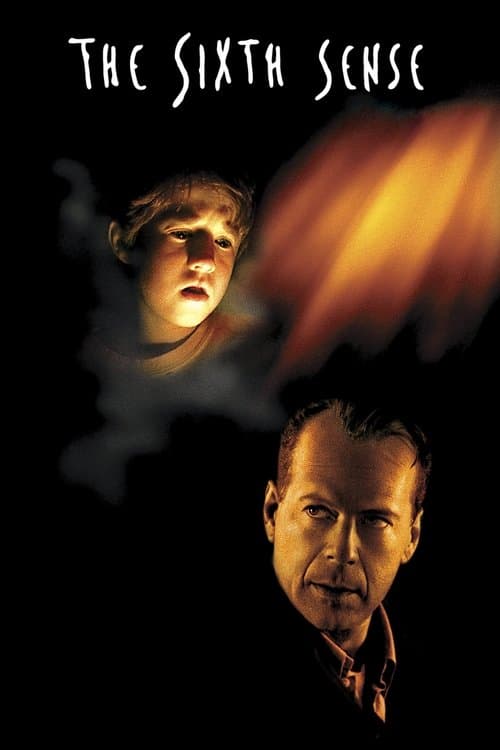
  22. The Sixth Sense (1999) poster

    The Sixth Sense

    M. Night Shyamalan · 1999

    Tak Fujimoto's cinematography keeps the film's world consistently underexposed, meaning darker than normal. That leaves pockets of darkness in ordinary homes, and the dead appear in them. The children's spaces are especially shadowed (closets, corners, the space under beds). In this film, light doesn't mean safety. It is just where the living feel comfortable, and those are 2 different things.

    Where to see it: Cole's tent in his bedroom. The child sits in the dark with only a flashlight. The image is telling you that light and dark are the only defenses a child has.

  23. Eyes Wide Shut (1999) poster

    Eyes Wide Shut

    Stanley Kubrick · 1999

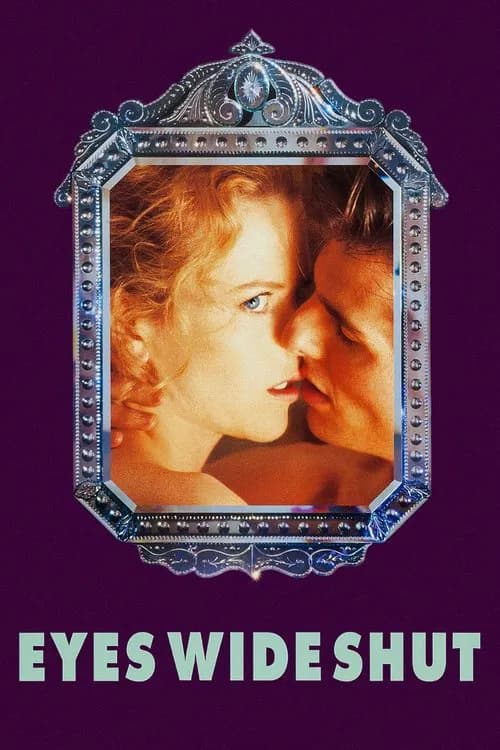
    Larry Smith and Kubrick soak the film in Christmas tree lights and candlelight. These warm, intimate glows seduce you and hide things at the same time. Every room in a home turns into a possible stage for secrets.

    Where to see it: The Harford bedroom scenes. The Christmas lights make a golden haze. It makes Alice's confession feel intimate and threatening at once.

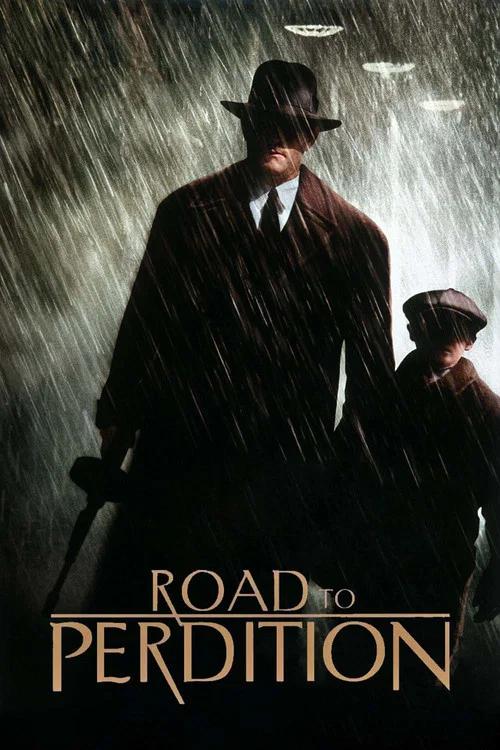
  24. Road to Perdition (2002) poster

    Road to Perdition

    Sam Mendes · 2002

    Mendes and cinematographer Conrad Hall drew on Edward Hopper's paintings, especially New York Movie, for the lighting, with a "less is more" approach. Pools of light and large areas of shadow leave faces half hidden. Hall posthumously won the Oscar for the film's cinematography.

    Where to see it: Sullivan and Maguire at the diner: The two men talk casually in a roadside diner while Michael sleeps in the car.

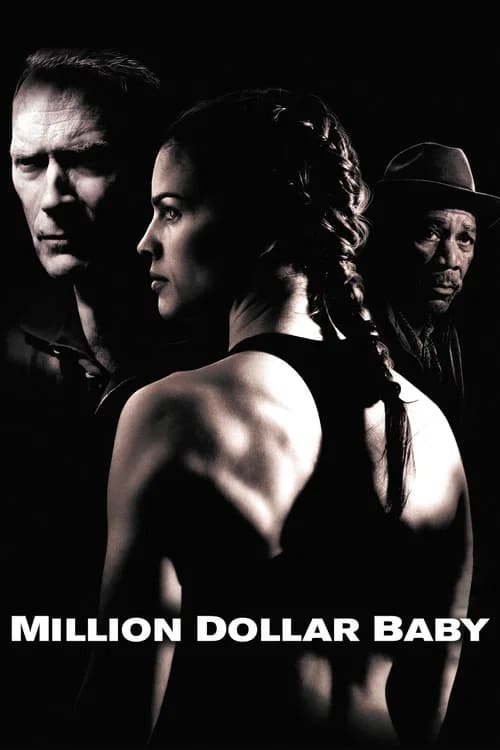
  25. Million Dollar Baby (2004) poster

    Million Dollar Baby

    Clint Eastwood · 2004

    Tom Stern's photography keeps the gym underlit at all times, amber against darkness. It feels like a place outside normal social time, a private world with its own ethics.

    Where to see it: Maggie working the speed bag at night in the gym after Scrap closes up.

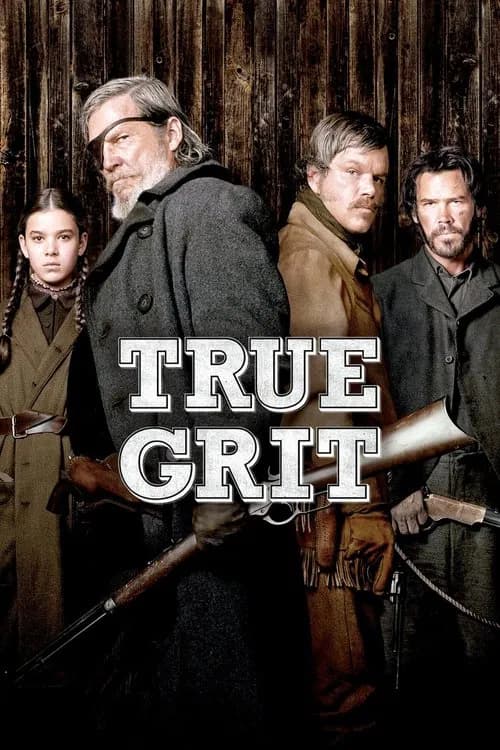
  26. True Grit (2010) poster

    True Grit

    Joel Coen, Ethan Coen · 2010

    Roger Deakins shoots the Ozarks and Indian Territory like a morality play about good and evil. He uses chiaroscuro, which is strong contrast between light and dark. The outlaws' hideouts sit in deep shadow and the open territory gets hard winter light, so the landscape tells you where good and evil are.

    Where to see it: The scene in the outlaw's dugout. Deakins drops the background to near black and lights Rooster and the criminals from a single source. The contrast makes the negotiation feel as serious as a judgment.

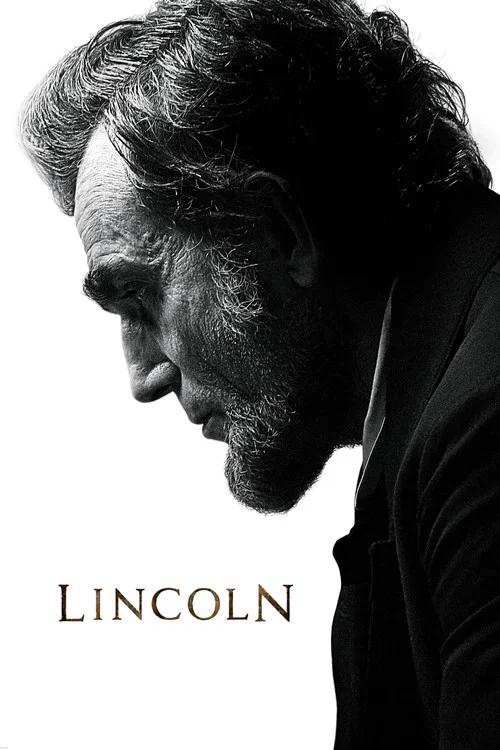
  27. Lincoln (2012) poster

    Lincoln

    Steven Spielberg · 2012

    Rooms are lit by windows and lamps, with dark corners and glowing dust. Faces sit half in shadow. The look matches the heavy, uncertain mood of a country at war.

    Where to see it: The White House rooms: Lincoln sits by a fire or window while the rest of the room falls into shadow.

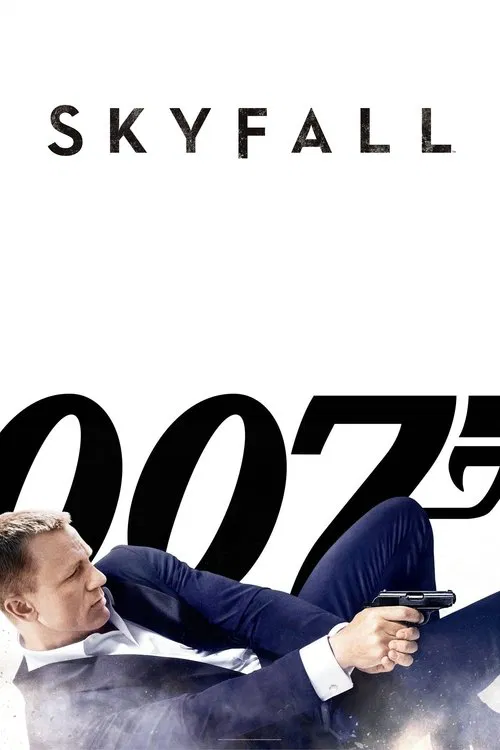
  28. Skyfall (2012) poster

    Skyfall

    Sam Mendes · 2012

    Cinematographer Roger Deakins shot the whole film digitally on Arri Alexa cameras. In Shanghai, the fight plays in silhouette against glowing city light, so Bond and his target become dark shapes. Light and shadow tell you who is in control.

    Where to see it: The Shanghai fight: Bond follows Patrice, sees him kill a target and fights him in a skyscraper.

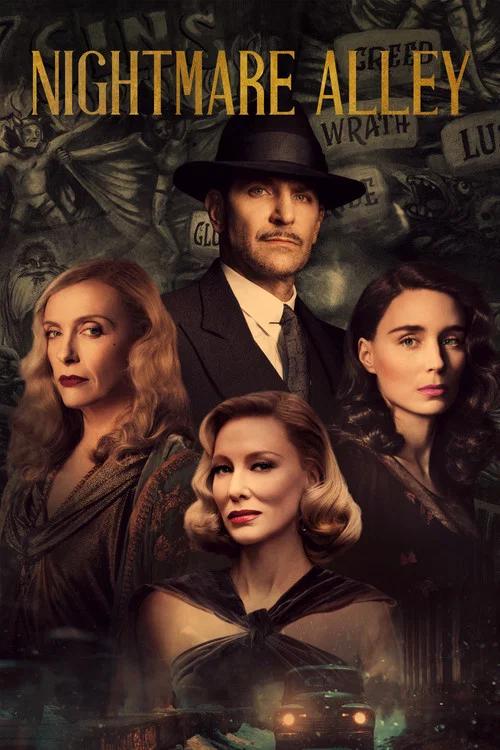
  29. Nightmare Alley (2021) poster

    Nightmare Alley

    Guillermo del Toro · 2021

    Cinematographer Dan Laustsen has said the team lit the film like a black-and-white movie and shot it in color, with strong contrast. Faces sit half in light and half in shadow. That fits a story about people who hide things.

    Where to see it: Ritter's office: Stan goes to collect his savings and learns that Lilith Ritter has been manipulating him.

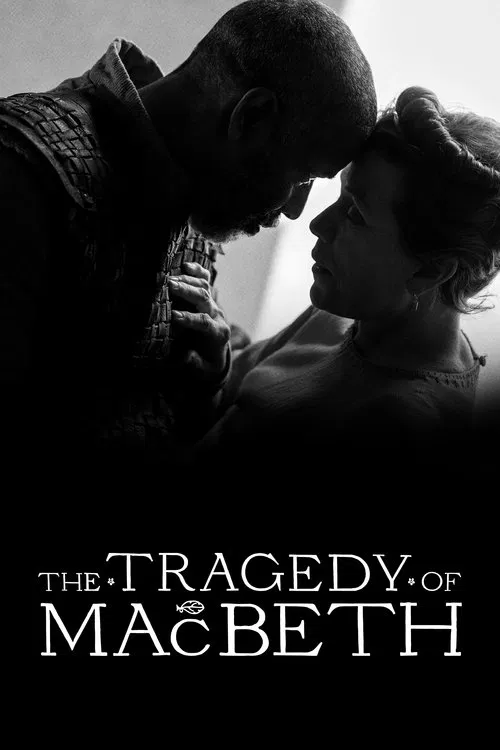
  30. The Tragedy of Macbeth (2021) poster

    The Tragedy of Macbeth

    Joel Coen · 2021

    Cinematographer Bruno Delbonnel and the production drew on German Expressionist films, so light and deep shadow shape every scene. Characters step in and out of darkness as their choices get worse. The lighting shows who they are becoming.

    Where to see it: The murder of Duncan: Lady Macbeth pushes Macbeth to kill King Duncan, and Macbeth then has the servants killed.

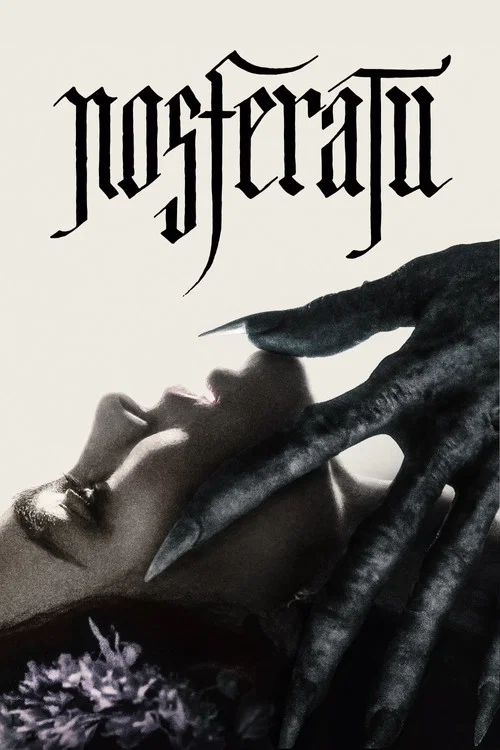
  31. Nosferatu (2024) poster

    Nosferatu

    Robert Eggers · 2024

    Cinematographer Jarin Blaschke lit scenes with real candles, and Panavision built special high-speed lenses so the camera could see in that little light. Faces glow out of deep black. Anything past the candle's reach disappears.

    Where to see it: The inn where Thomas stops on his journey. A single candle lights an old woman's face, with darkness all around her.

Questions

Quick answers

What is chiaroscuro lighting in film?
Lighting a scene with strong contrast between bright light and deep shadow, a style borrowed from old paintings called chiaroscuro. How lit a character is hints at their moral or mental state.
Which films use chiaroscuro lighting?
The Adventures of Robin Hood (1938), Citizen Kane (1941), The Maltese Falcon (1941), Casablanca (1942), Double Indemnity (1944), Notorious (1946) and 25 more films in the CineCode library.
What kind of technique is chiaroscuro lighting?
It is a cinematography technique. Related cinematography techniques include Voyeuristic Implication, Period Color Separation.