Cinematography technique · used in 8 films

Dutch Angle

Tilting the camera sideways so the horizon runs diagonally across the frame. The crooked picture makes a scene feel unstable, uneasy or morally off.

Examples

8 films that use it

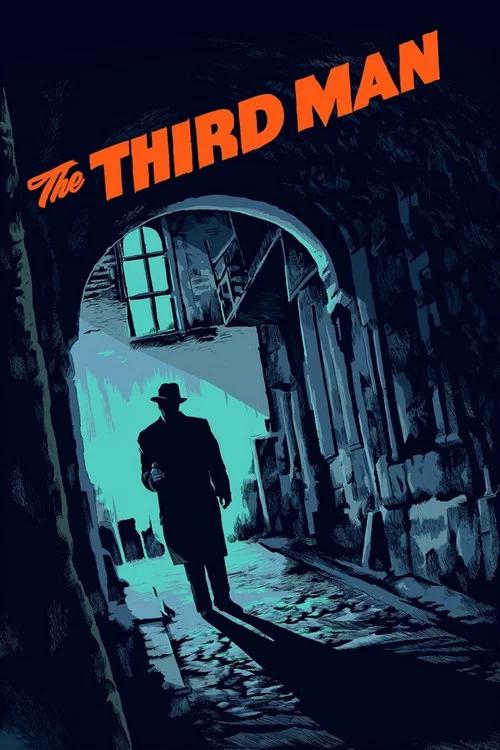
  1. The Third Man (1949) poster

    The Third Man

    Carol Reed · 1949

    Reed and cinematographer Robert Krasker tilt the camera sideways throughout the film, a shot known as a Dutch angle. It makes postwar Vienna feel morally unstable. This is a city where the normal rules don't apply, where a charming man can sell watered-down penicillin to dying children and stay charming.

    Where to see it: The chase through the sewers. The tilted angles make the shape of the tunnels confusing. The camera never sits level, and that matches the moral world of the film.
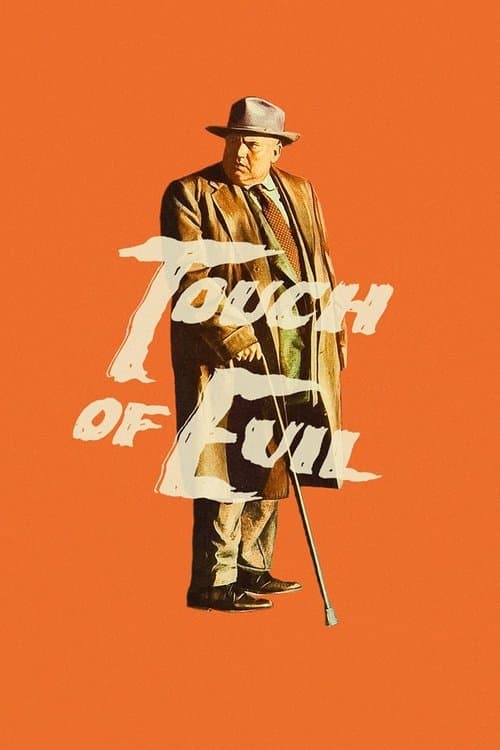
  2. Touch of Evil (1958) poster

    Touch of Evil

    Orson Welles · 1958

    A Dutch angle is a shot where the camera is tilted so the horizon looks slanted. Welles uses extreme ones all through Touch of Evil, and the tilted look tells you how morally lost everyone is. In this border town, you can't tell law from crime. People drift between 2 national identities, and the detective is also the criminal. The tilted frames never let you feel like you're on stable ground.

    Where to see it: The interrogation sequences. The extreme tilts make the police themselves look unsteady. Through the camera, the film is telling you that nobody here stands on level ground.

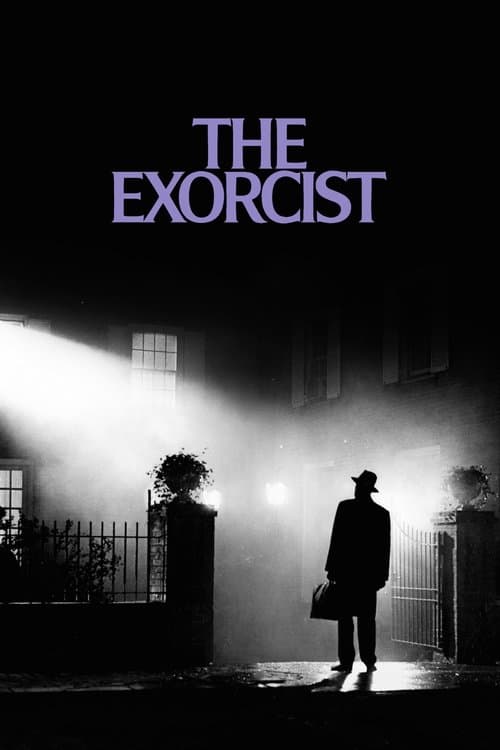
  3. The Exorcist (1973) poster

    The Exorcist

    William Friedkin · 1973

    A Dutch angle is a shot where the camera is tilted so the picture sits crooked. Friedkin uses these rarely and precisely. He saves them for moments when the supernatural has clearly broken into the rational world, so each tilt marks a point of no return.

    Where to see it: The staircase scenes. The possessed Regan comes down the stairs upside down and backward, moving in ways a body cannot.

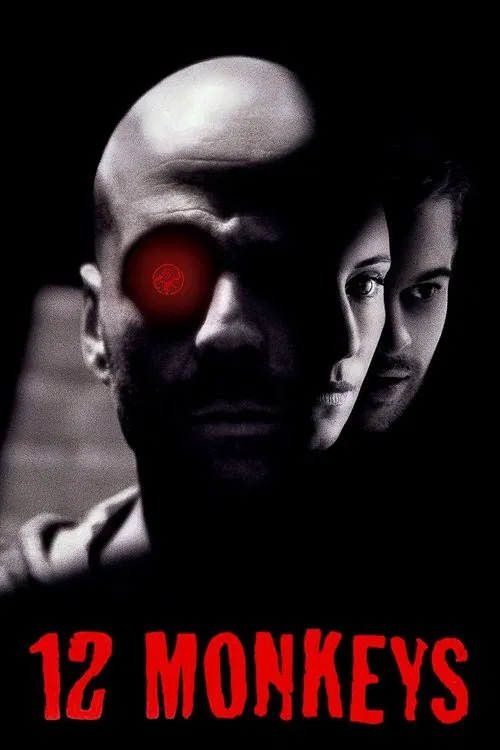
  4. Twelve Monkeys (1995) poster

    Twelve Monkeys

    Terry Gilliam · 1995

    Gilliam tilts the camera again and again, so the horizon sits crooked. The slanted picture makes the world feel slightly broken. It matches Cole's sense that nothing around him is stable.

    Where to see it: The hospital scenes. Cole sits among patients and doctors while the frame leans, and you share his feeling of being out of step.

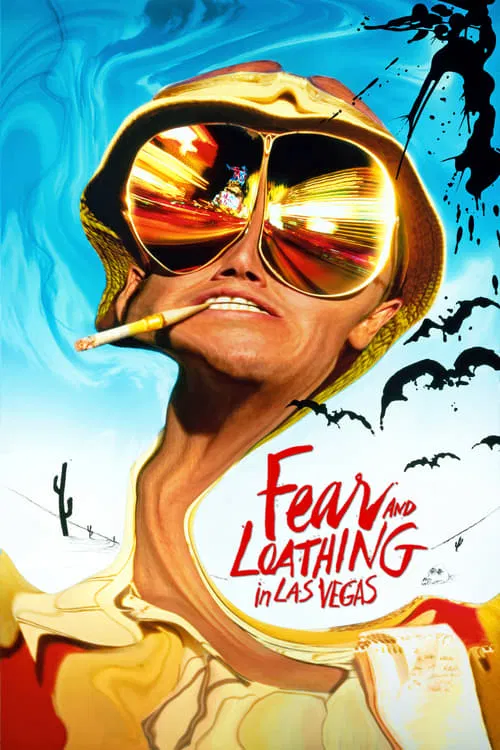
  5. Fear and Loathing in Las Vegas (1998) poster

    Fear and Loathing in Las Vegas

    Terry Gilliam · 1998

    Gilliam tips the frame constantly, and rooms and faces lean out of true. The slanted picture matches a mind that cannot hold still. It also keeps the comedy from feeling safe.

    Where to see it: The hotel room after Gonzo's LSD binge. The frame tilts as Duke takes in the wreckage.

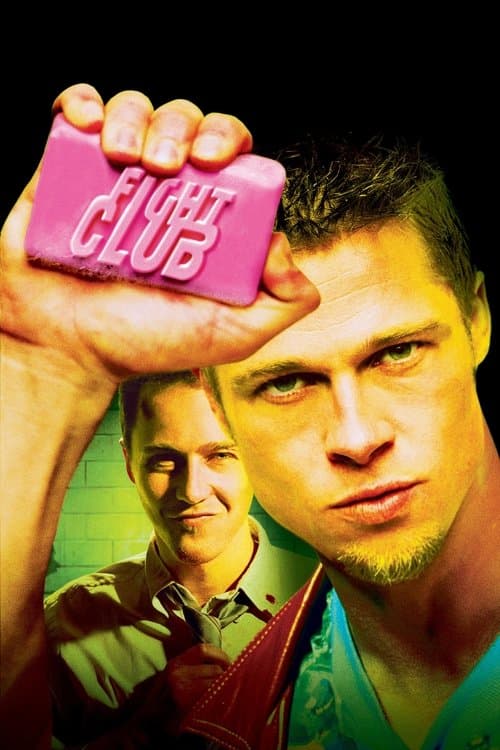
  6. Fight Club (1999) poster

    Fight Club

    David Fincher · 1999

    Fincher uses subtle Dutch angles (a tilted camera) during the fights and as Tyler's hold over the Narrator grows. Bit by bit, the film's moral center tilts too.

    Where to see it: The fight sequences. The late scenes in Tyler's house use the same tilt.

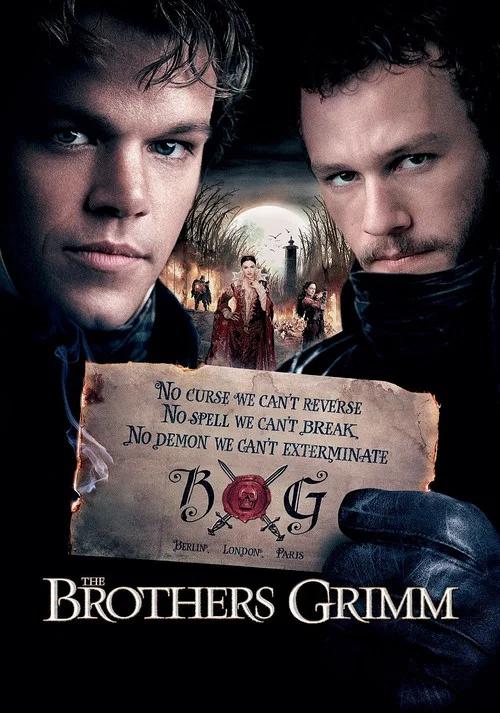
  7. The Brothers Grimm (2005) poster

    The Brothers Grimm

    Terry Gilliam · 2005

    Gilliam tilts the camera throughout, and the woods and villages lean out of true. The crooked frame tells you this storybook world is not safe. It gives the fairy tale a slightly sour edge.

    Where to see it: The tower climb. Jake scales the tower in the forest while the frame stays off balance.

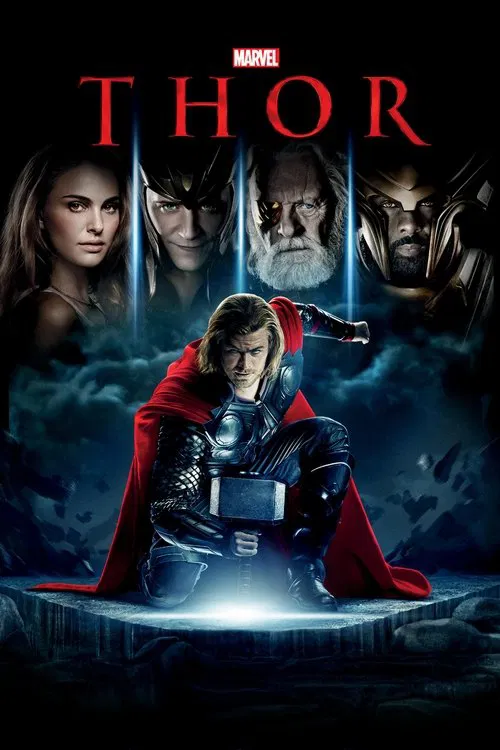
  8. Thor (2011) poster

    Thor

    Kenneth Branagh · 2011

    Branagh tilts the camera over and over, especially in Asgard's throne room and in the quarrels between Thor, Loki and Odin. The slanted horizon makes the court feel like it is about to tip over.

    Where to see it: Thor's coronation: the ceremony is interrupted when frost giants break into Asgard. The camera leans in the tense talk afterward, as Thor argues for war.

Questions

Quick answers

What is dutch angle in film?
Tilting the camera sideways so the horizon runs diagonally across the frame. The crooked picture makes a scene feel unstable, uneasy or morally off.
Which films use dutch angle?
The Third Man (1949), Touch of Evil (1958), The Exorcist (1973), Twelve Monkeys (1995), Fear and Loathing in Las Vegas (1998), Fight Club (1999) and 2 more films in the CineCode library.
What kind of technique is dutch angle?
It is a cinematography technique. Related cinematography techniques include Production Design as Psychological Space, Chiaroscuro Lighting, Tracking Shot Choreography.