Comparison · 3 shared techniques

Venus in Fur vs The Lighthouse

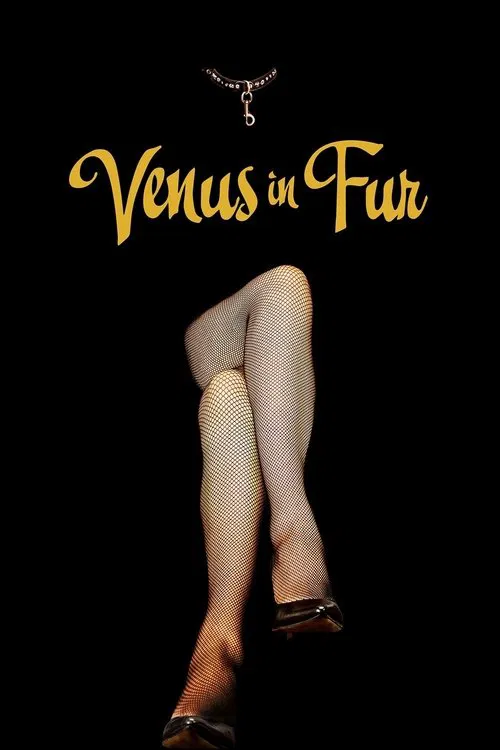
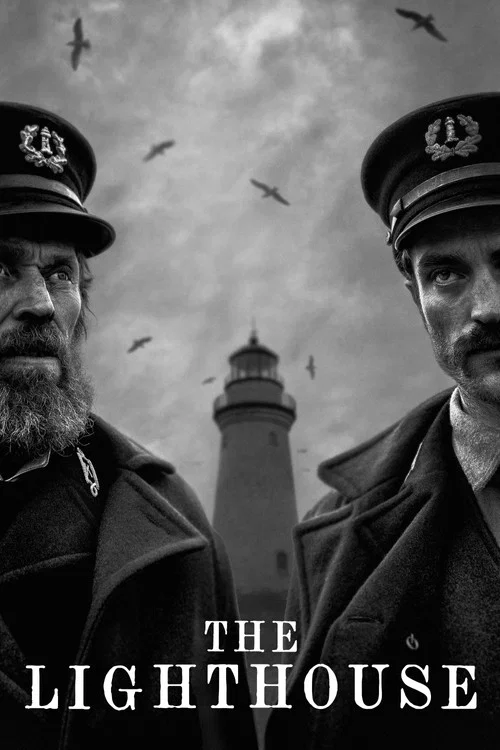
Venus in Fur (2013) and The Lighthouse (2019) share 3 techniques. Here is how each film uses them.

Shared

Same technique, two films

Psychological Doubling

Pairing the main character with a second character who mirrors them. The double shows what the hero wants, fears or secretly is.

Venus in Fur

Vanda the actress and Wanda the character in the play work as mirrors. As Vanda reads, she starts to speak for the character, and Thomas increasingly identifies with the male lead.

The Lighthouse

Thomas Wake and Ephraim Winslow start as master and servant. They end up impossible to tell apart in their madness and their myth-making. Eggers builds this doubling as a merger. It starts as a chain of command. Under the pressure of the island, it becomes a single mind living in 2 bodies.

Unreliable Reality

Keeping it unclear what is real and what is imagined in the film's world. You end up as unsure as the main character.

Venus in Fur

Vanda seems unprepared, yet she knows the whole script, runs the theatre's lighting board and brings costumes that fit Thomas. The film never explains how. You decide whether she is a clever actress or something stranger.

The Lighthouse

Winslow has visions of the mermaid, the tentacles and the inside of the light. They could be drunken hallucinations, a breakdown caused by isolation or a literal meeting with myth. Eggers refuses to settle it. Once again, the film's final image needs both readings at the same time to work.

Single-Location Cinematography

Shooting almost the whole film in 1 confined place. Set design and camera movement keep it visually interesting, and the space itself takes on meaning as the story goes on.

Venus in Fur

Almost the whole film stays in one Paris theatre with two actors. The stage, the lights and the empty seats become the whole world, and the stage itself becomes a way to show who is in charge.

The Lighthouse

The lighthouse island is the film's entire world. There is the tower, the living quarters, the rocks and the sea around them. Eggers uses the extremely tight space to put pressure on the characters' minds. The 2 men can't get apart, can't leave and can't escape the closeness that is destroying them. The location is pretty much the film's villain.

Different

Where they split