Drama · Comedy

Venus in Fur

Roman Polanski, 2013

After a day of auditions, theatre director Thomas is about to leave when Vanda, a late and unprepared actress, talks her way into reading for his adaptation of an 1870 novel about sexual submission. As they rehearse, the power in the room begins to switch. Two actors and one theatre carry the whole film.

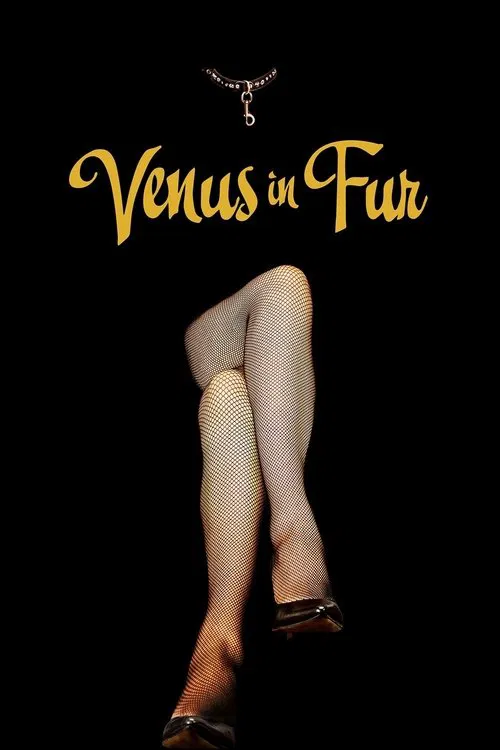
Venus in Fur (2013) poster

At a glance

Venus in Fur is a 2013 drama and comedy film directed by Roman Polanski. This breakdown covers 4 techniques (2 psychology, 1 cinematography and 1 narrative), each with the scene where you can see it. If you like how it is made, The Lighthouse uses several of the same techniques.

Psychology

Psychological Doubling

Pairing the main character with a second character who mirrors them. The double shows what the hero wants, fears or secretly is.

How this film uses it

Vanda the actress and Wanda the character in the play work as mirrors. As Vanda reads, she starts to speak for the character, and Thomas increasingly identifies with the male lead.

Where to see it

The audition: Vanda reads for the part of Wanda while Thomas reads the male lead, and the two start trading the lines as if they mean them.
Psychology

Unreliable Reality

Keeping it unclear what is real and what is imagined in the film's world. You end up as unsure as the main character.

How this film uses it

Vanda seems unprepared, yet she knows the whole script, runs the theatre's lighting board and brings costumes that fit Thomas. The film never explains how. You decide whether she is a clever actress or something stranger.

Where to see it

The lighting board: Vanda adjusts the theatre's light board without hesitation, though she has presumably never seen it, and brings out a full set of costumes.

Cinematography

Single-Location Cinematography

Shooting almost the whole film in 1 confined place. Set design and camera movement keep it visually interesting, and the space itself takes on meaning as the story goes on.

How this film uses it

Almost the whole film stays in one Paris theatre with two actors. The stage, the lights and the empty seats become the whole world, and the stage itself becomes a way to show who is in charge.

Where to see it

The empty theatre: After a day of auditions, Thomas is alone in the theatre when Vanda arrives soaked from the rain.

Narrative

Double Narrative Layer

Running 2 layers at once: the story and a commentary on how that story is being told, such as its own broadcast. The layers comment on each other and make you complicit in the watching.

How this film uses it

The play they rehearse and the real argument between them run side by side. When Vanda attacks the script as sexist, she is also talking about Thomas, and the play starts to comment on the room.

Where to see it

Vanda's critique: She calls the play soft-core S&M pornography, and Thomas defends it as a faithful adaptation of a literary classic.

Questions

Venus in Fur: quick answers

What filmmaking techniques does Venus in Fur use?
CineCode breaks down 4 techniques in Venus in Fur (2013): Psychological Doubling, Unreliable Reality, Single-Location Cinematography and Double Narrative Layer.
Who directed Venus in Fur?
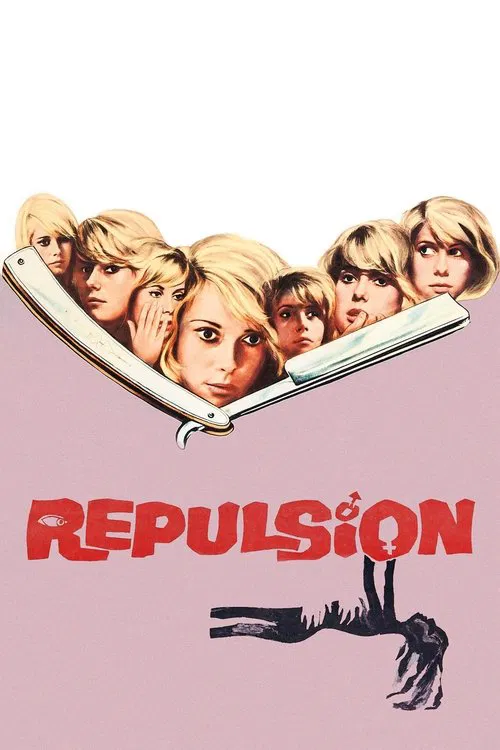
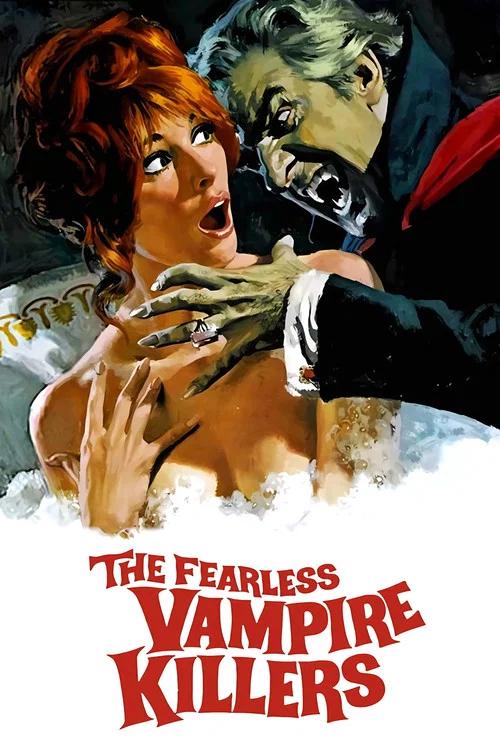
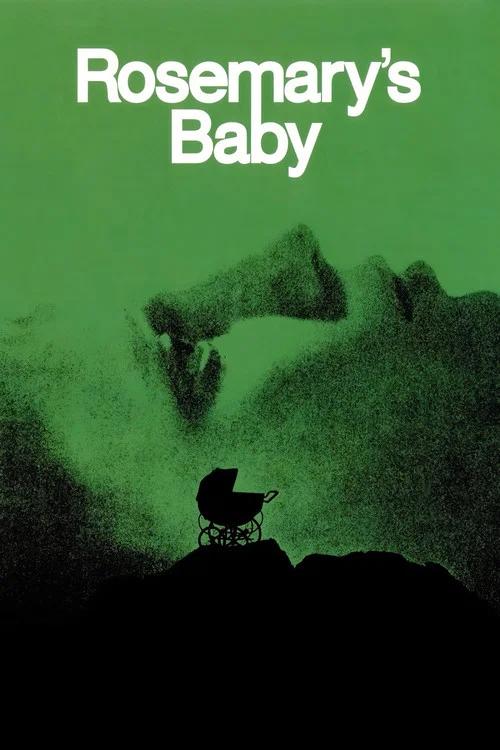
Roman Polanski directed Venus in Fur, released in 2013. CineCode also covers Repulsion (1965), The Fearless Vampire Killers (1967), Rosemary's Baby (1968), Chinatown (1974), The Tenant (1976), Frantic (1988).
What films are similar to Venus in Fur?
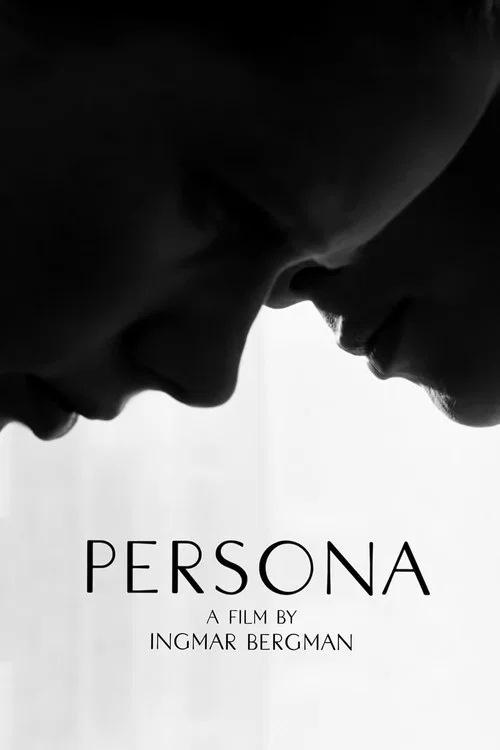
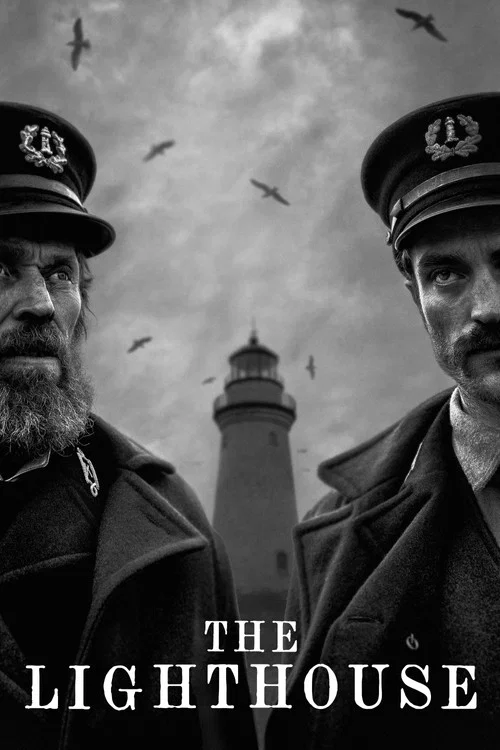
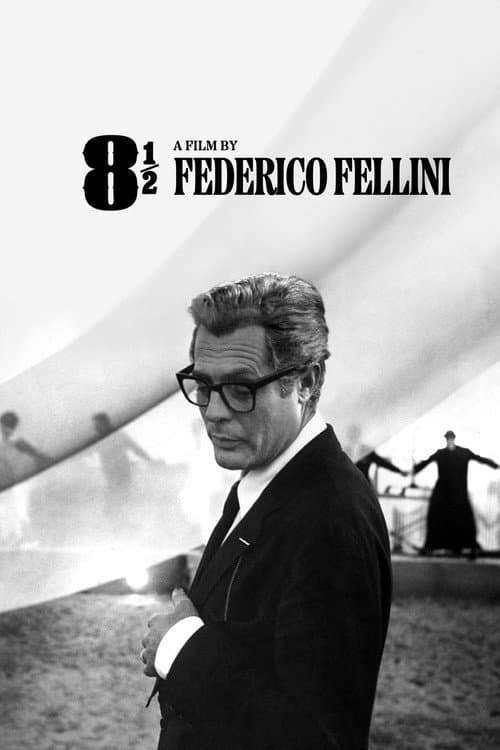
Films that share techniques with Venus in Fur include The Lighthouse (2019), 8½ (1963), Ex Machina (2014), Persona (1966).

Side by side

Compare it with