Cinematography technique · used in 16 films

Black-and-White as Moral Urgency

Choosing to shoot in black and white to take away the comfort and pleasure of color. The film feels more serious, and you watch as a witness.

Examples

16 films that use it

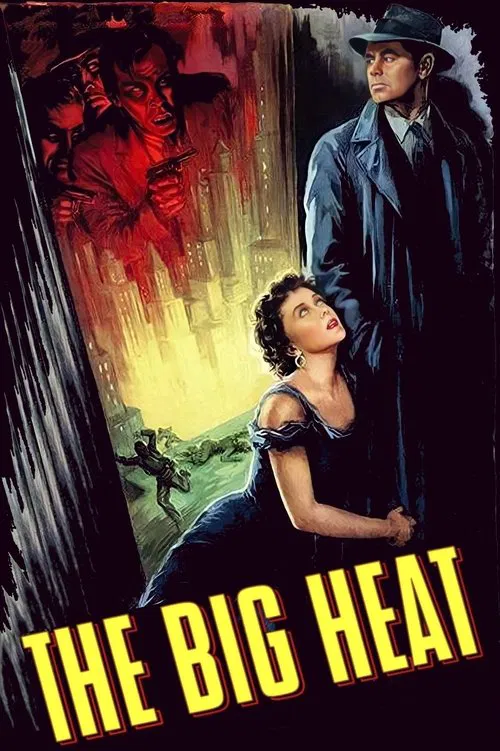
  1. The Big Heat (1953) poster

    The Big Heat

    Fritz Lang · 1953

    The black-and-white photography is stark and hard. Without color, the violence looks blunt and unglamorous, and the Library of Congress calls the style stylized and brutally realistic.

    Where to see it: The syndicate scenes: plain, high-contrast frames make the crimes feel like facts, not entertainment.
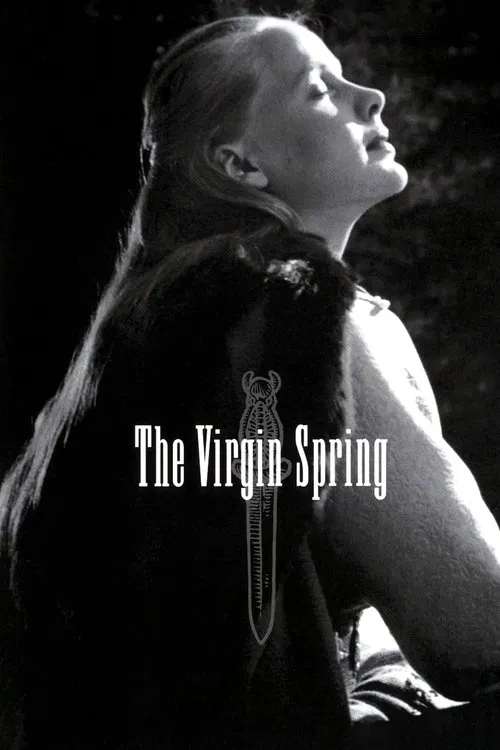
  2. The Virgin Spring (1960) poster

    The Virgin Spring

    Ingmar Bergman · 1960

    Sven Nykvist shot the film in black and white with natural-looking light, so the forest and the farm look plain and harsh. There is no color to make the setting pretty. You watch what happens as a witness.

    Where to see it: The forest ride: Karin rides to church with candles for the Virgin and shares her lunch with 3 herdsmen.

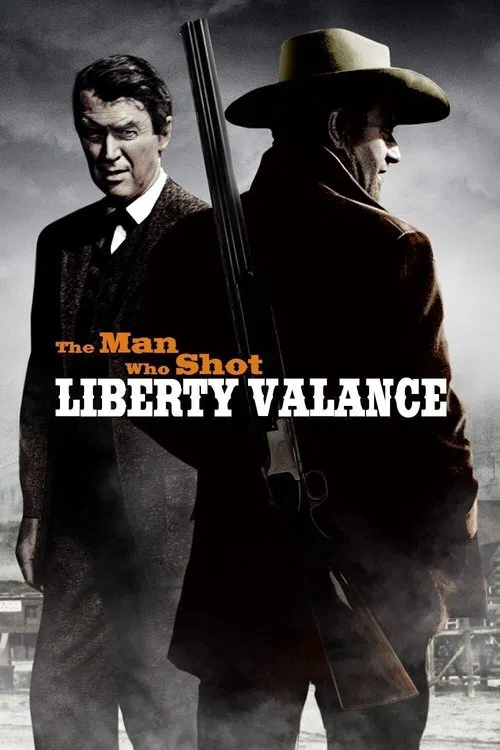
  3. The Man Who Shot Liberty Valance (1962) poster

    The Man Who Shot Liberty Valance

    John Ford · 1962

    Ford shot a Western in black and white on soundstages, and the choice gives the film a grittier, less romantic look. Without the golden desert light, the story feels more like a moral argument than a postcard.

    Where to see it: Valance's showdown: Stoddard goes after Valance, is disarmed, then retrieves his gun and kills him.

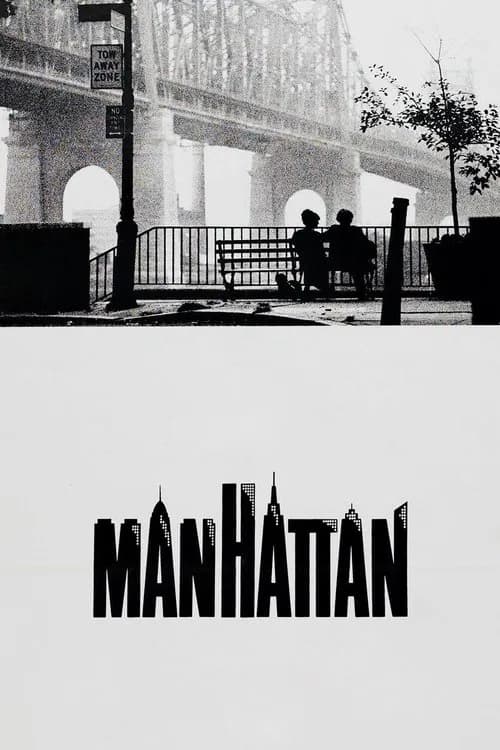
  4. Manhattan (1979) poster

    Manhattan

    Woody Allen · 1979

    Gordon Willis shoots Manhattan in black-and-white Panavision, the format that makes New York look like its own legend. The choice shows the film's love for the city. It also raises the question of whether beauty can make up for moral failure.

    Where to see it: The opening Gershwin montage. Manhattan's landmarks are shot in Willis's deep-shadow black-and-white. The city is so beautiful that Isaac's voiceover, where he keeps correcting himself, seems beside the point at first. Then it seems like exactly the point.

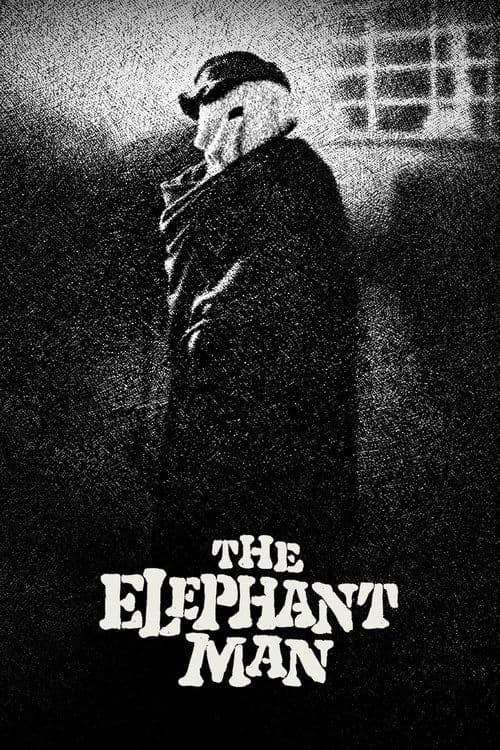
  5. The Elephant Man (1980) poster

    The Elephant Man

    David Lynch · 1980

    Lynch and cinematographer Freddie Francis shoot in black-and-white so the film looks like Victorian photography and early cinema. Those are the media that recorded Merrick's world. Alongside that, the lack of color stops the film from turning him into a spectacle. The film can't be pretty in the usual sense, and Lynch wants it that way.

    Where to see it: The opening sequence. The surreal black-and-white images of Merrick's mother set the film's tone and give it the stark look of Victorian photography.

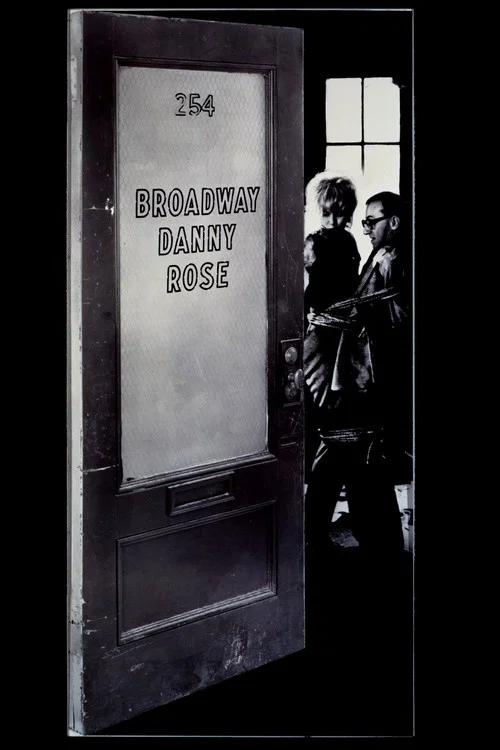
  6. Broadway Danny Rose (1984) poster

    Broadway Danny Rose

    Woody Allen · 1984

    Gordon Willis shot the film in black and white. Critics noted a harsh look. It strips the glamour from small clubs and fringe acts. You see the loneliness under the comic gags.

    Where to see it: The Waldorf Astoria show. Lou Canova, the singer Danny sobered up, gets his big break, and the black-and-white image makes the glamour look thin.

  7. Wings of Desire (1987) poster

    Wings of Desire

    Wim Wenders · 1987

    The angels see the world in black and white. It looks beautiful and eternal, but they can't feel anything in it. When Damiel becomes human, the film switches to color. From then on, color means being alive, which includes suffering and feeling warmth.

    Where to see it: Damiel's fall into mortality. Color floods the image. The black and white of the angels' watching gives way to the deep red of his first mortal blood.

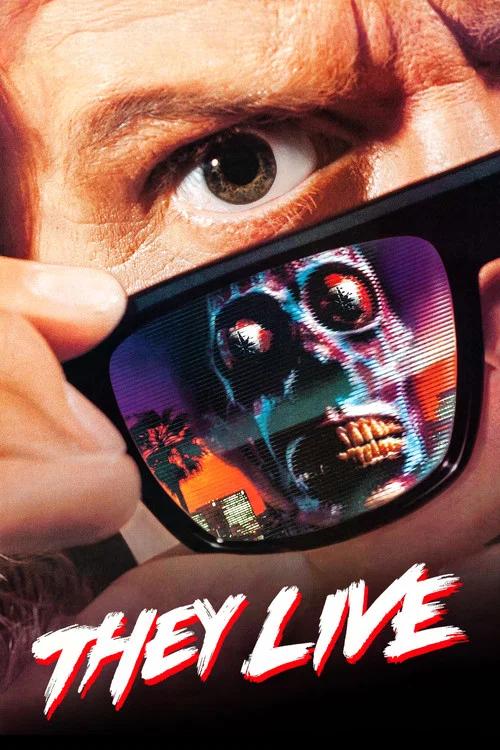
  8. They Live (1988) poster

    They Live

    John Carpenter · 1988

    Through the sunglasses, the world turns black and white and the hidden messages appear. The missing color strips away the glossy look of ads and the comfort of everyday life. You see the same street as stark orders, which feels like someone pulled off a mask.

    Where to see it: The first look: Nada puts on the sunglasses and sees the world as a monochrome place full of subliminal messages telling people to consume and conform. He also sees that many people are ghoulish aliens.

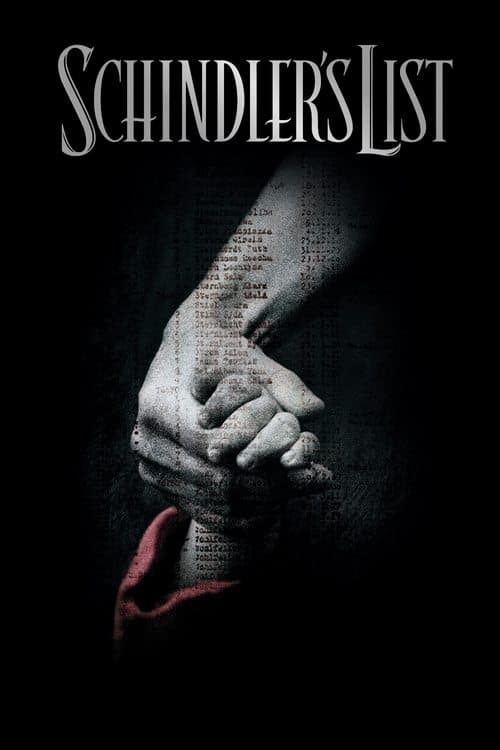
  9. Schindler's List (1993) poster

    Schindler's List

    Steven Spielberg · 1993

    Janusz Kamiński and Spielberg shot almost the entire film in black and white despite pressure to use color. That makes it look like the historical record (newsreels and photographs). The choice insists that you treat the film as a record too.

    Where to see it: The opening shift from color to black and white as the candle flame dies. This is the film telling you how it is going to look and feel.

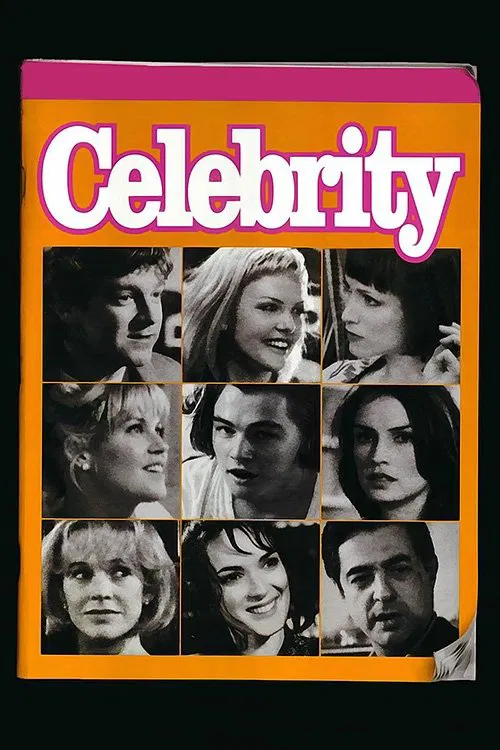
  10. Celebrity (1998) poster

    Celebrity

    Woody Allen · 1998

    Sven Nykvist shot the film in black and white on location in New York. You can read the black and white as giving the film an old-fashioned seriousness. It also drains the shine from the celebrity world it satirizes.

    Where to see it: The film premiere. Robin runs into Lee there at the end, in the same world he has been chasing.

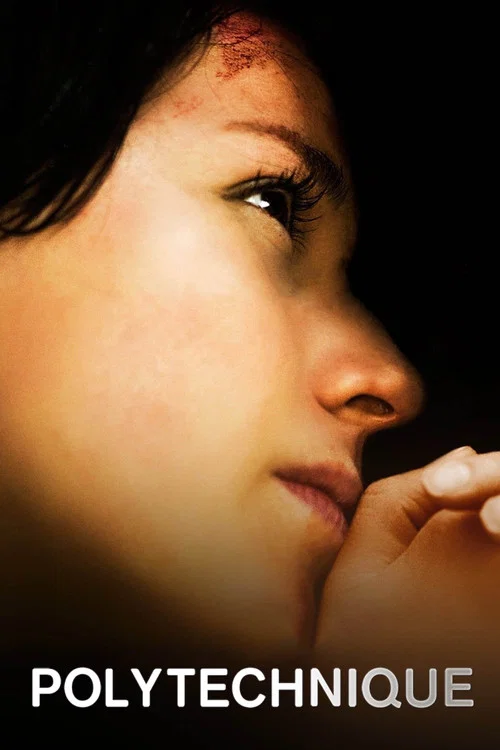
  11. Polytechnique (2009) poster

    Polytechnique

    Denis Villeneuve · 2009

    Villeneuve shot in black and white, with Pierre Gill as cinematographer. He has said the choice was partly to avoid showing blood on screen. The grey images remove any comfort from the violence, and you watch as a witness.

    Where to see it: The classroom. The gunman orders the men out and keeps the women, then fires into the ceiling to show he is serious before he shoots them.

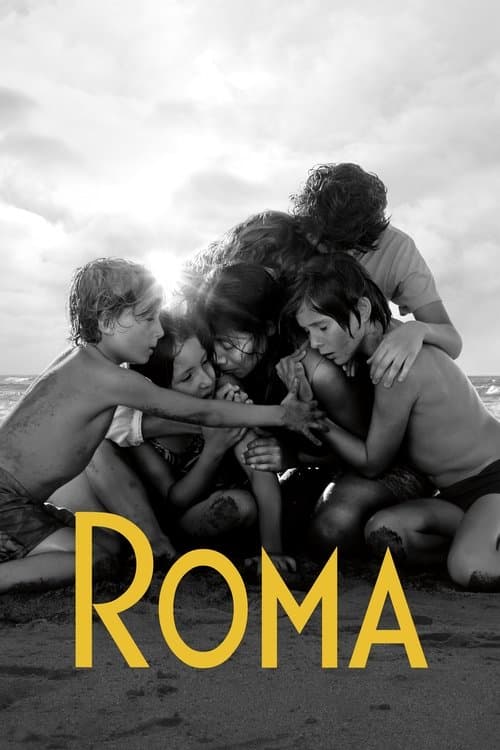
  12. Roma (2018) poster

    Roma

    Alfonso Cuarón · 2018

    Cuarón shoots in black and white, so you can't easily rank the family's world above Cleo's. Color would mark social status through the family's fashionable clothes and Cleo's work uniform. Without it, both worlds sit in the same range of grays. The image treats them as equals, even though the society in the film does not.

    Where to see it: The opening courtyard sequence. The soapy water reflects the sky. For a moment, the black and white puts housework and outer space on the same level.

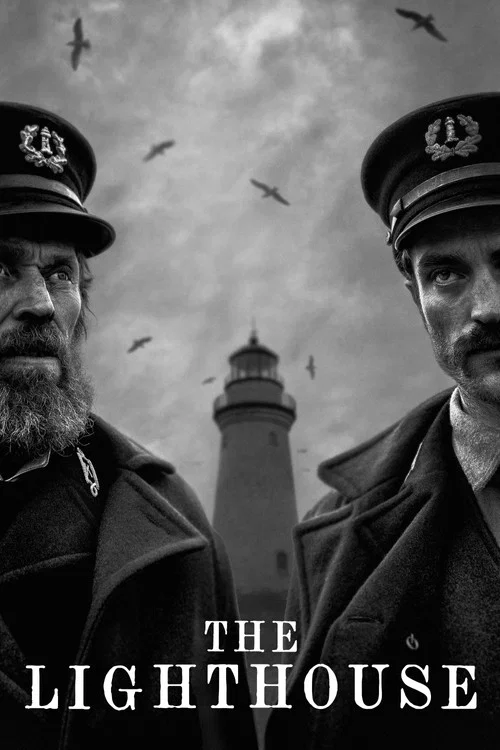
  13. The Lighthouse (2019) poster

    The Lighthouse

    Robert Eggers · 2019

    Eggers shoots in black and white with a near-square 1.19:1 aspect ratio, the format of early sound films from the late 1920s and early 1930s. The black and white moves the film away from everyday realism and into the tone of a fable. The events play as a clash of basic forces, and you stop reading them as a psychological case study.

    Where to see it: The establishing shots of the lighthouse against storm clouds. The format gives the film the feel of a myth. The frame shape makes the rock and the tower feel timeless.

  14. Belfast (2021) poster

    Belfast

    Kenneth Branagh · 2021

    Haris Zambarloukos shoots Belfast's past in high-contrast black-and-white. The childhood memories end up looking like treasured photographs and like war documentary, so they feel tender and unstable at once.

    Where to see it: The film's opening sequence. It is shot in saturated color and drops to black-and-white the moment it steps into the past, so the color change works as a doorway into memory.

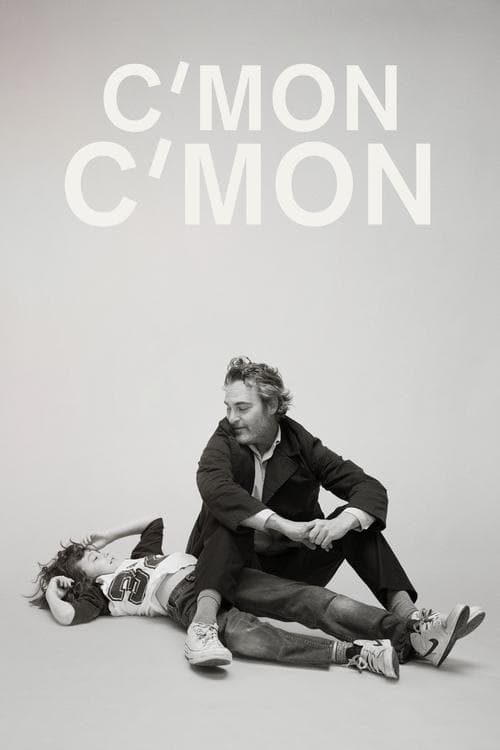
  15. C'mon C'mon (2021) poster

    C'mon C'mon

    Mike Mills · 2021

    Robbie Ryan shoots in black-and-white so that color can't distract you from the emotions. With no color, you pay attention to faces, to how well people listen and to how the relationship feels. The surroundings stay in the background.

    Where to see it: Johnny and Jesse walking through New Orleans. In black-and-white, the city becomes a textured backdrop. All your attention goes to the 2 faces moving through it.

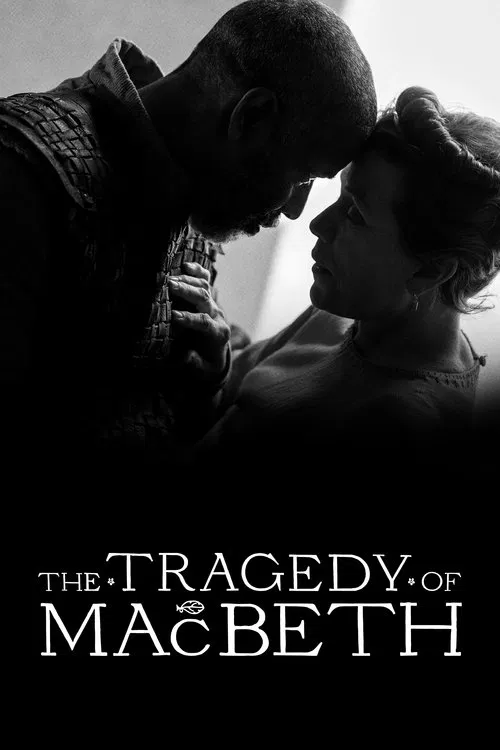
  16. The Tragedy of Macbeth (2021) poster

    The Tragedy of Macbeth

    Joel Coen · 2021

    The film is black and white and uses a boxy 1.37:1 frame. Without color, the story feels like a fable about guilt. You look at faces and shapes with nothing to soften them.

    Where to see it: The banquet: Macbeth is tormented at the banquet by Banquo's apparition.

Questions

Quick answers

What is black-and-white as moral urgency in film?
Choosing to shoot in black and white to take away the comfort and pleasure of color. The film feels more serious, and you watch as a witness.
Which films use black-and-white as moral urgency?
The Big Heat (1953), The Virgin Spring (1960), The Man Who Shot Liberty Valance (1962), Manhattan (1979), The Elephant Man (1980), Broadway Danny Rose (1984) and 10 more films in the CineCode library.
What kind of technique is black-and-white as moral urgency?
It is a cinematography technique. Related cinematography techniques include Isolated Color Insert, Chiaroscuro Lighting, Handheld Cinema Vérité.