Psychology technique · used in 51 films

Unreliable Reality

Keeping it unclear what is real and what is imagined in the film's world. You end up as unsure as the main character.

Examples

51 films that use it

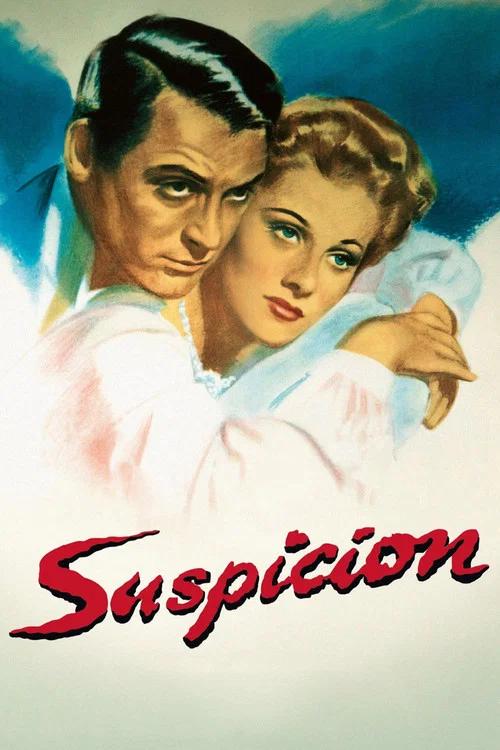
  1. Suspicion (1941) poster

    Suspicion

    Alfred Hitchcock · 1941

    Lina's fear colors what you see. A word game and a flyer turn into pictures of murder, and the film never lets you check them against the facts. You end up as unsure as she is about what is real.

    Where to see it: The anagram game. Lina changes the letters from 'mudder' to 'murder' to 'murderer', then looks at a flyer for a cliff and sees two silhouettes, one pushing the other over.

  2. The Seven Year Itch (1955) poster

    The Seven Year Itch

    Billy Wilder · 1955

    Richard hears that his wife is spending time with a hunky writer in Maine, and he pictures an affair. His panic colors what you see, so you are never fully sure how much is happening and how much is his imagining.

    Where to see it: The morning after: Richard argues with and attacks the man he imagined was having an affair with his wife in Maine, then comes to his senses.

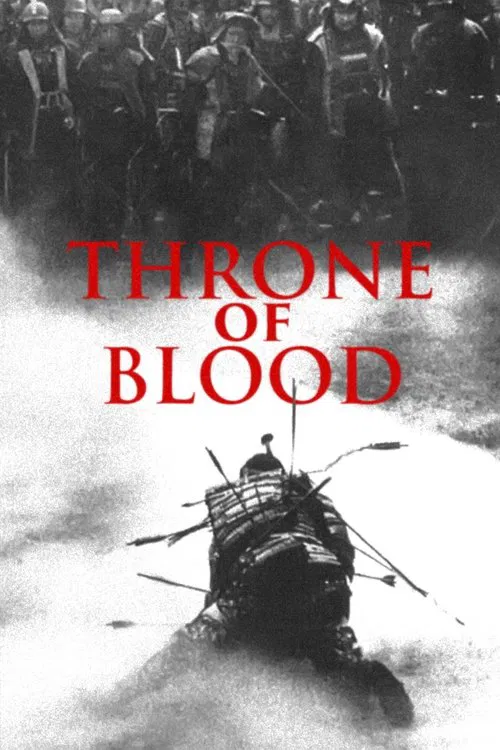
  3. Throne of Blood (1957) poster

    Throne of Blood

    Akira Kurosawa · 1957

    The film shows you Miki's ghost sitting at the banquet as clearly as any living guest. Then the seat is empty and Washizu is slashing at nothing in front of his court. You saw what he saw, so his guilt pulls you in with him.

    Where to see it: The banquet. A drunk Washizu sees the murdered Miki in his seat, draws his sword and gives himself away in front of everyone.

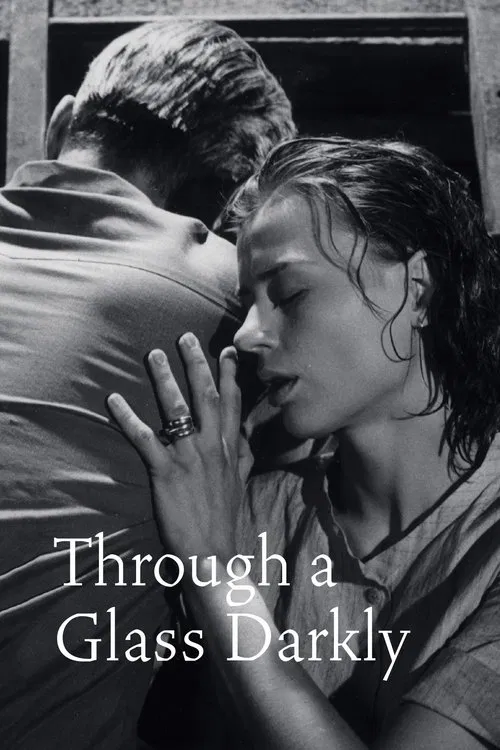
  4. Through a Glass Darkly (1961) poster

    Through a Glass Darkly

    Ingmar Bergman · 1961

    Karin hears voices and sees things that no one else can. You are never sure which are symptoms and which are real, and her family cannot tell either. By the end you share her confusion.
    Where to see it: The attic: Karin hears voices, follows a foghorn to the attic and faints.

  5. 8½ (1963) poster

    8½

    Federico Fellini · 1963

    At any moment, what you're seeing could be Guido's memory, his fantasy, his anxiety or what is really happening. Fellini gives you no reliable signal when he moves between them. The film is about a man who can't separate his imagination from reality. It shows you that in the story, and it also makes you feel it through the way it is put together.
    Where to see it: The screen test sequence. The actors are real and the procedures for the film inside the film are real. Even so, it feels like Guido's imagination and nothing like a documentary.
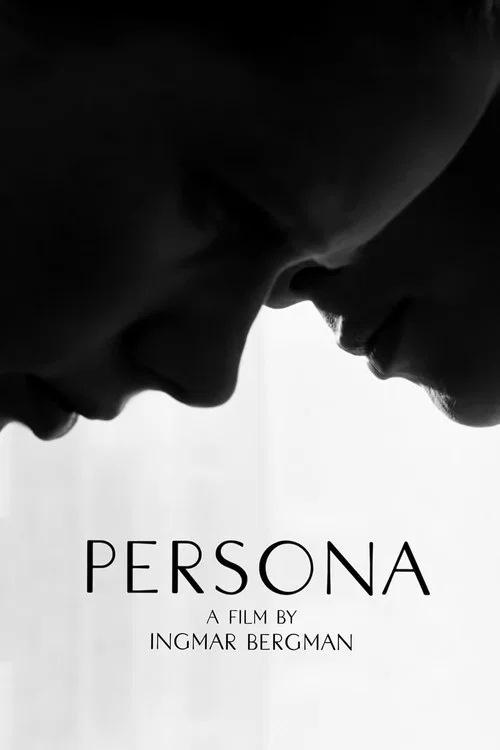
  6. Persona (1966) poster

    Persona

    Ingmar Bergman · 1966

    A key scene in Persona repeats from 2 points of view. At the midpoint, the film strip itself seems to break. Bergman gives you no key for sorting any of this out. The film is about a reality you can't trust, and no solution is waiting behind it.

    Where to see it: The repeated motherhood monologue. It plays twice in full, once with the camera on each woman. Bergman won't choose between the versions.

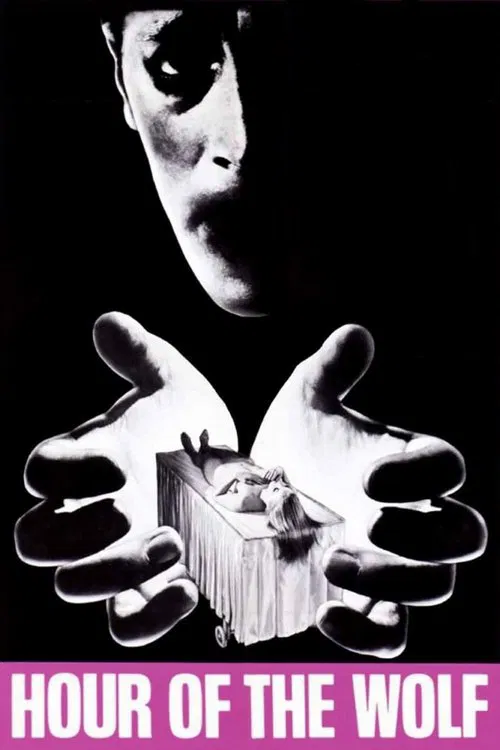
  7. Hour of the Wolf (1968) poster

    Hour of the Wolf

    Ingmar Bergman · 1968

    You cannot tell what is happening in the room and what is happening in Johan's head. Alma sees the attacks too, which only makes it more confusing. The film never settles the question.

    Where to see it: Veronica sits up: Johan finds Veronica apparently dead, and she suddenly sits up and laughs.

  8. Fellini Satyricon (1969) poster

    Fellini Satyricon

    Federico Fellini · 1969

    Scenes shift without warning and rarely explain themselves. You never feel sure what is real and what is a hallucination.

    Where to see it: Encolpius's pursuit: he moves through Rome as if through a dream, and no scene settles the rules.

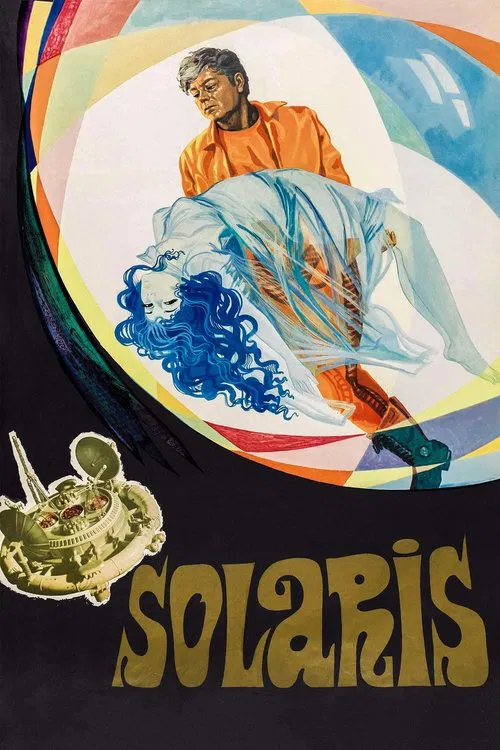
  9. Solaris (1972) poster

    Solaris

    Andrei Tarkovsky · 1972

    The crew explains that the visitors are built from their own memories. So you cannot tell what is real, what is a copy and what is a memory. Kelvin cannot either.

    Where to see it: The second visit. Hari reappears in Kelvin's quarters after he has launched the first copy of her into space.

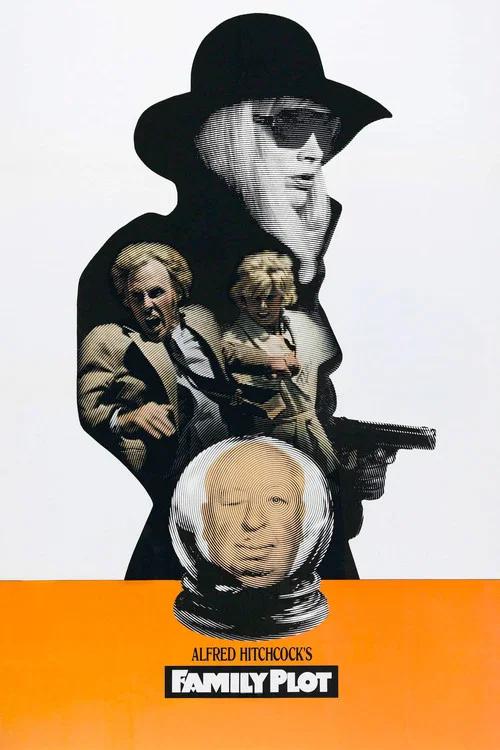
  10. Family Plot (1976) poster

    Family Plot

    Alfred Hitchcock · 1976

    Blanche is a fraud, but she appears to enter a real trance and finds the diamond. George tells her she is a real psychic. The film never settles whether the trance is real.

    Where to see it: The trance. Blanche walks out of the basement, climbs the stairs, points to the diamond and then 'wakes' asking what happened.

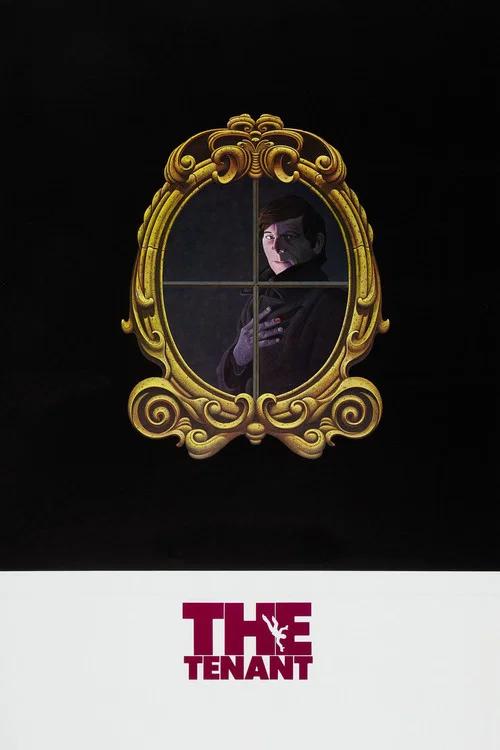
  11. The Tenant (1976) poster

    The Tenant

    Roman Polanski · 1976

    The film gives Trelkovsky visions of neighbors playing football with a human head and hieroglyphs covering the toilet walls. You cannot tell if these are real or a fever dream. The doubt is what keeps the plot unsettled.

    Where to see it: The visions: Trelkovsky sees his neighbors playing football with a human head and finds hieroglyphs in the toilet.

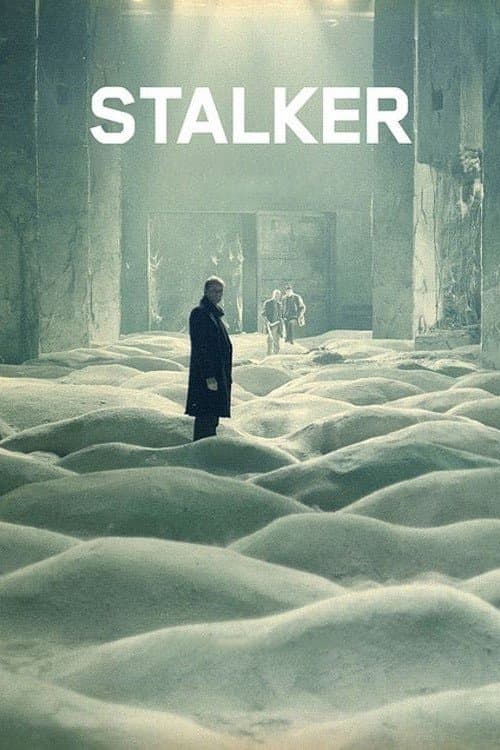
  12. Stalker (1979) poster

    Stalker

    Andrei Tarkovsky · 1979

    The Zone's rules contradict each other and change without explanation. Paths that were safe become deadly, the direct route is forbidden and the Stalker treats the Zone as a living thing. No one can check whether the Zone really has supernatural properties. It's possible the Stalker has laid a mythology over a contaminated industrial wasteland. Tarkovsky never settles this, and that uncertainty about the Zone is the film's argument.

    Where to see it: The Stalker's explanation of the Zone's rules. None of the rules can be verified. Their authority rests entirely on faith in the guide.

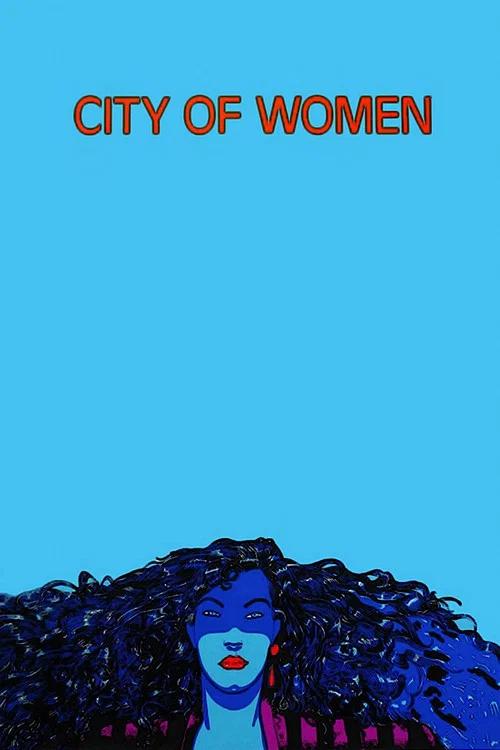
  13. City of Women (1980) poster

    City of Women

    Federico Fellini · 1980

    Snaporaz follows a woman off a train, and the film keeps slipping between hotel, mansion and nightmare. At the end, you learn it was a dream.

    Where to see it: The balloon: Snaporaz climbs a boxing ring toward a balloon shaped like Donatella, who shoots it down before he wakes.

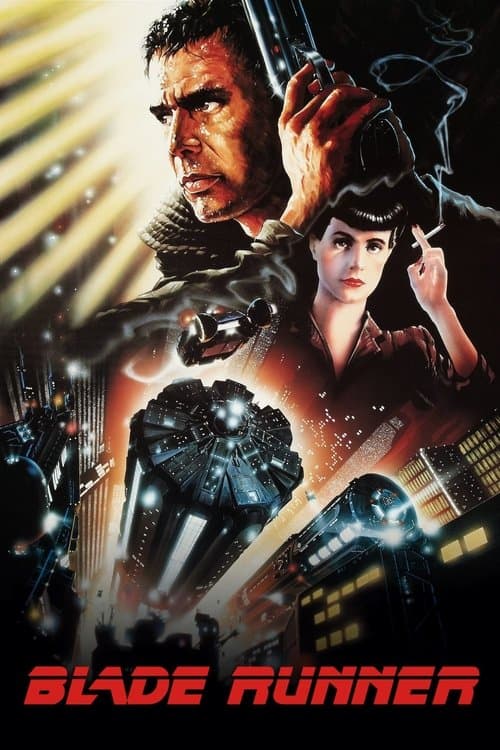
  14. Blade Runner (1982) poster

    Blade Runner

    Ridley Scott · 1982

    Whether Deckard is a replicant is the film's central question, and it can't be answered. It hangs on the unicorn dream, which is either his own or planted in his head. Scott's director's cut removes the voiceover that tied the film to Deckard's point of view, and that puts the reality of the whole film in doubt. I feel like the film's power can't be separated from the fact that you can't settle it.

    Where to see it: The origami unicorn. Gaff leaves proof that he knows Deckard's private dream, and the film's reality collapses in a final corridor.

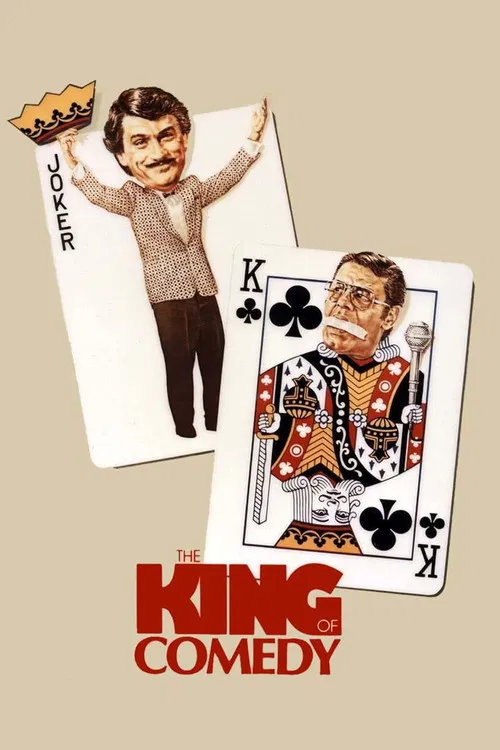
  15. The King of Comedy (1982) poster

    The King of Comedy

    Martin Scorsese · 1982

    Rupert lives half in fantasy. In his basement he talks to cutouts of stars, and the film cuts between his imagined talk with Jerry and the real one. By the end, you cannot tell if his fame is real or another daydream.

    Where to see it: Rupert's basement: he talks to life-size cutouts, and the film cuts between the real talk and his imagined version.

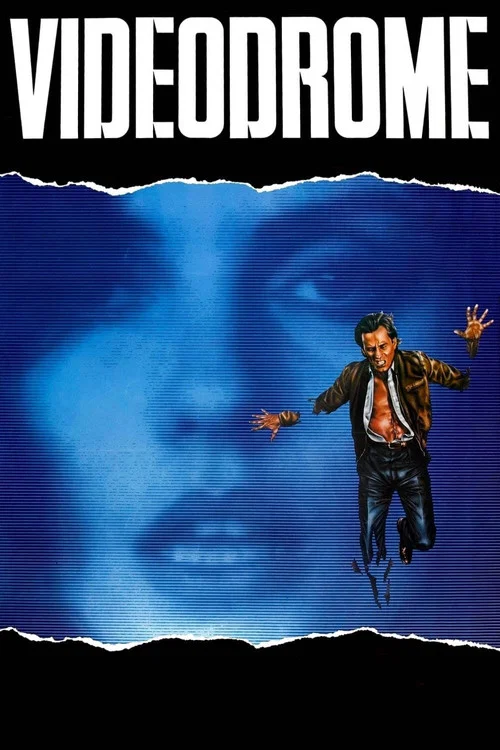
  16. Videodrome (1983) poster

    Videodrome

    David Cronenberg · 1983

    Once the signal gets into Max, the film stops telling you which scenes are hallucinations. Events that look impossible have real consequences, and ordinary scenes feel just as suspect. You end up as unsure as Max about what is happening to him.

    Where to see it: The Betamax tape: Barry Convex pushes a tape into the slit in Max's torso and programs him to kill.

  17. A Passage to India (1984) poster

    A Passage to India

    David Lean · 1984

    Adela goes into a cave alone and comes out dishevelled and delirious, and the film never shows what happened inside. You have to decide for yourself what was real. Her own certainty slips later.

    Where to see it: Adela leaves the cave. She flees the scene, and Aziz is arrested.

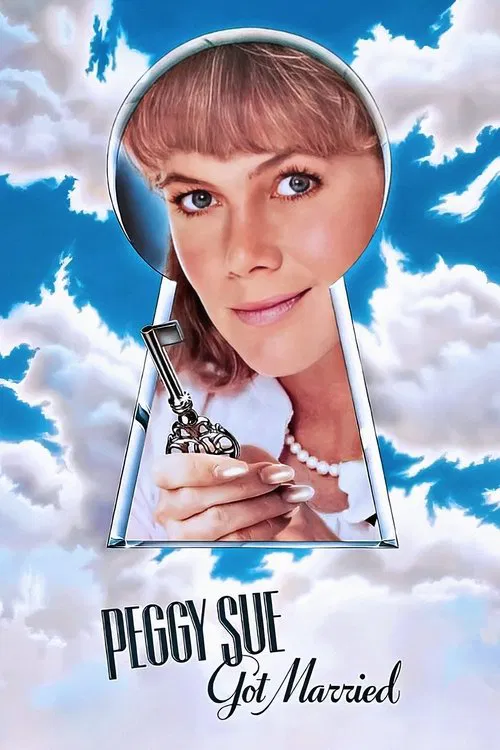
  18. Peggy Sue Got Married (1986) poster

    Peggy Sue Got Married

    Francis Ford Coppola · 1986

    The film never fully answers whether her trip was real. She wakes in a hospital in 1985, and a book dedication to 'a starry night' hints it happened. You are left to decide whether it was a dream or a second chance.

    Where to see it: The ending. Peggy Sue wakes in a hospital in 1985, and Michael's book carries a dedication that suggests her trip was real.

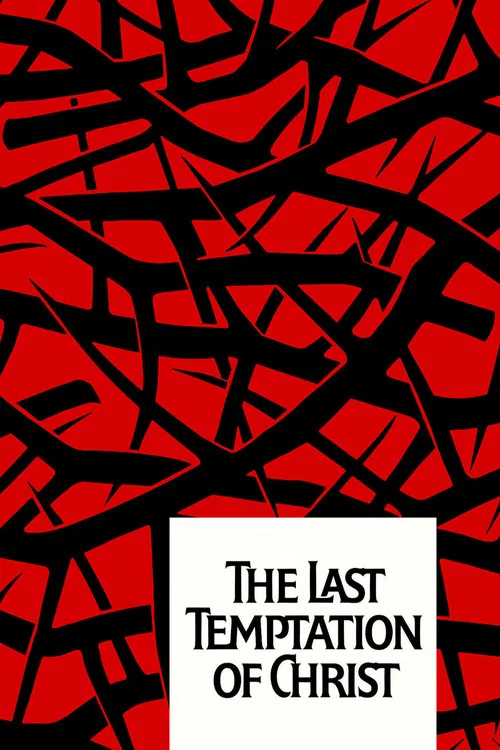
  19. The Last Temptation of Christ (1988) poster

    The Last Temptation of Christ

    Martin Scorsese · 1988

    On the cross, a girl who claims to be his guardian angel takes him down and gives him an ordinary life with Mary Magdalene and a family. The film shows it as real for long stretches. You cannot tell if it is a dream or a gift until the film tells you.

    Where to see it: The angel's offer: a young girl takes Jesus down from the cross and leads him to Mary Magdalene, whom he marries.

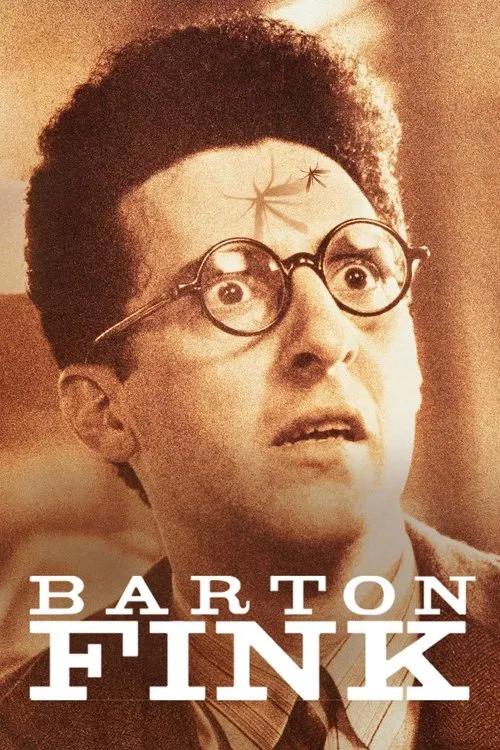
  20. Barton Fink (1991) poster

    Barton Fink

    Joel Coen, Ethan Coen · 1991

    After the killings and the fire, the film never says what is in the box Charlie leaves behind. Barton's hotel feels more and more like a nightmare, and the ending leaves you unsure what actually happened. You are as confused as he is.

    Where to see it: The ending on the beach. Barton, still holding the box, meets a woman who looks like the one in the painting in his room, and she takes the same pose.

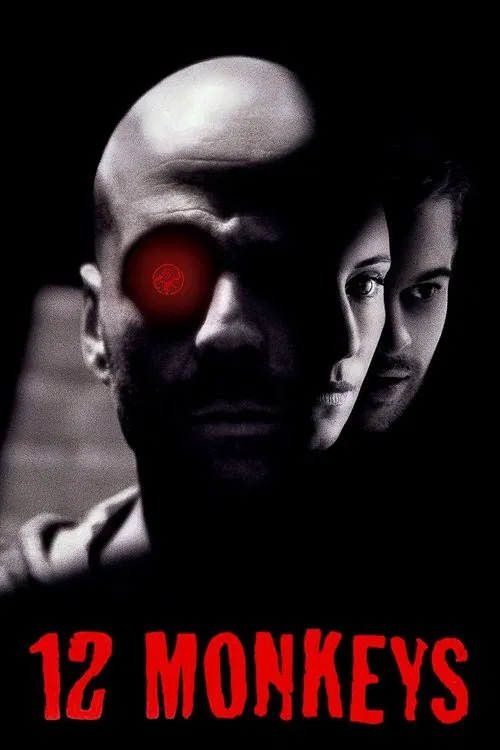
  21. Twelve Monkeys (1995) poster

    Twelve Monkeys

    Terry Gilliam · 1995

    Doctors in 1990 listen to Cole describe a plague and a future and treat him as delusional. Even Dr. Railly, who later helps him, has to ask whether he is mad. You stay unsure whether he is a time traveler or a man who invented the future.

    Where to see it: The psychiatric hospital in Baltimore. Cole tells the doctors he comes from the future, and they commit him.

  22. Perfect Blue (1997) poster

    Perfect Blue

    Satoshi Kon · 1997

    Kon cuts smoothly between Mima's actual life, her acting on a TV crime drama and her hallucinations. You can't tell which of the 3 is real until the film decides to show you.

    Where to see it: The filming of the rape scene on set. It blurs into Mima's traumatized point of view, so the cut to 'action' leaves you dizzy.

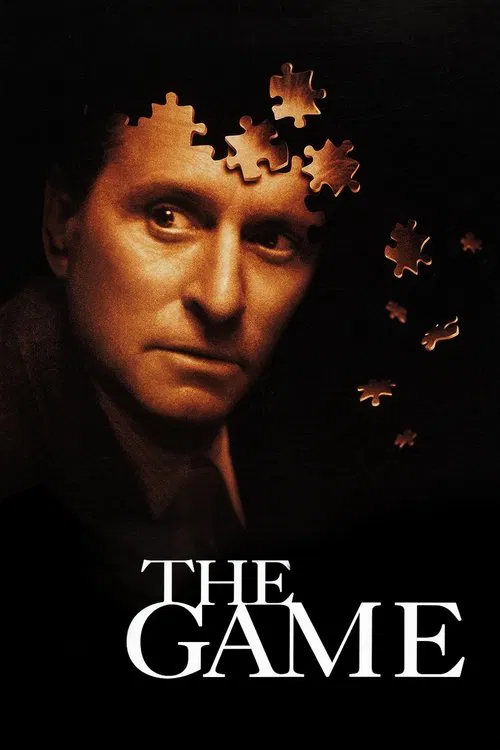
  23. The Game (1997) poster

    The Game

    David Fincher · 1997

    Strange things pile up: a wooden clown in the driveway, a news anchor who says he is being watched and a waitress who seems placed near him. Nicholas, and you, cannot tell which events belong to the game and which are real. Even his brother's fear could be an act.

    Where to see it: The news anchor. Nicholas watches TV and the anchor tells him he is being watched.

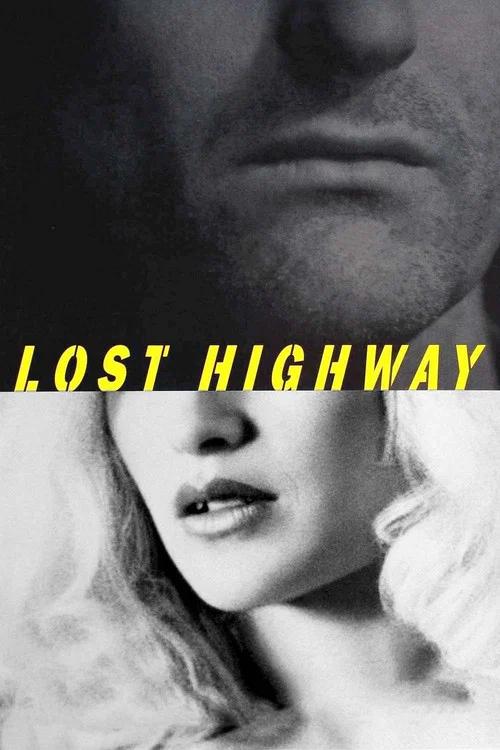
  24. Lost Highway (1997) poster

    Lost Highway

    David Lynch · 1997

    You can't tell whether Fred is really sent to death row, imagining another life or both. Lynch never says. He lets the film leave you as lost as Fred is.

    Where to see it: Fred on death row. He has headaches and visions of a pale man, then he is replaced in his cell by Pete.

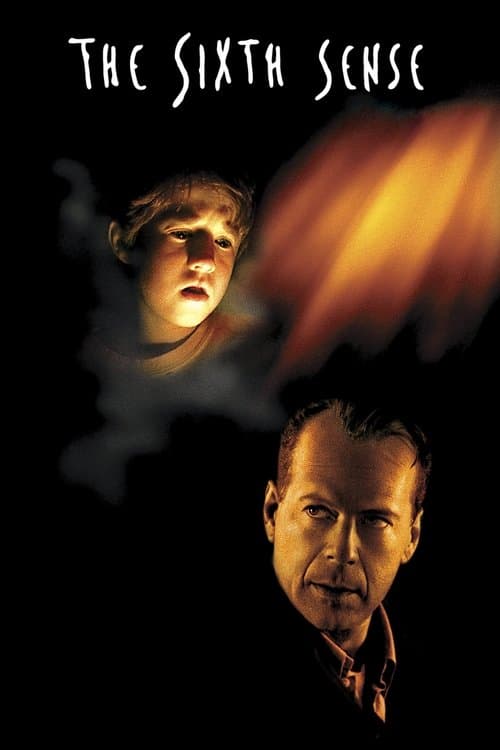
  25. The Sixth Sense (1999) poster

    The Sixth Sense

    M. Night Shyamalan · 1999

    The film shows Malcolm's reality as continuous and easy to check. He goes places, meets people and has conversations. The reveal shows that part of that reality was made up. What you took for the film's solid, everyday world was haunted the whole time. The film kept that truth from you by controlling very precisely what it showed.

    Where to see it: The anniversary dinner scene. Malcolm speaks to Anna and Anna does not respond. After the reveal, you read the scene as something completely different from what it looked like.

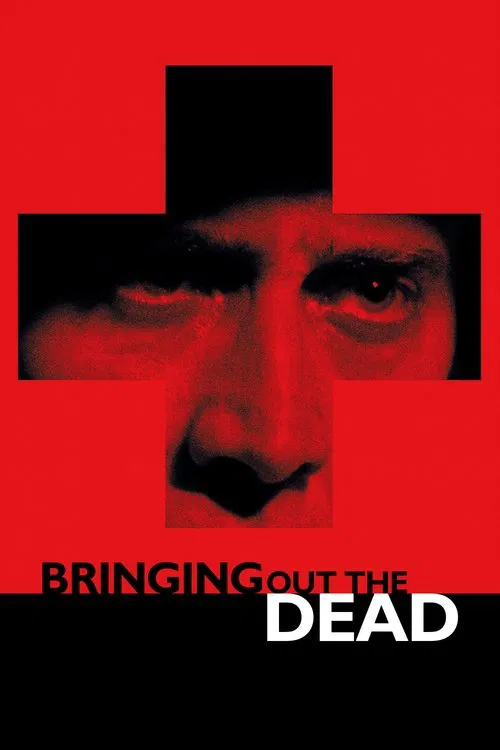
  26. Bringing Out the Dead (1999) poster

    Bringing Out the Dead

    Martin Scorsese · 1999

    Frank sees Rose, a girl he lost, and faces of the dead on the street. After taking pills at a drug den, his visions get worse. You cannot always say what he sees and what he imagines.

    Where to see it: Rose's ghost: Frank blames himself for her death and sees her again and again.

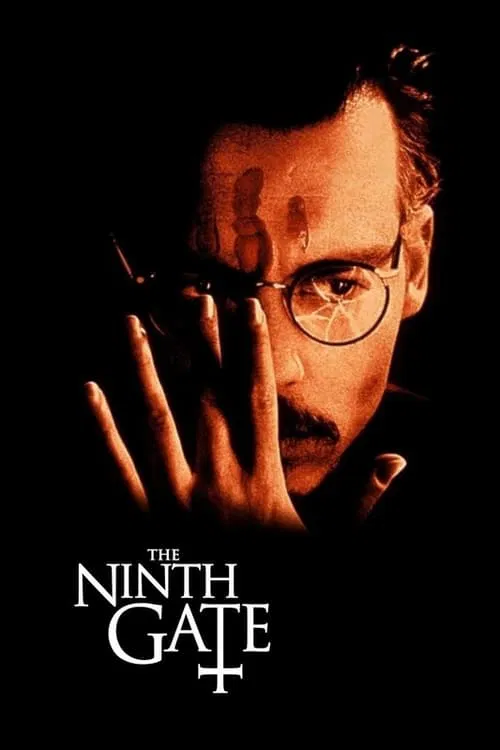
  27. The Ninth Gate (1999) poster

    The Ninth Gate

    Roman Polanski · 1999

    Green Eyes turns up wherever Corso goes, and she seems to have powers that no ordinary person has. The film never says what she is. Some viewers read her as an angel, others as a devil, and others as just a lucky coincidence.

    Where to see it: The Paris street: Corso is attacked outside Baroness Kessler's home and saved by Green Eyes, who shows what look like supernatural powers.

  28. The Beach (2000) poster

    The Beach

    Danny Boyle · 2000

    Richard slips out of the real world once he is isolated. He imagines he is in a video game and talks with the dead Daffy. You can no longer tell what is real, and neither can he.

    Where to see it: Jungle booby traps: After Françoise leaves him, an isolated Richard imagines he is inside a video game and talks with the dead Daffy while he sets traps in the jungle.

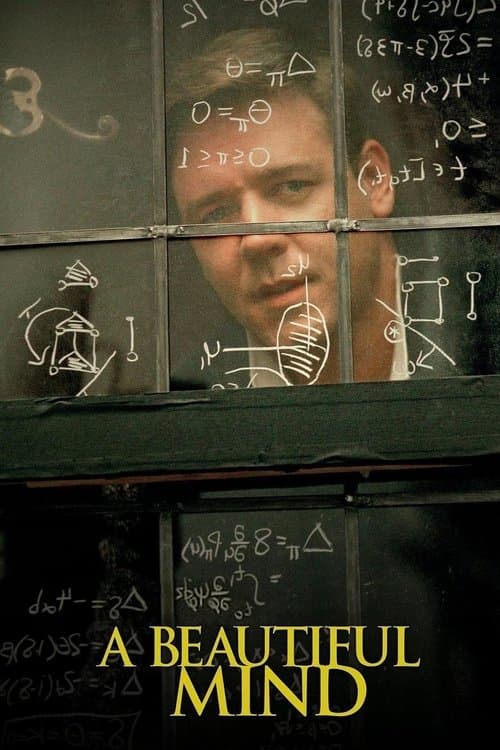
  29. A Beautiful Mind (2001) poster

    A Beautiful Mind

    Ron Howard · 2001

    Howard presents Nash's hallucinations (Parcher, Charles, Marcee) exactly the way he presents reality. They look just as real and the story treats them just as seriously. Nothing signals that you shouldn't trust them. When the film reveals they aren't real, you've been fully deceived alongside Nash, and you have to rethink everything you've seen.

    Where to see it: The revelation that Charles and Parcher do not exist. A single scene changes the meaning of the film's entire first act after the fact.

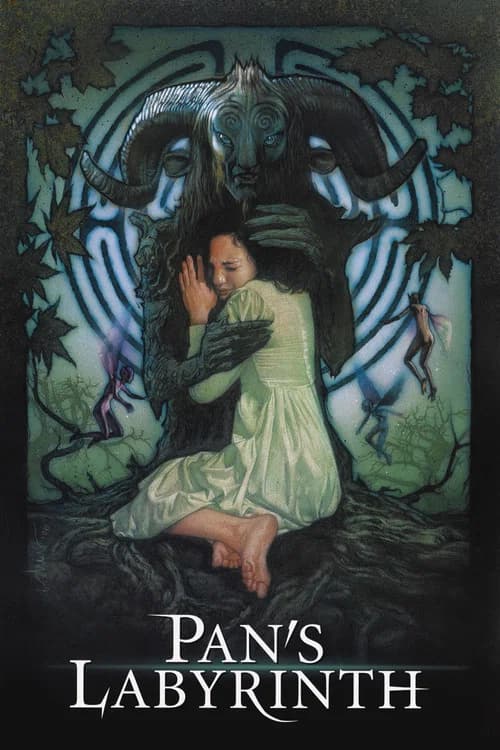
  30. Pan's Labyrinth (2006) poster

    Pan's Labyrinth

    Guillermo del Toro · 2006

    Del Toro gives you evidence for both readings throughout. The mandrake root seems to physically affect the Captain's wife, and Ofelia's death happens at the same moment as her fairy tale coronation. The film never confirms whether the underground kingdom is real. As cliche as it sounds, leaving it open is a moral stance. The fantasy is true whether or not it is real.

    Where to see it: The final sequence. Ofelia dies in the real world and is crowned in the fantasy world at the same time. The film leaves the link between the 2 worlds open on purpose.

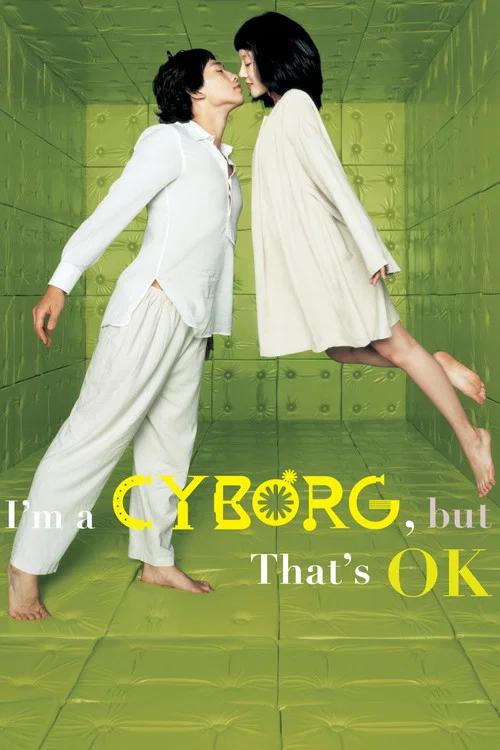
  31. I'm a Cyborg, But That's OK (2006) poster

    I'm a Cyborg, But That's OK

    Park Chan-wook · 2006

    Young-goon is sure she is a cyborg. She licks batteries, talks to machines and refuses to eat. The film shows the world the way she sees it, so you are never sure what is real.

    Where to see it: The scene where Young-goon cuts her wrist and plugs it into a power cord. It is the moment that lands her in the hospital.

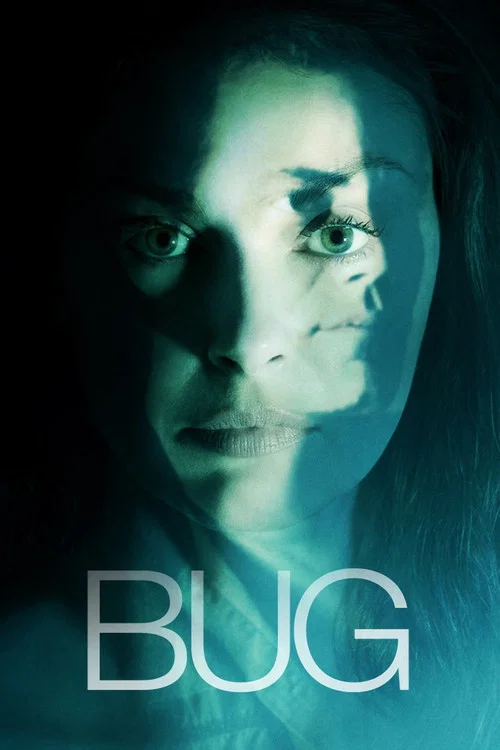
  32. Bug (2007) poster

    Bug

    William Friedkin · 2007

    The ending leaves it unclear what is real. Peter and Agnes set themselves on fire, and the epilogue shows the room undamaged. You are left unsure which version of events was true.

    Where to see it: The epilogue. Agnes's toys are intact and Dr. Sweet's body lies in the foil room, undamaged by fire.

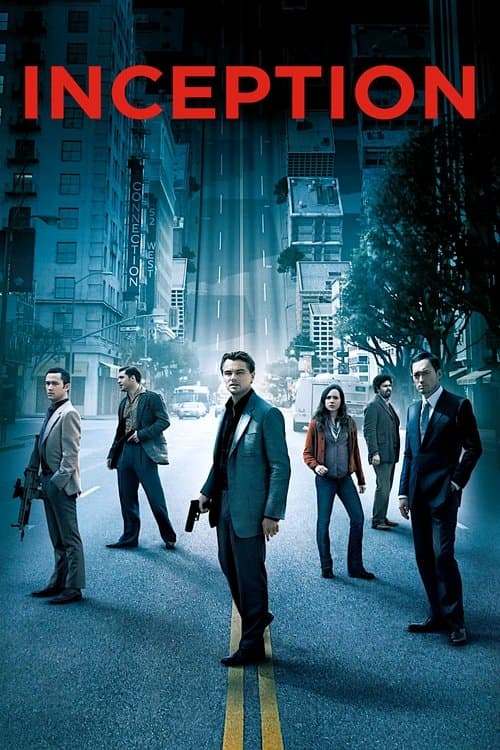
  33. Inception (2010) poster

    Inception

    Christopher Nolan · 2010

    The spinning top totem is introduced as a reliable test of what's real, but the final frame holds the answer back on purpose. You're left asking if the question even matters.

    Where to see it: The final shot of the film. The top is still spinning when the film cuts away.

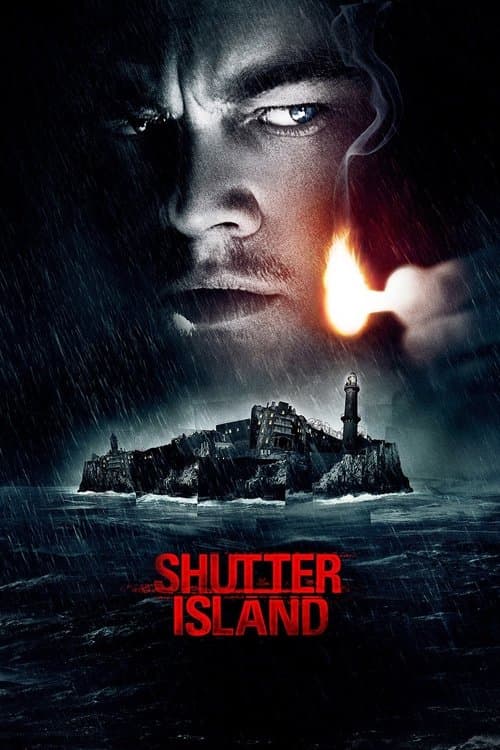
  34. Shutter Island (2010) poster

    Shutter Island

    Martin Scorsese · 2010

    Anything on Shutter Island could be something Teddy Daniels has made up: the other patients, the guards, the buildings, the storm. Scorsese makes the island itself feel wrong, from its scale and its light to how everyone on it behaves. The film is designed so you suspect things aren't real before Teddy does. Then it makes you doubt your own suspicion.

    Where to see it: The lighthouse interior. In this moment, the made-up reality and the actual one are both in front of you. You hold both in your head as the reveal arrives.

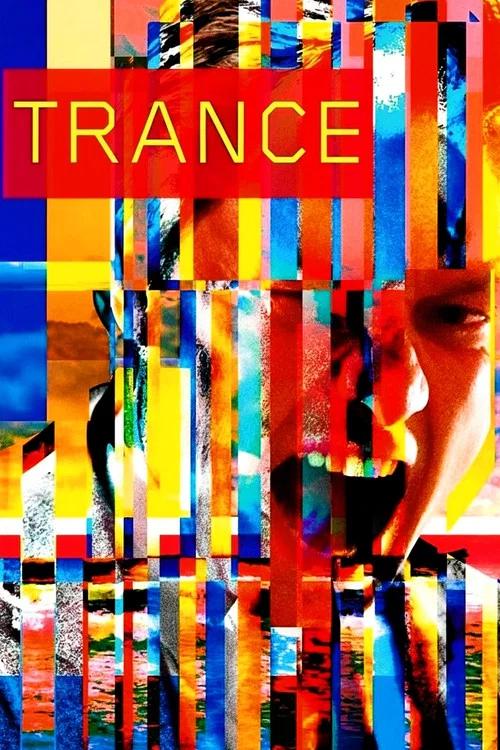
  35. Trance (2013) poster

    Trance

    Danny Boyle · 2013

    Simon's memory is damaged, and the hypnosis sessions blur what really happened with what Elizabeth puts in his head. In 1 session she builds an invented scenario where Franck wants to kill him. You stop knowing which memories belong to Simon.

    Where to see it: The fake-threat session. Elizabeth hypnotizes Simon with an invented story that Franck wants him dead, and it pushes him to reveal where the painting is.

  36. Venus in Fur (2013) poster

    Venus in Fur

    Roman Polanski · 2013

    Vanda seems unprepared, yet she knows the whole script, runs the theatre's lighting board and brings costumes that fit Thomas. The film never explains how. You decide whether she is a clever actress or something stranger.

    Where to see it: The lighting board: Vanda adjusts the theatre's light board without hesitation, though she has presumably never seen it, and brings out a full set of costumes.

  37. Ex Machina (2014) poster

    Ex Machina

    Alex Garland · 2014

    Every session between Caleb and Ava may be an act. Ava's shows of feeling may be strategy, and Nathan's drunkenness may be faked. Garland builds the film so you can't work out which moments are genuine and which are set up. I feel like that is what the Turing test really implies. If you can't tell a consciousness from a simulation of one, it is real for all practical purposes.

    Where to see it: The power cut sequences. In these moments, the surveillance goes down and something different may be happening. You can no longer check what is real in the film.

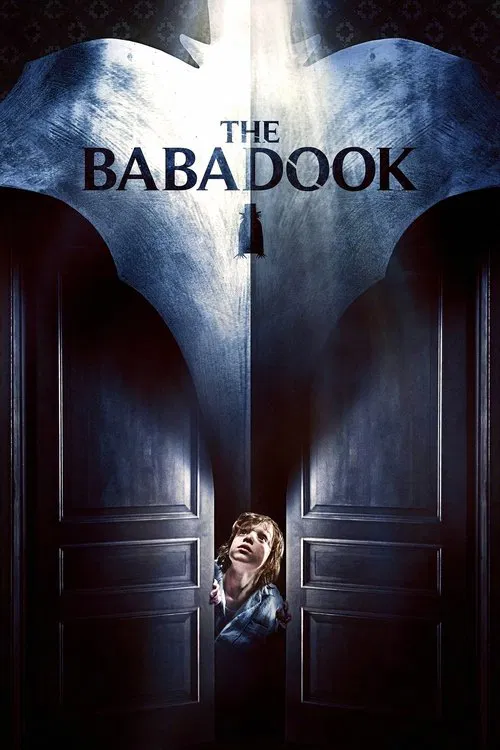
  38. The Babadook (2014) poster

    The Babadook

    Jennifer Kent · 2014

    Amelia barely sleeps and watches TV late at night. Old silent films flicker on the screen, and sometimes the Babadook seems to be inside them. You can't tell if she is seeing a real monster or losing her grip.

    Where to see it: Amelia's late-night TV. She flicks through channels of old silent films, and the Babadook begins showing up in the clips.

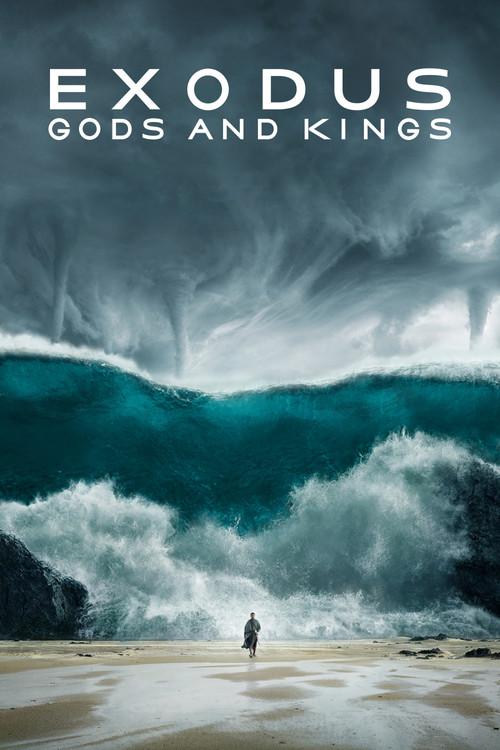
  39. Exodus: Gods and Kings (2014) poster

    Exodus: Gods and Kings

    Ridley Scott · 2014

    After a rockslide injures him, Moses hears a voice through a burning bush that sends him to free the Hebrews with the guidance of a boy named Malak. The film gives you reasons to doubt him and reasons to believe. One reading is that a hurt man sees what he needs to see. Another is that a god is speaking.

    Where to see it: The burning bush: Moses is hurt in a rockslide and hears a voice telling him to free the Hebrews.

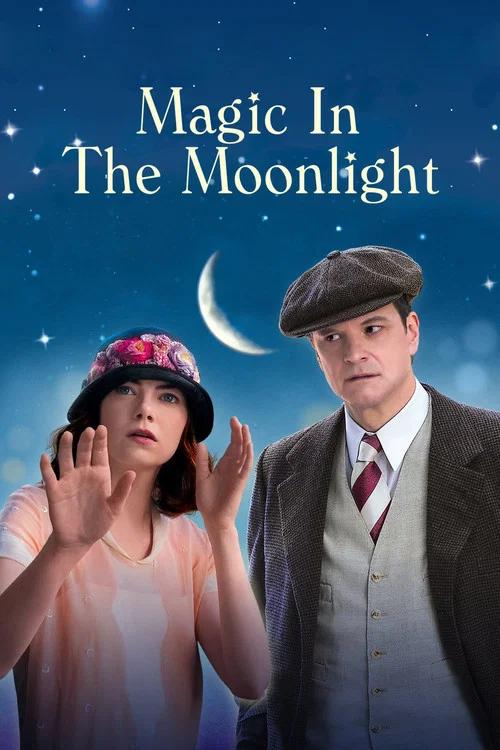
  40. Magic in the Moonlight (2014) poster

    Magic in the Moonlight

    Woody Allen · 2014

    For most of the film you cannot tell if Sophie has real powers. The seance and the story of Aunt Vanessa's pearls seem inexplicable. Stanley changes his mind about the world because of her, then changes it back. You share his uncertainty about what is real.

    Where to see it: The seance. Sophie goes into a trance and speaks to the dead patriarch of the Catledge family, and a candle floats.

  41. Based on a True Story (2017) poster

    Based on a True Story

    Roman Polanski · 2017

    Part of the unease is that you cannot be sure how much of Elle's hold on Delphine is real. The film keeps you guessing whether she is just what she appears to be.

    Where to see it: The anonymous letters: Delphine receives letters accusing her of exposing her family to the public, and they leave her depressed and blocked.

  42. Burning (2018) poster

    Burning

    Lee Chang-dong · 2018

    Ben says he burns greenhouses. That may be real, a metaphor or a lie. Hae-mi may have disappeared or simply left. Jong-su's jealousy may be sharp perception or paranoia. Lee Chang-dong refuses to rule on any of it. The film is about a reality you can't trust. Whatever we can't check, we have to decide to believe or not.

    Where to see it: Ben's greenhouse confession. He makes the claim with complete calm. Neither Jong-su nor you can work out whether it is truth, performance or sickness.

  43. Annihilation (2018) poster

    Annihilation

    Alex Garland · 2018

    The Shimmer refracts everything, meaning it bends and scrambles radio signals, DNA and memory. The film is also told as a story inside a story. That setup suggests even Lena's account of events has been bent too far to be accurate.

    Where to see it: The revelation that Lena may not have returned unchanged, or may not have returned at all. It makes you doubt everything she has told you while looking back.

  44. The Man Who Killed Don Quixote (2018) poster

    The Man Who Killed Don Quixote

    Terry Gilliam · 2018

    You are never sure what Toby sees is real and what belongs to Quixote's imagination. The film lets the knight's view and the director's view overlap. You end up as unsure as Toby is.

    Where to see it: The police encounter. On the way to questioning, Toby and the police run into Don Quixote riding his horse.

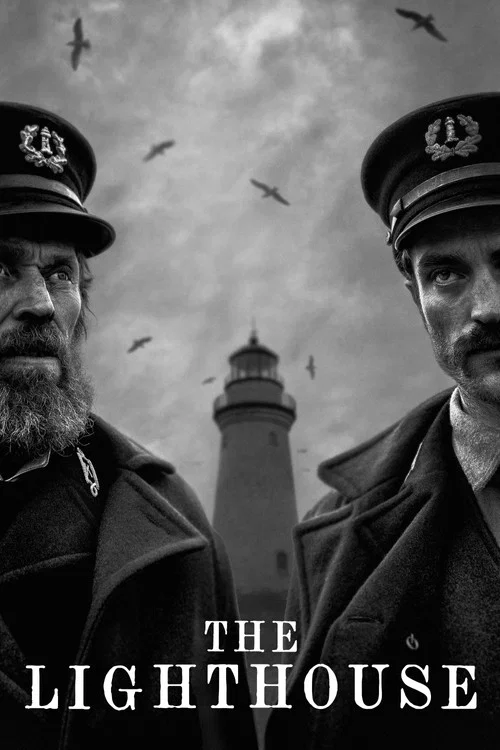
  45. The Lighthouse (2019) poster

    The Lighthouse

    Robert Eggers · 2019

    Winslow has visions of the mermaid, the tentacles and the inside of the light. They could be drunken hallucinations, a breakdown caused by isolation or a literal meeting with myth. Eggers refuses to settle it. Once again, the film's final image needs both readings at the same time to work.

    Where to see it: Winslow's climb to the light. The vision inside the lens could be madness or a real meeting with myth. The ending needs both readings.

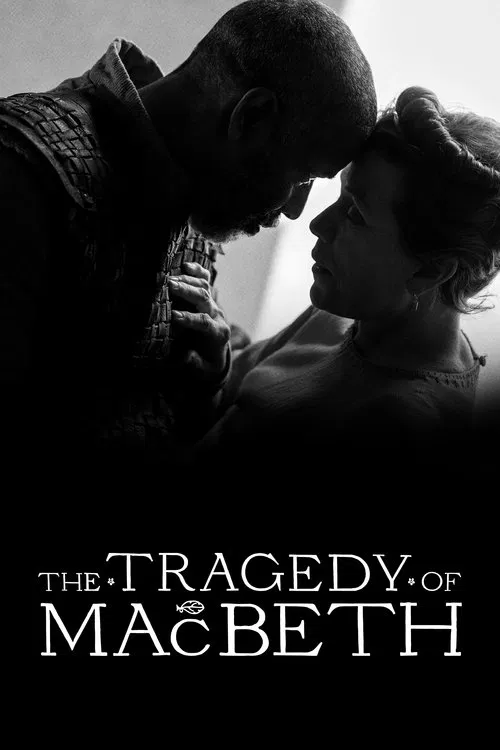
  46. The Tragedy of Macbeth (2021) poster

    The Tragedy of Macbeth

    Joel Coen · 2021

    Banquo's ghost and the witches' visions blur what is real and what is in Macbeth's head. The film never marks which is which. You are as unsure as he is.

    Where to see it: The visions: the witches show Macbeth visions, and he orders the slaughter of Macduff's household.

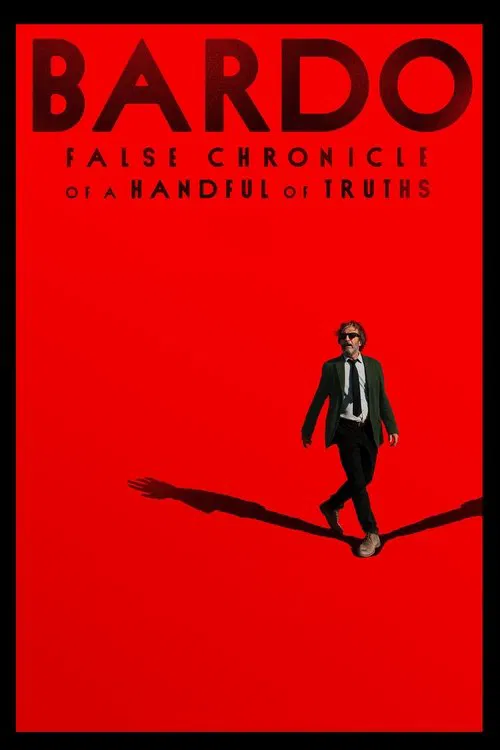
  47. BARDO, False Chronicle of a Handful of Truths (2022) poster

    BARDO, False Chronicle of a Handful of Truths

    Alejandro G. Iñárritu · 2022

    From the opening flight over a desert, you cannot be sure what is real. Late in the film a stroke suggests that much of what you saw happened in Silverio's head. The ending stays open, and you are left as unsure as he is.

    Where to see it: The stroke on the Metro. Silverio has a violent stroke on the L.A. Metro and is left unattended, which reframes the film as his mind processing his life.

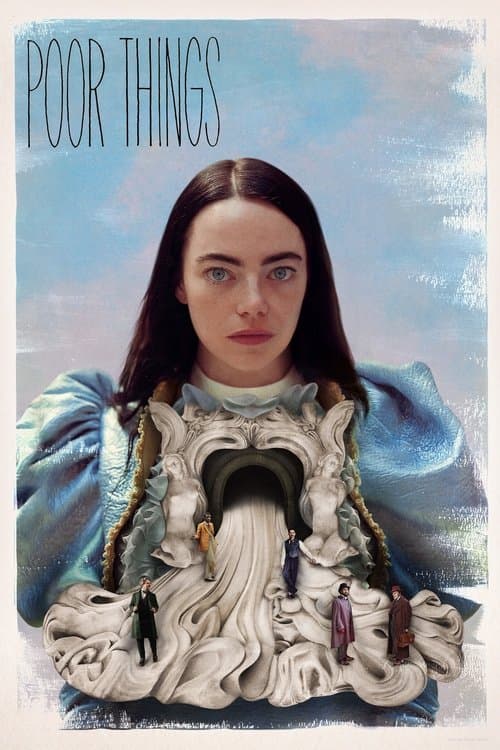
  48. Poor Things (2023) poster

    Poor Things

    Yorgos Lanthimos · 2023

    Godwin Baxter literally built Bella's mind. Her brain is that of a foetus placed in an adult body. The film never fully settles whether her experience of the world is a real mind developing or a scientific experiment running its course. That uncertainty is the film's philosophical question. That is, what makes a self real?

    Where to see it: Bella's increasingly sophisticated philosophical statements. The film deliberately leaves open whether you are watching real growth or programmed behavior.

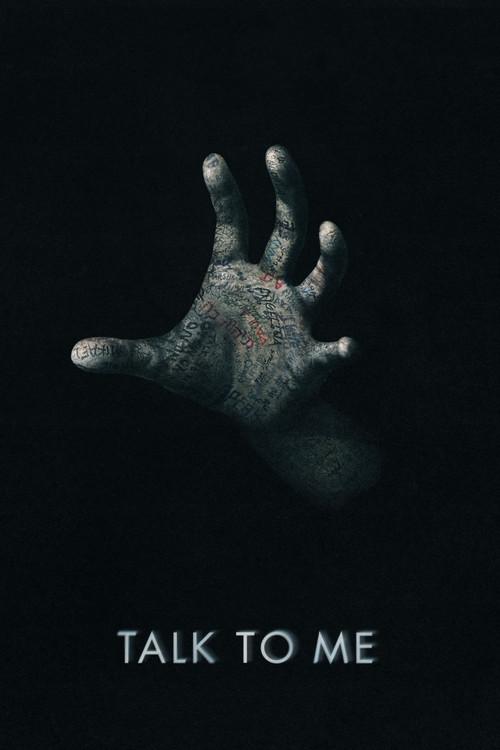
  49. Talk to Me (2023) poster

    Talk to Me

    Danny Philippou, Michael Philippou · 2023

    After Riley is hurt, Mia keeps seeing her dead mother, and the spirit tells her things about how she died. Mia can't tell which visions are real. You end up just as unsure, right up until she hurts her own father.

    Where to see it: Mia's night at home with her father. Max reads her mother's suicide note and the spirit says he is lying. Then Mia hallucinates him attacking her and stabs him for real.

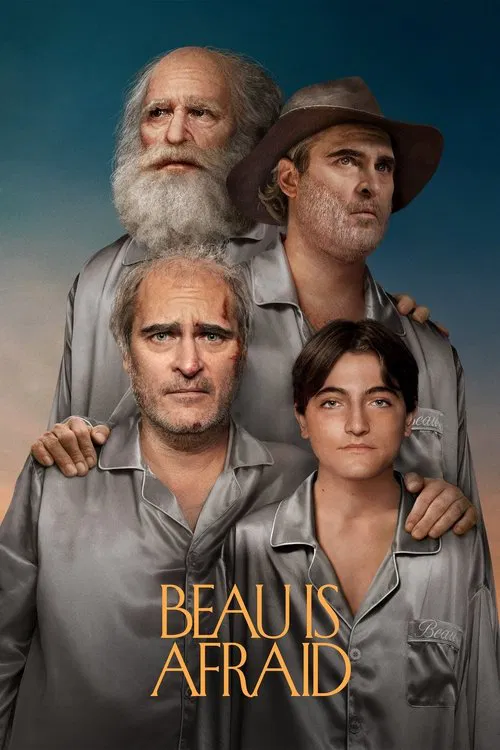
  50. Beau Is Afraid (2023) poster

    Beau Is Afraid

    Ari Aster · 2023

    You are never sure what Beau is seeing and what is real. The film keeps pulling away facts you thought were solid.

    Where to see it: Mona's reveal: Beau reaches his mother's estate after her funeral, and then Mona reveals she has been alive and spying on him.

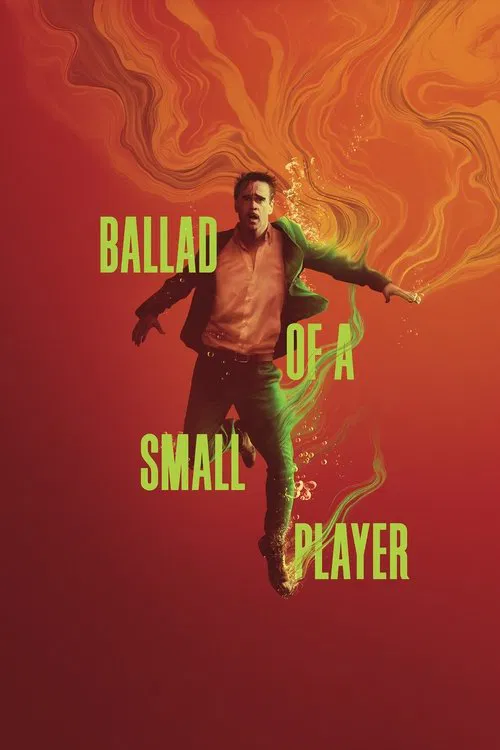
  51. Ballad of a Small Player (2025) poster

    Ballad of a Small Player

    Edward Berger · 2025

    Dao nurses Reilly back to health and tells him they are kindred spirits. Later you learn she was never really there. Once you know that, you question everything else he saw.

    Where to see it: Lamma Island: after a heart attack, Reilly wakes in a floating home where Dao nurses him. He later finds a number on his hand is the combination to her locked shed, full of money underwater.

Questions

Quick answers

What is unreliable reality in film?
Keeping it unclear what is real and what is imagined in the film's world. You end up as unsure as the main character.
Which films use unreliable reality?
Suspicion (1941), The Seven Year Itch (1955), Throne of Blood (1957), Through a Glass Darkly (1961), 8½ (1963), Persona (1966) and 45 more films in the CineCode library.
What kind of technique is unreliable reality?
It is a psychology technique. Related psychology techniques include Psychological Doubling, Body Horror.