Sound technique · used in 11 films

Constructed Sound Language

Inventing a consistent set of sounds for the film, sometimes a whole non-human language. Over time, you learn to read those sounds as clearly as the images.

Examples

11 films that use it

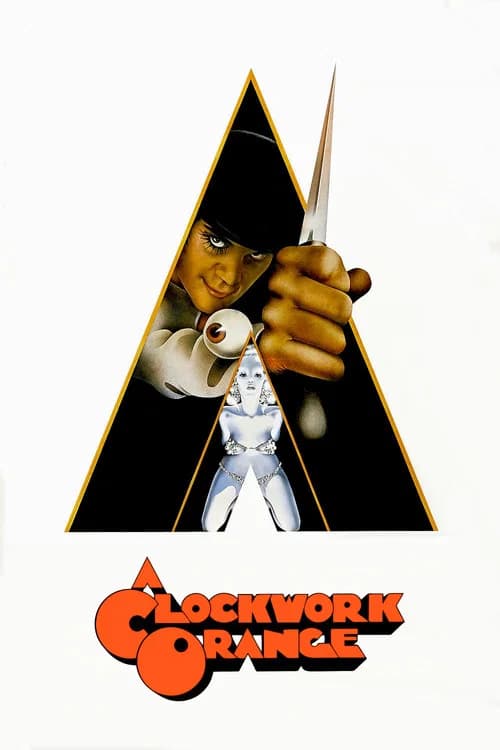
  1. A Clockwork Orange (1971) poster

    A Clockwork Orange

    Stanley Kubrick · 1971

    Nadsat is the invented slang from Burgess's novel, with words like 'droog', 'horrorshow' and 'ultraviolence'. Malcolm McDowell delivers it with the rhythm of natural speech. The slang is strange enough that you can't be sure what you're agreeing to when you laugh. Language itself becomes a weapon for pushing a way of thinking.

    Where to see it: Alex's opening address: 'There was me, that is Alex, and my three droogs'. It sets the film's alien way of speaking before the first image.
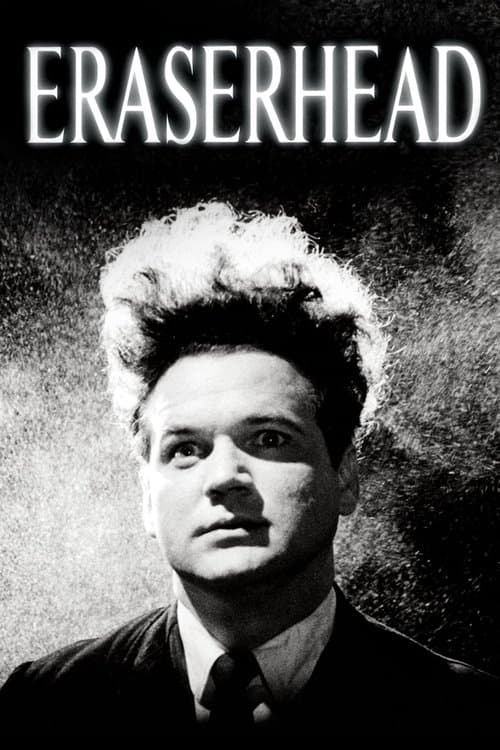
  2. Eraserhead (1977) poster

    Eraserhead

    David Lynch · 1977

    Alan Splet's sound design for Eraserhead includes the industrial hum, the baby's inhuman cry and the radiator's breathing. Together, they make up a complete world of sound. None of it comes from recording a real location, and it feels more emotionally real than a recording would. I feel like sound is the main way the film expresses itself.

    Where to see it: The industrial drone that runs under every scene and never goes away. It's a constant mechanical presence, somewhere between music and background noise. It makes the silence in any pause feel temporary and threatening.

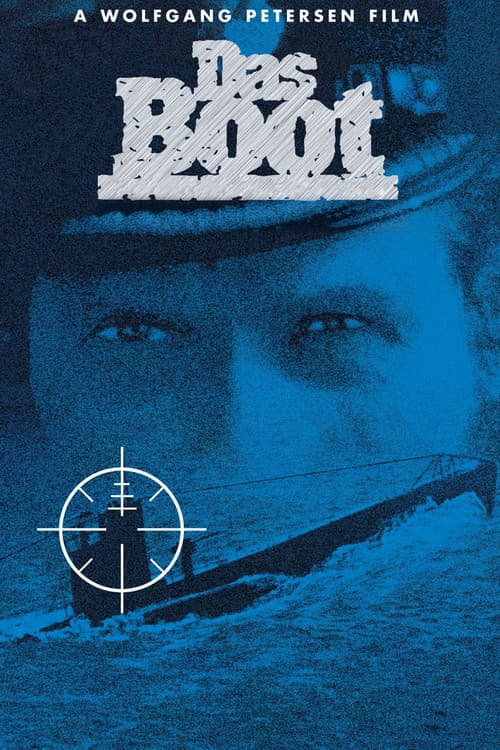
  3. Das Boot (1981) poster

    Das Boot

    Wolfgang Petersen · 1981

    Das Boot teaches you to listen. You learn the ping of sonar, the distant thrum of propellers and the particular depth-charge pattern that means an attack is coming. By the film's midpoint, you read these sounds as quickly as the crew does. Sound is now telling the story.

    Where to see it: The depth-charge attack sequences. The crew listens to the explosions coming closer. By now, you understand underwater sound and you know which sounds mean death.

  4. Heat (1995) poster

    Heat

    Michael Mann · 1995

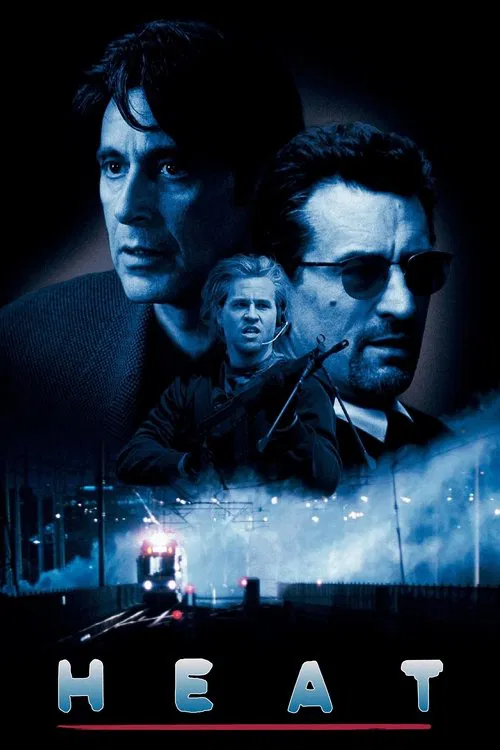
    Mann recorded the gunfire for the downtown Los Angeles shootout live on location, and it sounds unlike any crime film before it. You hear exactly how those streets sound: deafening rounds that thump and echo between tall buildings. Foley is sound effects added in a studio afterward, and the usual foley can't do this. You feel the violence in your body in the theater.

    Where to see it: The downtown bank robbery shootout. You hear the gunfire the way it really sounds on Los Angeles streets, and the sound is as precise as the staging.

  5. Ghost in the Shell (1995) poster

    Ghost in the Shell

    Mamoru Oshii · 1995

    Kenji Kawai's score combines ancient Japanese vocal chanting with electronic processing. The world of sound it creates is biological and synthetic at the same time. A human voice gets changed electronically, and the result makes you ask whether the change alters what the voice is.

    Where to see it: The opening sequence, scored with Kawai's choral theme. In the sound, you can't separate the sacred from the digital. The film's philosophical question is already there in its first sound, before a word has been spoken.

  6. Avatar (2009) poster

    Avatar

    James Cameron · 2009

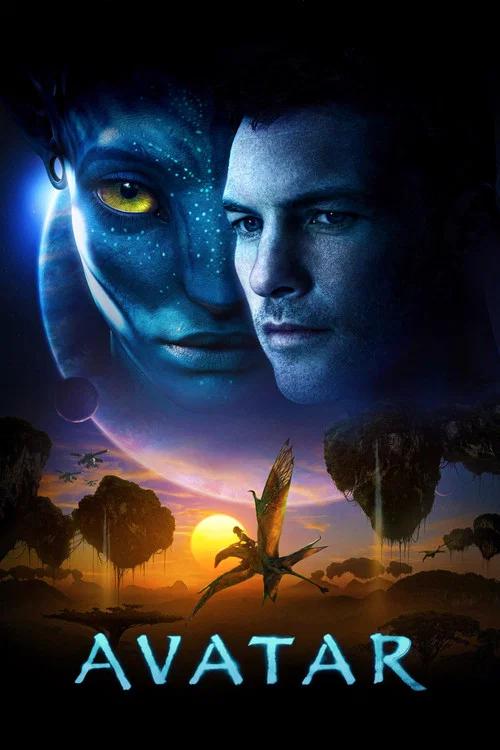
    The Na'vi speak an invented language with its own words and grammar. It was created for the film, and the sounds make the people feel like a real culture. Hearing it helps you stop thinking of them as actors in blue paint.

    Where to see it: Neytiri teaches Jake: Neytiri speaks Na'vi to Jake and teaches him the phrase "I see you."

  7. Under the Skin (2013) poster

    Under the Skin

    Jonathan Glazer · 2013

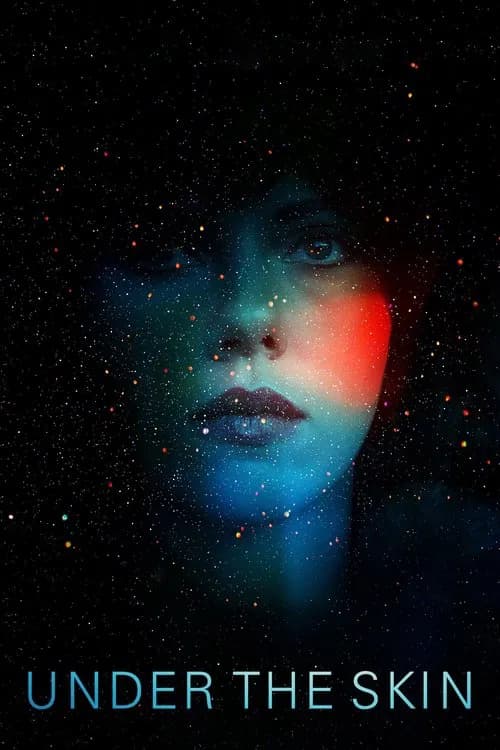
    Mica Levi's score uses scraped strings, electronic distortion and alien patterns of notes that sound like no ordinary film music. It is a sound world with nothing human in it, which fits the film's point of view.

    Where to see it: The seduction sequences. The score plays like something between a lullaby and a trap, and the music itself feels predatory.

  8. The Lighthouse (2019) poster

    The Lighthouse

    Robert Eggers · 2019

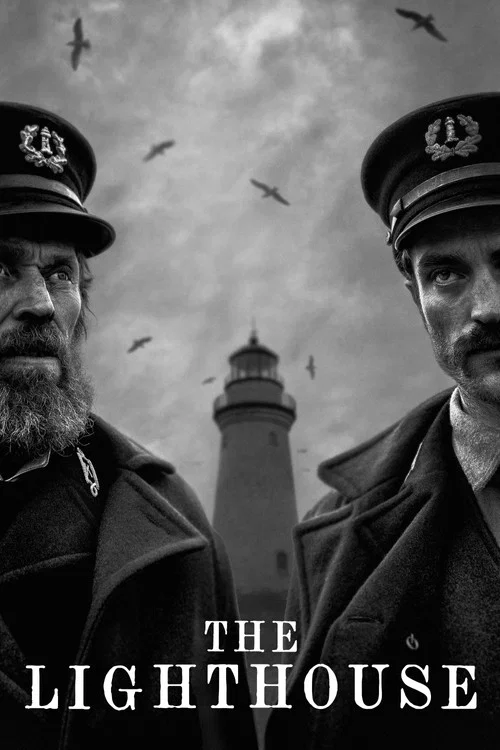
    Mark Korven's score draws on the sounds of the sea and foghorns, and Damian Volpe's sound design makes the foghorn a constant presence. These sounds belong to the lighthouse, but they are used for exaggerated, nightmarish horror. The foghorn becomes a tool for getting inside your head. Each blast marks the dread piling up more than it marks time passing. You learn to dread it the way the characters do.

    Where to see it: The foghorn sequences. The sound starts out as part of the setting and comes back as an attack on the mind. You are trained to hear it coming as dread.

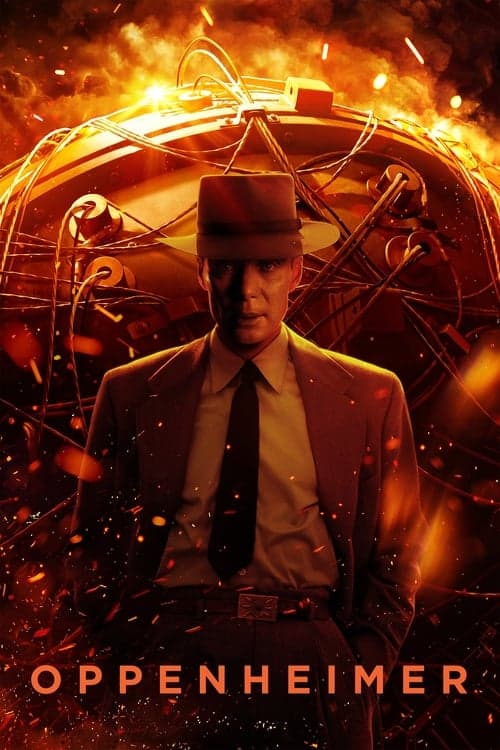
  9. Oppenheimer (2023) poster

    Oppenheimer

    Christopher Nolan · 2023

    Ludwig Göransson's score uses solo violin, processed electronic sounds and the real sounds of the Jornada del Muerto desert. Together, they turn the bomb into something you can hear. You feel it before it goes off.

    Where to see it: The sequence leading up to the Trinity test. You can no longer separate the score and the sound design from the dread hanging over the desert.

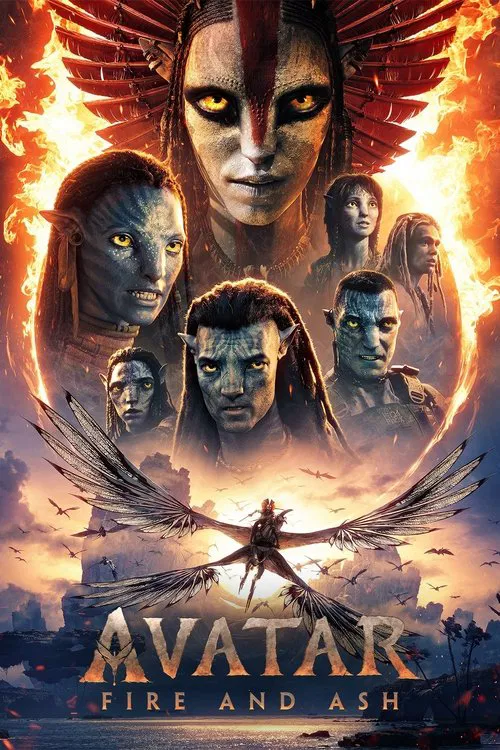
  10. Avatar: Fire and Ash (2025) poster

    Avatar: Fire and Ash

    James Cameron · 2025

    A song on the film's soundtrack, "The Future and the Past", is sung in Na'vi by Zoe Saldaña. Na'vi has grown into a full language across the series. Hearing it again ties this film back to the first.

    Where to see it: The soundtrack: the album ends with "The Future and the Past", sung in Na'vi.

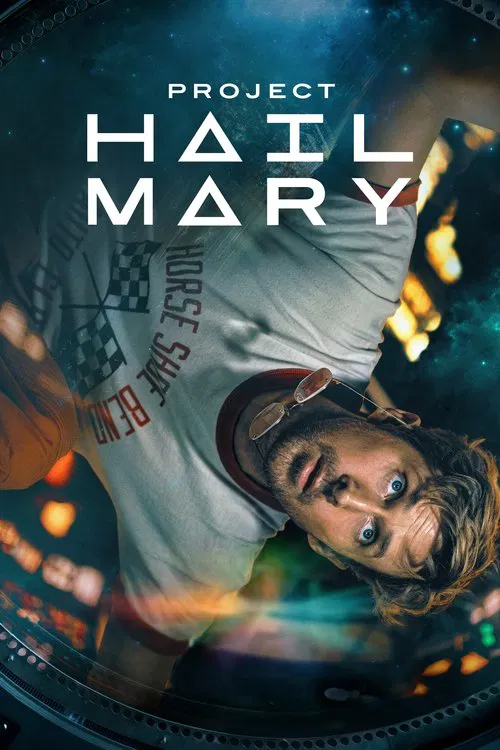
  11. Project Hail Mary (2026) poster

    Project Hail Mary

    Phil Lord, Christopher Miller · 2026

    Rocky speaks in layered musical tones and frequencies. The sound team designed it as a language that really works. You learn to read emotion from pitch and rhythm, so I feel like the friendship is real before the 2 of them share a single word.

    Where to see it: Rocky's first attempts to communicate. The early exchanges of frequencies give them a shared vocabulary based on math.

Questions

Quick answers

What is constructed sound language in film?
Inventing a consistent set of sounds for the film, sometimes a whole non-human language. Over time, you learn to read those sounds as clearly as the images.
Which films use constructed sound language?
A Clockwork Orange (1971), Eraserhead (1977), Das Boot (1981), Heat (1995), Ghost in the Shell (1995), Avatar (2009) and 5 more films in the CineCode library.
What kind of technique is constructed sound language?
It is a sound technique. Related sound techniques include Immersive Combat Sound Design, Elegant Music Against Cruelty.