Comparison · 3 shared techniques

Winter's Bone vs Nomadland

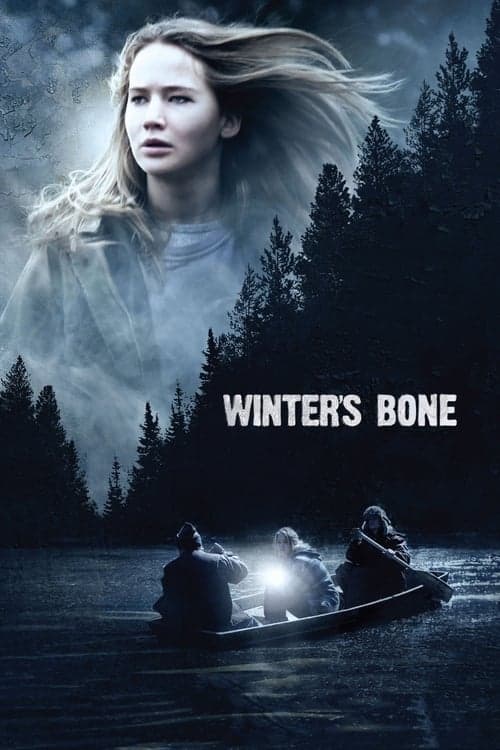
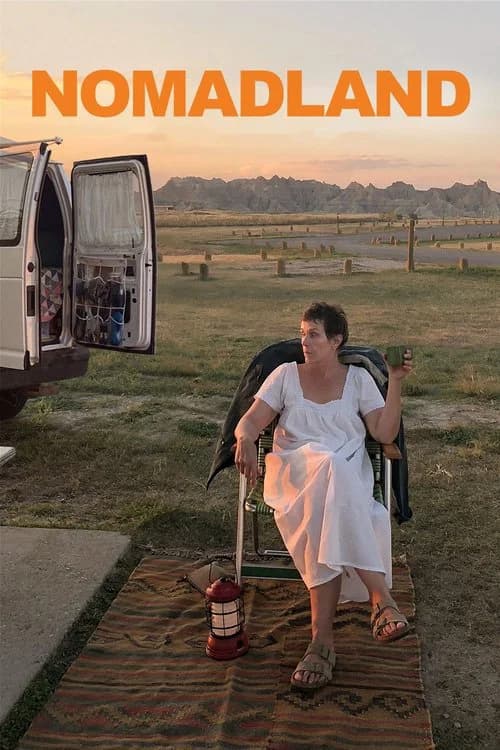
Winter's Bone (2010) and Nomadland (2020) share 3 techniques. Here is how each film uses them.

Shared

Same technique, two films

Observational Restraint

Watching events from a measured distance with no swelling music, tear-jerking close-ups or showy camera moves. The film trusts what happens to carry the weight on its own.

Winter's Bone

Granik films the community's code of silence without explaining it (the refusals, the warnings, the doors that close). She trusts you to understand that people stay silent to survive, because in this community, talking can get you killed.

Nomadland

Zhao's camera watches Fern, and the film never tells you how to feel about her choices. When she turns down the offer of a conventional home, the film just watches. It doesn't approve of the decision and it doesn't question it. That restraint is the point. This is a life, these are her choices and the film's job is to witness them.

Non-Professional Cast Authenticity

Casting real people from the community being shown, such as workers and local residents, with no trained actors in those roles. Their looks and behavior feel true in a way acting can't copy.

Winter's Bone

Granik cast many people from the actual Ozarks community, including the musicians, the neighbors and the people who fill the background. Having the real people there gives the film's social world a texture that professional extras can't copy.

Nomadland

Zhao casts real nomads (Linda May, Swankie, Bob Wells) alongside Frances McDormand. She lets each person draw on their own experience of nomadic life in their performance. The real nomads are pretty much just being themselves on camera. McDormand gives the film a story to hold onto, and the real nomads give it the documentary truth that makes the fiction carry weight.

Handheld Cinema Vérité

Shooting with a handheld camera so the frame shakes and moves with the action. This documentary-style look, called cinema vérité, puts you uncomfortably close to the character.

Winter's Bone

Michael McDonough shoots Ree's investigation with a restrained handheld camera. It stays close to her body without getting shaky. The camera feels more like a companion than an observer, and the documentary look tells you how seriously the film takes her search.

Nomadland

Joshua James Richards shoots Nomadland with the sensitivity of a nature photographer. He uses available light, meaning whatever light is already there. His handheld camera follows the people where most cameras would lead them. He watches the American West with the patience of someone who has been let into a world. Because of that texture, Fern's world feels like something the film discovered.

Different

Where they split

Only in Winter's Bone

Only in Nomadland