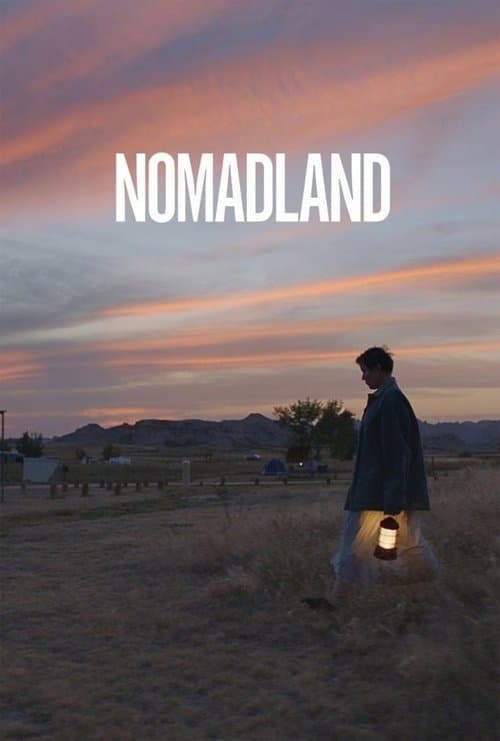
Nomadland
Chloé Zhao · 2020
Following the closure of the gypsum plant that sustained her Nevada town, a woman in her sixties takes to the road as a modern nomad — living in a van, working seasonal jobs, finding community among others who have chosen the margins. Zhao's film dissolves the line between documentary and fiction.
Techniques Used
4 techniques identified in this film
Non-Professional Cast Authenticity
NarrativeCasting real people to play versions of themselves or people like themselves — using non-actors' authentic presence to ground the film in a social reality that professional performance cannot fully access.
How this film uses it
Zhao casts real nomads — Linda May, Swankie, Bob Wells — alongside Frances McDormand, letting each person's genuine experience of nomadic life inform their performance. The real nomads are not acting; they are being. McDormand's presence allows the film to have a narrative anchor while the real nomads provide the documentary truth that gives the fiction its weight.
Handheld Documentary Texture
CinematographyUsing handheld camera with a naturalistic, available-light aesthetic to create the visual grammar of documentary — the film appearing to record rather than stage.
How this film uses it
Joshua James Richards shoots Nomadland with the sensitivity of a nature photographer: available light, handheld movement that follows rather than leads, the American West observed with the patience of someone who has been allowed into a world rather than someone constructing one. The texture makes Fern's world feel like something discovered.
Picaresque Structure
NarrativeAn episodic narrative following a protagonist through a series of encounters and environments — without a conventional plot arc — the accumulation of episodes constituting the film's meaning.
How this film uses it
Fern moves through Amazon fulfillment centers, beet fields, national parks, and campfire communities. Each location is a chapter; each chapter has its own people and its own revelation. The picaresque structure suits the film's subject — a life organized around movement rather than destination — and its refusal to impose narrative shape on what is essentially a documentary of how some Americans live.
Observational Restraint
CinematographyA visual approach that watches events at a measured distance without dramatic emphasis — the camera as a patient, uninflected witness that declines to editorialize.
How this film uses it
Zhao's camera observes Fern without the film telling us how to feel about her choices. When she turns down the offer of a conventional home, the film watches without either endorsing the decision or questioning it. The restraint is the argument: this is a life, these are choices, and the film's job is to witness rather than judge.
You Might Also Like
Films that share at least one technique with Nomadland
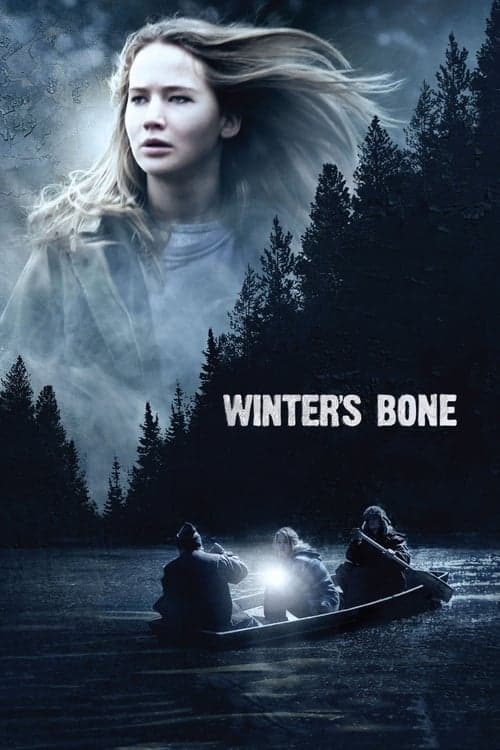
Sixteen-year-old Ree Dolly searches the Ozarks meth country for her missing father — who put up their house as bond collateral before disappearing — navigating a community bound by silence, loyalty, and the threat of violence. Debra Granik's film is a neo-noir set in the mountains of Missouri.
Winter's Bone
Debra Granik · 2010
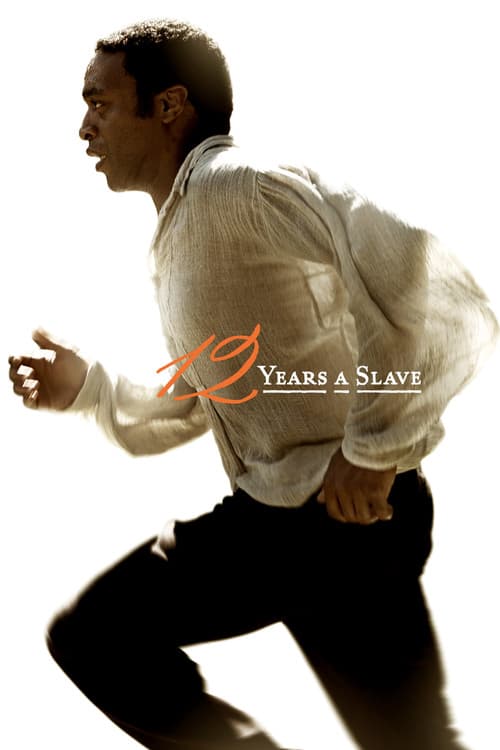
Solomon Northup, a free Black man from New York, is kidnapped and sold into slavery in Louisiana, where he spends twelve years surviving the systematic brutality of the antebellum South before being rescued. Steve McQueen's film refuses every convention of historical suffering — it looks without flinching and does not offer the comfort of resolution.
12 Years a Slave
Steve McQueen · 2013
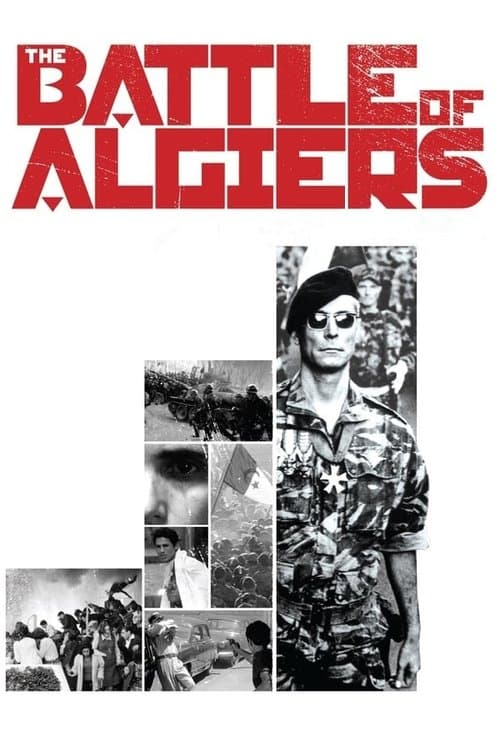
The Algerian National Liberation Front wages an urban guerrilla campaign against French colonial rule in 1950s Algiers, documented with the impartiality of a film that refuses to assign guilt to either side of a colonial war. Pontecorvo's film was so realistic it had to include a disclaimer that no newsreel footage was used.
The Battle of Algiers
Gillo Pontecorvo · 1966