Comparison · 3 shared techniques

Gran Torino vs Biutiful

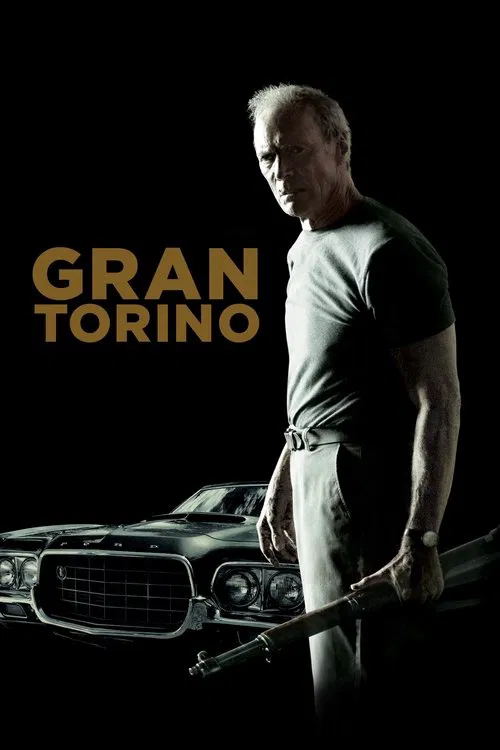
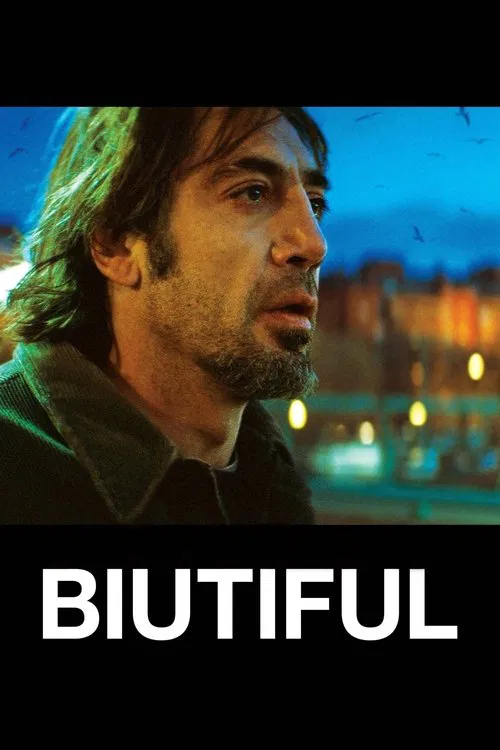
Gran Torino (2008) and Biutiful (2010) share 3 techniques. Here is how each film uses them.

Shared

Same technique, two films

Guilt as Hidden Motive

Letting a character's guilt over a past wrong shape what they do now. The wrong may come out late or only be hinted at, but it colors every choice.

Gran Torino

Walt carries the memory of killing an enemy child soldier who was trying to surrender. It explains his gruffness and his choice at the end. He does not want Thao to live with the same stain.

Biutiful

Uxbal is haunted by the harm his choices cause. He feels responsible for the expulsion of the Senegalese and the deaths of the Chinese workers. Guilt shapes the way he spends his last weeks.

Symbolic Object

Returning to the same physical object again and again until it means more than what it is. It moves the plot and also stands for the film's main ideas.

Gran Torino

The car is the center of the story. Thao tries to steal it as a gang initiation, and Walt treasures it. At the end, Walt's Zippo lighter becomes the second object that decides everything.

Biutiful

A ring and two stones carry the love Uxbal cannot say. He hands objects to his children as his last gifts. They make an unspoken goodbye physical.

Working-Class Geography

Using specific working-class parts of a city, like its bars, docks and construction sites, to define the characters. The places show who they are expected to be and what leaving would cost.

Gran Torino

The film is set in a Rust Belt Detroit neighborhood that has changed around Walt, a retired Ford factory worker. The old houses and gang-ridden streets show what has been lost. His tidy lawn is a stand against that change.

Biutiful

The film shows a Barcelona of cramped flats, forged goods, street vendors and construction sites. Uxbal fixes work for immigrants who live in the city's shadows. The places show what people must do to survive.

Different

Where they split