Narrative technique · used in 9 films

Supernatural Realism

Dropping magical or miraculous events into an otherwise realistic world and playing them completely straight. The film never explains them or winks at you about them.

Examples

9 films that use it

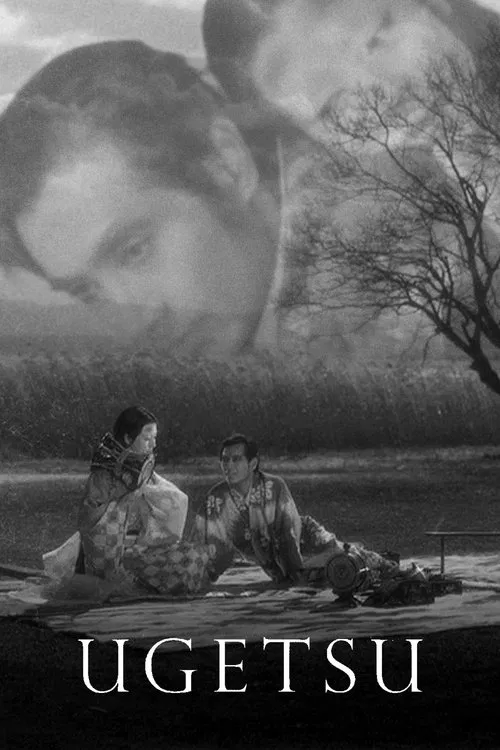
  1. Ugetsu (1953) poster

    Ugetsu

    Kenji Mizoguchi · 1953

    The ghosts are shown as plain as the people around them. Nobody tells Genjuro that Lady Wakasa is dead until a priest reveals it, and the film plays the whole thing straight. You are fooled the same way Genjuro is.

    Where to see it: Lady Wakasa's mansion. Genjuro visits a noblewoman who is the survivor of a ruined clan, and she persuades him to marry her.

  2. Fanny and Alexander (1982) poster

    Fanny and Alexander

    Ingmar Bergman · 1982

    Alexander sees his dead father. The bishop's ghost appears. The magic of Isak Jacobi's house works with no explanation. Bergman films all of this in the same matter-of-fact way as the theater family's daily life, and he never marks the supernatural as special. In this film's world, ghosts and miracles are simply part of what exists.

    Where to see it: The appearance of Alexander's father. The ghost looks as real as every other character. Bergman gives the supernatural the same standing as everything realistic in the film.

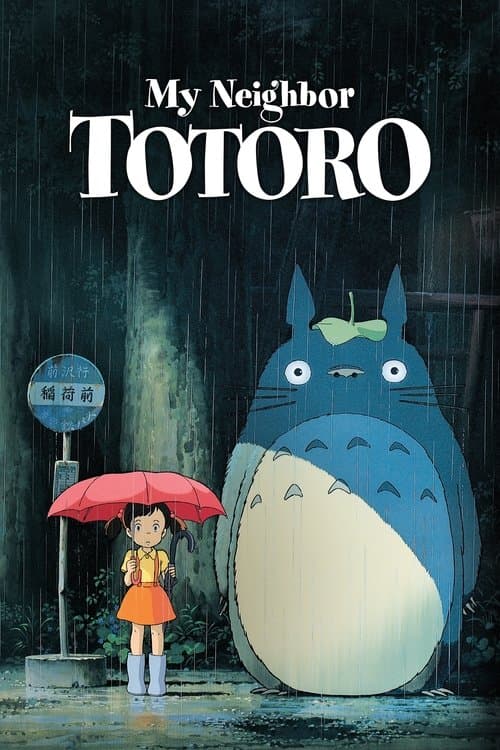
  3. My Neighbor Totoro (1988) poster

    My Neighbor Totoro

    Hayao Miyazaki · 1988

    Totoro and the soot sprites are simply part of the world. Nobody explains them and nobody doubts them. The film shows them as plainly and confidently as it shows the farmhouse or the camphor tree.

    Where to see it: Satsuki's first encounter with Totoro at the bus stop in the rain, after Mei has already met him. He is just standing there, huge and ordinary.

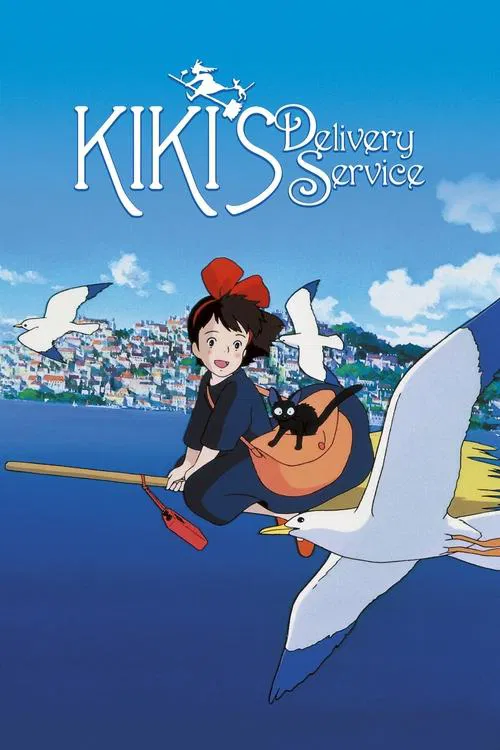
  4. Kiki's Delivery Service (1989) poster

    Kiki's Delivery Service

    Hayao Miyazaki · 1989

    Magic here is a normal part of life. Kiki leaves home at age 13 because that is the tradition for young witches. The film plays flying and a talking cat completely straight, and treats it like a job.

    Where to see it: The departure: at age 13, Kiki leaves home with her cat Jiji and her mother's old broomstick.

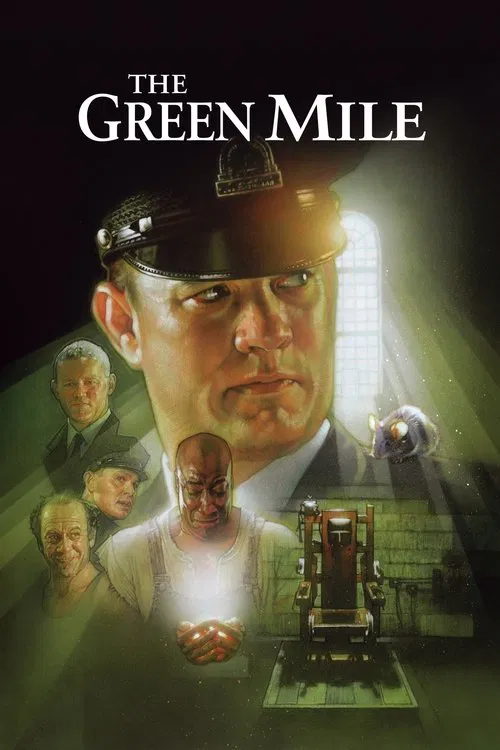
  5. The Green Mile (1999) poster

    The Green Mile

    Frank Darabont · 1999

    John Coffey can heal people, and the film never gives a scientific explanation for it. After the first shock, the characters accept that his powers are real. Darabont commits fully to the idea. Mice are healed and tumors are drawn out, and the story treats these events as seriously as everything else in it.

    Where to see it: Coffey healing the warden's wife. The miracle is played completely straight.

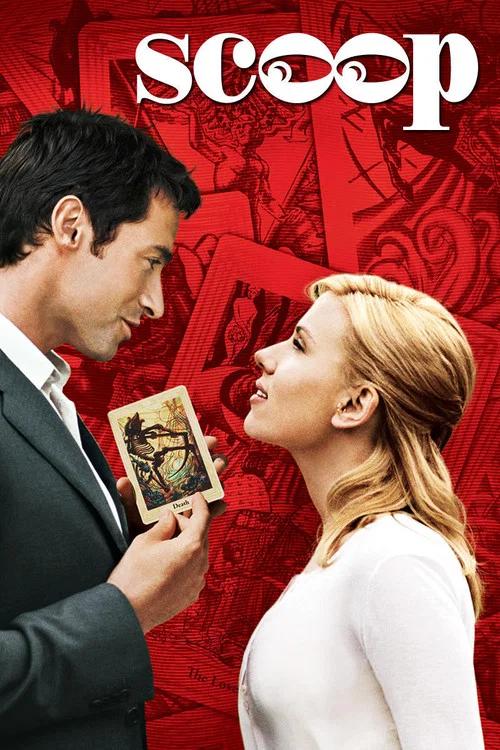
  6. Scoop (2006) poster

    Scoop

    Woody Allen · 2006

    The ghost of reporter Joe Strombel escapes the barge of death and appears to Sondra inside a magician's trick booth. The film plays it straight. Nobody questions why a dead man is giving tips, which keeps the comedy gentle and the plot moving.

    Where to see it: The Dematerializer booth. Sondra steps into Sid's magic trick and meets Strombel's ghost, who tells her about the Tarot Card Killer.

  7. Ponyo (2008) poster

    Ponyo

    Hayao Miyazaki · 2008

    A fish with a human face, a flooded town and a sea goddess all appear in a plain fishing village. Nobody stops to explain the magic or jokes about it. Because the film plays it all straight, you accept it the way Sosuke does.

    Where to see it: Sosuke frees Ponyo: she is trapped in a glass jar and washed ashore, and Sosuke breaks it open. She licks his cut finger, which heals it.

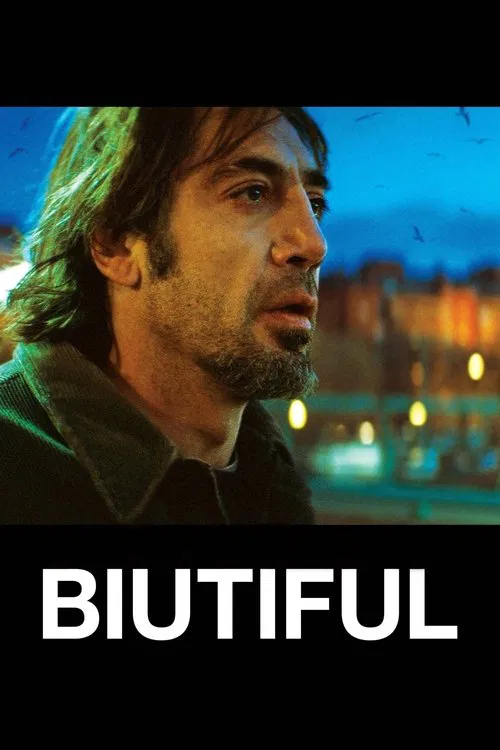
  8. Biutiful (2010) poster

    Biutiful

    Alejandro González Iñárritu · 2010

    Uxbal speaks to the dead as part of his work. The film plays these scenes straight, without winks or explanations. They sit beside the money, the police and the bills as ordinary parts of his world.

    Where to see it: Medium work: Uxbal earns money as a medium to the dead, passing on messages from the recently deceased at wakes and funerals.

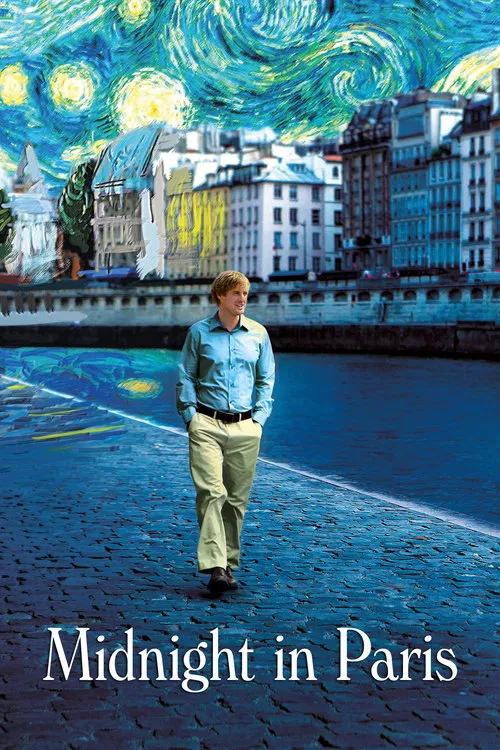
  9. Midnight in Paris (2011) poster

    Midnight in Paris

    Woody Allen · 2011

    A 1920s car pulls up to Gil at midnight and takes him to a party for Jean Cocteau. The film never explains how or why. Gil explains his situation to Dalí, Man Ray and Buñuel, and as surrealists they do not question that he comes from the future. The magic is simply accepted.

    Where to see it: The first midnight. Gil gets into the car, arrives at the Cocteau party, and meets Scott and Zelda Fitzgerald.

Questions

Quick answers

What is supernatural realism in film?
Dropping magical or miraculous events into an otherwise realistic world and playing them completely straight. The film never explains them or winks at you about them.
Which films use supernatural realism?
Ugetsu (1953), Fanny and Alexander (1982), My Neighbor Totoro (1988), Kiki's Delivery Service (1989), The Green Mile (1999), Scoop (2006) and 3 more films in the CineCode library.
What kind of technique is supernatural realism?
It is a narrative technique. Related narrative techniques include Ecological Animism, Tragic Inversion Structure, Ghost as Moral Figure.