Narrative technique · used in 70 films

Symbolic Object

Returning to the same physical object again and again until it means more than what it is. It moves the plot and also stands for the film's main ideas.

Examples

70 films that use it

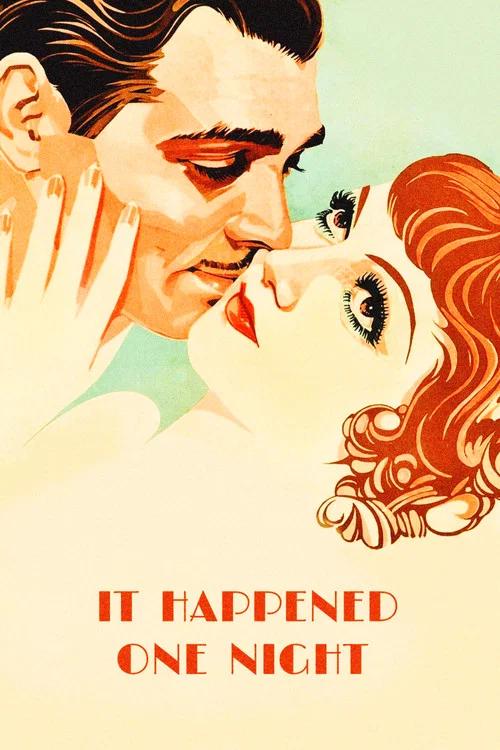
  1. It Happened One Night (1934) poster

    It Happened One Night

    Frank Capra · 1934

    A blanket hung on a rope between the beds is called the walls of Jericho. It keeps them apart and gives the film a running joke. When it finally falls, the film's romance is complete.

    Where to see it: Motel blanket: Peter strings a blanket between the beds and calls it the walls of Jericho. At the end, at the couple's motel, the blanket falls and the lights go out.
  2. Great Expectations (1946) poster

    Great Expectations

    David Lean · 1946

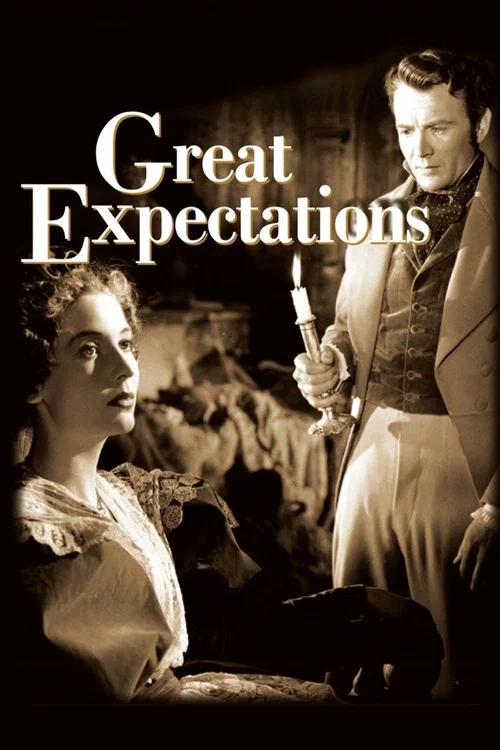
    Miss Havisham's wedding dress and decayed cake sit in the house as proof that her life stopped on the day she was jilted. They return as the dress catches fire. The objects hold the story's themes of waste and revenge.

    Where to see it: The fire. Miss Havisham's dress catches fire, and Pip tries and fails to save her.

  3. The Treasure of the Sierra Madre (1948) poster

    The Treasure of the Sierra Madre

    John Huston · 1948

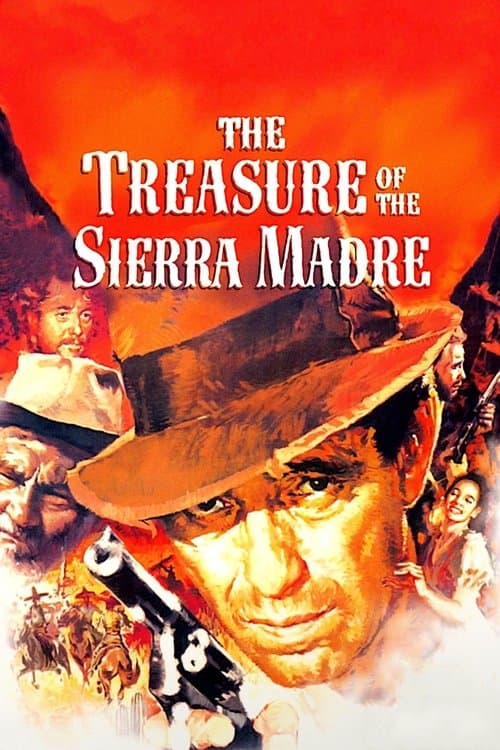
    The gold dust is the film's main symbol. Every character gives something up for it. It weighs nothing and destroys everything. At the end, the wind scatters it and returns it to the mountains, and nothing comes of it. That is the film's darkest joke and its most complete statement.

    Where to see it: The bandits scattering the gold sacks. You can't tell the dust from dirt. The thing men killed for goes back to the earth and nothing is left.

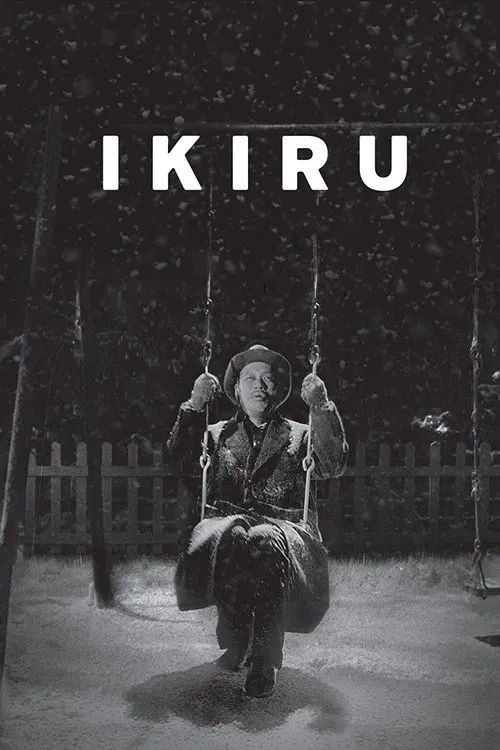
  4. Ikiru (1952) poster

    Ikiru

    Akira Kurosawa · 1952

    The playground's swing set is where Watanabe sits in the snow, singing, in his last moments. The film ends with children playing in the playground he built. The swing set outlasts the man, and what lasts is the fact that he made it. The camera treats the spot as sacred.

    Where to see it: Watanabe on the swing in the snow. It's the final image of the man who made the place where the children now play.

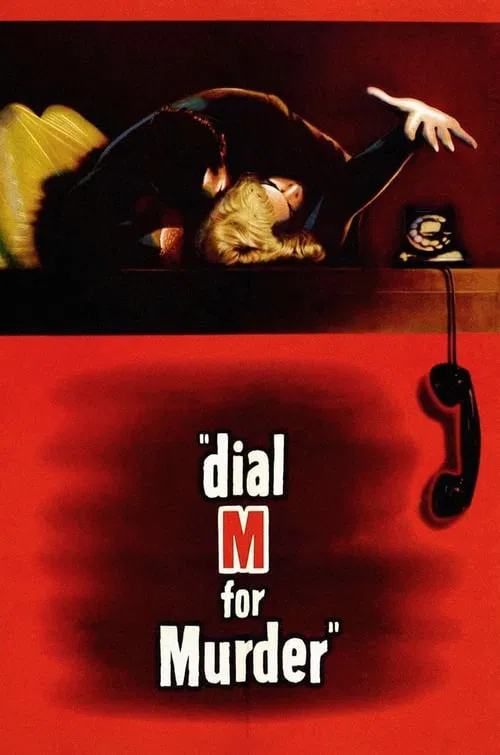
  5. Dial M for Murder (1954) poster

    Dial M for Murder

    Alfred Hitchcock · 1954

    The latchkey hidden under the stair carpet moves the whole plot. Tony hides it, Swann uses it and the police later use it to catch Tony. By the end, 1 small key stands for how carefully Tony planned and how carelessly he assumed.

    Where to see it: The key trap. Hubbard brings Margot to the flat, and she cannot open the door with the key from her handbag. When Tony finds his own key missing, he retrieves the hidden one from under the stair carpet, and that proves his guilt.

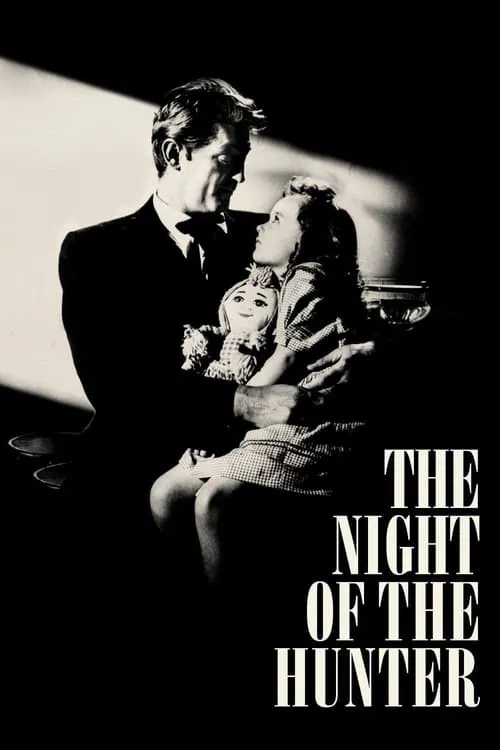
  6. Night of the Hunter (1955) poster

    Night of the Hunter

    Charles Laughton · 1955

    The money hidden in Pearl's doll is the film's MacGuffin, the object everyone in the plot is chasing. It is also the film's moral object. The doll moves through the story as both a prize and a burden. It caused the father's death, the Preacher hunts it, the children protect it and John finally bursts it open over the Preacher as he is arrested. The main irony is how physically small it is compared to how much of the story rests on it.

    Where to see it: Pearl clutching the doll. You know what is hidden in it, and Pearl is just innocently attached to her toy. All of the dramatic irony sits in a single object.

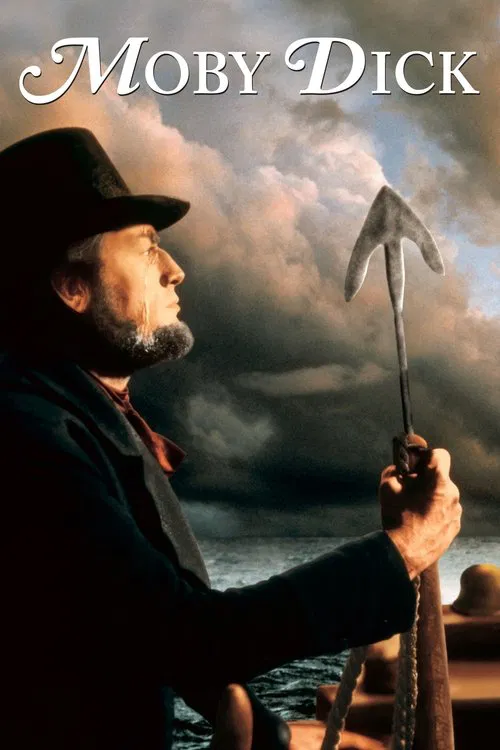
  7. Moby Dick (1956) poster

    Moby Dick

    John Huston · 1956

    Early on, Queequeg senses his own death and has a coffin built. Nobody pays it much attention, and it looks like a gloomy detail. In the end it is the thing that keeps Ishmael alive.

    Where to see it: Ishmael afloat: after the Pequod goes down, Ishmael holds onto Queequeg's coffin until the Rachel picks him up.

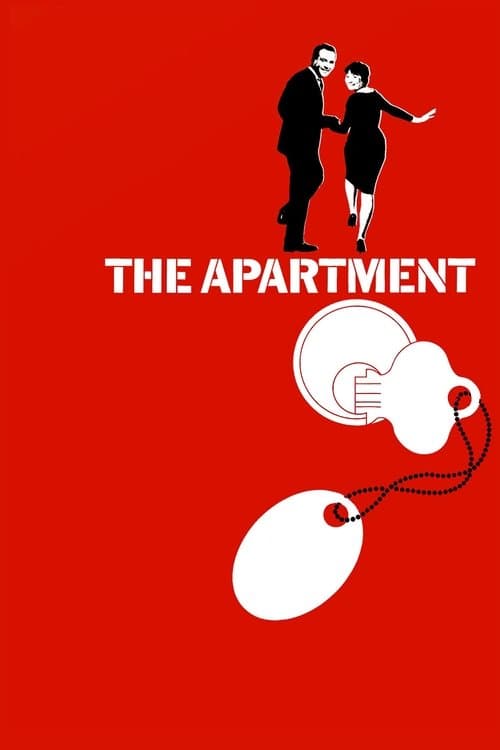
  8. The Apartment (1960) poster

    The Apartment

    Billy Wilder · 1960

    The broken compact mirror Fran uses is the film's central object. It's cracked and shows her face in 2 halves. It gets left behind in Baxter's apartment, and Baxter returns it to Sheldrake without knowing whose it is. Later Fran opens the same compact so Baxter can check his new bowler hat, and the crack tells him everything about Sheldrake and Fran. She says she likes it that way, because it makes her look the way she feels. Its crack stands for a connection that is imperfect and real.

    Where to see it: Baxter seeing his face in Fran's cracked compact as she shows him his new hat. The broken compact identifies Fran as Sheldrake's mistress, so the object carries both the film's revelation and its emotional resolution.

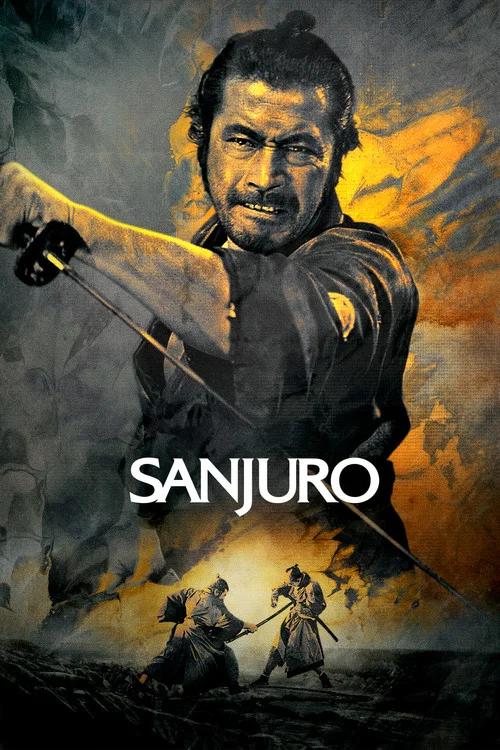
  9. Sanjuro (1962) poster

    Sanjuro

    Akira Kurosawa · 1962

    Camellias keep coming back. Sanjuro names himself after the camellia trees he sees out the window, and the flowers become the signal to attack. A flower stands in for everything the wife says about restraint, and it ends up calling the samurai into a fight.

    Where to see it: The camellias in the stream. Sanjuro tricks the villains into dumping the flowers into the water, and the young samurai downstream see them and charge.

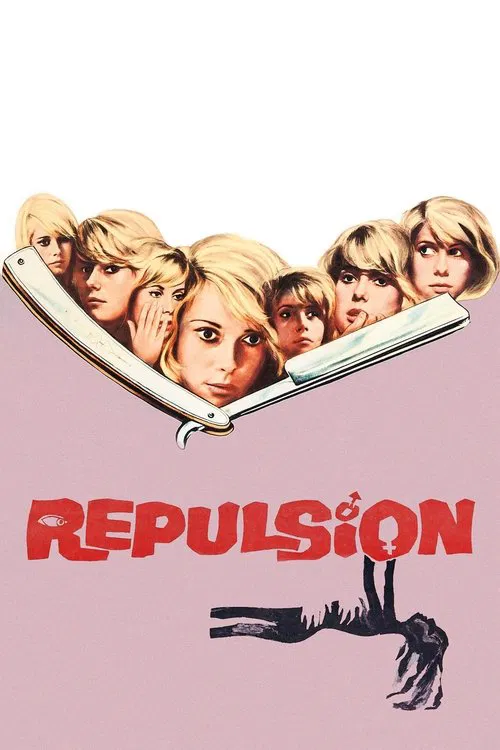
  10. Repulsion (1965) poster

    Repulsion

    Roman Polanski · 1965

    The uncooked rabbit sits on a plate and rots while Carol falls apart. Later, her coworkers find the rabbit's head in her purse. It becomes a countdown for her mental state.

    Where to see it: The rabbit: Carol takes a rabbit out of the fridge for dinner but never cooks it. It sits out and rots as her breakdown grows.

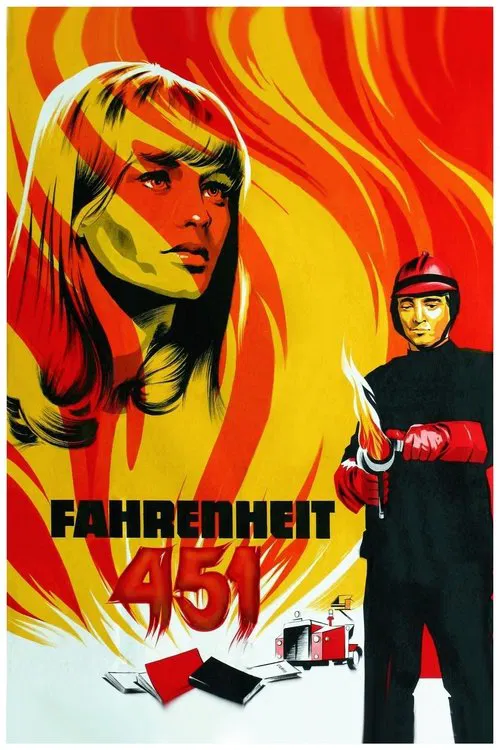
  11. Fahrenheit 451 (1966) poster

    Fahrenheit 451

    François Truffaut · 1966

    Books carry the whole idea of free thought. Montag first hides one, then reads David Copperfield, and finally forces others to listen to it. Each time a book appears, someone's inner life changes.

    Where to see it: The reading. Montag makes Linda's friends sit and listen as he reads from David Copperfield, and one of them breaks down in tears.

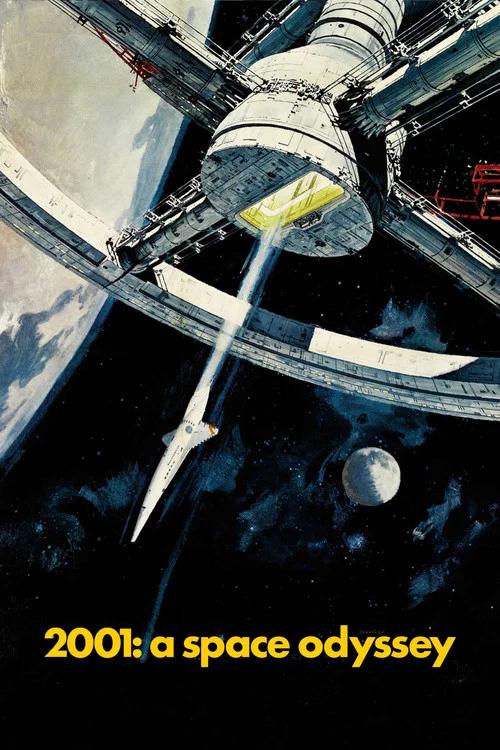
  12. 2001: A Space Odyssey (1968) poster

    2001: A Space Odyssey

    Stanley Kubrick · 1968

    The monolith is never explained. It appears at each big step in human development (at the dawn of tool use, on the moon, near Jupiter and in Bowman's final room), and you never learn its purpose. Kubrick and Clarke designed it to be impossible to explain. It is like a Rorschach inkblot, and you fill it with whatever you bring.

    Where to see it: The monolith's appearance on the moon. Each time it comes back, it gains meaning without any explanation.

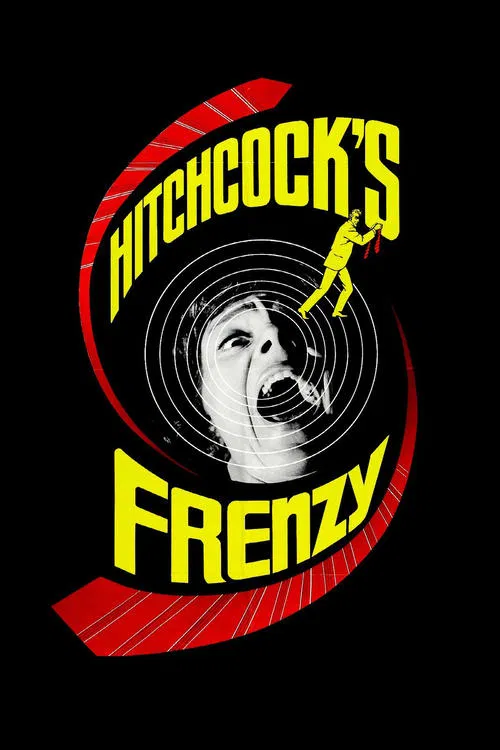
  13. Frenzy (1972) poster

    Frenzy

    Alfred Hitchcock · 1972

    Rusk strangles his victims with neckties, and his distinctive tie pin gives him away. When he realizes Babs tore it off, he has to retrieve it. The tie and the pin come to stand for his crimes.

    Where to see it: The potato lorry. Rusk climbs into a truck carrying Babs's body and breaks her fingers to retrieve his tie pin.

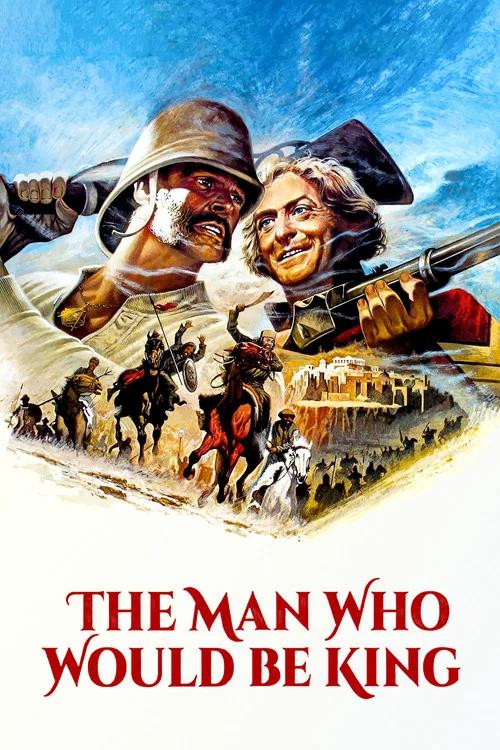
  14. The Man Who Would Be King (1975) poster

    The Man Who Would Be King

    John Huston · 1975

    A Masonic tag that Kipling gave Dravot as a keepsake becomes the proof that he is divine. A priest finds it around his neck and matches it to a sacred symbol. A small trinket from a friend turns a con into a crown.

    Where to see it: The priest tears open Dravot's shirt: the tag on his chest matches the sacred symbol, and the crowd proclaims him king.

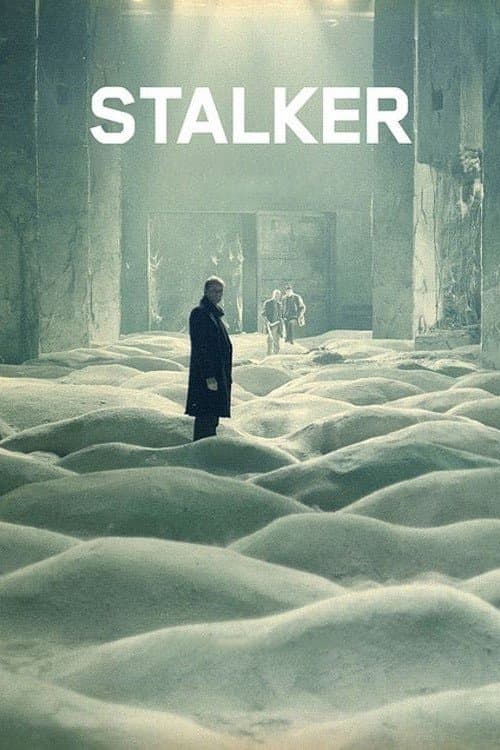
  15. Stalker (1979) poster

    Stalker

    Andrei Tarkovsky · 1979

    The Room is the central symbol of the film. People describe it, fear it and want it for the whole runtime. It grants the true wishes a person can't consciously admit to, and the wishes they say out loud don't count. The film never shows the Room granting a wish, and what it means is the question the film asks.

    Where to see it: The approach to the Room. The 3 men stop outside it, unable to enter. Facing their own hidden desires makes the doorway impossible to cross.

  16. The Castle of Cagliostro (1979) poster

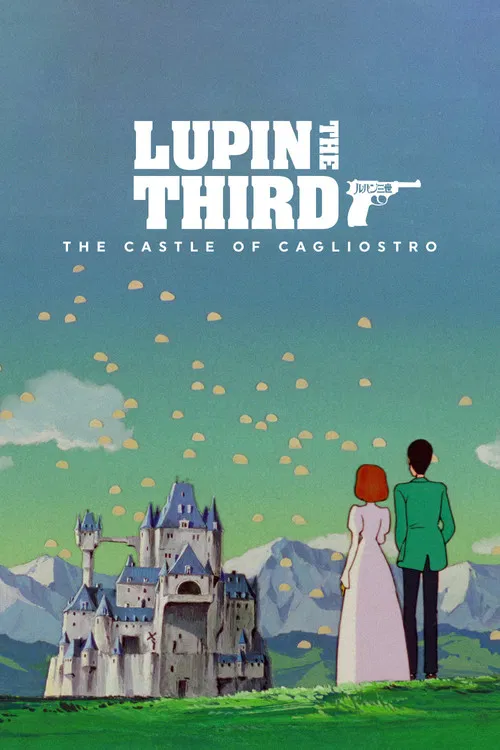
    The Castle of Cagliostro

    Hayao Miyazaki · 1979

    Princess Clarisse's signet ring keeps changing hands. She leaves it with Lupin, he returns a copy that is secretly a fake with a transmitter, and the Count's men hunt the real one. The ring stands for who gets to rule the duchy.

    Where to see it: The ring: Clarisse leaves Lupin her signet ring, and he later returns it, though it is secretly a fake with a transmitter.

  17. Kagemusha (1980) poster

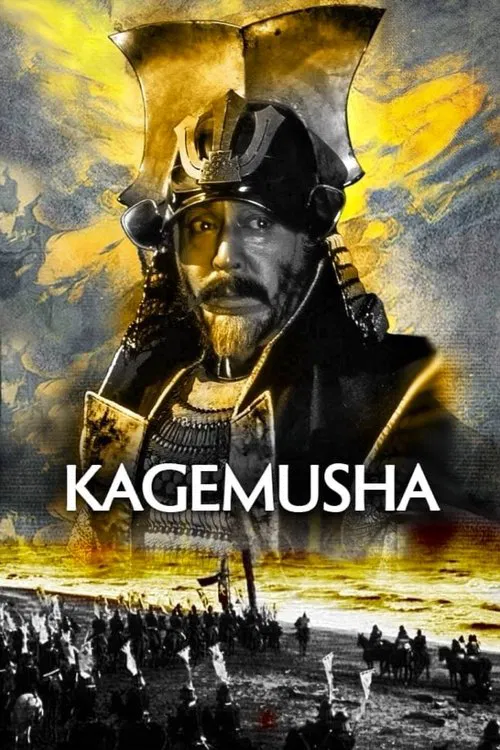
    Kagemusha

    Akira Kurosawa · 1980

    The clan's banner, with its motto about wind, forest, fire and mountain, stands for Shingen's power. The thief spends the film serving what it represents. When the clan is gone, he dies reaching for it.

    Where to see it: The ending. The wounded thief staggers into the river toward the fallen banner and is carried away by the current.

  18. Annie (1982) poster

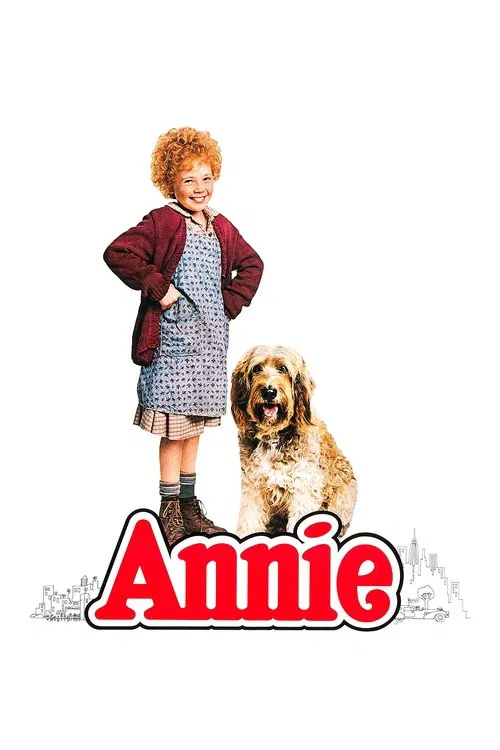
    Annie

    John Huston · 1982

    Annie carries half of a locket and believes her parents will come back for the other half. She turns down a new locket from Warbucks because she wants to keep hers. The locket is also the clue that Hannigan's brother and his girlfriend try to fake.

    Where to see it: Annie declines the new locket: she explains to Warbucks why she keeps the broken one.

  19. Rumble Fish (1983) poster

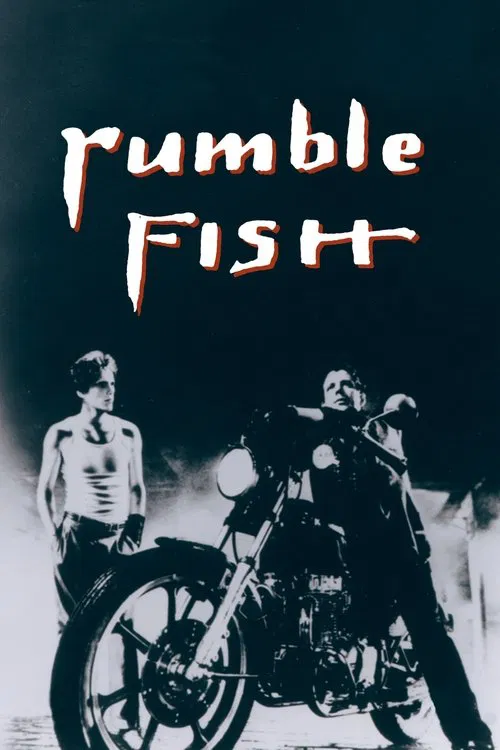
    Rumble Fish

    Francis Ford Coppola · 1983

    Clocks keep appearing, along with time-lapse clouds racing across the sky. They tell you time is passing faster than the characters realize. The images tie every scene to the idea of lost time.

    Where to see it: The clocks and the sky. Clocks and fast-moving clouds recur between scenes, setting a ticking pace.

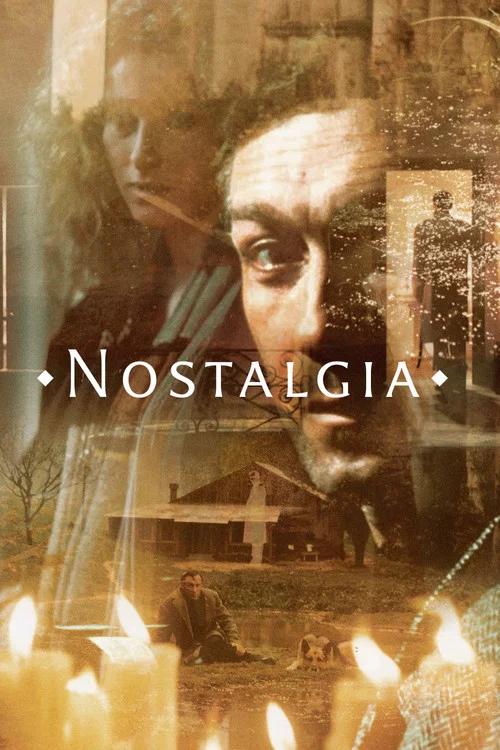
  20. Nostalgia (1983) poster

    Nostalgia

    Andrei Tarkovsky · 1983

    The candle is a small flame that must cross a pool without going out. Domenico gives it to Andrei and asks him to finish the walk. Carrying it becomes an act of faith.
    Where to see it: The candle walk. Andrei walks the length of the drained pool at Bagno Vignoni, relighting the candle.

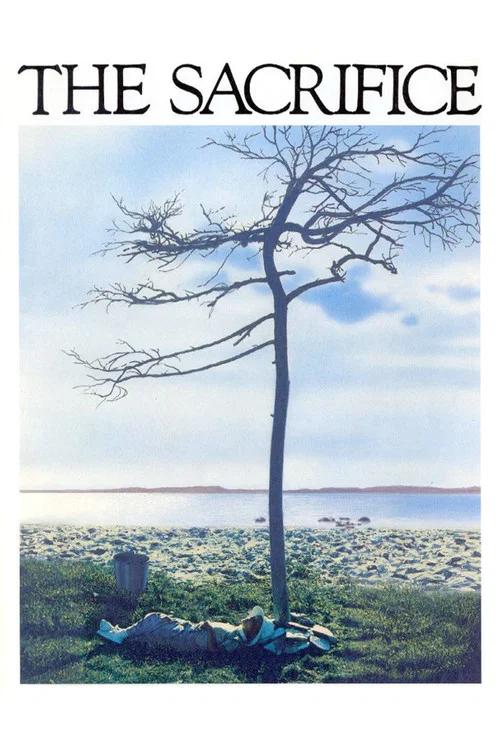
  21. The Sacrifice (1986) poster

    The Sacrifice

    Andrei Tarkovsky · 1986

    The dead tree that Alexander plants with his son at the start returns at the end. It stands for faith, patience and the hope that something might grow. The film keeps coming back to it.
    Where to see it: The tree planting. Alexander plants the tree with Little Man at the start of the film.
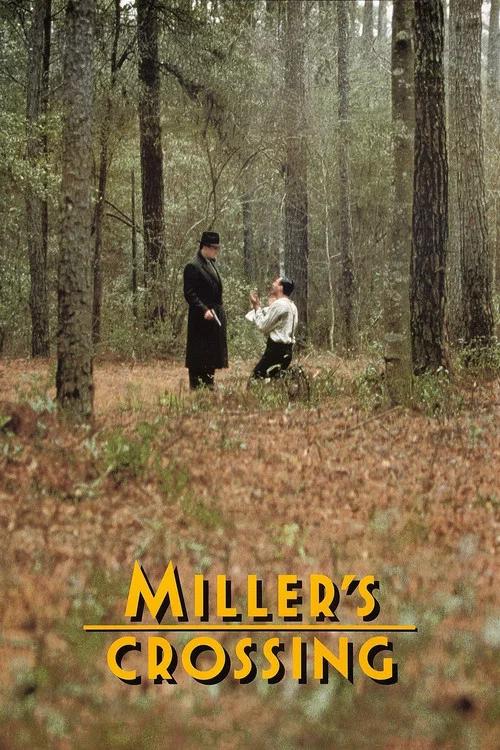
  22. Miller's Crossing (1990) poster

    Miller's Crossing

    Joel Coen, Ethan Coen · 1990

    Tom's hat keeps coming back. The title sequence shows a hat resting in a forest clearing and blowing away on the wind. Later Tom asks where it went after a drunk night, goes to Verna's door to get it and tells her about a dream where he chases it. The hat comes to stand for his control over his own life.

    Where to see it: The title sequence. A black hat lies on the forest floor, then a gust of wind lifts it and sends it flying down an avenue of trees.

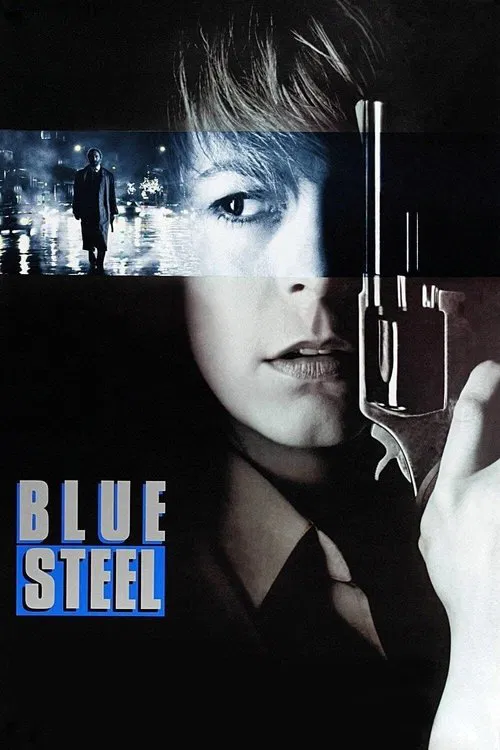
  23. Blue Steel (1990) poster

    Blue Steel

    Kathryn Bigelow · 1990

    The robber's gun is the engine of the story. Eugene Hunt takes it in the confusion and carves Turner's name on a spent cartridge. The missing weapon also makes her look guilty, so the object ties together her career, his obsession and the killings.

    Where to see it: The supermarket robbery: Turner shoots the robber and his gun lands near Hunt, who takes it and slips away.

  24. The Fisher King (1991) poster

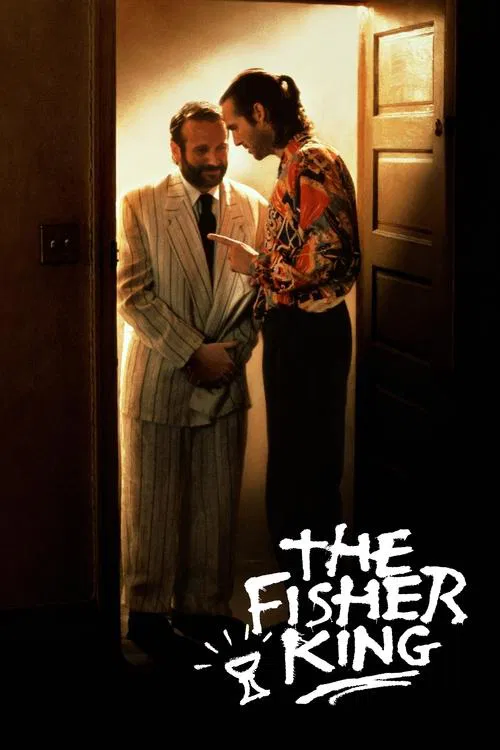
    The Fisher King

    Terry Gilliam · 1991

    A trophy cup in a mansion becomes the Holy Grail for Parry. Jack's decision to break in and steal it shows he is ready to act for someone else. The cup carries the film's idea that small kindness can heal.

    Where to see it: The mansion break-in. Jack sneaks into a mansion to take the trophy cup Parry believes is the Grail.

  25. The Double Life of Véronique (1991) poster

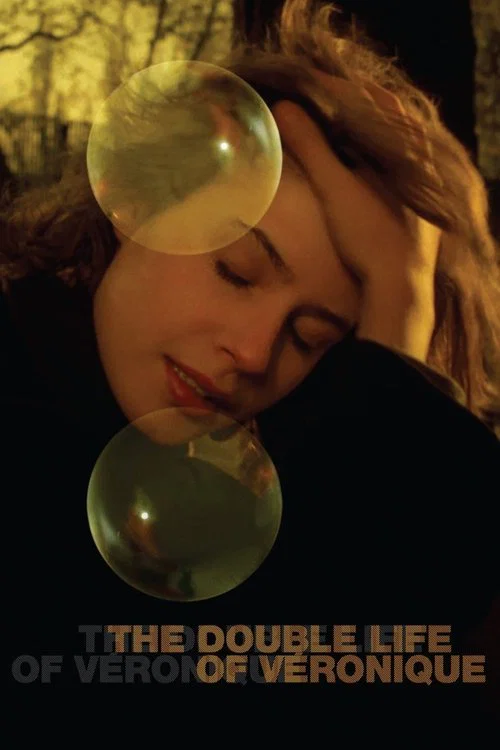
    The Double Life of Véronique

    Krzysztof Kieślowski · 1991

    Marionettes keep coming back, from a school puppet show to the puppeteer who signals to Véronique at a traffic light. They stand for how a life can be moved by strings you cannot see. The idea is clear before the plot explains it.

    Where to see it: The puppet workshop: Véronique visits Alexandre and sees 2 marionettes that look like her. He tells her he needs a second one as a backup in case the first gets damaged.

  26. Cronos (1993) poster

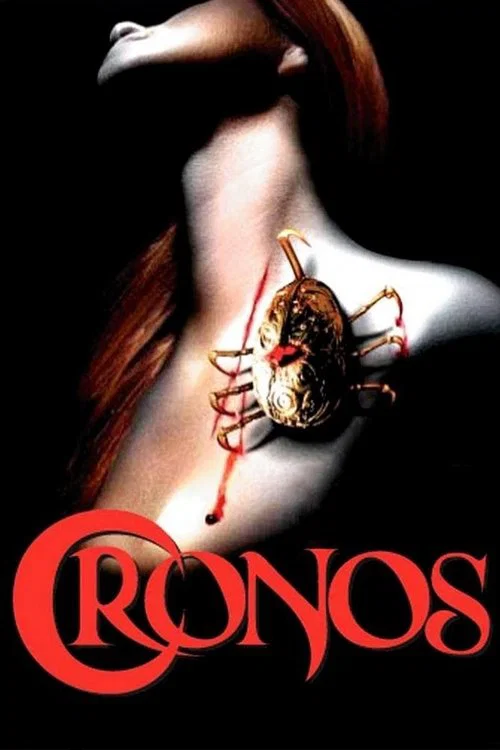
    Cronos

    Guillermo del Toro · 1993

    The scarab-shaped device is in nearly every important scene. It is found in the statue, wound by Gris, wanted by Dieter and finally destroyed. Each time it appears, it means more: eternal life, addiction and a trap, all in one small machine.

    Where to see it: The statue: Jesus Gris finds the device in the hollow base of an archangel statue, winds it and feels its legs grip his hand.

  27. The Shawshank Redemption (1994) poster

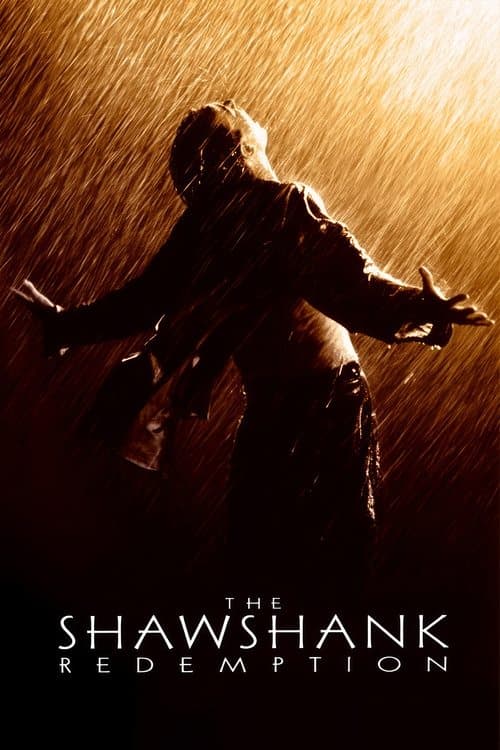
    The Shawshank Redemption

    Frank Darabont · 1994

    The rock hammer, the library books, the film posters and finally the stone are each introduced for a practical reason. Each comes back as a symbol of Andy refusing to let the prison define him. Alongside that, the chess pieces he carves from stone show his inner life against the prison's blank walls.

    Where to see it: Red opening the tin under the oak tree. The letter and the money inside are the last symbolic objects in the film.

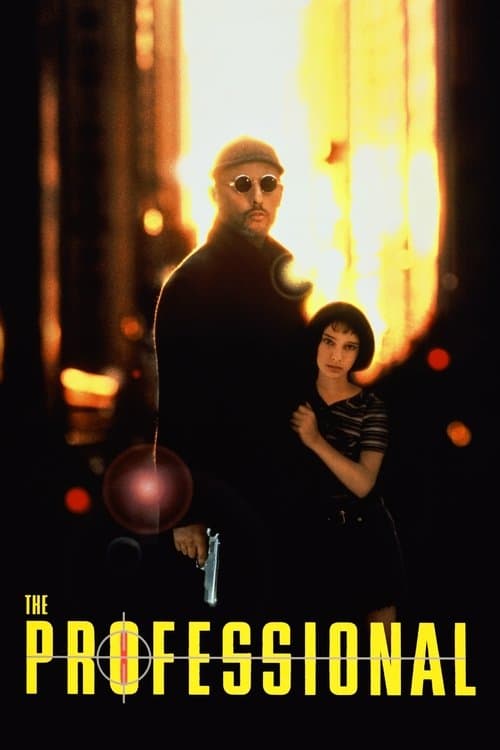
  28. Léon: The Professional (1994) poster

    Léon: The Professional

    Luc Besson · 1994

    Léon's potted plant is the only thing he owns that he looks after and protects. It travels with him, and it is the only proof that he can care for something. The plant shows you he can get attached before Mathilda ever arrives. So when he starts caring for her, it feels like a natural next step for a side of him he keeps hidden.

    Where to see it: Léon carrying the plant. At the end of the film, Mathilda is the one who plants it in the ground.

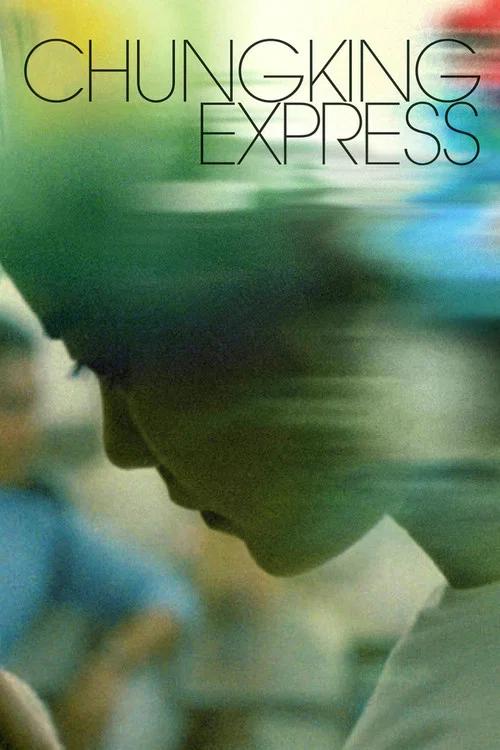
  29. Chungking Express (1994) poster

    Chungking Express

    Wong Kar-wai · 1994

    Cans of pineapple stand for the date by which a relationship must be saved or ended. The cans are cheap food and also a countdown. Cop 223 uses them to put a number on his heartache.

    Where to see it: The expiry dates. He buys cans stamped to expire on May 1st, his birthday, and keeps count of them.

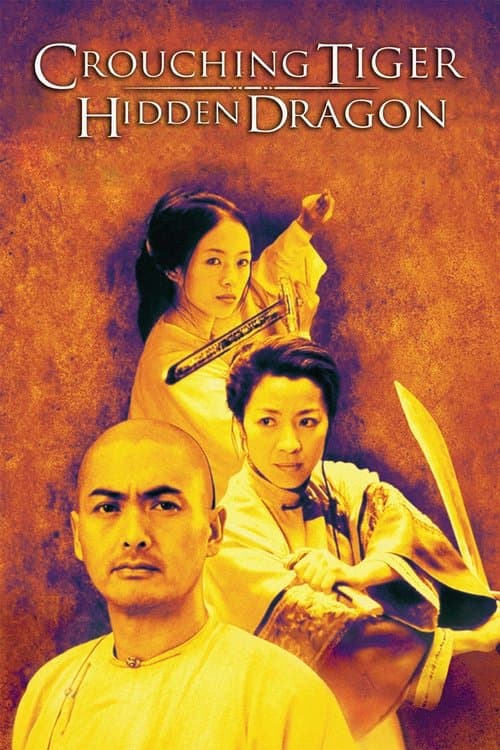
  30. Crouching Tiger, Hidden Dragon (2000) poster

    Crouching Tiger, Hidden Dragon

    Ang Lee · 2000

    The Green Destiny sword is the film's central symbol. It stands for mastery, freedom and the question of who is entitled to both. In Li Mu Bai's hands, it is disciplined power. In Jen's, it is undisciplined desire. Its theft matters more as a question of ideas than as a crime. The film is built around who the sword truly belongs to.

    Where to see it: Jen's theft of the Green Destiny. The sword's meaning shifts from a tool of discipline to a tool of rebellion. What the film is saying changes each time the sword passes between characters.

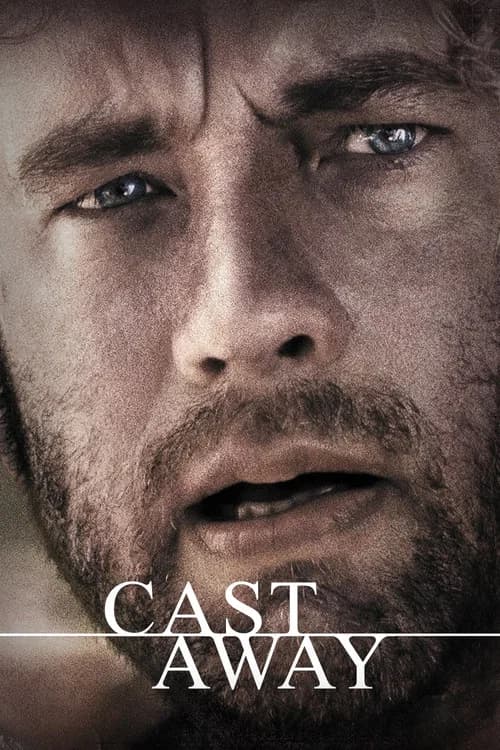
  31. Cast Away (2000) poster

    Cast Away

    Robert Zemeckis · 2000

    Wilson the volleyball gets decorated with a handprint, named, talked to and mourned. He becomes the most important character in the film. Chuck's relationship with a lifeless object holds pretty much everything the film has to say about the human need for connection and the things we make to survive loneliness.

    Where to see it: Wilson floating away in the ocean. Chuck cries for a volleyball and you cry with him. By then, the object has built up enough meaning that losing it is truly devastating.

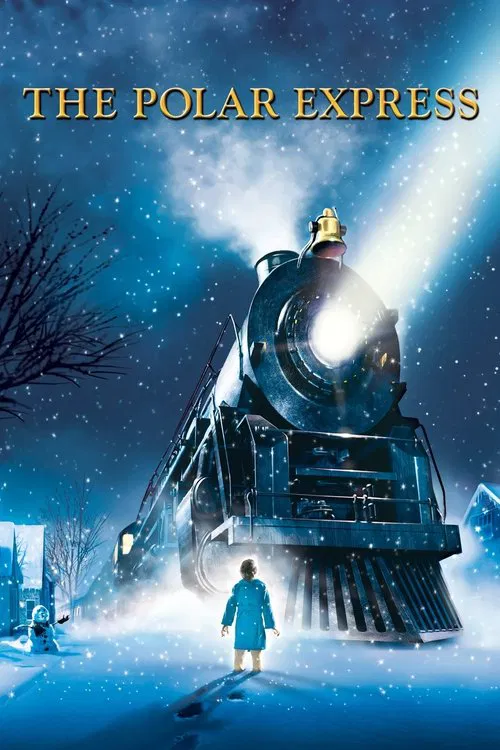
  32. The Polar Express (2004) poster

    The Polar Express

    Robert Zemeckis · 2004

    The sleigh bell returns again and again, and it means belief. Only those who believe can hear it. By the end, it stands for the film's whole idea.

    Where to see it: The bell: A bell falls at Christopher's feet at the North Pole, and he can hear it only when he believes.

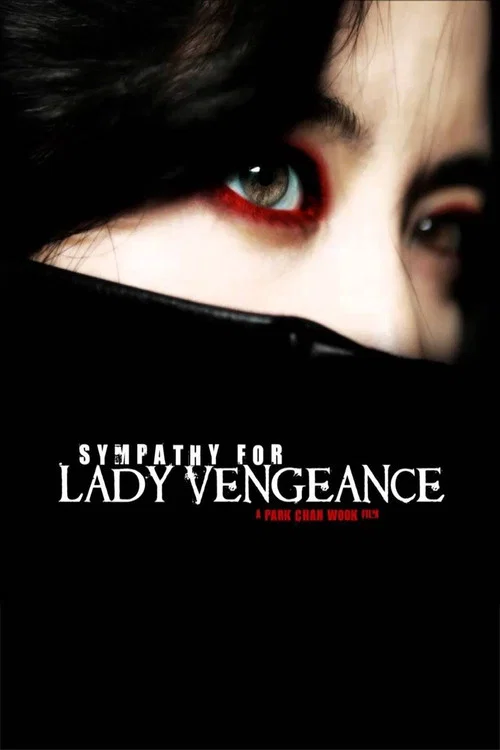
  33. Lady Vengeance (2005) poster

    Lady Vengeance

    Park Chan-wook · 2005

    A Christian group waits outside the prison with a block of white tofu, which you can read as an invitation to start clean. The film ends on a white-frosted cake. You can read the cake as the tofu's answer.

    Where to see it: The final bakery scene. Geum-ja shares a cake with her daughter Jenny and buries her face in it as Jenny hugs her.

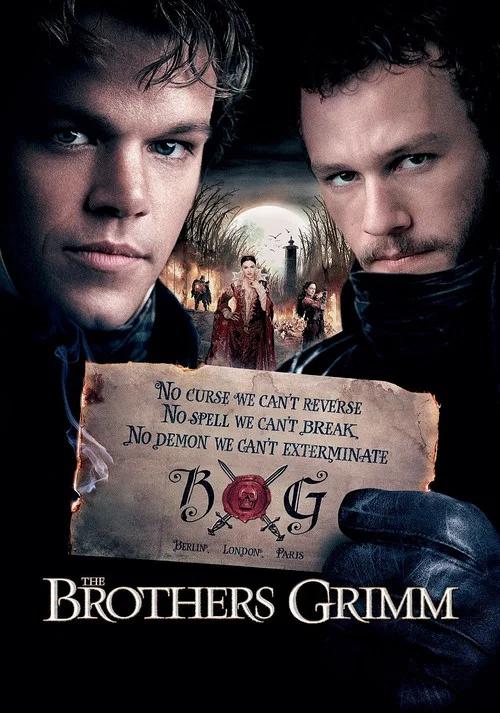
  34. The Brothers Grimm (2005) poster

    The Brothers Grimm

    Terry Gilliam · 2005

    The Queen's magic mirror shows Jake her youthful face, and he is nearly seduced by it. It stands for the vanity that drove her to build the tower and cheat death. The glass is both the villain's weapon and her motive.

    Where to see it: Inside the tower. Jake finds the aged Queen alive and almost falls for her young reflection in the mirror.

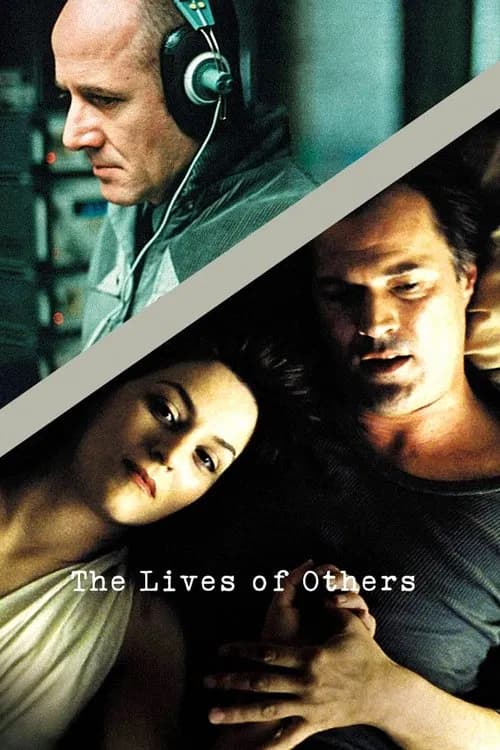
  35. The Lives of Others (2006) poster

    The Lives of Others

    Florian Henckel von Donnersmarck · 2006

    The typewriter is the physical form of everything the state wants to destroy. It's the writer's secret voice, his hidden resistance and the 1 thing he keeps when everything else is monitored. If it were found, the film would end differently. It stays hidden because of Wiesler's choice.

    Where to see it: The search of Dreyman's apartment. The typewriter is hidden under a floorboard, and the film's climax turns on whether it gets found.

  36. Pan's Labyrinth (2006) poster

    Pan's Labyrinth

    Guillermo del Toro · 2006

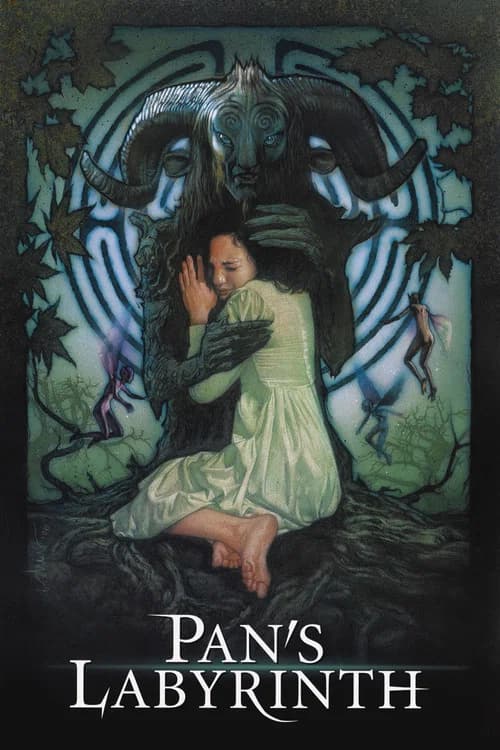
    The chalk door, the book of tasks and the mandrake root each stand for something specific. The chalk door is Ofelia's power to act, the ability to make an opening where there is none. The book shows that her story has already been written. The mandrake root ties the fantasy to the physical body, and neither world can fully explain how.

    Where to see it: Ofelia drawing the chalk door on her bedroom wall to reach the Pale Man's lair. The fantasy gets into the real world, and she creates her own power to act by drawing it.

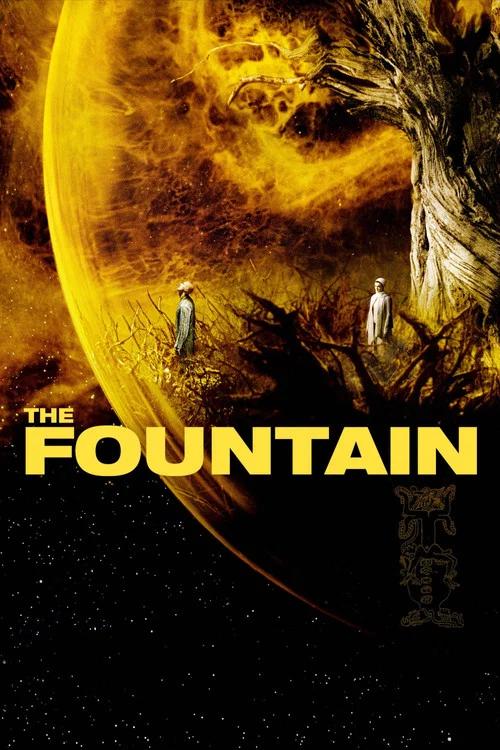
  37. The Fountain (2006) poster

    The Fountain

    Darren Aronofsky · 2006

    The Tree of Life appears in every timeline. Tomás hunts for it, Tommy tests a sample from it and Tom carries one in a bubble. The same object changes meaning each time.

    Where to see it: The tree in the bubble. Tom tends the tree as the ship heads toward a dying star.

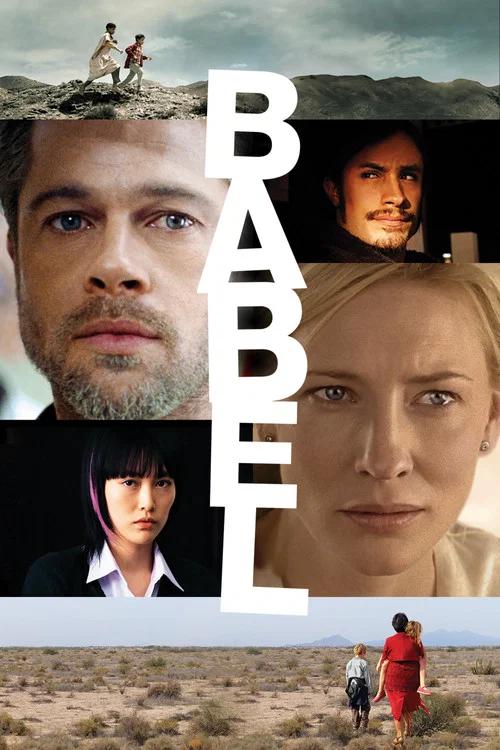
  38. Babel (2006) poster

    Babel

    Alejandro González Iñárritu · 2006

    The rifle moves from hand to hand, and every owner is tied to the harm that follows. A hunting gift from a Japanese tourist ends up with two boys in Morocco. It stands for how one choice reaches far beyond the person who made it.

    Where to see it: The rifle's journey: Yasujiro gives his rifle to Hassan, his hunting guide. Hassan sells it to Abdullah, who gives it to his sons, and Susan is shot with it.

  39. Lust, Caution (2007) poster

    Lust, Caution

    Ang Lee · 2007

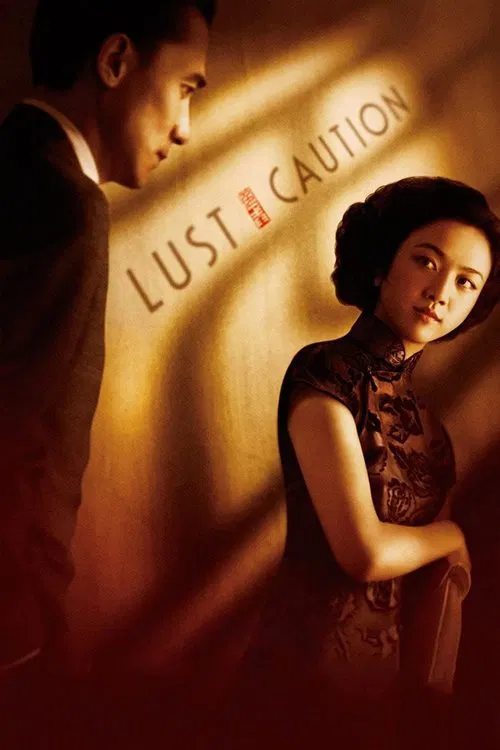
    The pink diamond ring is both a gift and the bait for an ambush. In Chinese, the title can also be read as "colored ring", so the object is built into the film's name. When the plan fails, the ring ends up back in Yee's hands.

    Where to see it: Yee's order: Yee sends Wong to a jeweler with a sealed envelope. She finds he has arranged for a rare six-carat pink diamond to be mounted in a ring for her.

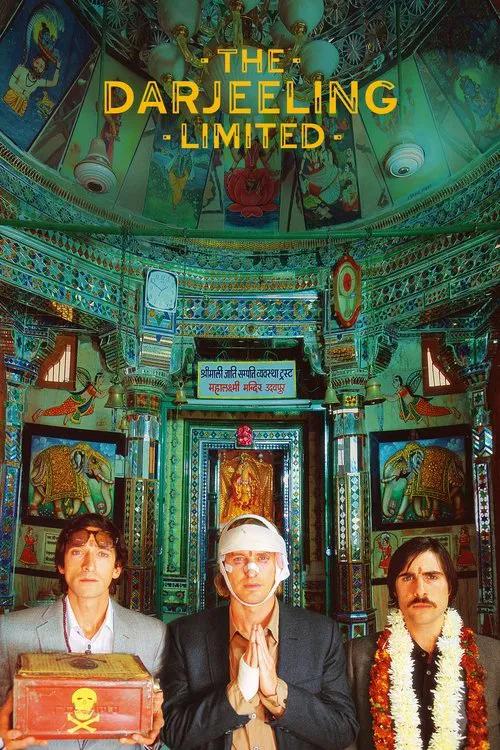
  40. The Darjeeling Limited (2007) poster

    The Darjeeling Limited

    Wes Anderson · 2007

    The father's luggage travels with the brothers across India. You can read it as the grief they keep carrying. They only get rid of the bags at the very end.

    Where to see it: The luggage drop: As the brothers run for the Bengal Lancer, they abandon their father's luggage along the way. On board, Francis offers to return their passports and they tell him to hold onto them.

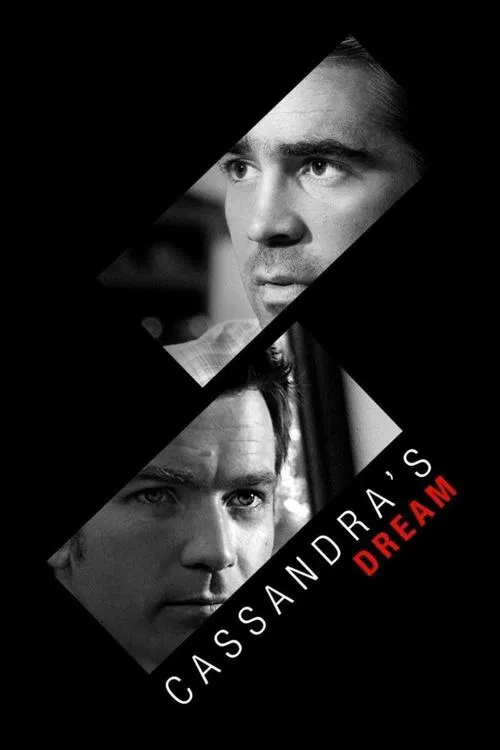
  41. Cassandra's Dream (2007) poster

    Cassandra's Dream

    Woody Allen · 2007

    The boat is named Cassandra's Dream after the greyhound that won Terry the money to buy it. It starts as a sign of hope for the brothers. It stays in beautiful condition while everything on board goes wrong, and it is found drifting at the end.

    Where to see it: The boat's discovery. The police find Cassandra's Dream adrift and still in beautiful condition, and decide Terry killed Ian and drowned himself.

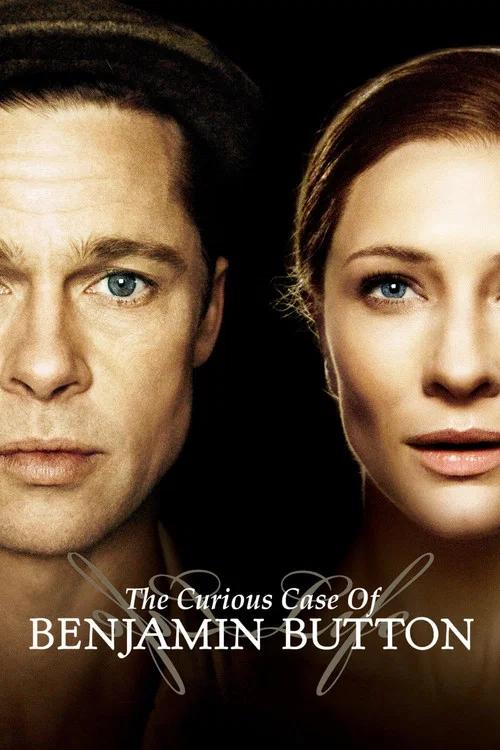
  42. The Curious Case of Benjamin Button (2008) poster

    The Curious Case of Benjamin Button

    David Fincher · 2008

    A blind clockmaker builds a train station clock that runs backward, as a memorial to men killed in World War I. It is replaced by a digital clock in 2002, but the original keeps ticking backward in a flooded storage room after Hurricane Katrina. The clock echoes Benjamin's own life.

    Where to see it: The backward clock. In 1918 the clockmaker Gateau builds a clock for the New Orleans station that runs in reverse.

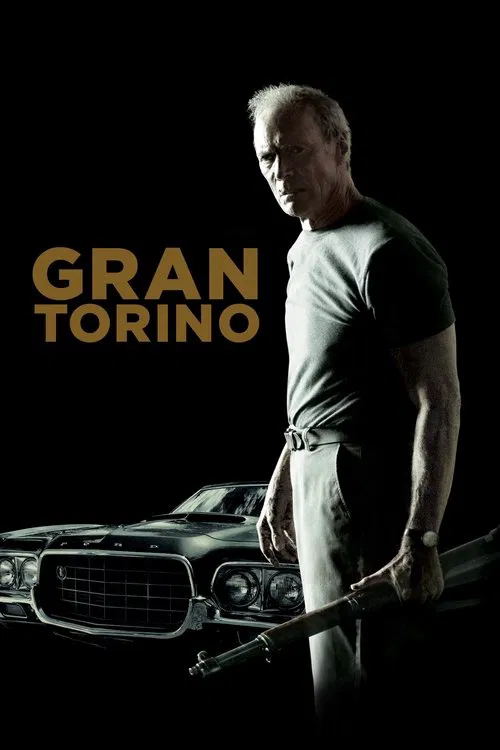
  43. Gran Torino (2008) poster

    Gran Torino

    Clint Eastwood · 2008

    The car is the center of the story. Thao tries to steal it as a gang initiation, and Walt treasures it. At the end, Walt's Zippo lighter becomes the second object that decides everything.

    Where to see it: Garage theft: Thao is coerced by his cousin Spider to steal Walt's 1972 Gran Torino. Walt catches him and nearly shoots him.

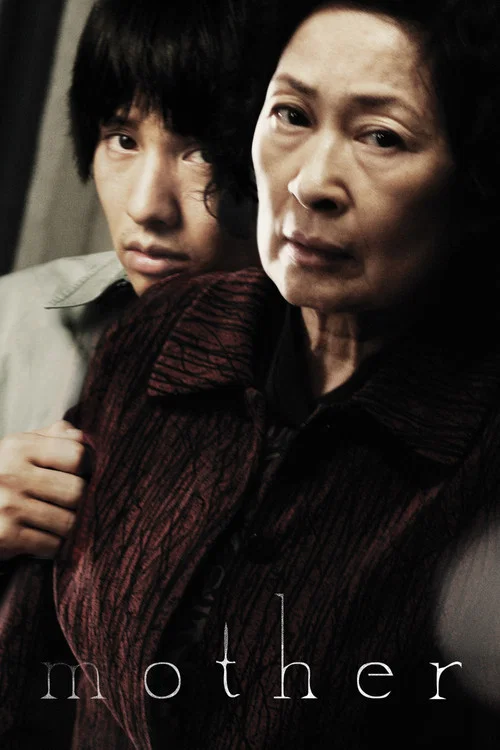
  44. Mother (2009) poster

    Mother

    Bong Joon-ho · 2009

    Her acupuncture kit begins as a tool of her trade and ends as a way to forget. When Do-joon gives it back to her, you understand what it means to them both. The object holds the film's whole secret.

    Where to see it: The kit returned. Do-joon hands her the acupuncture kit, and she uses it to erase the memory of what they did.

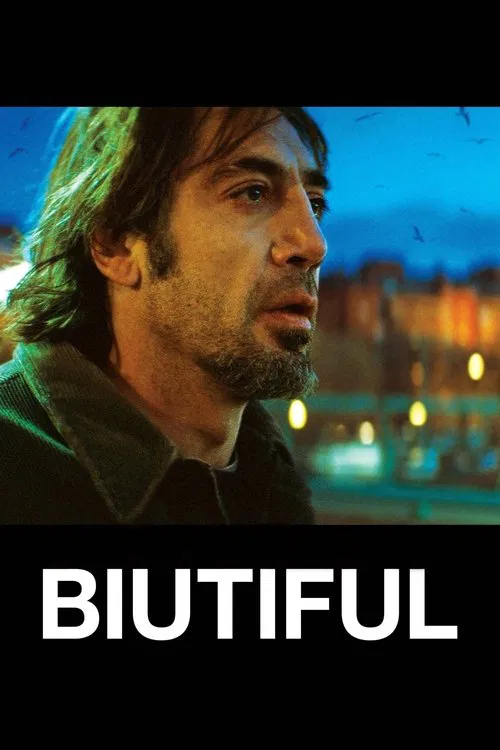
  45. Biutiful (2010) poster

    Biutiful

    Alejandro González Iñárritu · 2010

    A ring and two stones carry the love Uxbal cannot say. He hands objects to his children as his last gifts. They make an unspoken goodbye physical.

    Where to see it: Ring: just before he dies, Uxbal gives Ana a diamond ring his father once gave to his mother. He lies down beside her and dies.

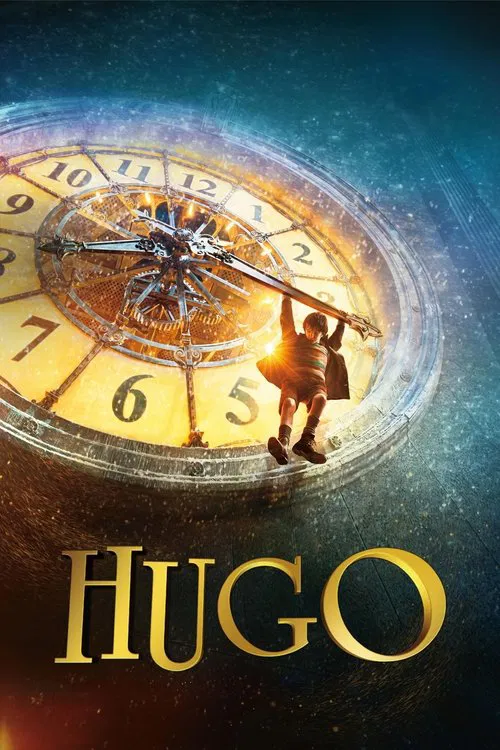
  46. Hugo (2011) poster

    Hugo

    Martin Scorsese · 2011

    The mechanical man, called an automaton, and the heart-shaped key that starts it keep coming back. They begin as a puzzle for Hugo. Later they become the way Georges Méliès is found again, so the object ties the boy's grief to the old filmmaker's lost work.

    Where to see it: The automaton drawing scene. Once Isabelle's key winds it up, the machine draws a scene from A Trip to the Moon and signs it Georges Méliès.

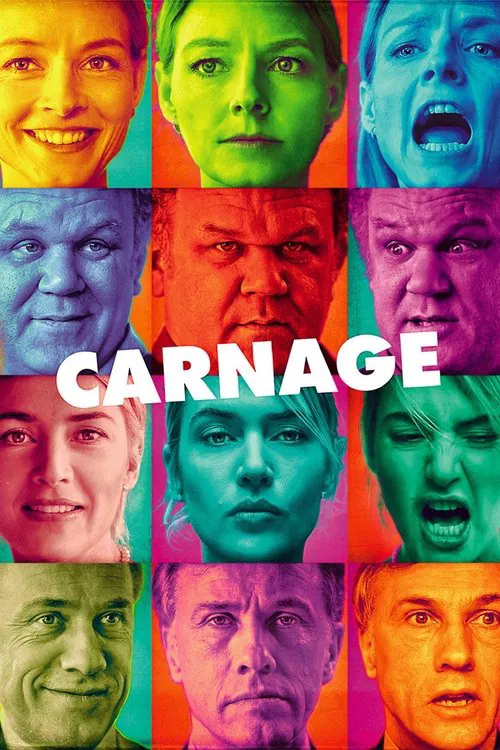
  47. Carnage (2011) poster

    Carnage

    Roman Polanski · 2011

    A few small things keep coming back: the hamster Michael let loose, the tulips and Alan's phone. They carry the arguments, since each is a way to attack someone without saying so directly.

    Where to see it: The phone in the vase: Nancy drops Alan's phone into a vase of tulips to stop his calls. Penelope and Nancy laugh while the men try to dry it.

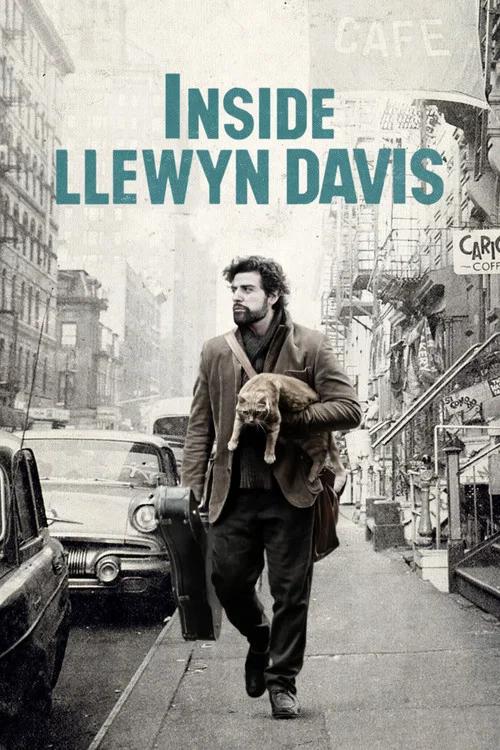
  48. Inside Llewyn Davis (2013) poster

    Inside Llewyn Davis

    Joel Coen, Ethan Coen · 2013

    A ginger cat escapes the Gorfeins' apartment, and Llewyn carries it around town. He leaves a cat in a car and later hits a cat on a road. At the end, the real cat, Ulysses, has found his way home. The cat can go back where Llewyn cannot.

    Where to see it: The cat's return. Llewyn visits the Gorfeins and sees that their cat Ulysses made his own way home.

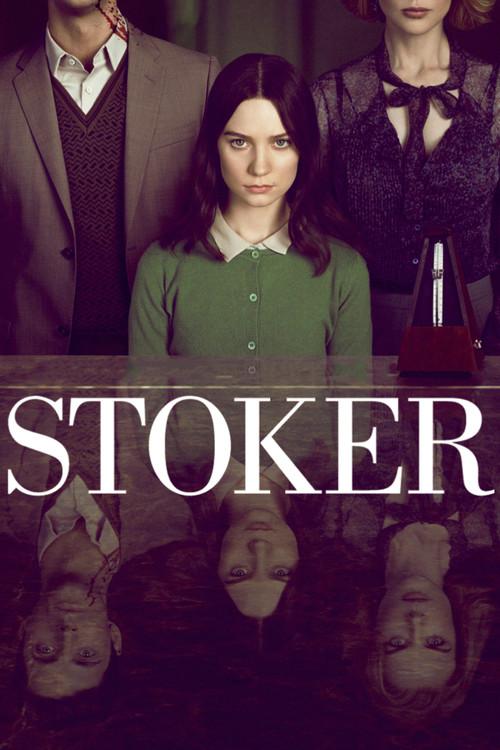
  49. Stoker (2013) poster

    Stoker

    Park Chan-wook · 2013

    India wears childish saddle shoes. On her birthday, Charlie gives her stiletto heels. The change in shoes marks her change from girl to something darker.

    Where to see it: The stiletto heels. Charlie gives India the new shoes, which replace her saddle shoes.

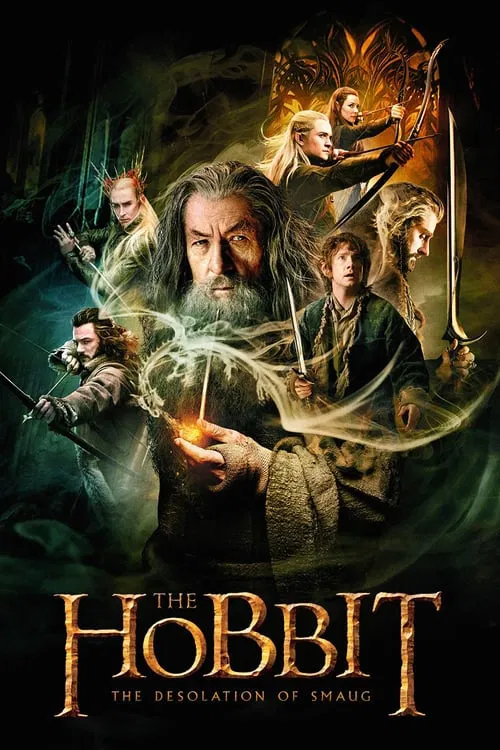
  50. The Hobbit: The Desolation of Smaug (2013) poster

    The Hobbit: The Desolation of Smaug

    Peter Jackson · 2013

    The ring keeps coming back, and each time it shows what it does to Bilbo. When he drops it, he turns violent to get it back. It moves the plot and also stands for the way small temptations grow.

    Where to see it: Mirkwood: After Bilbo drops the ring, he kills a giant centipede to retrieve it.

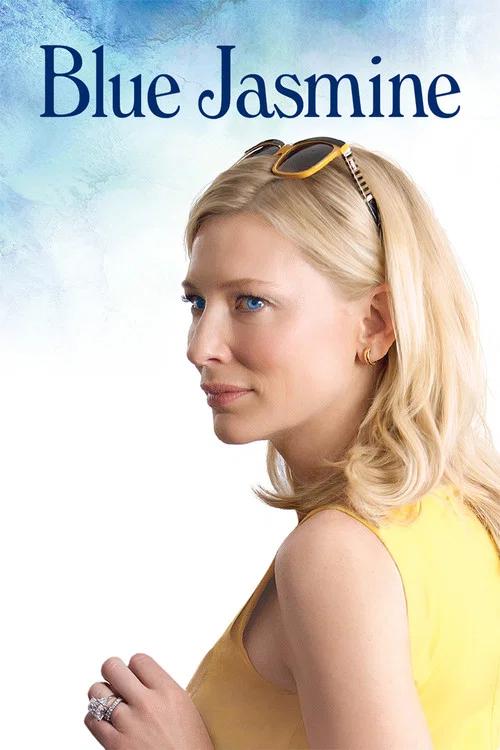
  51. Blue Jasmine (2013) poster

    Blue Jasmine

    Woody Allen · 2013

    Jasmine wears a white Chanel jacket through the film. The costume designer had two copies, a new one for the flashbacks of her rich life and a worn-looking one for San Francisco. The jacket shows you how far she has fallen while she keeps holding on to what it stood for.

    Where to see it: The jacket. Jasmine wears it in both timelines, new in New York and shabby in San Francisco.

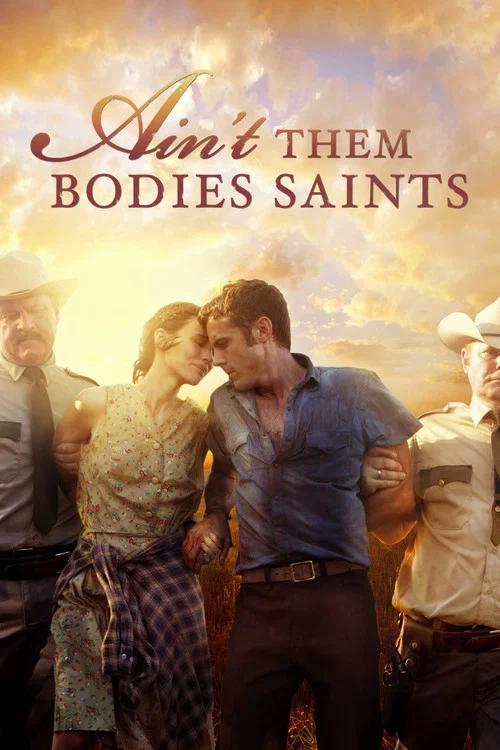
  52. Ain't Them Bodies Saints (2013) poster

    Ain't Them Bodies Saints

    David Lowery · 2013

    Bob's letters from prison promise he will come back to his family. After he escapes, the police read them and Patrick returns them to Ruth. They go from a promise to evidence, which says a lot about how the film sees love and the law.

    Where to see it: Letters: Bob writes Ruth from jail promising to be back with her and their child. After he escapes, Patrick visits Ruth to give her letters back that the police had looked over.

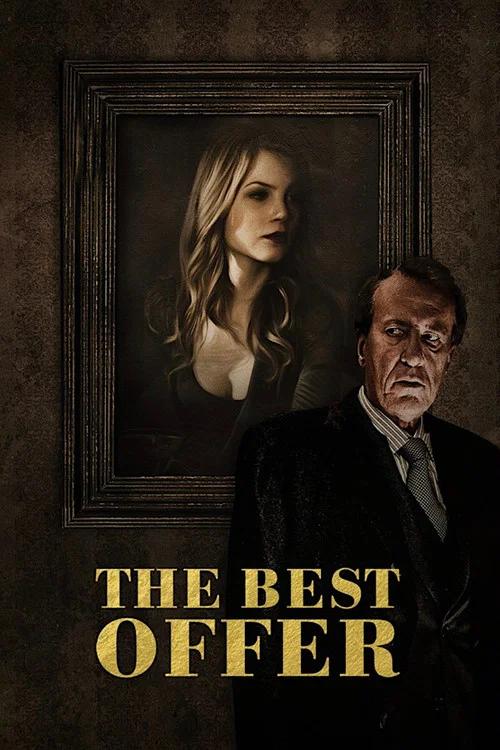
  53. The Best Offer (2013) poster

    The Best Offer

    Giuseppe Tornatore · 2013

    Parts of an automaton by an 18th-century inventor are found at the villa. Virgil has them rebuilt, and the machine takes shape as the plot does. It ends up as the only thing left, a cold copy of something that seemed alive.

    Where to see it: The automaton: At the villa, Virgil finds mechanical parts and hires Robert to rebuild them. At the end the automaton plays a recorded message from Robert.

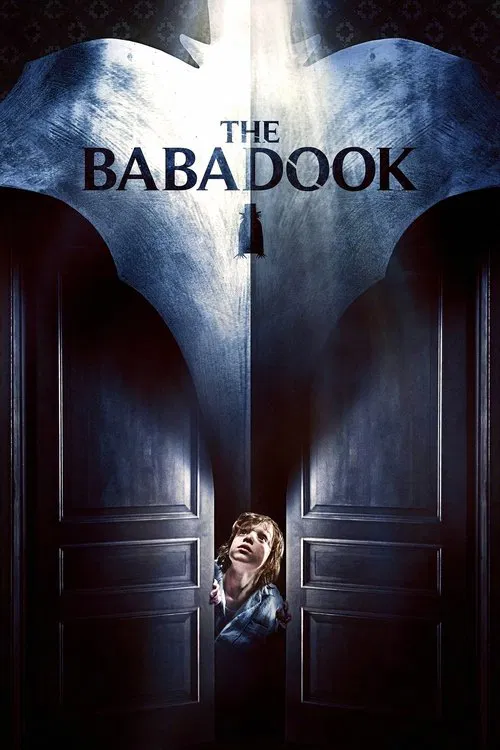
  54. The Babadook (2014) poster

    The Babadook

    Jennifer Kent · 2014

    The pop-up book is the first time you see the Babadook. Amelia tries to get rid of it, but it keeps coming back. That makes it feel like the grief she refuses to deal with.

    Where to see it: The book's return. Amelia tears up Mister Babadook and throws it away. It turns up on her doorstep glued back together, with new pages showing her killing the dog, Sam and herself.

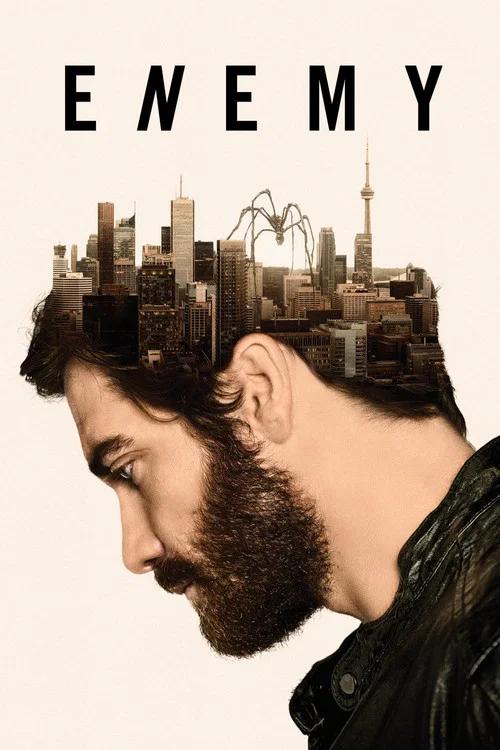
  55. Enemy (2014) poster

    Enemy

    Denis Villeneuve · 2014

    Spiders show up again and again: a woman with a spider's head in a dream, a skyscraper-sized spider over the skyline and a shattered car window that forms a web. They stand for the fear that Adam can't face. By the end, the spider is physically in the room.

    Where to see it: The final scene. Adam, dressed in Anthony's clothes, goes looking for Helen and finds a room-sized tarantula instead.

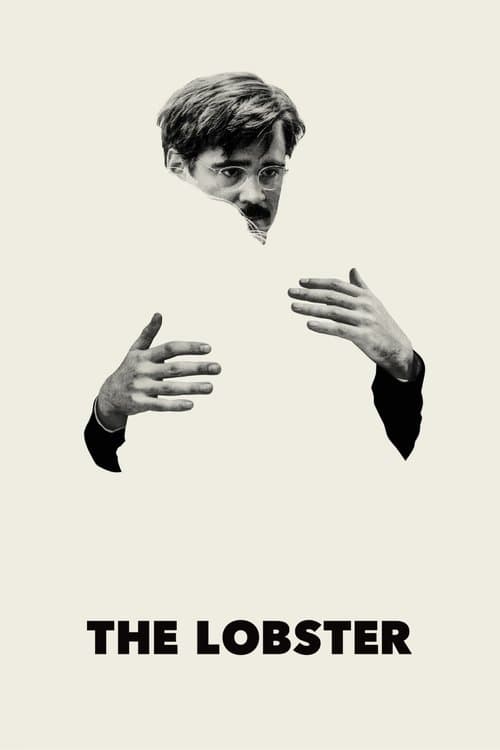
  56. The Lobster (2015) poster

    The Lobster

    Yorgos Lanthimos · 2015

    Each person picks the animal they will become if they fail, and David picks a lobster. That animal is the film's central symbol. The choice is never random, because the animal is a self-portrait. David wants a lobster because it is long-lived, blue-blooded and fertile. It is the moment he shows the most self-knowledge, and the animal defines him before the story begins.

    Where to see it: David's explanation of his lobster choice. The animal is a self-portrait. It introduces the film's ideas about identity and how people see themselves.

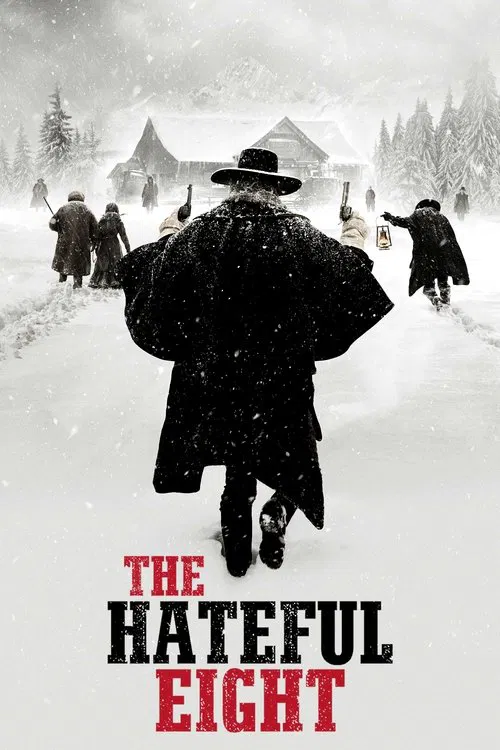
  57. The Hateful Eight (2015) poster

    The Hateful Eight

    Quentin Tarantino · 2015

    Warren's letter from Abraham Lincoln keeps coming back. It turns out to be fake, but it still gives him leeway. It stands for how much people believe what they want to believe.

    Where to see it: Lincoln letter: Warren shows the letter, Mannix concludes it is fake and Warren admits he forged it.

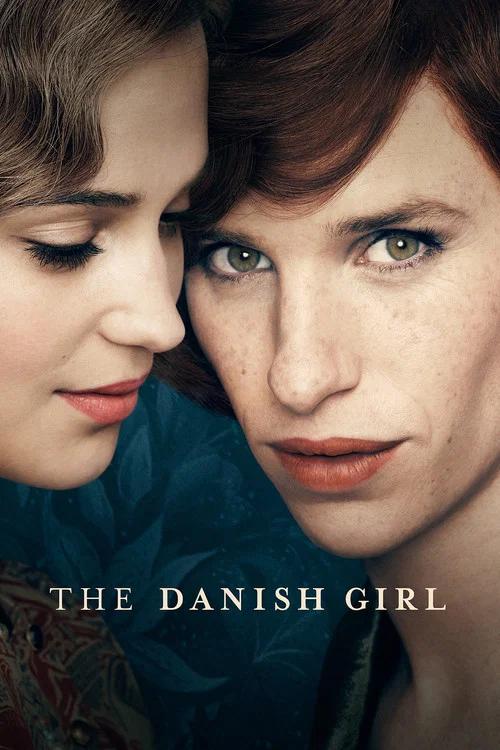
  58. The Danish Girl (2015) poster

    The Danish Girl

    Tom Hooper · 2015

    A scarf that Lili gave to Gerda becomes a small marker of their bond. It reappears at the very end, when the wind takes it. Losing it feels like losing Lili.

    Where to see it: Epilogue: Gerda and Hans visit the hilltop where Lili and Hans grew up. The scarf Lili gave Gerda blows away in the wind.

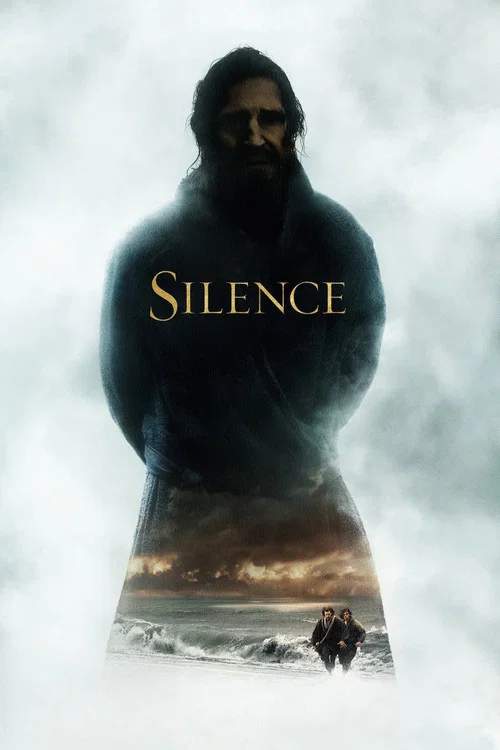
  59. Silence (2016) poster

    Silence

    Martin Scorsese · 2016

    The fumi-e and the cross appear again and again. Each time, the object is a test of faith. In the last scene, a small crude crucifix turns up in the dead man's hand, which you can read as the film's final answer.

    Where to see it: Rodrigues's funeral. He is given a Buddhist burial, and his wife places a small crucifix in his hand inside the coffin.

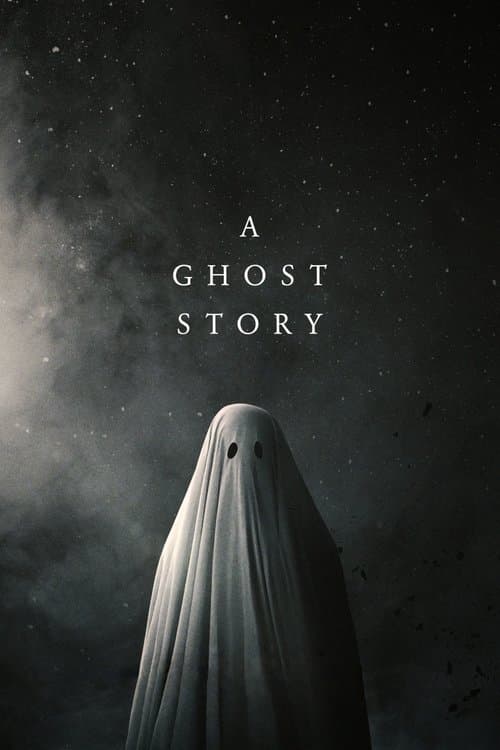
  60. A Ghost Story (2017) poster

    A Ghost Story

    David Lowery · 2017

    The note M leaves in the wall crack is the emotional center of the film. C spends the entire runtime trying to reach it. When it is finally read, its contents pretty much are what the film has to say about being remembered.

    Where to see it: C digging at the wall crack. He tries again and again to get the note out and keeps getting frustrated. It is the main action of the film and its most devastating image.

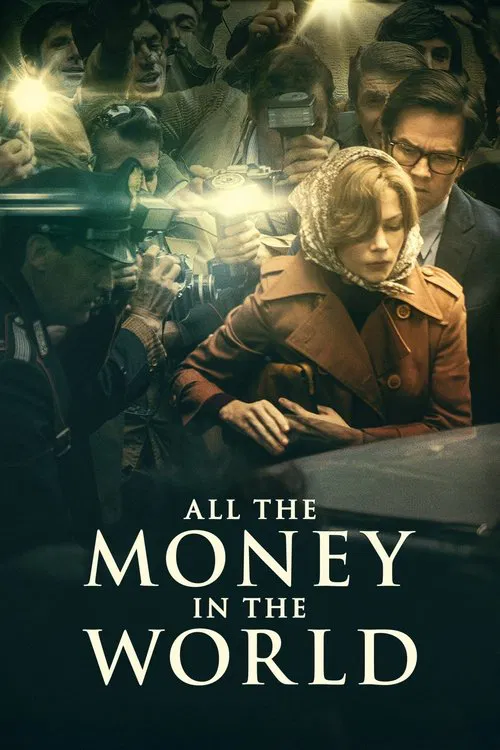
  61. All the Money in the World (2017) poster

    All the Money in the World

    Ridley Scott · 2017

    Getty is shown among his art and antiques, and he handles them with great care. Set beside his coldness about the ransom, the objects suggest he trusts things more than people. That is one way to read his refusal to pay.

    Where to see it: Getty at home: The billionaire explains why he will not pay the ransom while surrounded by his collection of art.

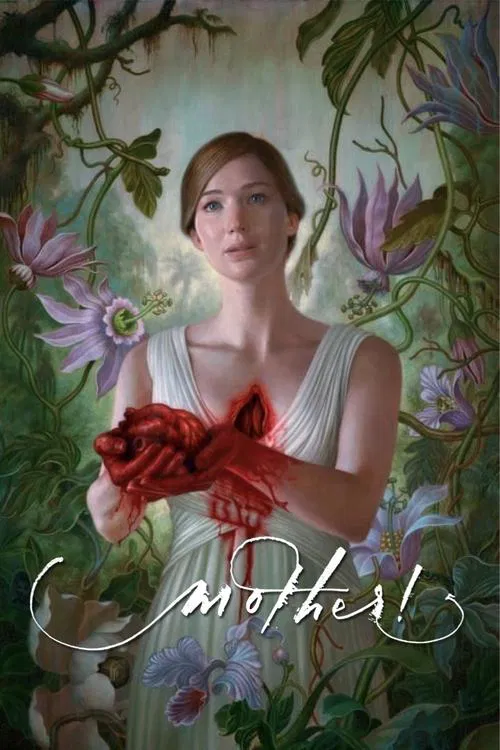
  62. mother! (2017) poster

    mother!

    Darren Aronofsky · 2017

    The crystal on the pedestal in the poet's study is treasured and then broken by guests. Its breaking starts the chain of damage to the house. The object gathers the film's idea of what is precious.

    Where to see it: The broken crystal. Two guests accidentally shatter the crystal from the poet's study, and the trouble in the house begins to spread.

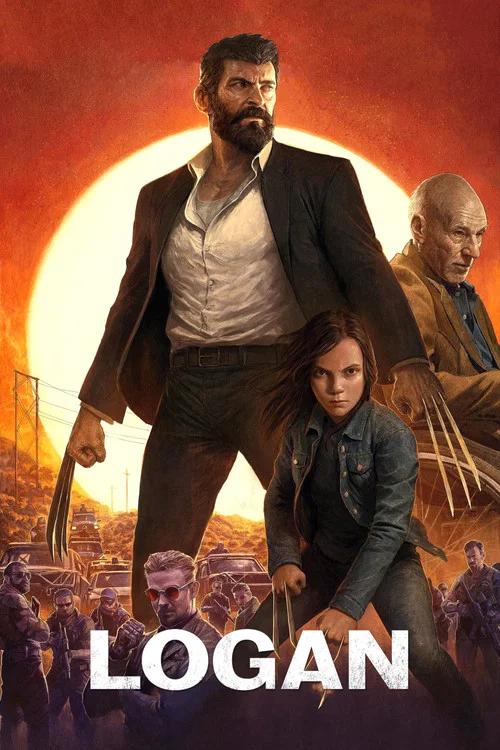
  63. Logan (2017) poster

    Logan

    James Mangold · 2017

    One adamantium bullet turns up again and again. Logan once kept it as a way out, and Laura finds it among his things. When it is finally fired, it stands for the choice he makes to stay and protect her.

    Where to see it: North Dakota: Laura finds the adamantium bullet Logan had once considered using on himself. He still refuses to join the children crossing into Canada.

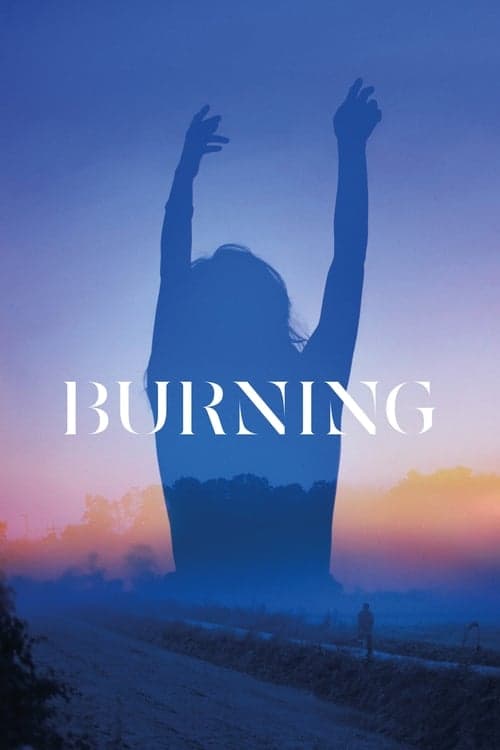
  64. Burning (2018) poster

    Burning

    Lee Chang-dong · 2018

    The greenhouses Ben claims to burn are the film's central symbol. They are never shown and possibly don't exist. They stand in for all the things that disappear without a trace in a world divided by wealth. Alongside them, there is Hae-mi's cat, her watch found at Ben's apartment and the anger of Jong-su's father. All of these gather around an absence the film will not fill.

    Where to see it: Jong-su searching for the burned greenhouse. The missing object is the film's point. He looks for evidence of destruction and finds nothing, which proves nothing.

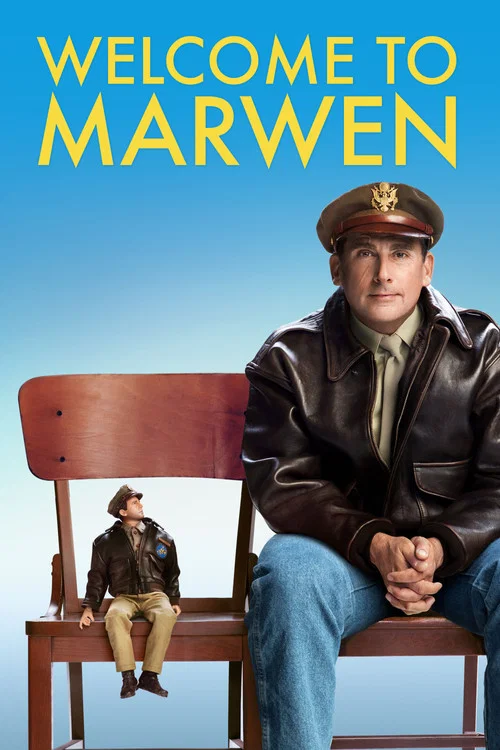
  65. Welcome to Marwen (2018) poster

    Welcome to Marwen

    Robert Zemeckis · 2018

    The women's shoes first appear in the doll world when the pilot finds them after his own shoes burn. The doll Nazis taunt him for wearing them, which echoes the real attack that began after Mark told men he was a cross-dresser. The shoes carry the story's idea of shame and acceptance.

    Where to see it: The doll pilot's shoes: After the crash, the pilot puts on women's shoes he finds, and the German soldiers taunt him for it.

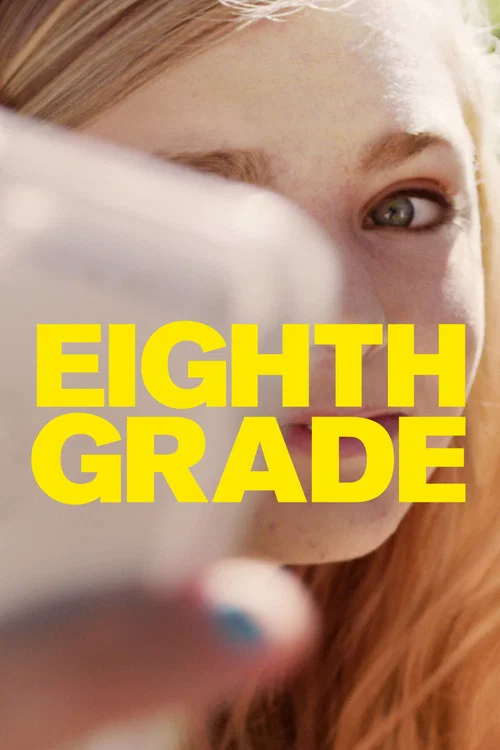
  66. Eighth Grade (2018) poster

    Eighth Grade

    Bo Burnham · 2018

    A time capsule that Kayla made in sixth grade bookends the film. At the start it holds a hopeful message to her future self. By the end she has a different message to bury, which shows how much she has changed in a week.

    Where to see it: The time capsule. Kayla watches her sixth-grade video, burns it with her dad, and later buries a new one with a message to her future self.

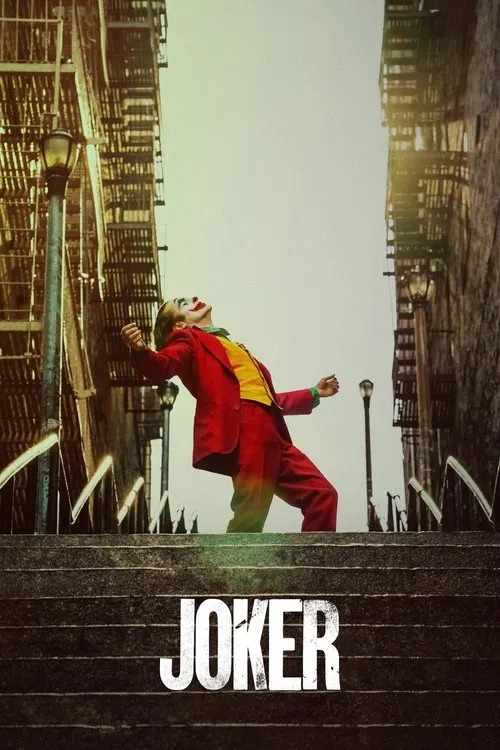
  67. Joker (2019) poster

    Joker

    Todd Phillips · 2019

    In the first half, Arthur keeps climbing the same stairs, defeated. After he transforms, he dances down them. The staircase works like a scale for his state of mind. Up means the world's demands and down means freedom from them, so the direction he moves tells you how he is doing.

    Where to see it: The dancing descent. Arthur goes down the stairs as the Joker, the same stairs he climbed as Arthur Fleck.

  68. Midsommar (2019) poster

    Midsommar

    Ari Aster · 2019

    Tapestries showing the ritual calendar hang around the commune as decoration. They record what is going to happen to the visitors, in the same visual style as the rest of the community's art. These objects present the visitors' fate as a text already written. The horror is a story the commune had finished before the outsiders arrived.

    Where to see it: The tapestry showing the sacrifice ritual. The film's plot is shown ahead of time as decoration. The horror is already complete in the art before the events happen.

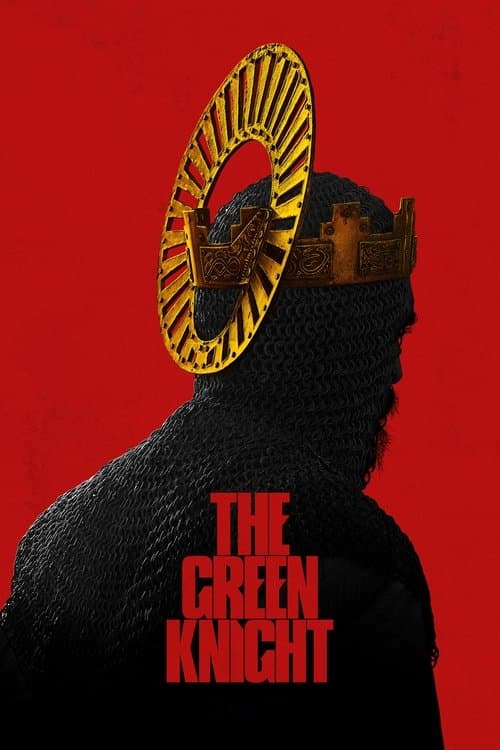
  69. The Green Knight (2021) poster

    The Green Knight

    David Lowery · 2021

    Gawain is given a green sash as a charm to protect him, and the film's moral question hangs on it. How tightly he clings to it shows how much of a coward he is. Taking it off shows he is ready.

    Where to see it: Gawain removing the green girdle at the Green Chapel before the axe falls. Keeping it was his last act of cowardice.

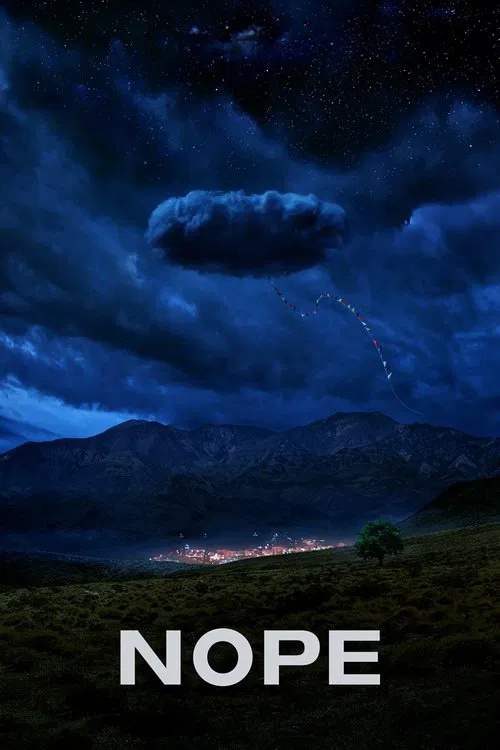
  70. Nope (2022) poster

    Nope

    Jordan Peele · 2022

    During a chimp attack on a 1990s sitcom set, young Jupe hides under a table and fixes on a shoe standing upright on the floor. As an adult, he keeps it on display. Peele has said it is the detail Jupe focuses on to block out what he is seeing.

    Where to see it: The Gordy's Home flashback. The chimp playing Gordy attacks the cast, and Jupe stares at a shoe standing on its end.

Questions

Quick answers

What is symbolic object in film?
Returning to the same physical object again and again until it means more than what it is. It moves the plot and also stands for the film's main ideas.
Which films use symbolic object?
It Happened One Night (1934), Great Expectations (1946), The Treasure of the Sierra Madre (1948), Ikiru (1952), Dial M for Murder (1954), Night of the Hunter (1955) and 64 more films in the CineCode library.
What kind of technique is symbolic object?
It is a narrative technique. Related narrative techniques include Circular Structure, Ceremonial Pacing.