Drama · Crime

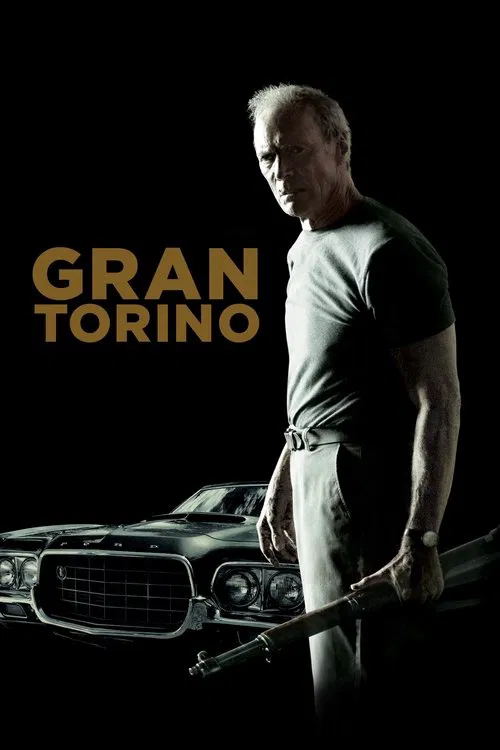
Gran Torino

Clint Eastwood, 2008

Walt Kowalski, a widowed Korean War veteran in Detroit, is full of anger and prejudice. He gets drawn into the lives of his Hmong neighbors after a teenager tries to steal his 1972 Ford Gran Torino. Watch how the film sets up a violent ending and then takes it in a different direction.

Gran Torino (2008) poster

At a glance

Gran Torino is a 2008 drama and crime film directed by Clint Eastwood. This breakdown covers 5 techniques (3 narrative, 1 psychology and 1 cinematography), each with the scene where you can see it. If you like how it is made, Biutiful uses several of the same techniques.

Narrative

Symbolic Object

Returning to the same physical object again and again until it means more than what it is. It moves the plot and also stands for the film's main ideas.

How this film uses it

The car is the center of the story. Thao tries to steal it as a gang initiation, and Walt treasures it. At the end, Walt's Zippo lighter becomes the second object that decides everything.

Where to see it

Garage theft: Thao is coerced by his cousin Spider to steal Walt's 1972 Gran Torino. Walt catches him and nearly shoots him.
Narrative

Character Arc Inversion

Taking a character to the opposite of where they started, such as from weak to strong or from decent to compromised. That reversal is what the film is about.

How this film uses it

Walt starts as a bigot who insults his neighbors and ends as the man who dies to protect them. The shift happens through chores, meals and small kindnesses. By the last act, he cares more about the Vang Lor family than about his own blood relatives.

Where to see it

Mentoring Thao: Thao works for Walt as penance and Walt gets him a construction job. Walt also rescues Thao's sister Sue from being attacked.

Psychology

Guilt as Hidden Motive

Letting a character's guilt over a past wrong shape what they do now. The wrong may come out late or only be hinted at, but it colors every choice.

How this film uses it

Walt carries the memory of killing an enemy child soldier who was trying to surrender. It explains his gruffness and his choice at the end. He does not want Thao to live with the same stain.

Where to see it

Basement scene: Walt gives Thao his Silver Star and says he is haunted by killing an enemy child soldier who was trying to surrender. He locks Thao in the basement.

Narrative

Expectation Collapse

Building up the usual genre expectations, like the villain getting caught and the climax approaching, then refusing to deliver them. Your own anticipation is what makes the letdown hit so hard.

How this film uses it

The whole film points toward a shootout. When Walt faces the gang, he puts a cigarette in his mouth and reaches into his jacket. You expect a gun, and what he pulls out is a lighter.

Where to see it

Final confrontation: Walt berates the gang, slowly reaches into his jacket pocket and pulls out his hand quickly. The gang shoots him, and his hand opens to reveal his Zippo lighter.

Cinematography

Working-Class Geography

Using specific working-class parts of a city, like its bars, docks and construction sites, to define the characters. The places show who they are expected to be and what leaving would cost.

How this film uses it

The film is set in a Rust Belt Detroit neighborhood that has changed around Walt, a retired Ford factory worker. The old houses and gang-ridden streets show what has been lost. His tidy lawn is a stand against that change.

Where to see it

Walt's street: Walt lives next to the Vang Lor family in a neighborhood ridden with gang violence among poor Hmong immigrants. He refuses his son's suggestion to move to a retirement community.

Questions

Gran Torino: quick answers

What filmmaking techniques does Gran Torino use?
CineCode breaks down 5 techniques in Gran Torino (2008): Symbolic Object, Character Arc Inversion, Guilt as Hidden Motive, Expectation Collapse and Working-Class Geography.
Who directed Gran Torino?
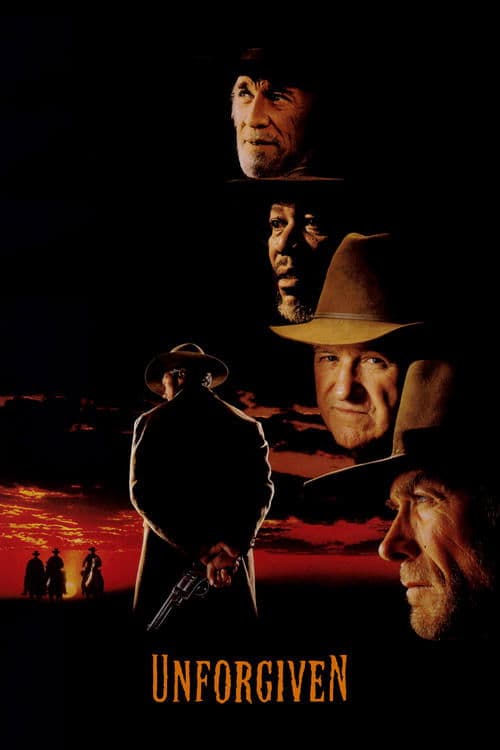
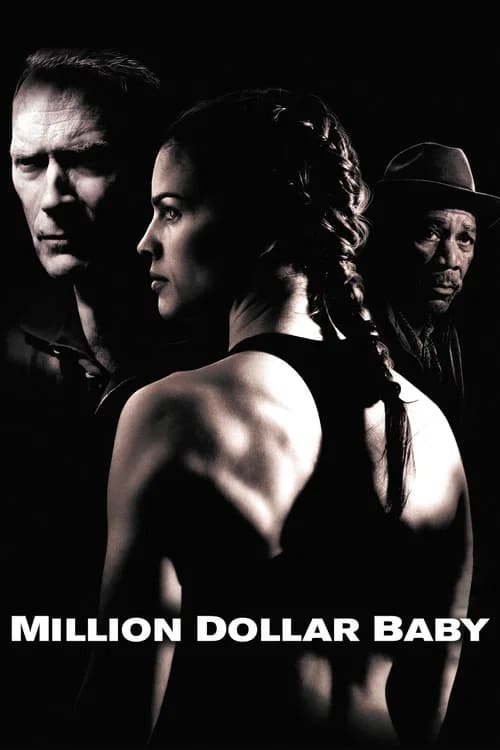
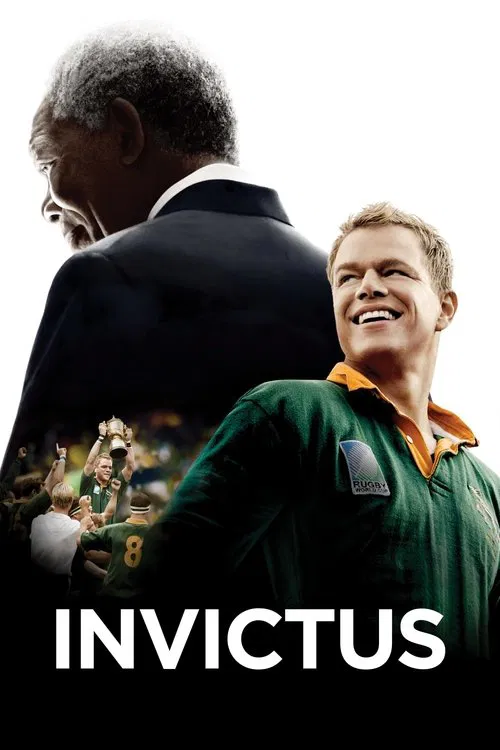
Clint Eastwood directed Gran Torino, released in 2008. CineCode also covers Unforgiven (1992), Mystic River (2003), Million Dollar Baby (2004), Changeling (2008), Invictus (2009), American Sniper (2014).
What films are similar to Gran Torino?
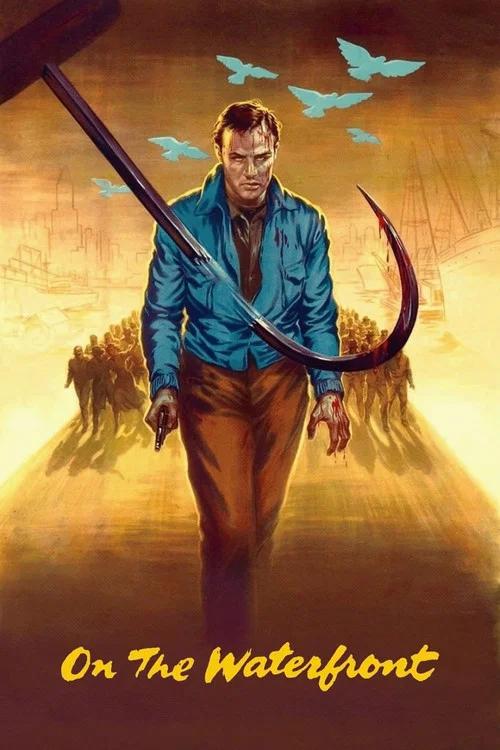
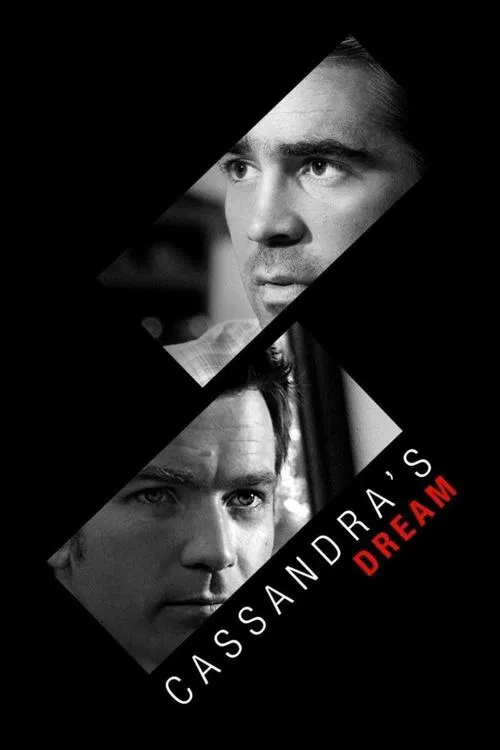
Films that share techniques with Gran Torino include Biutiful (2010), The Treasure of the Sierra Madre (1948), On the Waterfront (1954), Cassandra's Dream (2007).

Side by side

Compare it with