Narrative technique · used in 17 films

Expectation Collapse

Building up the usual genre expectations, like the villain getting caught and the climax approaching, then refusing to deliver them. Your own anticipation is what makes the letdown hit so hard.

Examples

17 films that use it

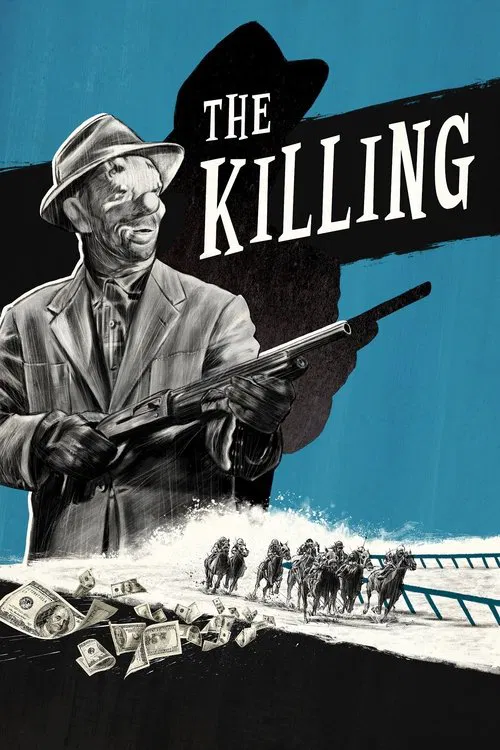
  1. The Killing (1956) poster

    The Killing

    Stanley Kubrick · 1956

    The plan works, and for a while it looks like Johnny will get away with it. Then the ending takes it all away through a small, almost silly accident. Because you believed in him, the loss hurts more.

    Where to see it: The airport ending. The money case bursts open on a baggage cart, a propeller scatters the cash, and Johnny calmly accepts that it is over.
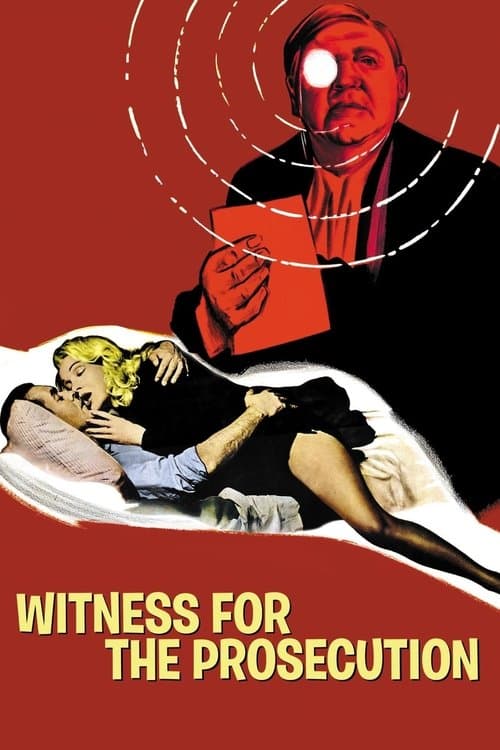
  2. Witness for the Prosecution (1957) poster

    Witness for the Prosecution

    Billy Wilder · 1957

    The verdict arrives and feels like the end. Then Christine reveals she faked the letters, and that feels final too. Then Leonard's betrayal and Christine's reply end it for good. Wilder builds the film so each surprise feels like the last one. By the final twist, you believe you have already been surprised, so it hits with full force.

    Where to see it: The double reversal in the film's final minutes. What you were sure of falls apart 2 times in quick succession.

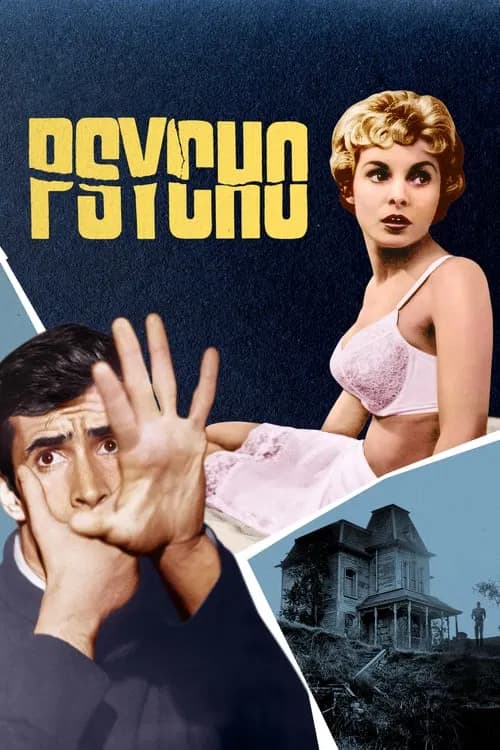
  3. Psycho (1960) poster

    Psycho

    Alfred Hitchcock · 1960

    Marion Crane is introduced as the main character of what looks like a crime film about stolen money. Her murder 47 minutes in is designed to shock, and it does. It breaks the most basic promise a story makes to its audience, which is that the main character survives.

    Where to see it: The shower. The story you thought you were watching ends here and a different film begins.

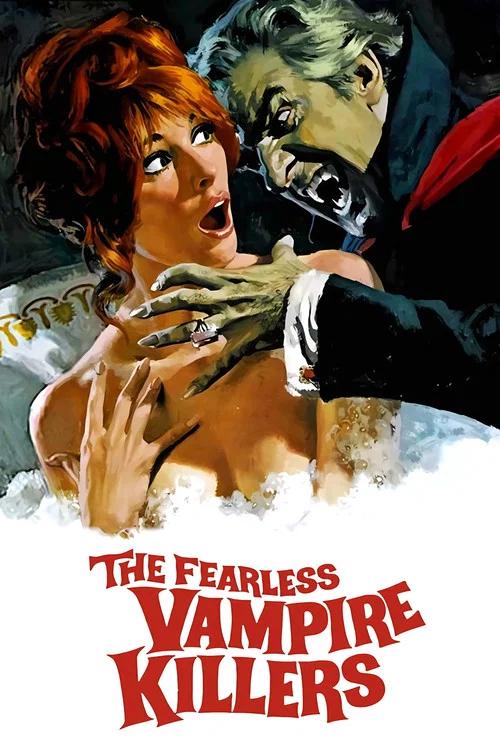
  4. The Fearless Vampire Killers (1967) poster

    The Fearless Vampire Killers

    Roman Polanski · 1967

    The hunters seem to win. They escape the castle with Sarah in a sleigh. Then she wakes up as a vampire and bites Alfred, while the professor drives on without noticing.

    Where to see it: The sleigh ride: Abronsius and Alfred flee with Sarah. She awakens as a vampire and bites Alfred while Abronsius drives on.

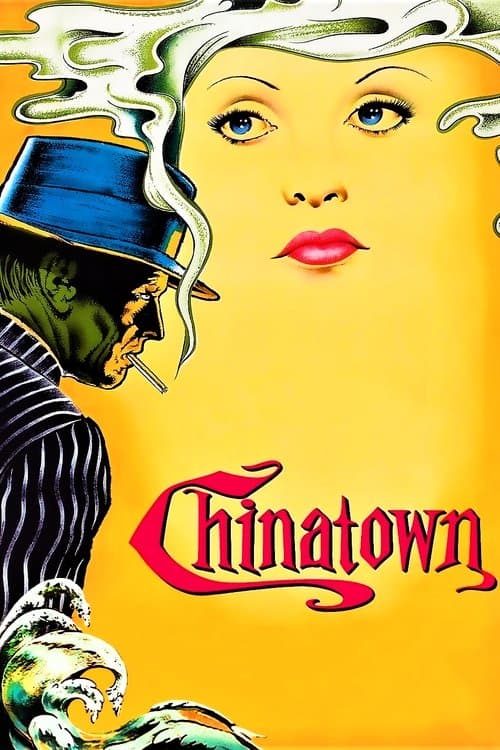
  5. Chinatown (1974) poster

    Chinatown

    Roman Polanski · 1974

    Every noir convention says the detective solves the crime and the woman is saved. Polanski follows every convention until the final scene, then refuses each one. Evelyn is shot, Noah Cross escapes and Chinatown claims them all. The film's power comes from building the expectation it destroys. The genre is what made the horror of the ending possible.

    Where to see it: The final scene in Chinatown. The ending resolves nothing, and the genre's promise is openly broken.

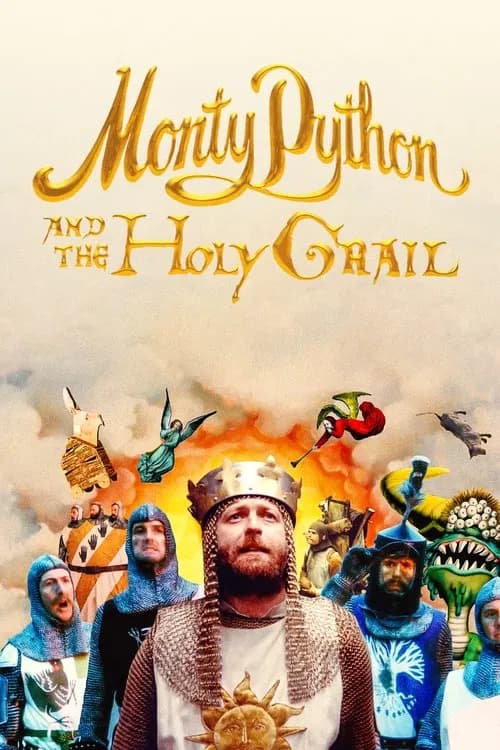
  6. Monty Python and the Holy Grail (1975) poster

    Monty Python and the Holy Grail

    Terry Gilliam, Terry Jones · 1975

    Every climax the film promises is denied. The Black Knight fight ends in a stalemate and Arthur just leaves. At Castle Anthrax, you expect heroism and get temptation. The final battle is interrupted by police. The film pretty much runs on letting down, one after another, every expectation it creates.

    Where to see it: The police arrest ending. Official authority stops the film's whole story in its tracks. You get police procedure in place of the promised climax.

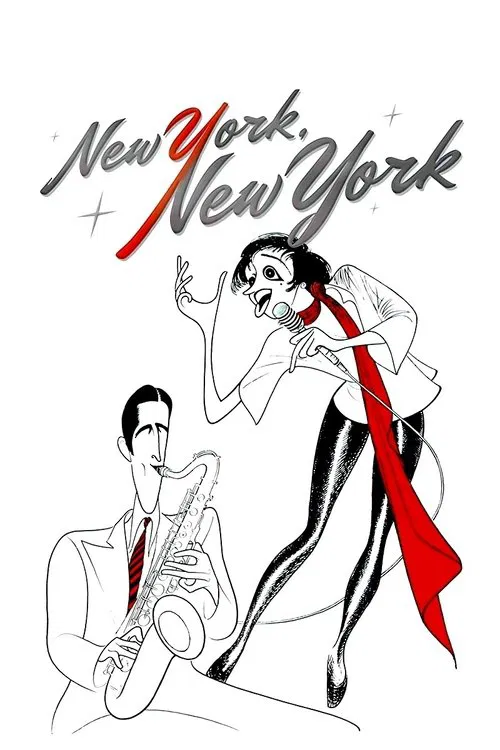
  7. New York, New York (1977) poster

    New York, New York

    Martin Scorsese · 1977

    A musical romance builds toward a reunion, and the film sets one up. Jimmy and Francine speak, she agrees to dinner, and you wait for the kiss. She leaves through another exit and he is stood up.

    Where to see it: The final phone call: Francine agrees to dinner with Jimmy, then slips out by a different door.

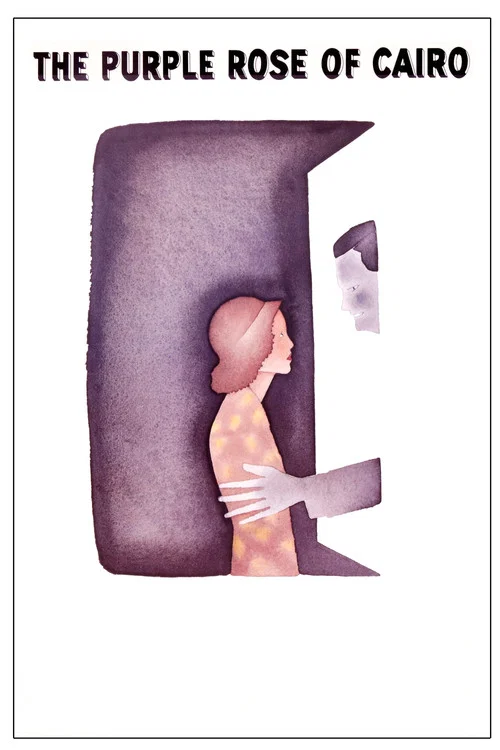
  8. The Purple Rose of Cairo (1985) poster

    The Purple Rose of Cairo

    Woody Allen · 1985

    You expect the actor Gil Shepherd to rescue Cecilia from her life and take her to Hollywood. Cecilia chooses him and leaves her husband. Gil has already left, and his charm was a ploy to get Baxter back into the film. The letdown is sharp because the romance felt so real.

    Where to see it: The ending. Cecilia is left behind after Gil leaves, with nothing to show for her choice.

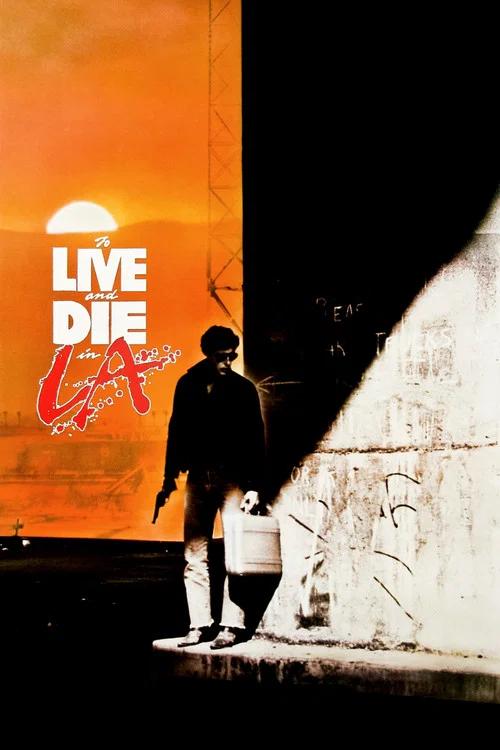
  9. To Live and Die in L.A. (1985) poster

    To Live and Die in L.A.

    William Friedkin · 1985

    A cop movie trains you to expect the hero to catch the bad guy. Instead, Chance dies in the arrest attempt and Masters escapes. The film takes away its lead when you least expect it, and the story keeps going without him.

    Where to see it: The failed exchange. Jack and Chance shoot each other as the agents try to arrest Masters, and Masters gets away.

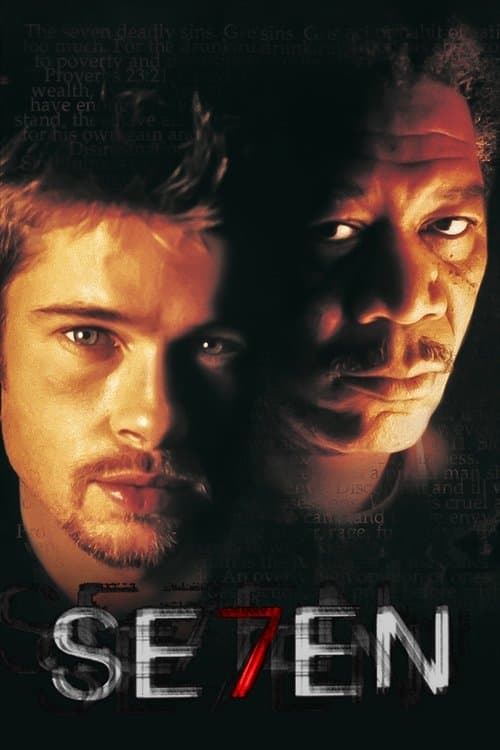
  10. Se7en (1995) poster

    Se7en

    David Fincher · 1995

    John Doe turns himself in. The film has been a chase, and suddenly there is nothing to chase. The third act then takes place entirely in a car and an open field, with no action and no spectacle. The real climax is an argument about whether Mills will do what Doe has planned for him.

    Where to see it: John Doe's voluntary surrender at the police station. The chase movie ends 40 minutes early.

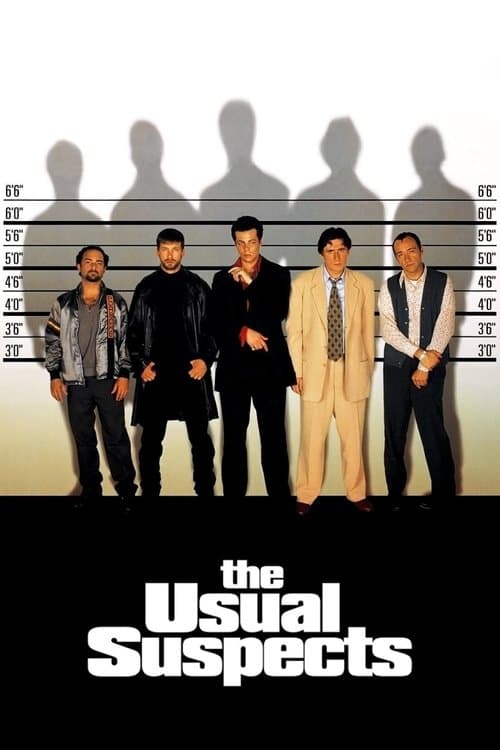
  11. The Usual Suspects (1995) poster

    The Usual Suspects

    Bryan Singer · 1995

    Singer and McQuarrie build a conventional crime story with an ensemble cast, then knock the whole thing down in the final scene. That is, the genre itself turns out to be the misdirection.

    Where to see it: Kint walking away from the precinct. His limp disappears, and his own body gives away the fiction you accepted for 2 hours.

  12. Vicky Cristina Barcelona (2008) poster

    Vicky Cristina Barcelona

    Woody Allen · 2008

    A summer of passion would normally change everyone. Instead, Doug never learns what happened, Vicky goes back to her married life, and Cristina is still unsure what she wants. The film sets up a life-changing romance and then lets it fade, which is the point.

    Where to see it: The ending. After María Elena fires a gun and Vicky is shot in the hand, the two women fly home with Doug and nothing is resolved.

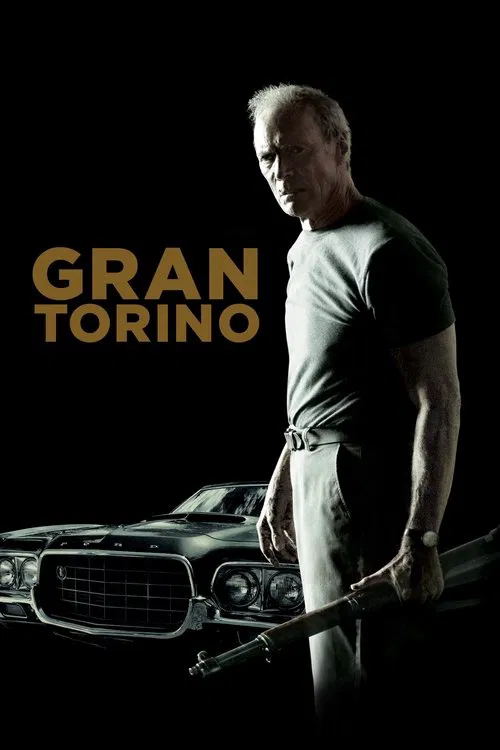
  13. Gran Torino (2008) poster

    Gran Torino

    Clint Eastwood · 2008

    The whole film points toward a shootout. When Walt faces the gang, he puts a cigarette in his mouth and reaches into his jacket. You expect a gun, and what he pulls out is a lighter.

    Where to see it: Final confrontation: Walt berates the gang, slowly reaches into his jacket pocket and pulls out his hand quickly. The gang shoots him, and his hand opens to reveal his Zippo lighter.

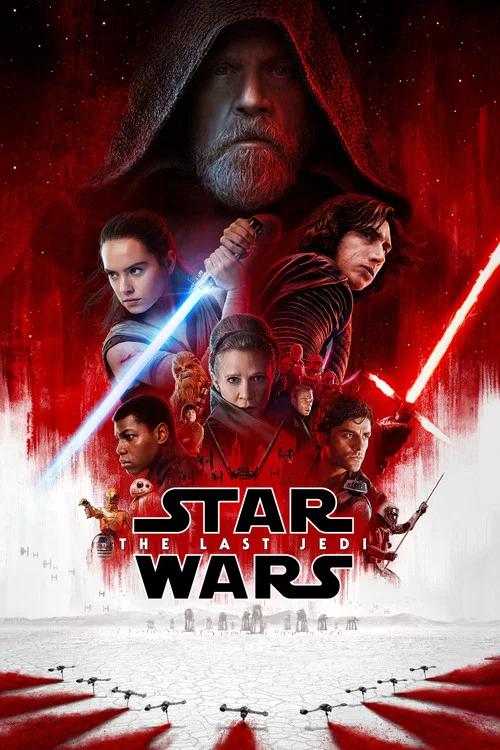
  14. Star Wars: The Last Jedi (2017) poster

    Star Wars: The Last Jedi

    Rian Johnson · 2017

    Snoke is built up as the big mystery villain of the new trilogy. Johnson has him killed halfway through the film by someone you thought was on his side. You are left without the story you expected, which is the point.

    Where to see it: Snoke's throne room. Kylo Ren kills Snoke, then fights alongside Rey against the red-clad guards.

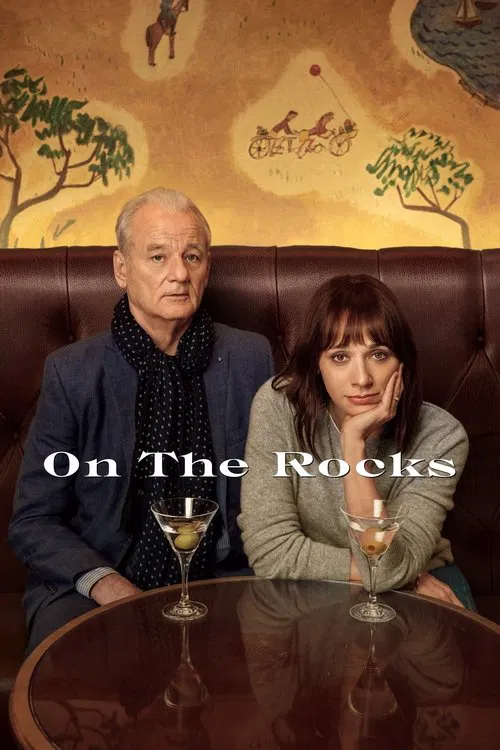
  15. On the Rocks (2020) poster

    On the Rocks

    Sofia Coppola · 2020

    The film builds toward a confrontation with Dean and a clear answer. When Laura bursts into the room in Mexico, she finds Fiona and a female friend instead of an affair. The big reveal never comes.

    Where to see it: The Mexico resort. Laura rushes into Dean's room and finds Fiona with her friend.

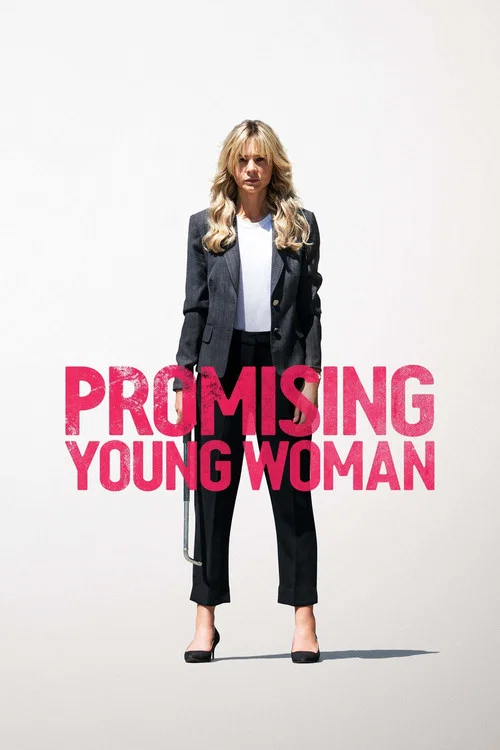
  16. Promising Young Woman (2020) poster

    Promising Young Woman

    Emerald Fennell · 2020

    You expect Cassie to win. The film builds toward her final confrontation, and then Al Monroe kills her. The shock hits harder because you wanted the revenge to work.

    Where to see it: The bachelor party: Cassie handcuffs Al to the bed and tells him why she is there. He breaks free, pins her with a pillow and kills her.

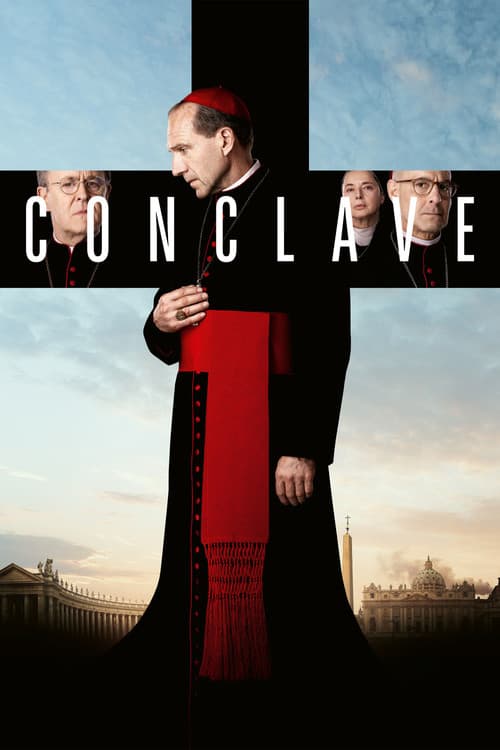
  17. Conclave (2024) poster

    Conclave

    Edward Berger · 2024

    At the end, you learn who the elected Pope really is. The reveal knocks down the thriller's suspense, along with whatever you assumed about the Church's future.

    Where to see it: The disclosure of Cardinal Benitez's full identity. Until then he seemed like a modest, humble outsider, and now you read every one of his scenes differently.

Questions

Quick answers

What is expectation collapse in film?
Building up the usual genre expectations, like the villain getting caught and the climax approaching, then refusing to deliver them. Your own anticipation is what makes the letdown hit so hard.
Which films use expectation collapse?
The Killing (1956), Witness for the Prosecution (1957), Psycho (1960), The Fearless Vampire Killers (1967), Chinatown (1974), Monty Python and the Holy Grail (1975) and 11 more films in the CineCode library.
What kind of technique is expectation collapse?
It is a narrative technique. Related narrative techniques include Genre Subversion, The Long Reveal, Retrospective Voiceover.