Drama

Biutiful

Alejandro González Iñárritu, 2010

Uxbal, a small-time fixer in Barcelona, learns he has terminal cancer and has only a few months to arrange a future for his two children. His life is already tangled with illegal workers and street sellers. The film lets one man's last days show a whole hidden city.

Biutiful (2010) poster

At a glance

Biutiful is a 2010 drama film directed by Alejandro González Iñárritu. This breakdown covers 5 techniques (2 psychology, 2 narrative and 1 cinematography), each with the scene where you can see it. If you like how it is made, Gran Torino uses several of the same techniques.

Psychology

Mortality Confrontation Arc

Making a character face their own death or age, so time becomes visible. The confrontation changes what they value.

How this film uses it

Uxbal's diagnosis makes time visible. He stops chemotherapy and tries to set things right for his children before he dies. What he cares about changes as the end gets closer.

Where to see it

Diagnosis: Uxbal is diagnosed with terminal prostate cancer with only a few months to live. Bea gives him two black stones to give his children before he dies.
Psychology

Guilt as Hidden Motive

Letting a character's guilt over a past wrong shape what they do now. The wrong may come out late or only be hinted at, but it colors every choice.

How this film uses it

Uxbal is haunted by the harm his choices cause. He feels responsible for the expulsion of the Senegalese and the deaths of the Chinese workers. Guilt shapes the way he spends his last weeks.

Where to see it

Gas heaters: the cheap gas heaters Uxbal bought for the Chinese workers are unsafe, and almost all of them die in the night from carbon monoxide poisoning.

Narrative

Supernatural Realism

Dropping magical or miraculous events into an otherwise realistic world and playing them completely straight. The film never explains them or winks at you about them.

How this film uses it

Uxbal speaks to the dead as part of his work. The film plays these scenes straight, without winks or explanations. They sit beside the money, the police and the bills as ordinary parts of his world.

Where to see it

Medium work: Uxbal earns money as a medium to the dead, passing on messages from the recently deceased at wakes and funerals.

Narrative

Symbolic Object

Returning to the same physical object again and again until it means more than what it is. It moves the plot and also stands for the film's main ideas.

How this film uses it

A ring and two stones carry the love Uxbal cannot say. He hands objects to his children as his last gifts. They make an unspoken goodbye physical.

Where to see it

Ring: just before he dies, Uxbal gives Ana a diamond ring his father once gave to his mother. He lies down beside her and dies.

Cinematography

Working-Class Geography

Using specific working-class parts of a city, like its bars, docks and construction sites, to define the characters. The places show who they are expected to be and what leaving would cost.

How this film uses it

The film shows a Barcelona of cramped flats, forged goods, street vendors and construction sites. Uxbal fixes work for immigrants who live in the city's shadows. The places show what people must do to survive.

Where to see it

Uxbal's world: he lives in a shabby apartment with his children and arranges work for Chinese illegal immigrants who make forged designer goods that African vendors sell.

Questions

Biutiful: quick answers

What filmmaking techniques does Biutiful use?
CineCode breaks down 5 techniques in Biutiful (2010): Mortality Confrontation Arc, Guilt as Hidden Motive, Supernatural Realism, Symbolic Object and Working-Class Geography.
Who directed Biutiful?
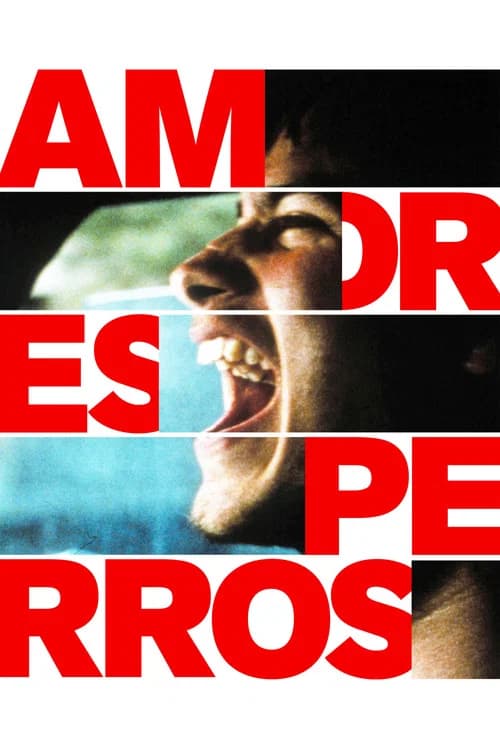
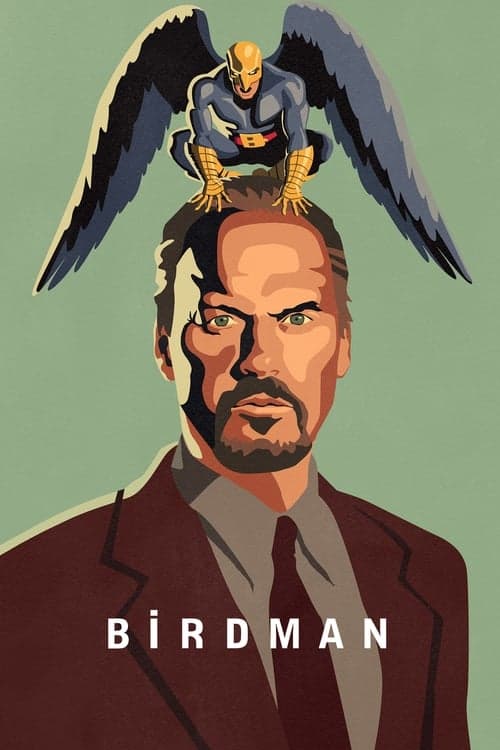
Alejandro González Iñárritu directed Biutiful, released in 2010. CineCode also covers Amores Perros (2000), 21 Grams (2003), Babel (2006), Birdman or (The Unexpected Virtue of Ignorance) (2014), Digger (2026).
What films are similar to Biutiful?
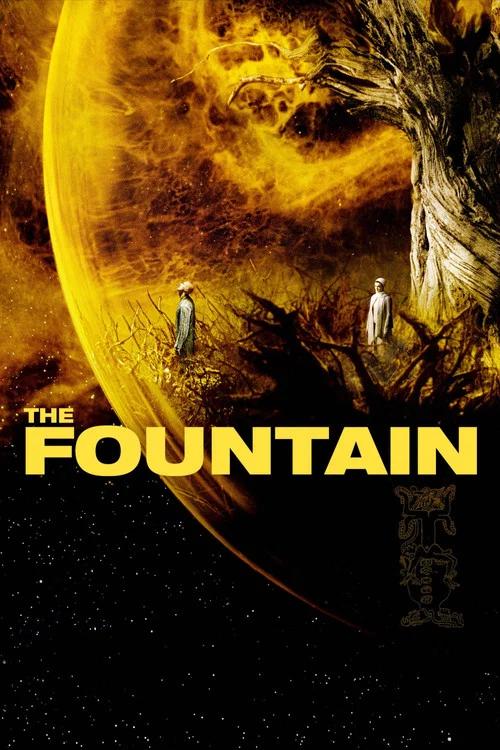
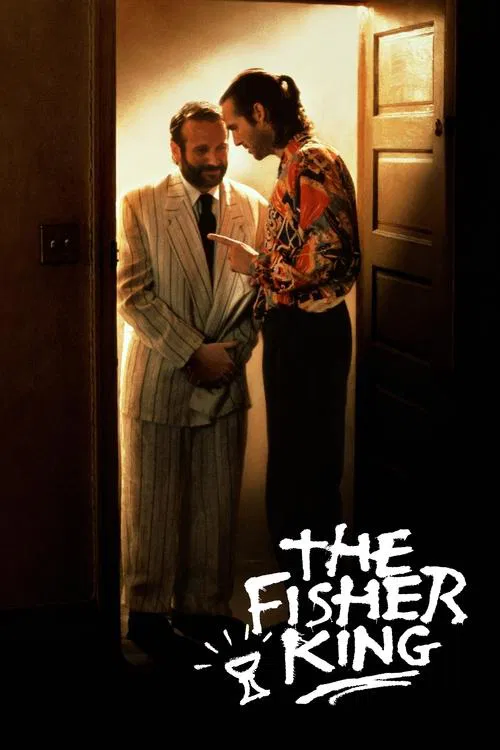
Films that share techniques with Biutiful include Gran Torino (2008), Cassandra's Dream (2007), The Fountain (2006), The Fisher King (1991).

Side by side

Compare it with