Comparison · 3 shared techniques

Miller's Crossing vs Blue Steel

Miller's Crossing (1990) and Blue Steel (1990) share 3 techniques. Here is how each film uses them.

Shared

Same technique, two films

Symbolic Object

Returning to the same physical object again and again until it means more than what it is. It moves the plot and also stands for the film's main ideas.

Miller's Crossing

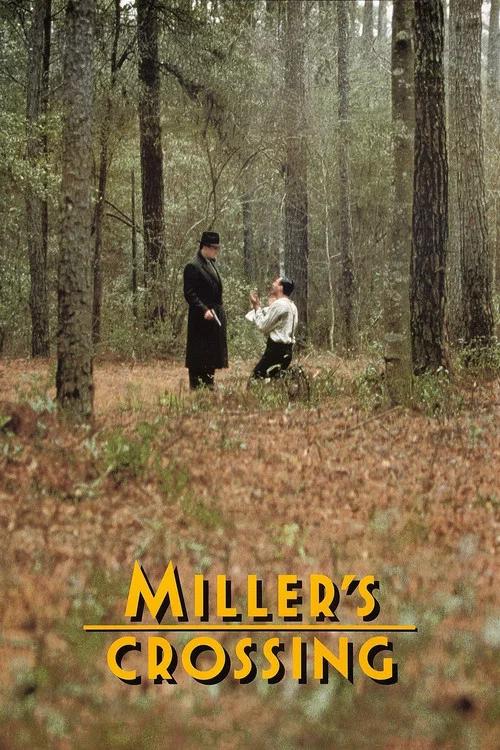
Tom's hat keeps coming back. The title sequence shows a hat resting in a forest clearing and blowing away on the wind. Later Tom asks where it went after a drunk night, goes to Verna's door to get it and tells her about a dream where he chases it. The hat comes to stand for his control over his own life.

Blue Steel

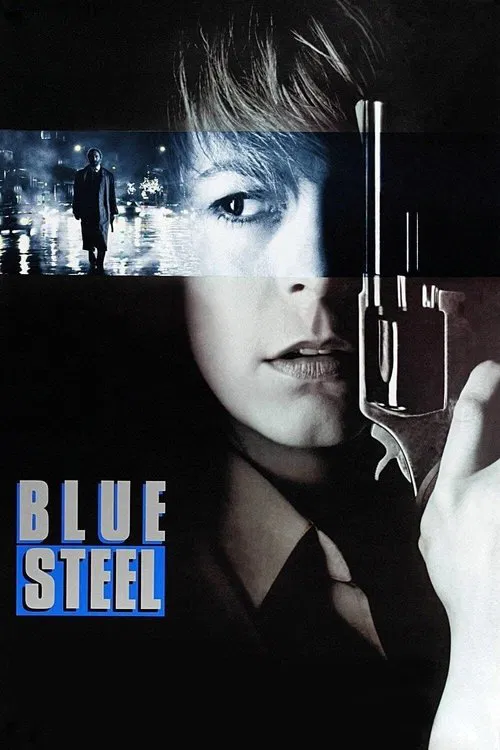
The robber's gun is the engine of the story. Eugene Hunt takes it in the confusion and carves Turner's name on a spent cartridge. The missing weapon also makes her look guilty, so the object ties together her career, his obsession and the killings.

Dramatic Irony

Letting the audience know something a character doesn't. You watch them act without that knowledge, which creates suspense, dread or dark comedy.

Miller's Crossing

You know Tom spared Bernie, but the gangsters around him do not. When Tom takes Bernie into the woods, Caspar's men wait within earshot but cannot see, so they believe the gunshot is real. That gap in knowledge keeps every later scene tense, especially when a rotting body is found and everyone assumes it is Bernie.

Blue Steel

You know Hunt is the killer, but Turner does not. Their dates and conversations are tense because you want to warn her. Every sweet moment between them is a threat.

Real Locations as Character

Filming in recognizable real places so the setting acts like part of the cast. Streets, buildings and landscapes shape the mood of the story.

Miller's Crossing

The story is set in an unnamed city, but the Coens shot in New Orleans because of its look. Old storefront windows and untouched architecture give the Prohibition years a lived-in feel without tying the film to one real place. The woods scenes were shot at a forest plantation near Hammond.

Blue Steel

The film ends on the streets of New York. The violent confrontation spills from the subway into the middle of Wall Street, so the city of money and rules becomes the stage for a chase between a cop and a killer.

Different

Where they split