Thriller · Crime · Action

Blue Steel

Kathryn Bigelow, 1990

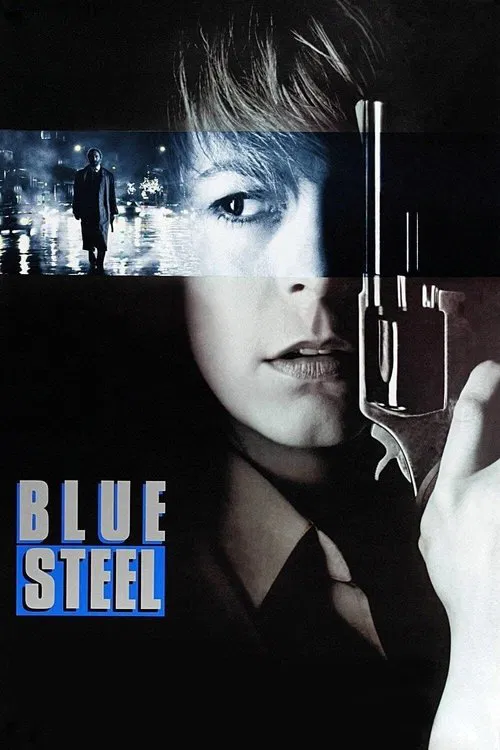
Rookie NYPD officer Megan Turner shoots a robber in a supermarket, but a customer takes the dead man's gun and starts using it to kill. He becomes obsessed with her, and she starts dating him without knowing who he is. Watch how Bigelow makes a female cop the center of a thriller.

Blue Steel (1990) poster

At a glance

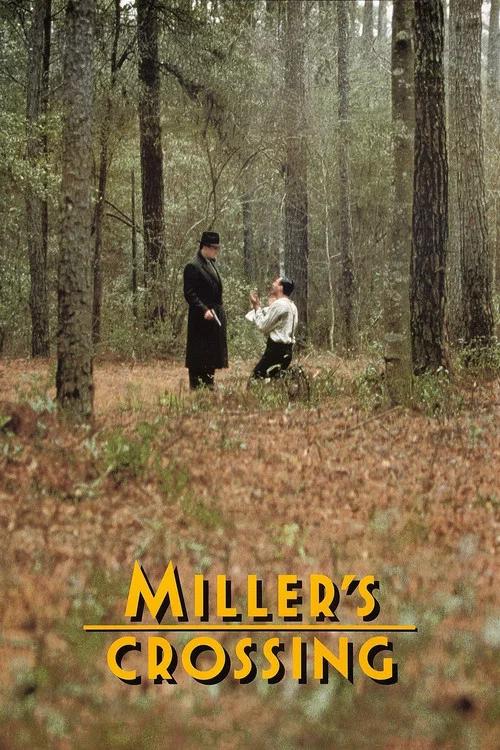
Blue Steel is a 1990 thriller, crime and action film directed by Kathryn Bigelow. This breakdown covers 5 techniques (3 narrative, 1 psychology and 1 cinematography), each with the scene where you can see it. If you like how it is made, Miller's Crossing uses several of the same techniques.

Narrative

Symbolic Object

Returning to the same physical object again and again until it means more than what it is. It moves the plot and also stands for the film's main ideas.

How this film uses it

The robber's gun is the engine of the story. Eugene Hunt takes it in the confusion and carves Turner's name on a spent cartridge. The missing weapon also makes her look guilty, so the object ties together her career, his obsession and the killings.

Where to see it

The supermarket robbery: Turner shoots the robber and his gun lands near Hunt, who takes it and slips away.

Narrative

Dramatic Irony

Letting the audience know something a character doesn't. You watch them act without that knowledge, which creates suspense, dread or dark comedy.

How this film uses it

You know Hunt is the killer, but Turner does not. Their dates and conversations are tense because you want to warn her. Every sweet moment between them is a threat.

Where to see it

The dates with Hunt: Turner starts dating Hunt, unaware that he is obsessed with her and is behind the killings, until he tells her at his apartment.

Narrative

Female Agency as Structural Default

Putting women at the center as leads, leaders and villains, and letting their choices drive every major plot turn. The story treats this as normal and never makes their gender the subject.

How this film uses it

Turner drives the plot with her own choices. She fights to clear her name, handcuffs her own abusive father and hunts Hunt after he is freed. The film never treats her gender as the issue.

Where to see it

The arrest of her father: Turner finds her mother bruised at the family home and handcuffs her father Frank.

Psychology

Psychological Manipulation

Showing one character steering another through suggestion, reading, triggers or false trust. The manipulation works because the target wants to believe or cannot resist.

How this film uses it

Hunt gets close to Turner by charming her, then uses her trust against her. At her mother's home, he and Turner trade veiled messages implying they are both armed. He knows what she wants, which is to keep her badge and her family safe.

Where to see it

The standoff at the family home: Hunt and Turner talk politely while both imply they are armed.

Cinematography

Real Locations as Character

Filming in recognizable real places so the setting acts like part of the cast. Streets, buildings and landscapes shape the mood of the story.

How this film uses it

The film ends on the streets of New York. The violent confrontation spills from the subway into the middle of Wall Street, so the city of money and rules becomes the stage for a chase between a cop and a killer.

Where to see it

The Wall Street finale: Turner and Hunt carry a gun fight from the subway to the street, where she runs him down in a civilian vehicle and shoots him.

Questions

Blue Steel: quick answers

What filmmaking techniques does Blue Steel use?
CineCode breaks down 5 techniques in Blue Steel (1990): Symbolic Object, Dramatic Irony, Female Agency as Structural Default, Psychological Manipulation and Real Locations as Character.
Who directed Blue Steel?
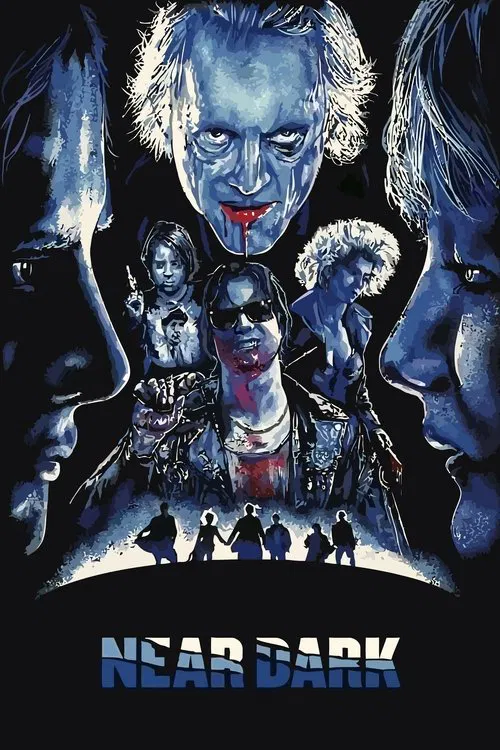
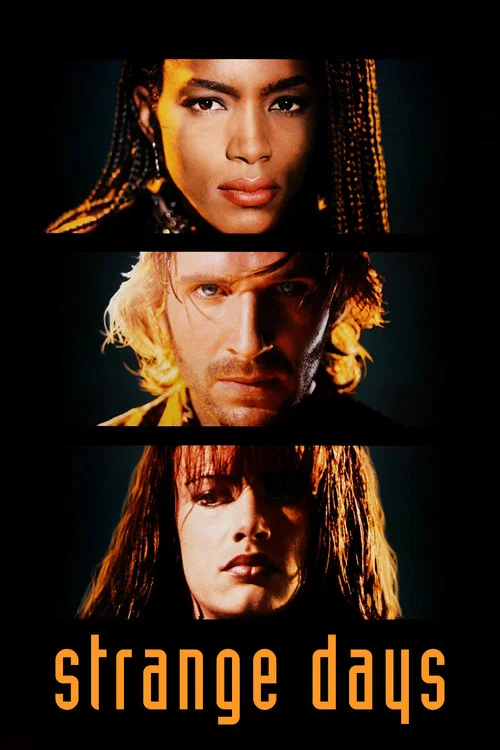
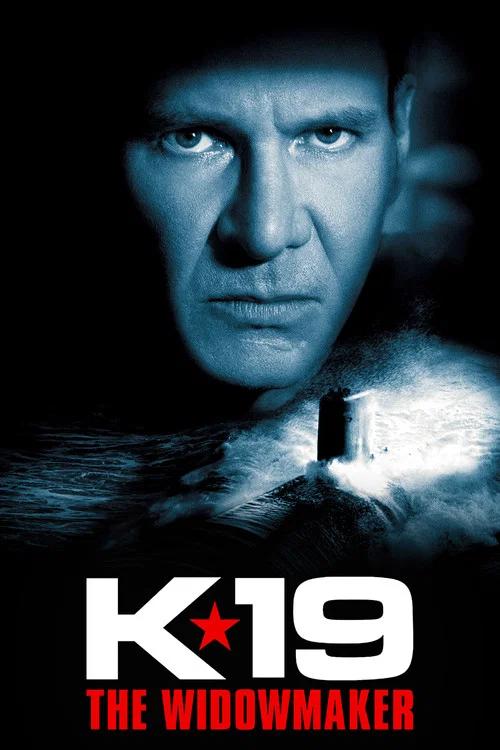
Kathryn Bigelow directed Blue Steel, released in 1990. CineCode also covers Near Dark (1987), Point Break (1991), Strange Days (1995), K-19: The Widowmaker (2002), The Hurt Locker (2008), Zero Dark Thirty (2012).
What films are similar to Blue Steel?
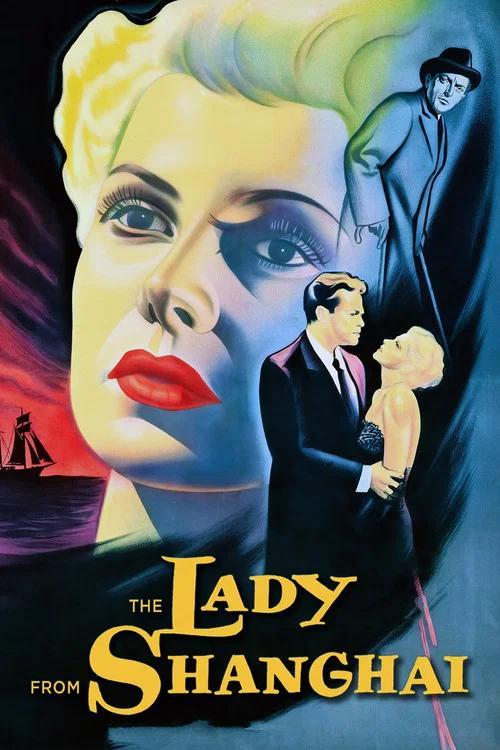
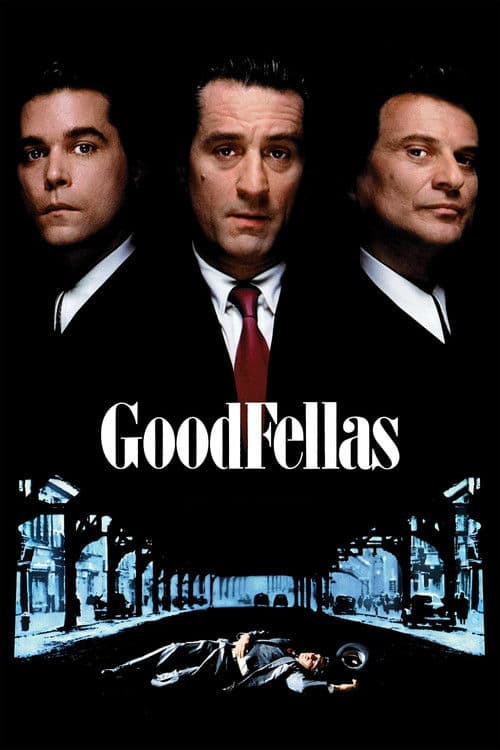
Films that share techniques with Blue Steel include Miller's Crossing (1990), Hit Man (2024), The Curse of the Jade Scorpion (2001), The Lady from Shanghai (1947).