Narrative technique · used in 20 films

Female Agency as Structural Default

Putting women at the center as leads, leaders and villains, and letting their choices drive every major plot turn. The story treats this as normal and never makes their gender the subject.

Examples

20 films that use it

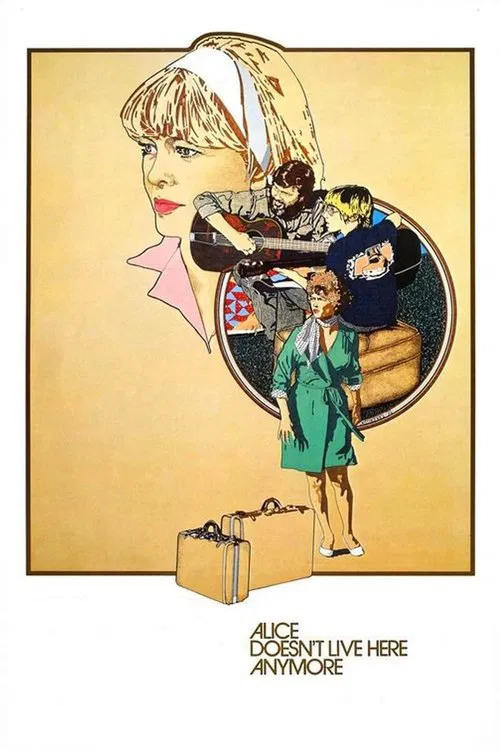
  1. Alice Doesn't Live Here Anymore (1974) poster

    Alice Doesn't Live Here Anymore

    Martin Scorsese · 1974

    Alice makes the big turns in the film. She decides to leave town, to leave Ben when he turns violent, and to stay in Tucson. Ellen Burstyn wanted a story told from a woman's side and recommended Scorsese after seeing Mean Streets. Her character is never treated as a special case.

    Where to see it: Alice leaves Ben: after he assaults his wife in Alice's apartment and wrecks it, Alice takes Tommy and flees.
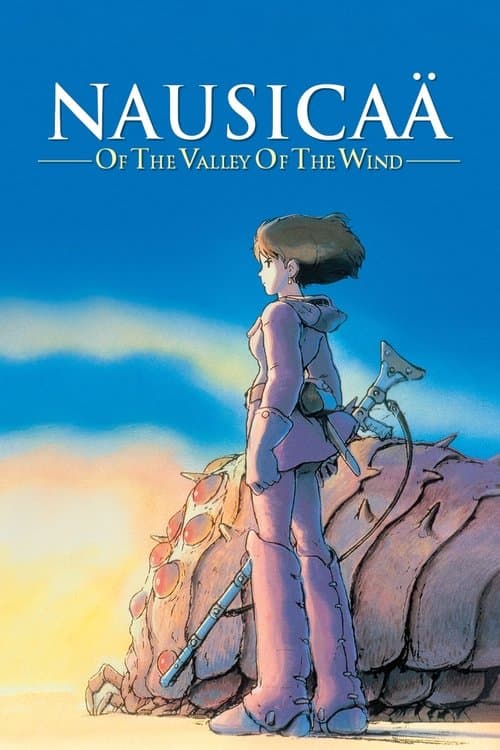

  2. Nausicaä of the Valley of the Wind (1984) poster

    Nausicaä of the Valley of the Wind

    Hayao Miyazaki · 1984

    Nausicaä is a complete protagonist: pilot, scientist, diplomat, warrior. Her gender never limits her and the story never treats it as an obstacle. Her authority is set in the opening scene, and nothing in how the film is built ever questions it.

    Where to see it: Nausicaä's solo flight through the toxic jungle. It's the earliest point where the film shows she is fully capable in body and mind, in a world that requires both.

  3. Aliens (1986) poster

    Aliens

    James Cameron · 1986

    Nobody ever argues for Ripley's authority. The film simply shows it. Her competence and her protective instinct work better than the Marines' official training. The film takes her seriously as an action hero and as a mother figure, and it never makes the story prove either one.

    Where to see it: Ripley in the power loader facing the Alien Queen. It's one female fighting another over a child. The film's biggest action set piece is built as a fight between mothers.

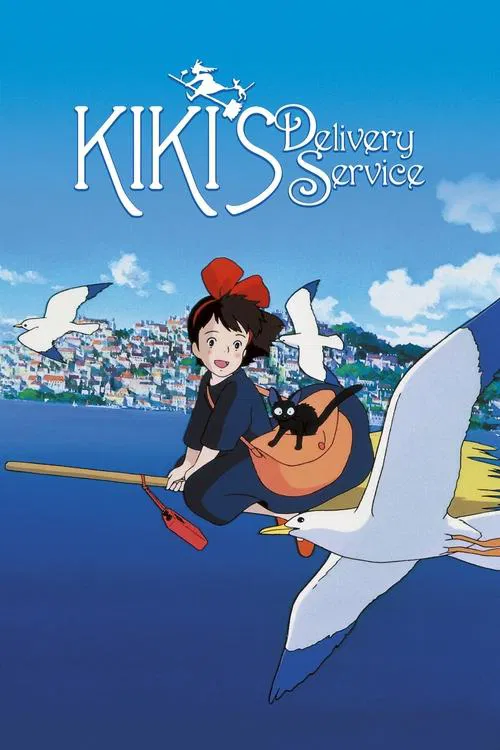
  4. Kiki's Delivery Service (1989) poster

    Kiki's Delivery Service

    Hayao Miyazaki · 1989

    Kiki drives the story with her own decisions. She settles in a port town, rents a room above a bakery run by Osono and starts a delivery business. The film treats this as normal and never makes her gender the subject.

    Where to see it: The bakery: Kiki rents a room above the bakery and starts her delivery business.

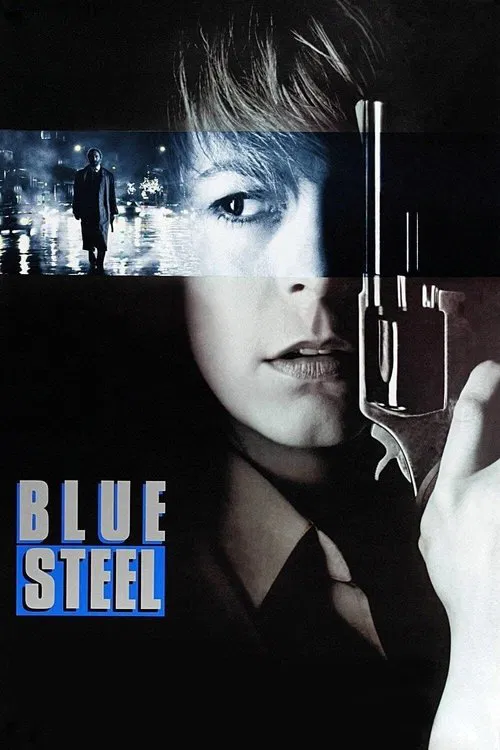
  5. Blue Steel (1990) poster

    Blue Steel

    Kathryn Bigelow · 1990

    Turner drives the plot with her own choices. She fights to clear her name, handcuffs her own abusive father and hunts Hunt after he is freed. The film never treats her gender as the issue.

    Where to see it: The arrest of her father: Turner finds her mother bruised at the family home and handcuffs her father Frank.

  6. Porco Rosso (1992) poster

    Porco Rosso

    Hayao Miyazaki · 1992

    The women in this film drive the plot. Fio rebuilds the plane and sets the terms of the duel. Gina runs her own hotel. The story treats this as normal and never makes it the subject.

    Where to see it: The duel terms: Fio sets the stakes for the duel, with Curtis paying Piccolo's debts if Porco wins and Curtis allowed to marry Fio if he wins.

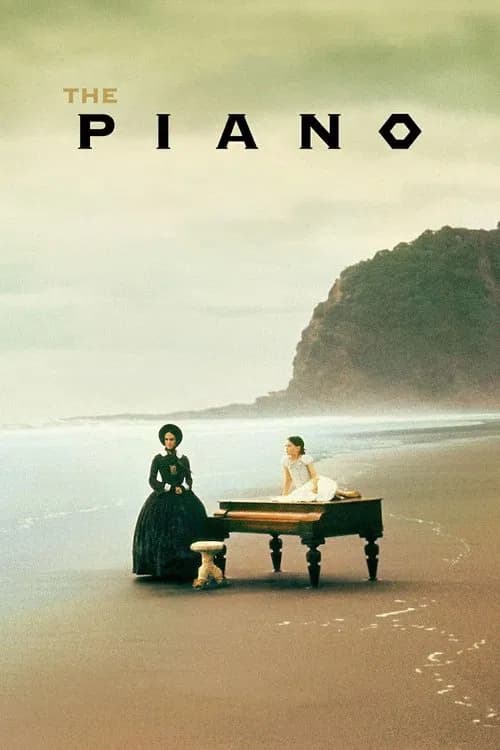
  7. The Piano (1993) poster

    The Piano

    Jane Campion · 1993

    Campion makes Ada's will the real subject of the film, ahead of the men competing for her. Her voiceover opens the film, her silence is a language she chose and her desire drives every turn of the plot.

    Where to see it: Ada and the sinking piano. She chooses to put her foot in the piano's rope as it sinks. It is a moment of pure free will, even though she is close to choosing death.

  8. Princess Mononoke (1997) poster

    Princess Mononoke

    Hayao Miyazaki · 1997

    Lady Eboshi leads Irontown. Moro, a wolf goddess, leads the wolf pack, and San fights beside her. Former prostitutes stoke Irontown's furnaces. Miyazaki never points this out. He simply builds a world where women leading is normal.

    Where to see it: Eboshi in Irontown. She leads a community that shelters former prostitutes and people with leprosy.

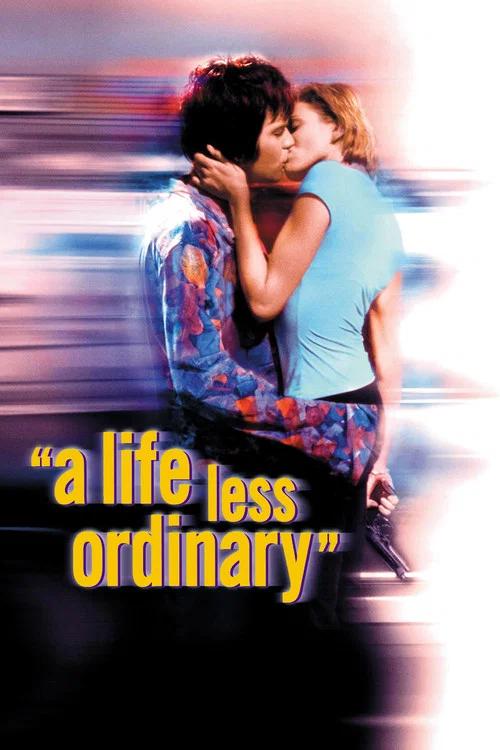
  9. A Life Less Ordinary (1997) poster

    A Life Less Ordinary

    Danny Boyle · 1997

    Celine is the hostage, but she drives much of the plot. She slips her restraints, then decides to stay for adventure and revenge, and she pushes the kidnapping toward a bigger ransom. Her choices keep changing what happens next.

    Where to see it: Celine stays: Though she easily slips out of her restraints, Celine decides to stick around for the adventure and revenge, and suggests they extort a huge ransom.

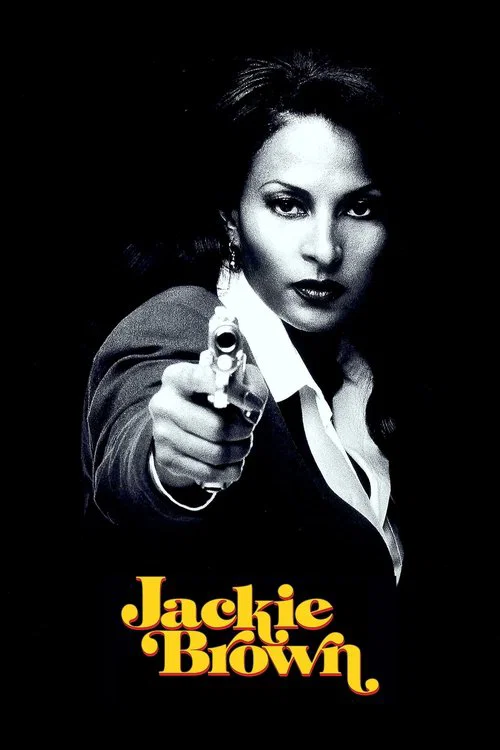
  10. Jackie Brown (1997) poster

    Jackie Brown

    Quentin Tarantino · 1997

    Jackie makes the big choices. She plays the police and Ordell against each other and tells nobody the whole plan. The film treats this as normal. You watch her think, and every plot turn comes from her.

    Where to see it: Department store switch: Jackie swaps bags in a dressing room and leaves most of the money for Max.

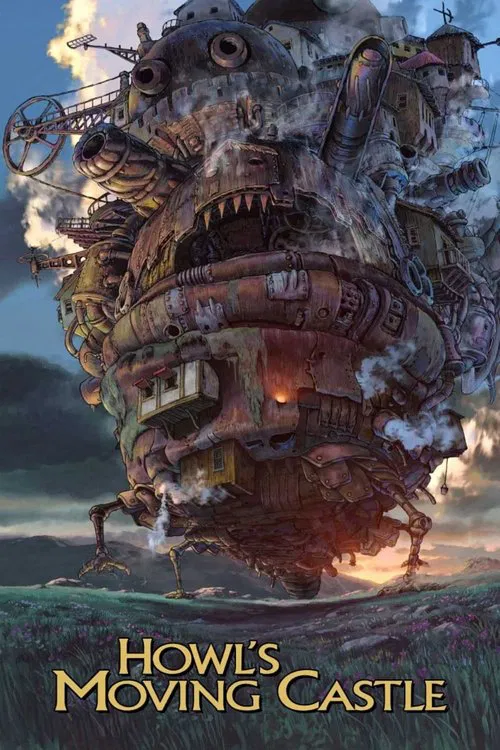
  11. Howl's Moving Castle (2004) poster

    Howl's Moving Castle

    Hayao Miyazaki · 2004

    Sophie drives the story. She leaves home, takes over the castle, bargains with Calcifer and finally pulls him out of the fireplace. The Witch of the Waste and the king's sorceress Suliman also hold real power, so the plot never depends on a man rescuing anyone.

    Where to see it: The Witch of the Waste grabs Calcifer, who holds Howl's heart, and Sophie douses her with water.

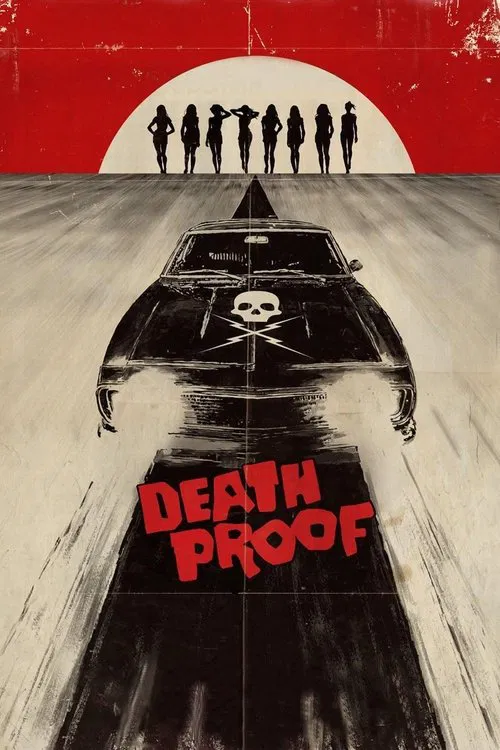
  12. Death Proof (2007) poster

    Death Proof

    Quentin Tarantino · 2007

    Women lead both halves, and their choices drive the plot. In the second half they decide to hunt Mike back. The film does not make a speech about it.

    Where to see it: Final chase: The women chase Mike down, wreck his car and beat him to death.

  13. Changeling (2008) poster

    Changeling

    Clint Eastwood · 2008

    A woman drives every turn of the plot. Christine pushes back against the police, and other women in the ward are there for challenging authority too. The story treats her determination as the engine of the film.

    Where to see it: Carol and the other women: inmate Carol tells Christine she is one of several women sent to the ward for challenging police authority. After Christine is freed, lawyer Hahn secures the release of the others.

  14. Take This Waltz (2011) poster

    Take This Waltz

    Sarah Polley · 2011

    Margot's choices drive every turn of the story, and the film follows her. Her friend Geraldine's struggles matter too. The plot treats a woman's wants as normal and worth the whole film.

    Where to see it: Divorce: After Daniel moves out, Margot tells Lou she wants a divorce.

  15. Mad Max: Fury Road (2015) poster

    Mad Max: Fury Road

    George Miller · 2015

    Furiosa plans the escape, drives the truck, fights the battles and makes most of the decisions that matter. Max follows her lead for most of the film. The film never points this out as unusual. It simply builds its structure around Furiosa's choices. I feel like the lack of explanation is the argument.

    Where to see it: The decision to turn back to the Citadel. Max proposes the plan, and Furiosa chooses to lead it. Her choice defines her as the film's true protagonist.

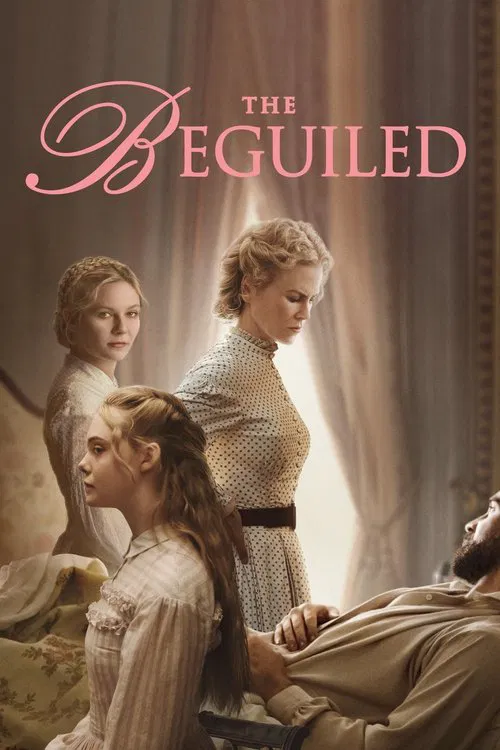
  16. The Beguiled (2017) poster

    The Beguiled

    Sofia Coppola · 2017

    Women run the school, make the decisions and decide the man's fate. His status as a soldier gives him no real authority inside the house. The story treats this as normal.

    Where to see it: The mushroom dinner. Farnsworth and the students decide to poison McBurney, and he dies after eating.

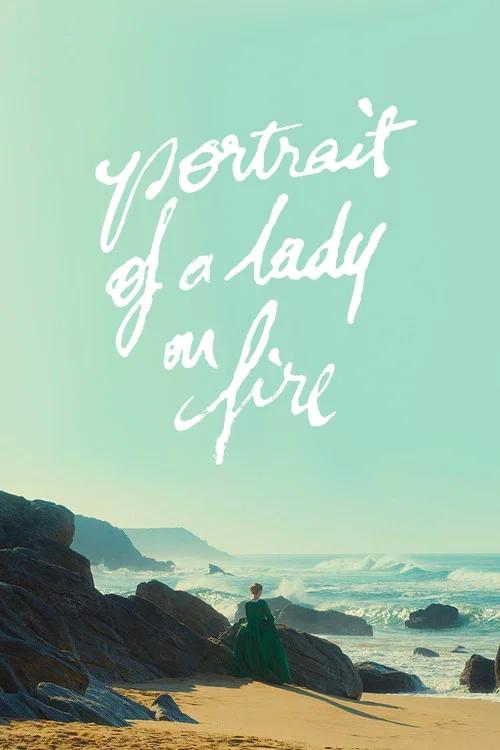
  17. Portrait of a Lady on Fire (2019) poster

    Portrait of a Lady on Fire

    Céline Sciamma · 2019

    There are almost no men in the film. On the island estate, Marianne, Héloïse, the maid Sophie and the mother live in a world of their own. Female desire, friendship and solidarity grow there with no men in the middle. Nobody argues for the women's freedom to act. It is simply the world the film lives in.

    Where to see it: The women's fire circle, the all-female gathering on the beach. Later, Sophie's abortion takes place in a village house, with Marianne and Héloïse beside her. This is the world of female solidarity at its most complete.

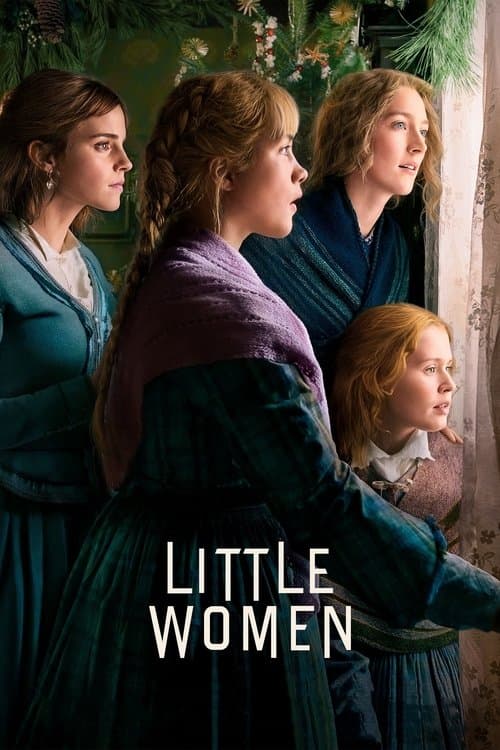
  18. Little Women (2019) poster

    Little Women

    Greta Gerwig · 2019

    Gerwig builds the whole adaptation around the sisters' ambitions, creative lives and desires. The men come second. The story is about what women want and what the 19th century allowed them to have.

    Where to see it: Jo's negotiation with her publisher Mr. Dashwood. He insists the heroine must end up married, and Jo bargains for her copyright and royalties. Here the film states its main idea about women's creative freedom plainly.

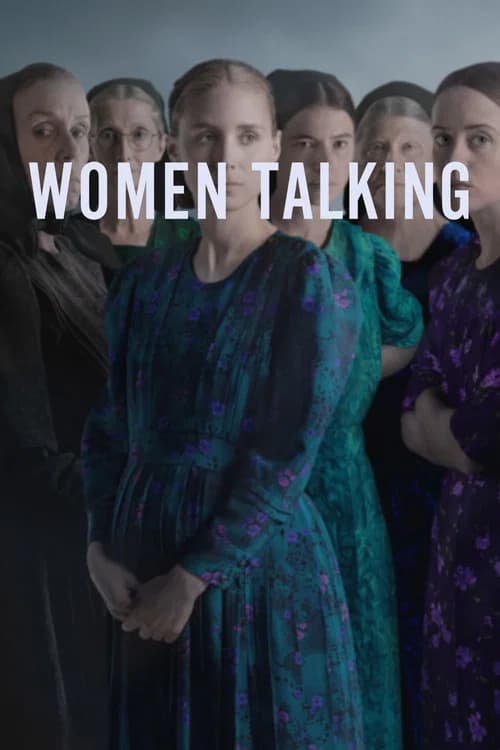
  19. Women Talking (2022) poster

    Women Talking

    Sarah Polley · 2022

    The men are absent from the film's central debate, apart from August, the schoolteacher who takes the minutes. They are mostly the background to the women's argument. The women deliberating together is the film's whole world.

    Where to see it: The moment the women make their choice without the men's knowledge or permission. The film's structure argues that this power was always theirs and was always suppressed.

  20. The Marvels (2023) poster

    The Marvels

    Nia DaCosta · 2023

    The heroes are three women, and so is the villain. Their choices drive every big turn, and the story never makes their gender the point. Kamala even names the team herself.

    Where to see it: Tarnax peace talks: The talks collapse and Dar-Benn opens another jump point. Kamala names the team the Marvels.

Questions

Quick answers

What is female agency as structural default in film?
Putting women at the center as leads, leaders and villains, and letting their choices drive every major plot turn. The story treats this as normal and never makes their gender the subject.
Which films use female agency as structural default?
Alice Doesn't Live Here Anymore (1974), Nausicaä of the Valley of the Wind (1984), Aliens (1986), Kiki's Delivery Service (1989), Blue Steel (1990), Porco Rosso (1992) and 14 more films in the CineCode library.
What kind of technique is female agency as structural default?
It is a narrative technique. Related narrative techniques include Secondary World Construction, Ecological Animism, Labor as Character Development.