Crime · Drama · Film Noir

Miller's Crossing

Joel Coen, Ethan Coen, 1990

In an unnamed city during Prohibition, a quiet adviser named Tom Reagan watches his mob boss protect the wrong person and start a gang war. Tom changes sides, lies to everyone and tries to come out alive. For filmmakers, it is a lesson in how hats, locations and silence can carry a gangster story.

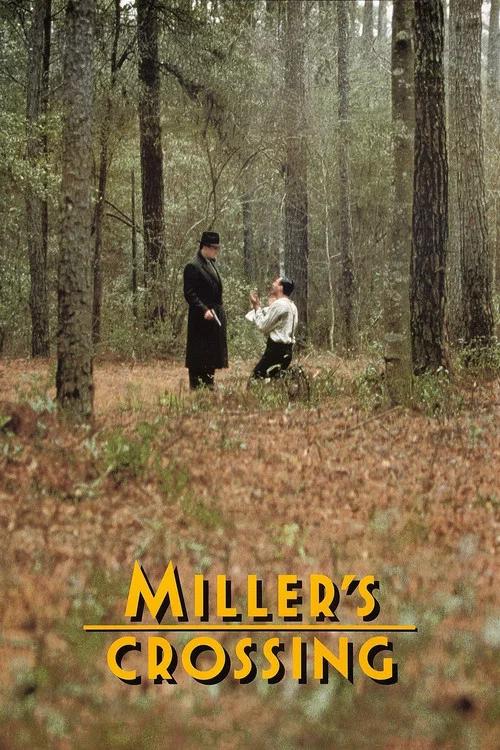
Miller's Crossing (1990) poster

At a glance

Miller's Crossing is a 1990 crime, drama and film noir film directed by Joel Coen, Ethan Coen. This breakdown covers 4 techniques (2 narrative, 1 psychology and 1 cinematography), each with the scene where you can see it. If you like how it is made, Blue Steel uses several of the same techniques.

Narrative

Symbolic Object

Returning to the same physical object again and again until it means more than what it is. It moves the plot and also stands for the film's main ideas.

How this film uses it

Tom's hat keeps coming back. The title sequence shows a hat resting in a forest clearing and blowing away on the wind. Later Tom asks where it went after a drunk night, goes to Verna's door to get it and tells her about a dream where he chases it. The hat comes to stand for his control over his own life.

Where to see it

The title sequence. A black hat lies on the forest floor, then a gust of wind lifts it and sends it flying down an avenue of trees.

Narrative

Dramatic Irony

Letting the audience know something a character doesn't. You watch them act without that knowledge, which creates suspense, dread or dark comedy.

How this film uses it

You know Tom spared Bernie, but the gangsters around him do not. When Tom takes Bernie into the woods, Caspar's men wait within earshot but cannot see, so they believe the gunshot is real. That gap in knowledge keeps every later scene tense, especially when a rotting body is found and everyone assumes it is Bernie.

Where to see it

The execution at Miller's Crossing. Bernie begs for his life, and Tom fires his gun into the ground and tells him to leave town.

Psychology

Opaque Protagonist

Writing a lead whose real motives stay hidden, even from the people closest to him. You judge him only by his actions, and some of them surprise you.

How this film uses it

Tom rarely explains himself. He tells Leo about his affair with Verna, joins Caspar, spares Bernie and later turns on the Dane, and you are never sure whose side he is on. One reviewer called him the heartless centre of the film. You keep watching to learn what he wants.

Where to see it

The final scene. Leo offers Tom his old job back and says Verna wants to marry him, and Tom turns down the job and watches Leo walk away.

Cinematography

Real Locations as Character

Filming in recognizable real places so the setting acts like part of the cast. Streets, buildings and landscapes shape the mood of the story.

How this film uses it

The story is set in an unnamed city, but the Coens shot in New Orleans because of its look. Old storefront windows and untouched architecture give the Prohibition years a lived-in feel without tying the film to one real place. The woods scenes were shot at a forest plantation near Hammond.

Where to see it

The woods at Miller's Crossing. Tom leads Bernie there with Caspar's men in tow.

Questions

Miller's Crossing: quick answers

What filmmaking techniques does Miller's Crossing use?
CineCode breaks down 4 techniques in Miller's Crossing (1990): Symbolic Object, Dramatic Irony, Opaque Protagonist and Real Locations as Character.
Who directed Miller's Crossing?
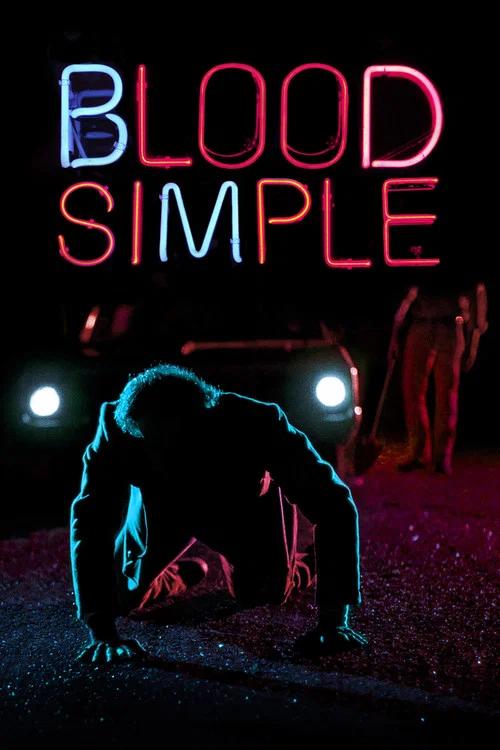
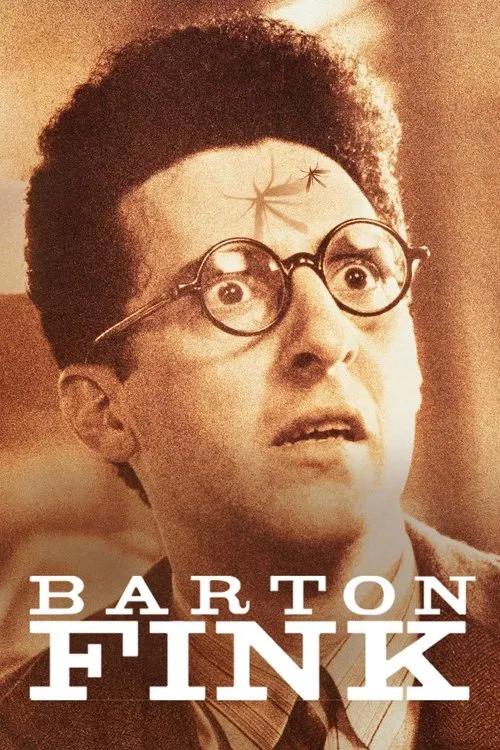
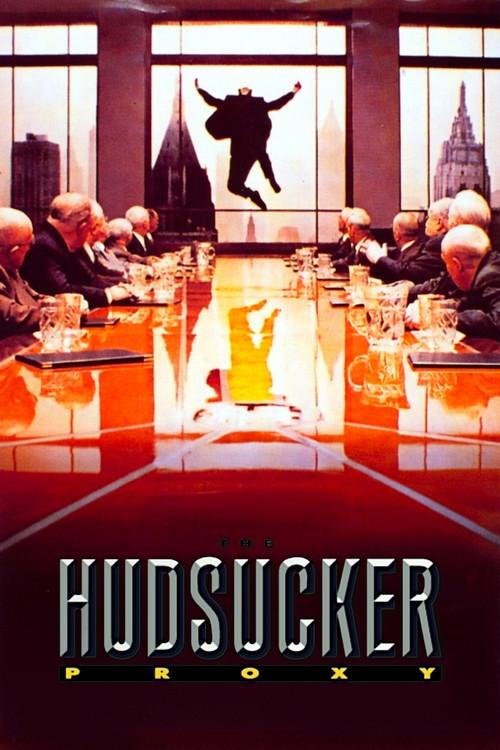
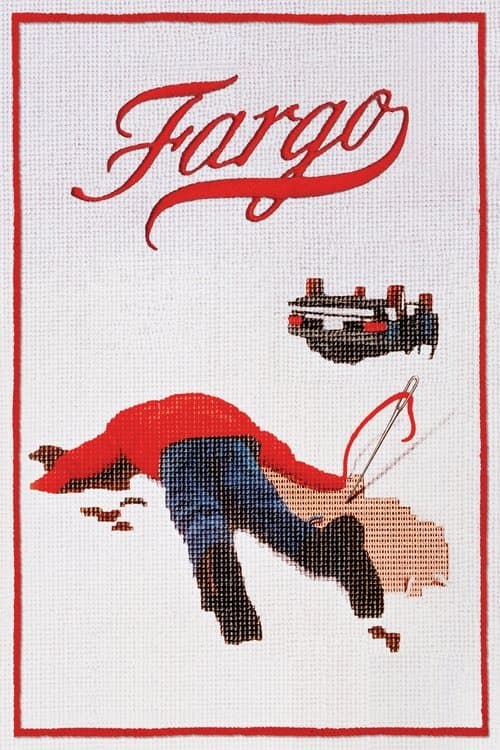
Joel Coen, Ethan Coen directed Miller's Crossing, released in 1990. CineCode also covers Blood Simple (1985), Raising Arizona (1987), Barton Fink (1991), The Hudsucker Proxy (1994), Fargo (1996), The Big Lebowski (1998).
What films are similar to Miller's Crossing?
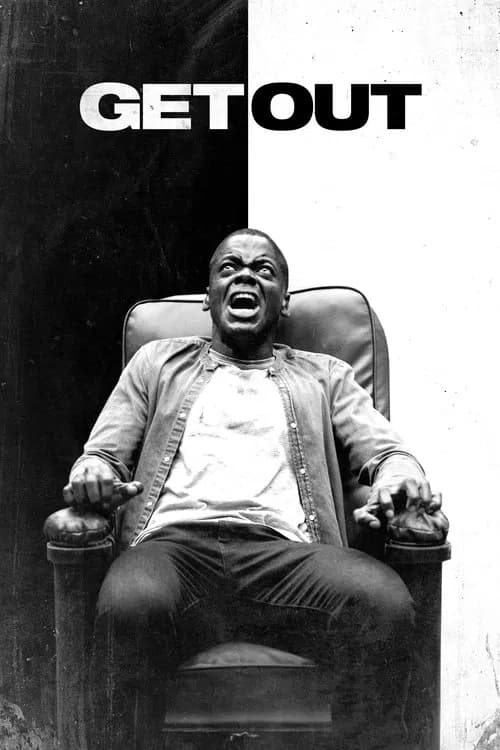
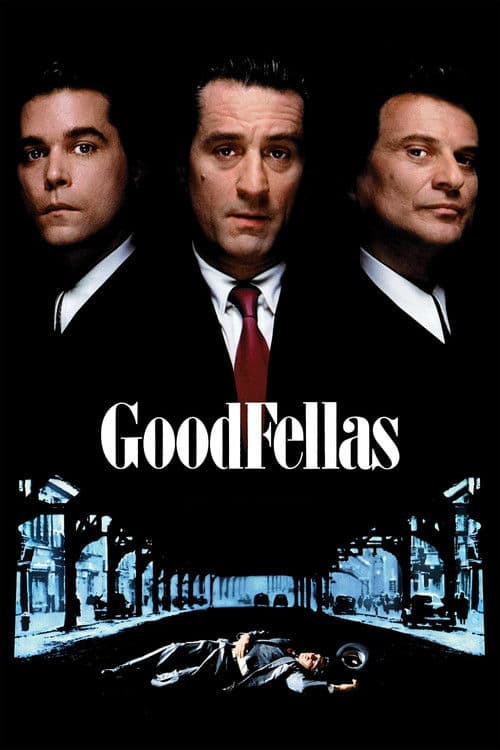
Films that share techniques with Miller's Crossing include Blue Steel (1990), Hit Man (2024), Get Out (2017), The Shawshank Redemption (1994).

Side by side

Compare it with