Comparison · 3 shared techniques

Pulp Fiction vs Snatch

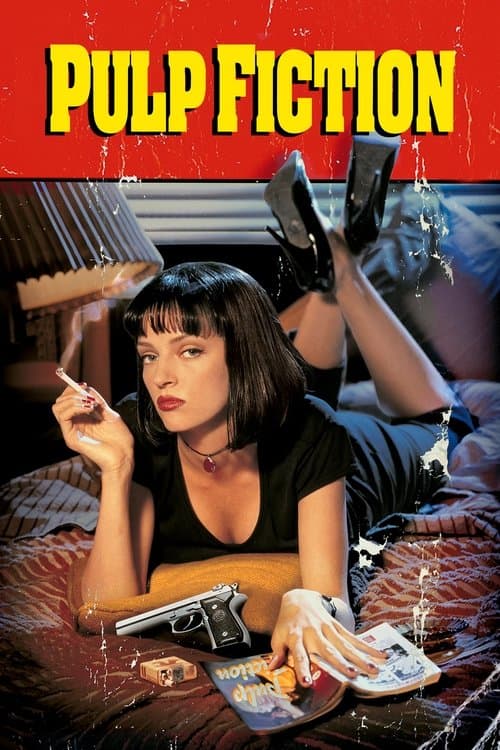
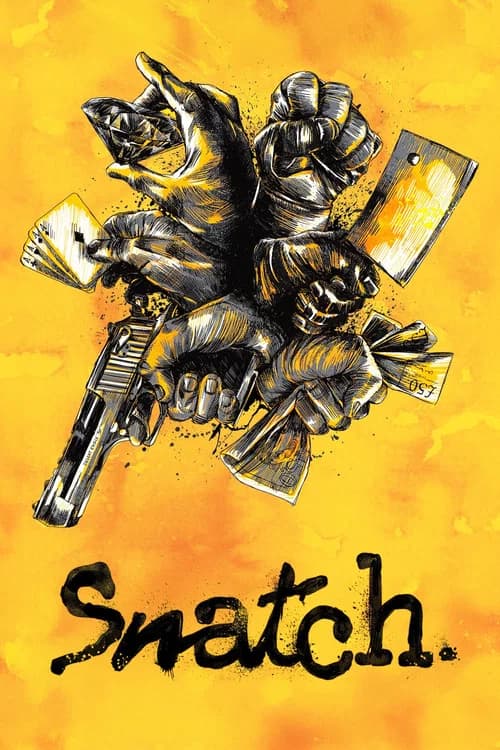
Pulp Fiction (1994) and Snatch (2000) share 3 techniques. Here is how each film uses them.

Shared

Same technique, two films

Non-Linear Narrative

Telling the story out of order by jumping between time periods. The order you see events in changes how you understand them.

Pulp Fiction

Tarantino opens with the diner holdup, moves to Vincent and Jules before their near-death, then to the Mia overdose and the boxing storyline, and goes back to the diner. The film ends with Jules alive when you have already watched Vincent die. With the order scrambled, consequences depend on your point of view.

Snatch

Ritchie breaks up the heist timeline and puts it back together in an order that favors comic build-up over cause and effect. Events get introduced, dropped and picked up again. Each time the film comes back to one, you find out things were worse than they looked the first time.

Pop Culture Monologue

Writing long speeches where characters talk in detail about films, music or other pop culture. How they analyze these small things shows you who they are.

Pulp Fiction

Tarantino uses conversations about foot massages, the metric system in Europe and McDonald's menu names to build character relationships as precisely as any dramatic confrontation would. Jules and Vincent's argument about what a miracle means is structured like a debate about God, only it's carried out in crime-movie banter.

Snatch

Brick Top delivers his monologue about pigs with the casual expertise of a man explaining a routine part of his job. It makes him more dangerous than any gun. That is, the specifics of the speech (soak time, bone disposal) are the whole character.

Genre Collage

Mixing several genres in 1 film, such as crime, romance, horror and absurd comedy. The clash between them keeps you from settling into a single way of watching.

Pulp Fiction

Pulp Fiction moves between mob thriller, kitchen-sink romance, grindhouse horror (the gimp and Zed), road movie and screwball comedy. Each section follows the rules of a different genre. The mix won't settle on a single moral tone, so you have to hold contradictions in your head at the same time.

Snatch

Snatch combines the British gangster film, the caper comedy, the bare-knuckle sports film and the crime ensemble with no transitions between them. The film switches styles faster than you can label it, and that instability is a pleasure in itself.