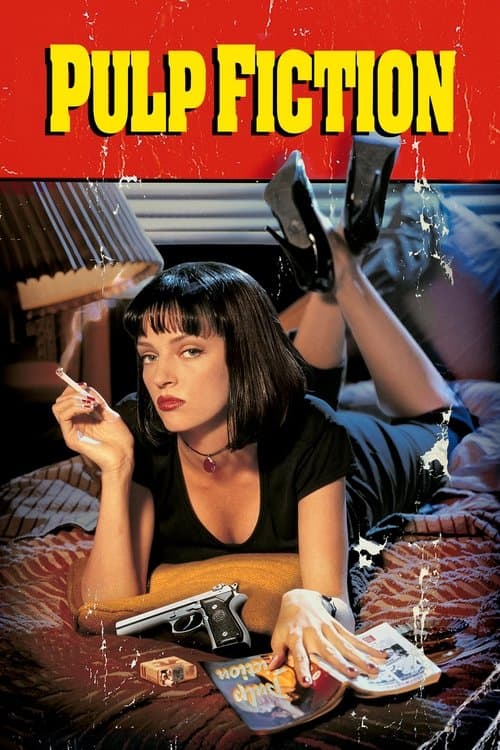
Pulp Fiction
Quentin Tarantino · 1994
Several intersecting criminal storylines play out across Los Angeles in a non-linear structure that scrambles chronology to create new meaning from familiar genre material. A film about violence, redemption, and cinema itself — assembled from pop culture into something genuinely original.
Techniques Used
5 techniques identified in this film
Anachronic Structure
EditingDeliberately presenting narrative events out of chronological order — not for mystery, but to reshape the audience's emotional experience of events whose outcomes are already known.
How this film uses it
Tarantino opens with the diner holdup, moves to Vincent and Jules before their near-death, then to the Mia overdose, the boxing storyline, and back to the diner — ending with Jules alive when we already watched Vincent die. The scrambled chronology makes the film about consequence as perspective.
Pop Culture Monologue
NarrativeExtended first-person speeches in which characters reveal their worldview, psychology, and relationships through analysis of trivial cultural objects — elevating genre ephemera into character revelation.
How this film uses it
Tarantino uses conversations about foot massages, the metric system in Europe, and McDonald's nomenclature to build character relationships as precisely as any dramatic confrontation. Jules and Vincent's argument about the meaning of a miracle has the structure of a theological debate conducted through genre banter.
Trunk Shot
CinematographyPlacing the camera inside a container — a car trunk, a suitcase — and shooting looking up at characters who open it, creating an uncanny, low-angle perspective that implicates the audience in the object's POV.
How this film uses it
Tarantino uses the trunk shot whenever contraband or a captive is being retrieved. The camera is placed where the dangerous thing is, making the audience a passive occupant of the most morally compromised position in the scene.
Genre Collage
NarrativeBuilding a film from the deliberate combination of multiple genre conventions — crime, romance, horror, absurdist comedy — so that the collision between genres produces meaning that no single genre could contain.
How this film uses it
Pulp Fiction moves between mob thriller, kitchen-sink romance, supernatural horror (the gimp and Zed), road movie, and screwball comedy — each section adopting a different genre grammar. The collage refuses a single moral register and forces the audience to hold contradictions simultaneously.
Unbroken Dialogue Scene
EditingHolding a conversation scene in sustained, minimally-cut takes that prioritize the rhythm of speech and the actors' physical coexistence over conventional coverage.
How this film uses it
Tarantino shoots extended dialogue sequences — the Royale with Cheese conversation, the breakfast scene — in long takes that let the actors' timing and chemistry determine the rhythm. The editing refuses to intrude on performances that are working.
You Might Also Like
Films that share at least one technique with Pulp Fiction
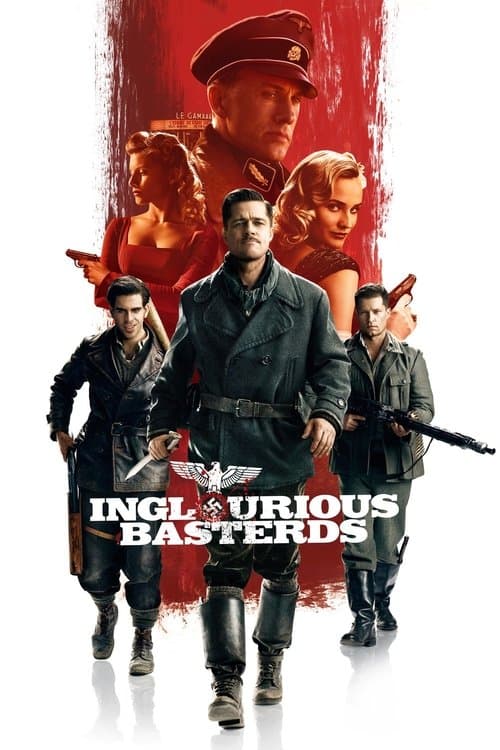
Two separate plots to assassinate Nazi leadership converge on a Paris cinema in 1944: a Jewish refugee who has rebuilt her identity and a unit of Jewish-American soldiers who scalp Nazis. Tarantino rewrites World War II as a revenge fantasy delivered through the grammar of cinema itself.
Inglourious Basterds
Quentin Tarantino · 2009
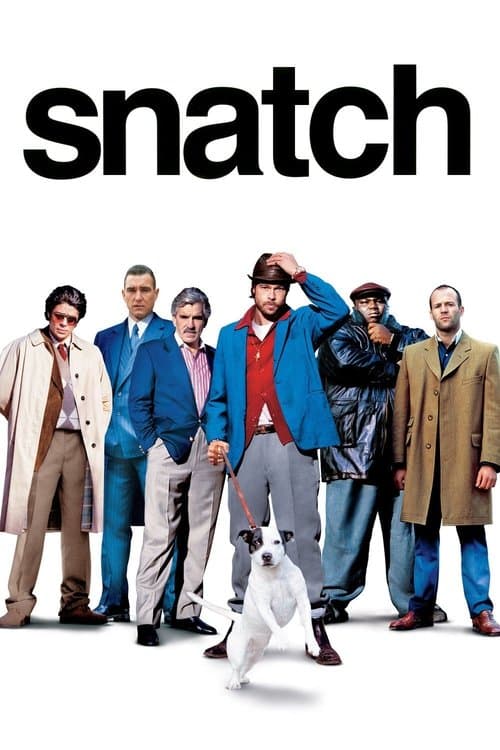
A stolen diamond passes through London's criminal underworld — through bare-knuckle boxing promoters, incompetent thieves, a gypsy fighter, and a psychotic gangster — in a film that manages to make elaborate coincidence feel inevitable.
Snatch
Guy Ritchie · 2000
A stolen diamond, a bare-knuckle boxing match, and a series of spectacularly unlucky criminals converge in a chaos of escalating misfortune across London's criminal underworld. Guy Ritchie's second feature is a machine for controlled disorder — every complication is the setup for a worse complication.
Snatch
Guy Ritchie · 2000