Narrative technique · used in 39 films

Non-Linear Narrative

Telling the story out of order by jumping between time periods. The order you see events in changes how you understand them.

Examples

39 films that use it

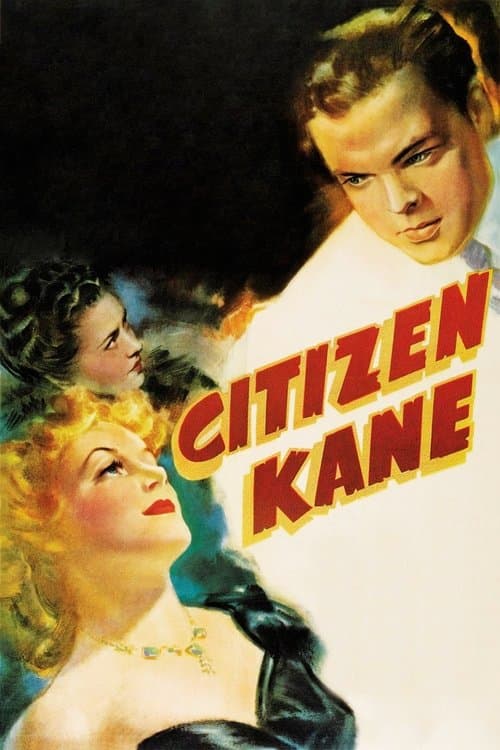
  1. Citizen Kane (1941) poster

    Citizen Kane

    Orson Welles · 1941

    Kane's life is pieced together from accounts that overlap and contradict each other. They are all told looking back, and they do not come in the order things happened. Each narrator gives you a different period, a different Kane and a different reading of him. I feel like telling it out of order is the point. You can't rebuild a life from testimony. You can only get close and argue about it.

    Where to see it: The transition between Thatcher's memoir and Bernstein's interview. The 2 witnesses had very different relationships to Kane, and their descriptions of the same man don't fit together.
  2. The Killing (1956) poster

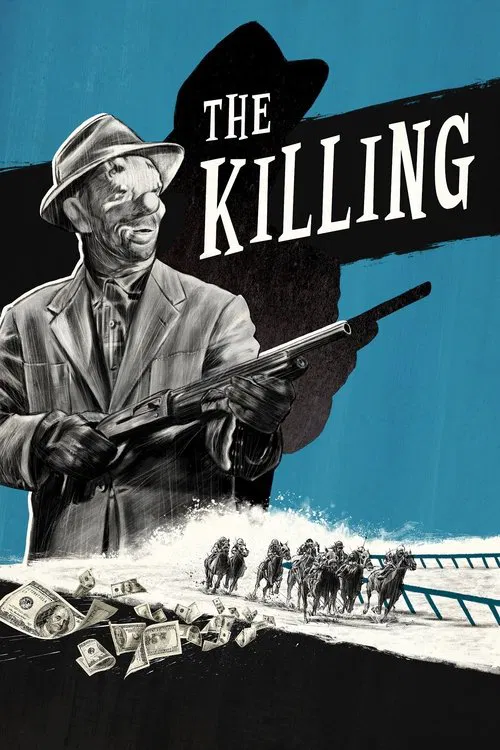
    The Killing

    Stanley Kubrick · 1956

    The film does not follow the heist in a straight line. It returns to earlier moments and tells them again from another man's side. You assemble the whole plan piece by piece, as if you were putting a clock together.
    Where to see it: The racetrack heist. The film steps through the day moving from one man's job to another's, and returns to the same stretch of time more than once.

  3. The Conformist (1970) poster

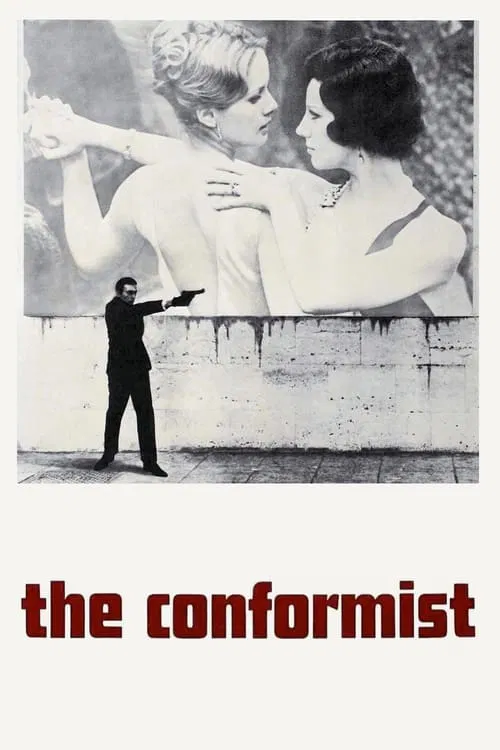
    The Conformist

    Bernardo Bertolucci · 1970

    The film moves freely between Marcello's present journey to Paris and the childhood trauma that drives it. He has pushed the past down, so it comes up out of order and in pieces as the mission gets closer.

    Where to see it: The childhood flashback of Lino's assault. It bursts into the present story without warning, so the memory hits like an ambush.

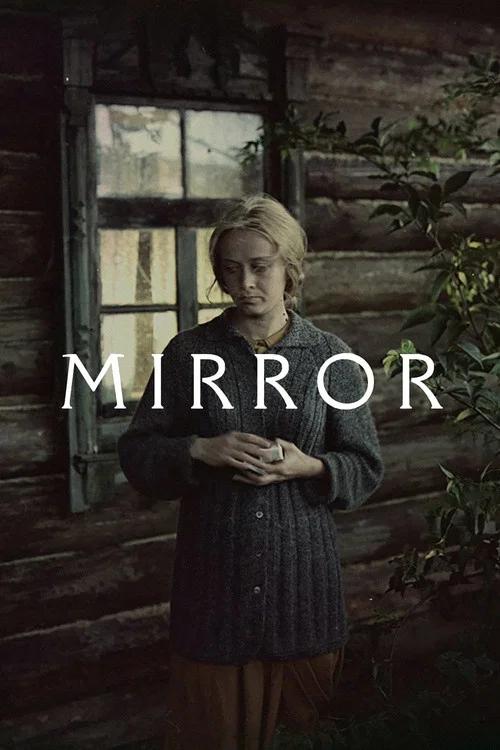
  4. Mirror (1975) poster

    Mirror

    Andrei Tarkovsky · 1975

    Memory, dreams and history are cut together without a timeline. A scene from childhood can flow into the poet's adult life without warning. You assemble the story from feelings and images.

    Where to see it: The burning barn. The family watches a barn burn in a memory that appears without warning.

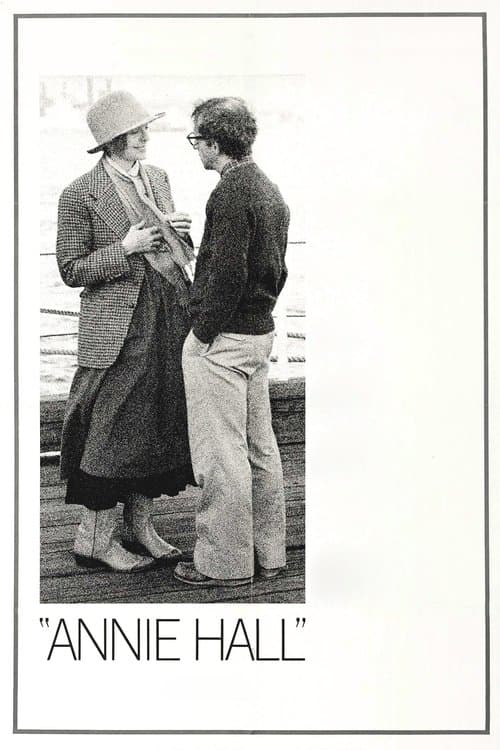
  5. Annie Hall (1977) poster

    Annie Hall

    Woody Allen · 1977

    Allen moves freely through Alvy's past and present. He revisits scenes, interrupts them and sometimes drops adult Alvy into childhood memories. The structure acts out the film's argument. We experience relationships as memory, present feeling and looking back all at once, and never in order.

    Where to see it: Alvy revisiting his childhood classroom. The adult Alvy is placed inside his own past, so you can literally see the film jumping out of time order.

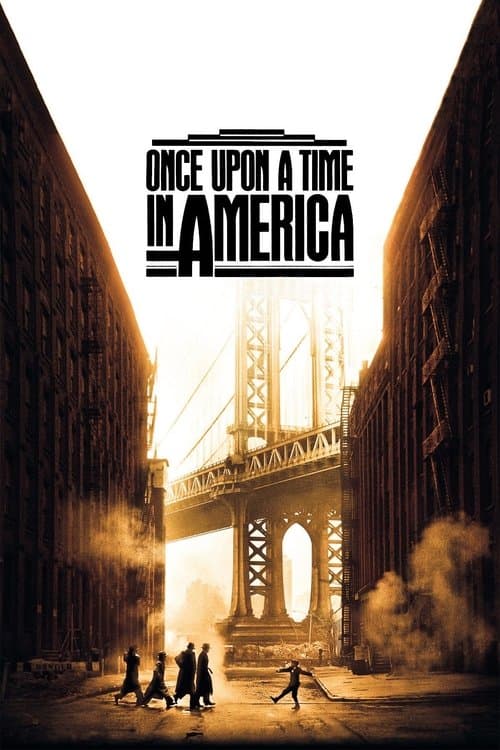
  6. Once Upon a Time in America (1984) poster

    Once Upon a Time in America

    Sergio Leone · 1984

    The film has 3 parts: the 1968 story that frames it, the 1930s tragedy at its center and the 1920s origin story. It shows them in an order that puts emotional reveals ahead of plot. You only work out the real order of events gradually. When you do, you find that what looked like Noodles' crime was something else entirely.

    Where to see it: The film's big structural reveal. You learn how the 1968 storyline connects to the 1930s tragedy. Putting events in their real order changes the meaning of every scene before it.

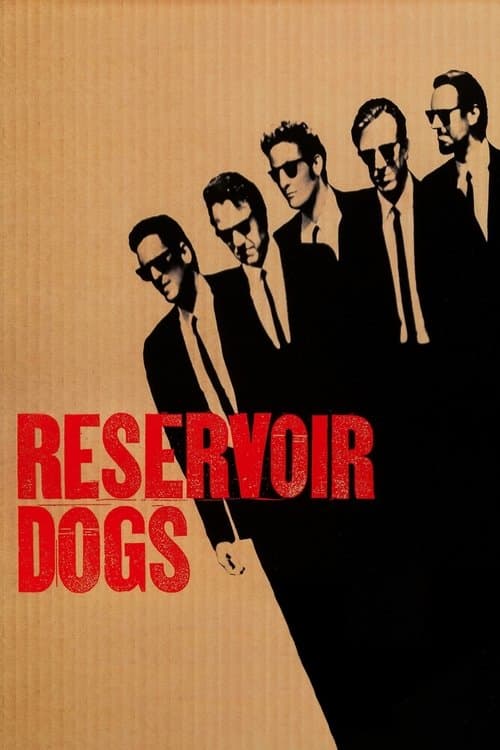
  7. Reservoir Dogs (1992) poster

    Reservoir Dogs

    Quentin Tarantino · 1992

    The heist itself is never shown. Tarantino builds it out of scattered scenes from before and after the event, so you have to piece together what happened from shaken witnesses.

    Where to see it: Mr. Orange's extended flashback of how he built his undercover identity. It arrives mid-film and plays like a film within a film.

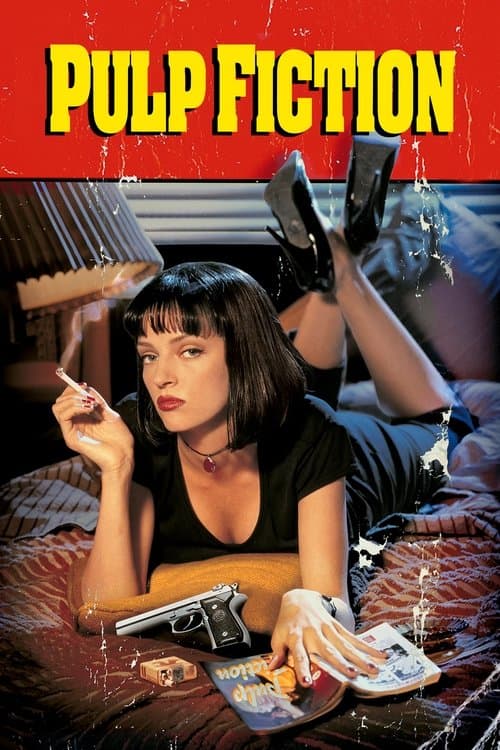
  8. Pulp Fiction (1994) poster

    Pulp Fiction

    Quentin Tarantino · 1994

    Tarantino opens with the diner holdup, moves to Vincent and Jules before their near-death, then to the Mia overdose and the boxing storyline, and goes back to the diner. The film ends with Jules alive when you have already watched Vincent die. With the order scrambled, consequences depend on your point of view.

    Where to see it: Vincent Vega's death mid-film. He then shows up alive in the diner sequence, which happens earlier in the timeline.

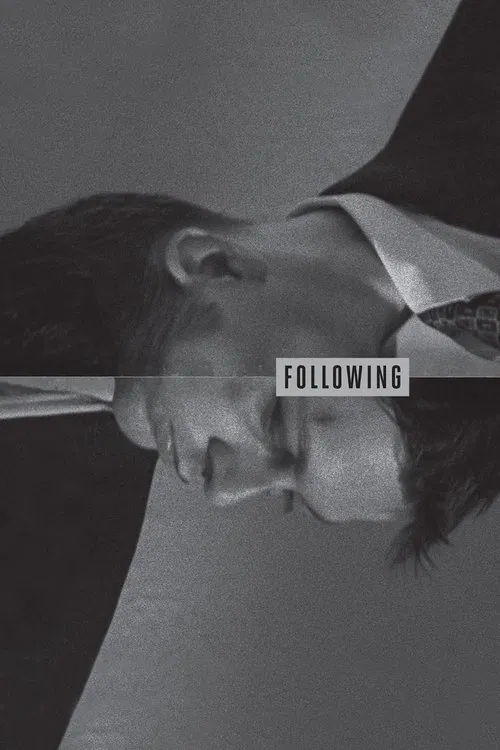
  9. Following (1998) poster

    Following

    Christopher Nolan · 1998

    The story is cut into separate timelines and shuffled together. You see Bill meeting Cobb, Bill deep in the burglaries and Bill after it has gone wrong, all out of order. You keep fitting the pieces together, and the order hides how Bill is being played.
    Where to see it: The opening at the police station. Bill starts telling his story, and the film jumps between his first days following people and later scenes where he looks completely different.

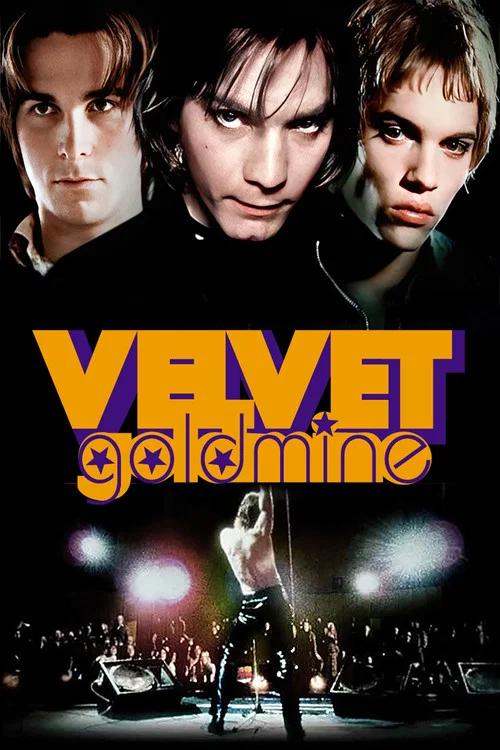
  10. Velvet Goldmine (1998) poster

    Velvet Goldmine

    Todd Haynes · 1998

    The structure is modeled on Citizen Kane, with a reporter assembling a mystery through interviews and flashbacks. The film jumps among 1984, the early 1970s and Arthur's teenage years. Each jump adds a piece to the puzzle.

    Where to see it: The Lyceum concert. The film keeps returning to Slade's faked death at the 1974 show at London's Lyceum Theatre.

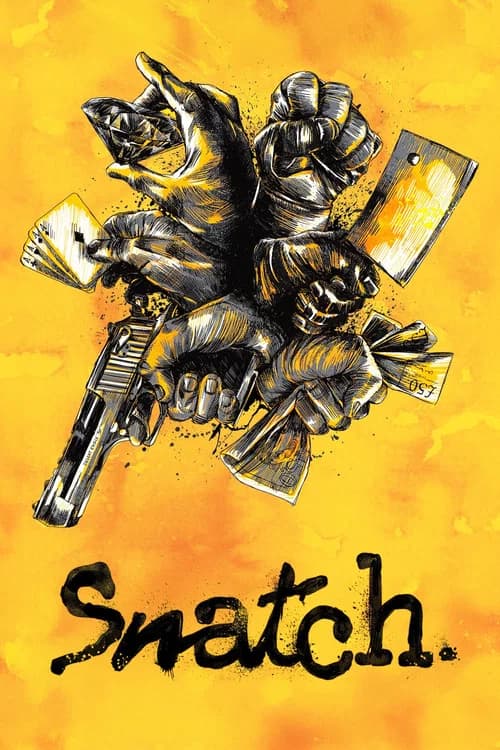
  11. Snatch (2000) poster

    Snatch

    Guy Ritchie · 2000

    Ritchie breaks up the heist timeline and puts it back together in an order that favors comic build-up over cause and effect. Events get introduced, dropped and picked up again. Each time the film comes back to one, you find out things were worse than they looked the first time.

    Where to see it: The opening diamond heist sequence and the jump into the London plot lines that follow it. The film then cuts between intertwined stories that overlap and loop back.

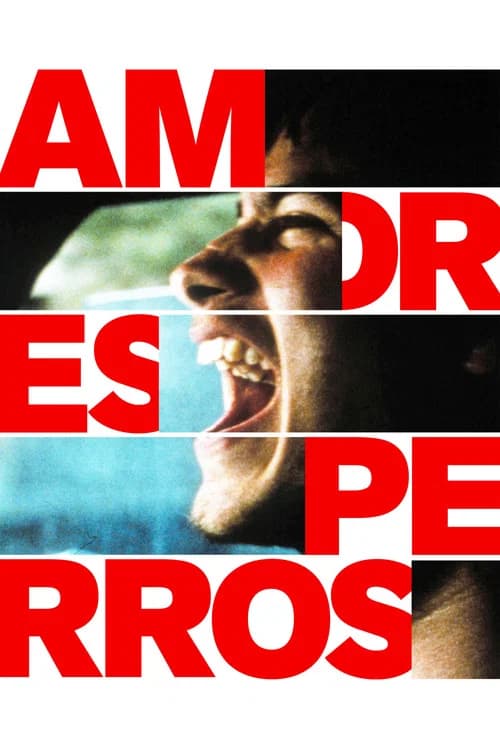
  12. Amores Perros (2000) poster

    Amores Perros

    Alejandro González Iñárritu · 2000

    Iñárritu tells the 3 stories one after another instead of in a single timeline. The crash shows up at a different point in each story's timeline. What you get is a portrait of Mexico City where the same moment means something completely different depending on whose life it interrupts.

    Where to see it: The crash repeated from each character's position in time. The same event is shown 3 times. Each time, you learn something new about what led to it and what comes after.

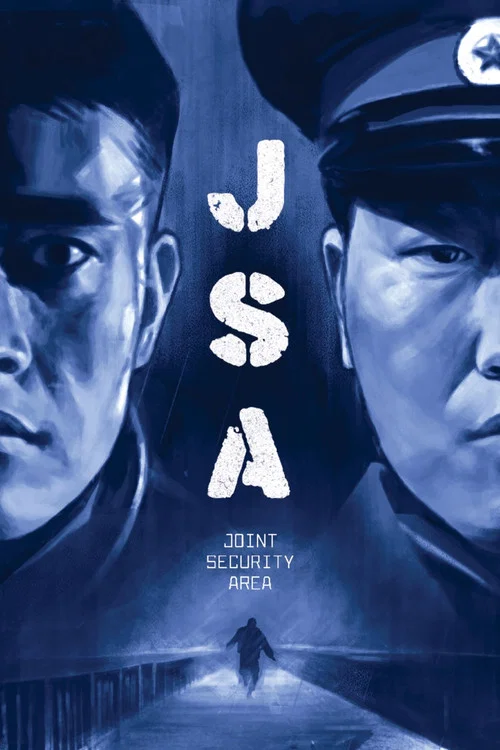
  13. Joint Security Area (2000) poster

    Joint Security Area

    Park Chan-wook · 2000

    The present-day investigation is cut with flashbacks of the soldiers' friendship. You learn the truth in pieces, at the same speed as the investigator. The order of the scenes decides how you feel about each lie.

    Where to see it: The flashbacks to the night at the northern guard house. They answer questions the interviews left open.

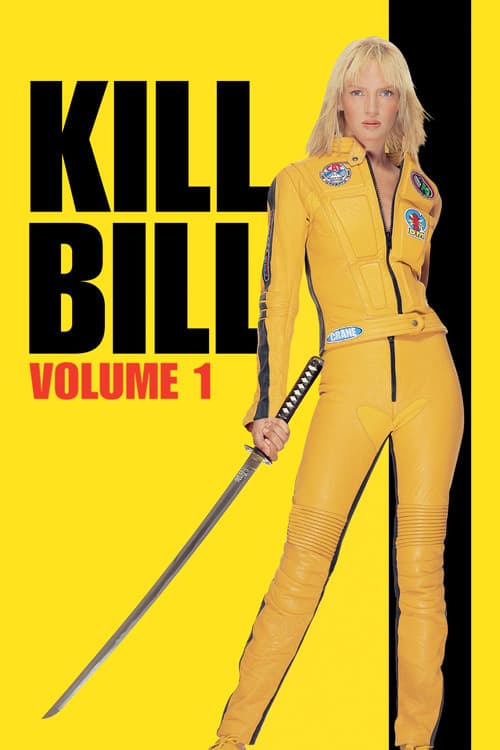
  14. Kill Bill: Volume 1 (2003) poster

    Kill Bill: Volume 1

    Quentin Tarantino · 2003

    The Bride doesn't go through her kill list in order, and Volume 1 skips to O-Ren mid-list. The wedding massacre is shown in pieces across both volumes, and the full truth waits until the sequel.

    Where to see it: The opening. The film starts with the Bride shot at her wedding chapel, jumps to her fight with Vernita Green and only then goes back to the hospital and her path to Japan. The film throws off your sense of time on purpose.

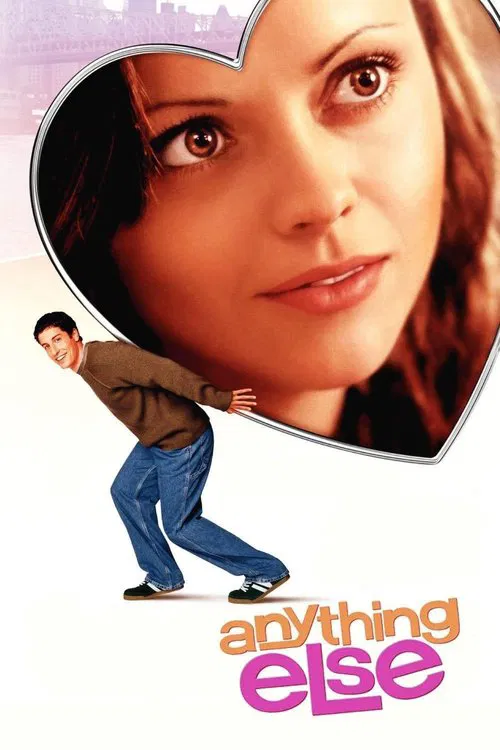
  15. Anything Else (2003) poster

    Anything Else

    Woody Allen · 2003

    The story steps back more than a year to show how Jerry met Amanda. He was dating Brooke, she was dating his friend Bob, and he pretended to share her interests. Seeing the start of the affair makes the present, loveless relationship hurt more.

    Where to see it: The flashback to the double date. Jerry is drawn to Amanda at once, then calls her about a trip to a record store and they kiss.

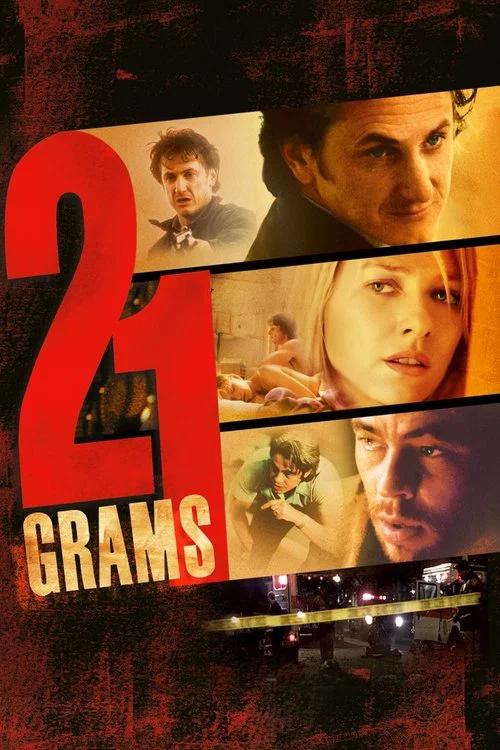
  16. 21 Grams (2003) poster

    21 Grams

    Alejandro González Iñárritu · 2003

    The story is told in fragments, with each character's past, present and future threads mixed together. You see consequences before causes. The jumbled order makes you piece together how grief and guilt connect these three.
    Where to see it: Scrambled order: the film is told in a nonlinear manner, and the three characters each have past, present and future threads that all come toward each other.

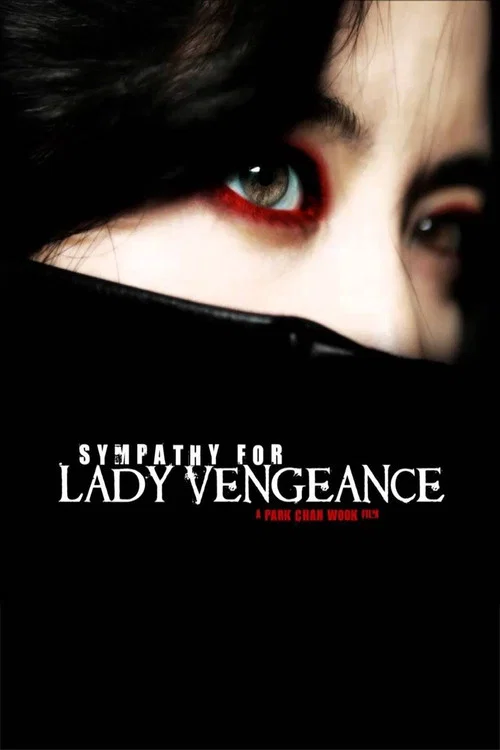
  17. Lady Vengeance (2005) poster

    Lady Vengeance

    Park Chan-wook · 2005

    Geum-ja's present-day plan is cut with flashbacks that show her time in prison and what Mr. Baek did to her. You see the revenge and the reasons for it in pieces. The order lets you understand her before you judge her.

    Where to see it: The flashbacks about Mr. Baek. They show how her teacher forced her into his crimes and took her baby.

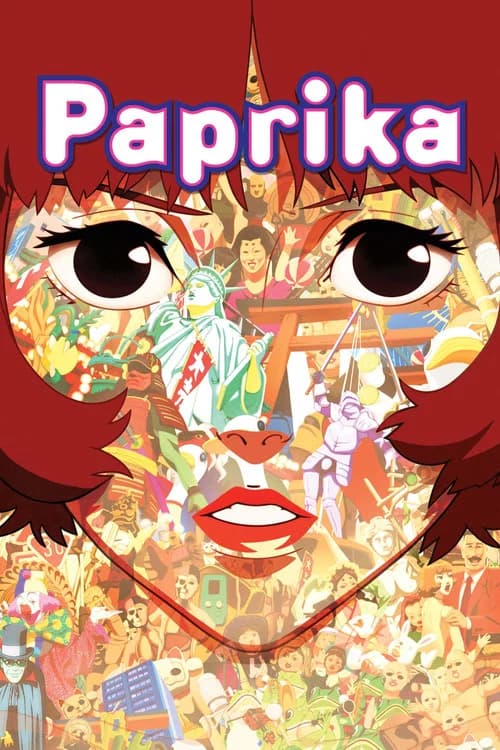
  18. Paprika (2006) poster

    Paprika

    Satoshi Kon · 2006

    Kon moves freely between dreaming and waking and gives you no consistent visual signal for either. The editing leaves you unable to be sure which scenes are 'real'. By jumbling the order, the film acts out its own idea that the difference may not matter.

    Where to see it: The shifts between the waking investigation and the dream sequences. The editing moves from one to the other with nothing to mark the change. You gradually lose track of which one you are in.

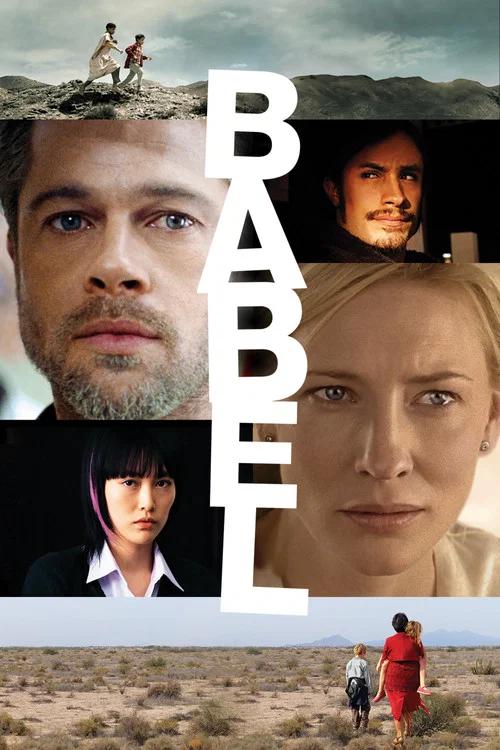
  19. Babel (2006) poster

    Babel

    Alejandro González Iñárritu · 2006

    The four stories are not told in order, and you learn how they connect as the film goes on. You start with strangers and slowly see the rifle that links them. The puzzle makes you pay attention to every thread.

    Where to see it: Scrambled timeline: the film tells its stories out of chronological order. As it unfolds, the audience learns how the plots are intertwined.

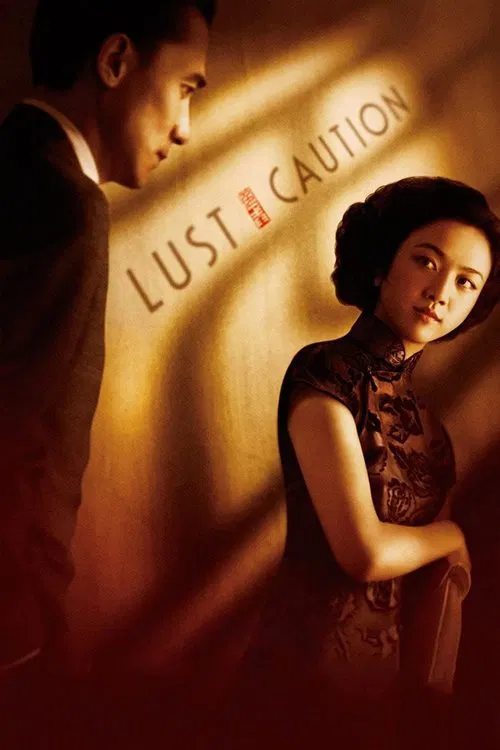
  20. Lust, Caution (2007) poster

    Lust, Caution

    Ang Lee · 2007

    The film opens in Shanghai during a mahjong game among women, then falls back to how a shy student named Wong Chia Chi got there. The jump tells you early that she has been through something, and the earlier story explains the mask she wears.

    Where to see it: Opening mahjong game and flashback: Women play mahjong in occupied Shanghai in the 1940s. The film then flashes back to Hong Kong, where Wong joins a patriotic drama club.

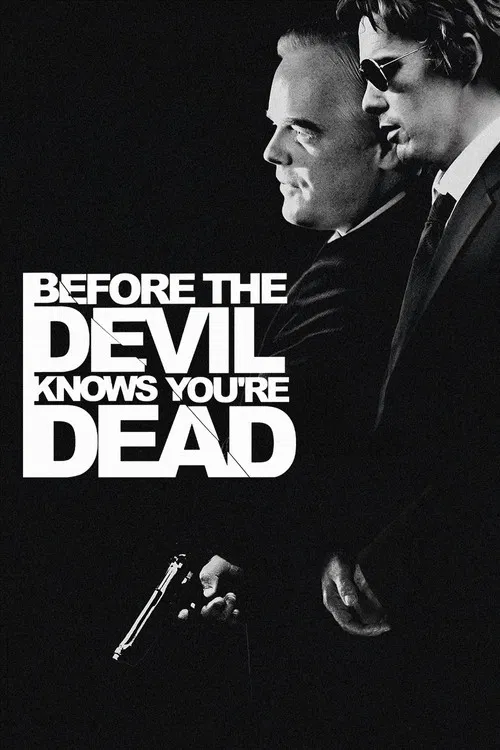
  21. Before the Devil Knows You're Dead (2007) poster

    Before the Devil Knows You're Dead

    Sidney Lumet · 2007

    The film jumps between the day of the robbery and the days before and after it. Some scenes come back more than once, so you see the same events with new information. You keep re-judging the brothers as the order of events shifts.

    Where to see it: The robbery sequence. You see the robbery at the jewelry store go wrong, and later scenes return to it and fill in what led there.

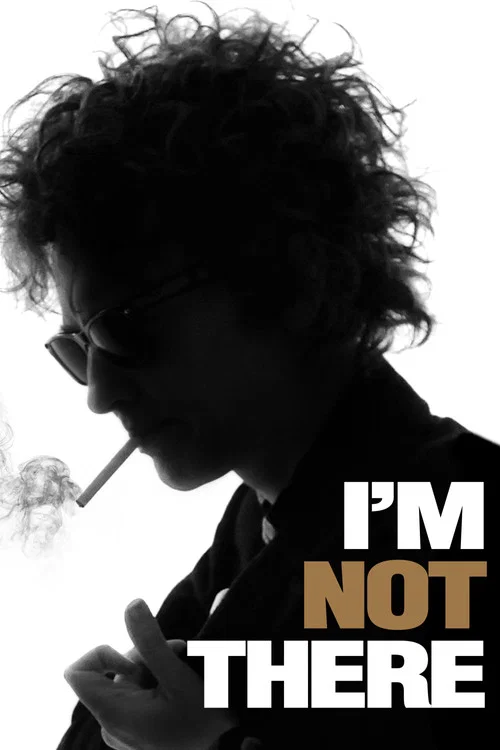
  22. I'm Not There (2007) poster

    I'm Not There

    Todd Haynes · 2007

    The film jumps between six storylines instead of following a single timeline. A reveal in one story changes how you read another. You build the picture of a man out of pieces.

    Where to see it: The move between strands. The film cuts from the Jack Rollins documentary to Robbie Clark's biopic and the other storylines with no fixed order.

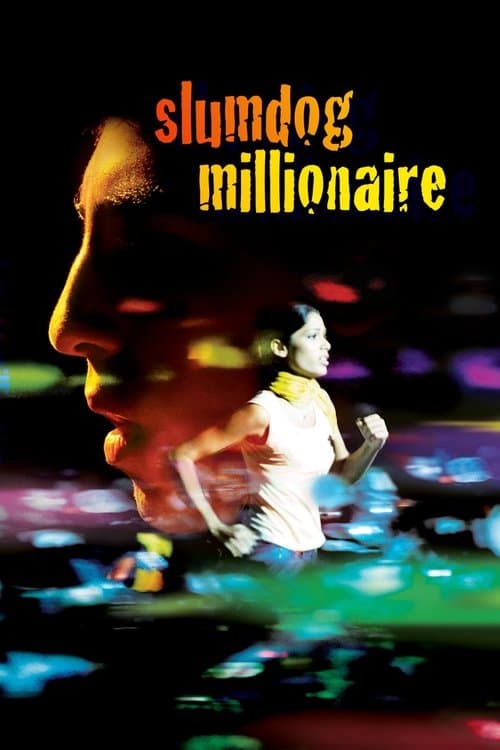
  23. Slumdog Millionaire (2008) poster

    Slumdog Millionaire

    Danny Boyle · 2008

    Each quiz question unlocks a matching memory. The game show gives the film a way to piece together a traumatic life story in fragments. Jamal has suffered for every answer he knows.

    Where to see it: The question about Benjamin Franklin. Jamal knows the answer because a childhood friend, blinded and now singing for coins on the street, once told him whose face is on the $100 bill. The answer and the painful memory arrive together.

  24. Polytechnique (2009) poster

    Polytechnique

    Denis Villeneuve · 2009

    The film does not tell its story in a straight line. It moves back and forth in time, so the attack and its aftermath inform each other. You learn what the day cost these people while you are still watching the day.
    Where to see it: The cuts between the attack and what follows. The film returns to the school while also following Valérie and Jean-François through later years.

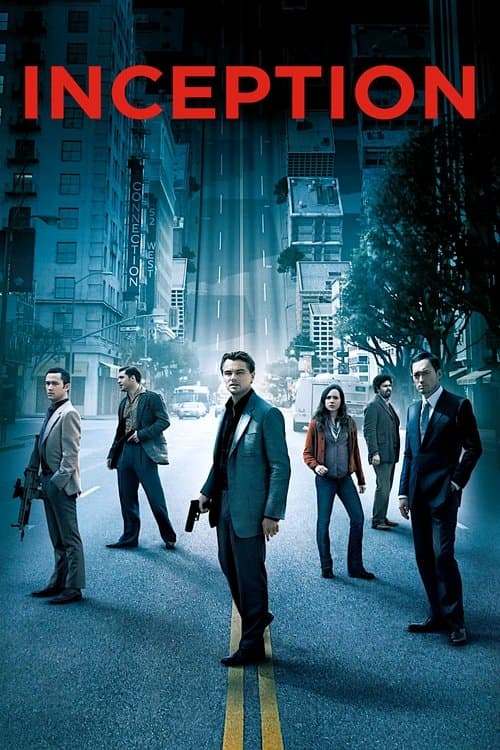
  25. Inception (2010) poster

    Inception

    Christopher Nolan · 2010

    Nolan cuts between 4 dream levels that are all happening at once, with time running at a different speed in each. The levels sit inside each other, so a cause in 1 level has its effect in another.
    Where to see it: The Act 3 intercutting. The van fall, the hotel corridor, the snow fortress and Limbo all play against each other.
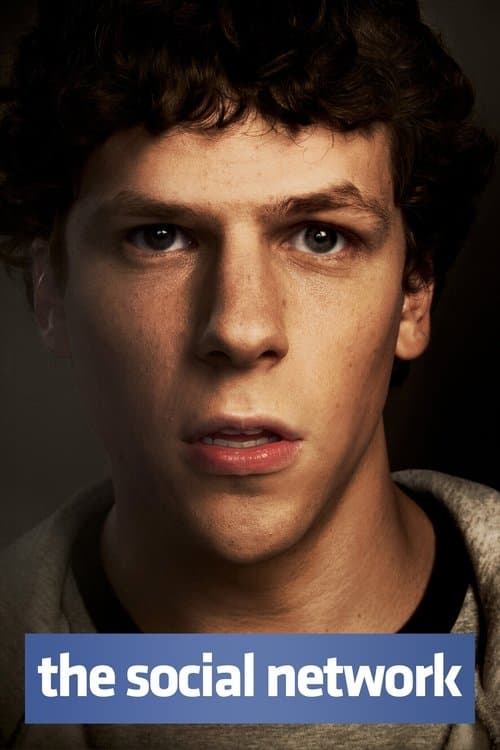
  26. The Social Network (2010) poster

    The Social Network

    David Fincher · 2010

    The film is built around 2 depositions, which are sworn interviews for a lawsuit. It cuts back and forth between them and the past they are describing. The legal present and the creative past keep talking to each other. Each moment in a deposition passes judgment on a past scene you are watching at the same time. Because it is told out of order, the film ends up being about how people interpret the events.
    Where to see it: The deposition cutaways. The legal present interrupts the past it is retelling, and the 2 timelines argue about what the same events mean.

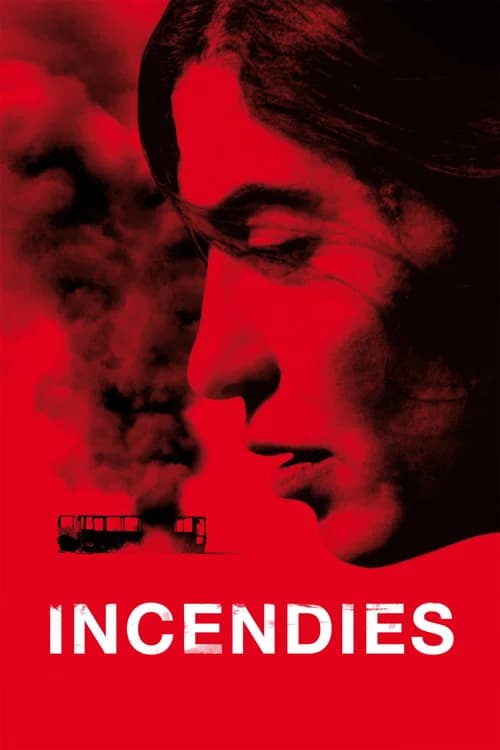
  27. Incendies (2010) poster

    Incendies

    Denis Villeneuve · 2010

    Villeneuve moves between the present investigation and the past with nothing to tell you when you are. You have to piece together Nawal's history at the same pace as her children. Understanding arrives in fragments, and nobody ever explains it to you outright.

    Where to see it: The prison sequences. Nawal's imprisonment is shown in fragments across both timelines. You only get the full picture once you've seen all of them.

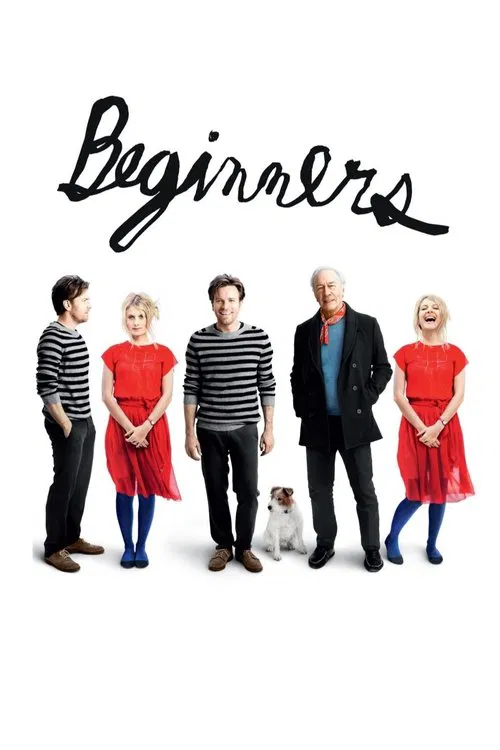
  28. Beginners (2011) poster

    Beginners

    Mike Mills · 2011

    The film jumps between 2003, when Oliver meets Anna, and earlier years with his parents and father's illness. The memories are not told in order. They show up when Oliver needs them, so his past comments on his present love life.

    Where to see it: The flashbacks: while Oliver gets closer to Anna, scenes of his father's last years and his mother's life appear. They show the cool marriage Oliver does not want to repeat.

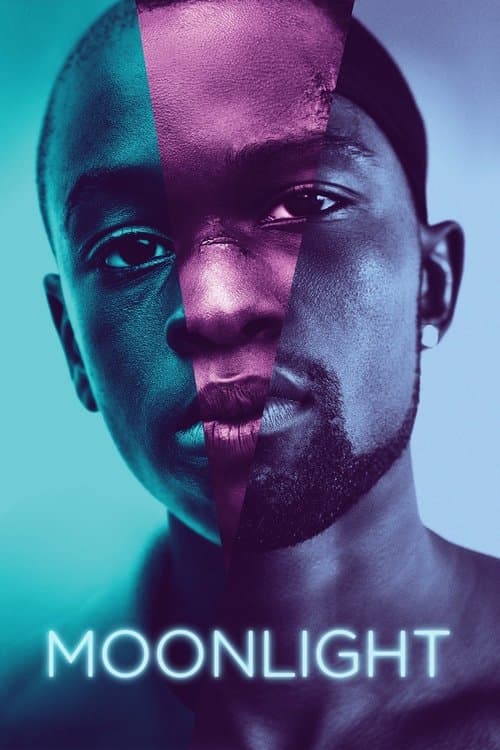
  29. Moonlight (2016) poster

    Moonlight

    Barry Jenkins · 2016

    The film is a triptych, a story in 3 panels. It breaks Chiron's life into 3 labeled chapters with a jump in time between each. You have to piece together 1 continuous person from moments that don't connect.

    Where to see it: The cut from the child Chiron to the teenage version at the start of Act II. It is abrupt, and nothing explains the jump.

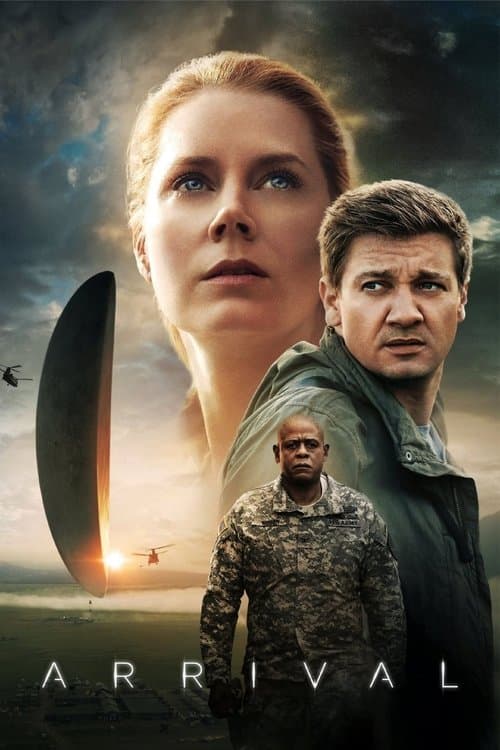
  30. Arrival (2016) poster

    Arrival

    Denis Villeneuve · 2016

    The film's main trick is about the order of events. All the way through, Louise's scenes with her daughter are presented as memories. Only in the final act do you learn they are visions of the future. The out-of-order structure is the film's main idea. Once you learn the heptapod language, you perceive time differently.

    Where to see it: The final reveal. Louise's 'memories' turn out to be visions of the future. You had been reading every earlier scene as grief, and now each one becomes a prophecy.

  31. The Irishman (2019) poster

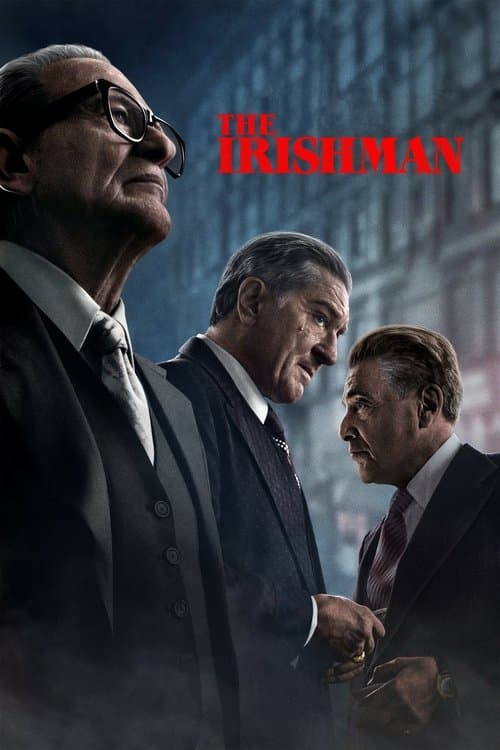
    The Irishman

    Martin Scorsese · 2019

    The road trip to the wedding of Bill Bufalino's daughter is the anchor of the film. From it, the story keeps dropping into flashbacks inside flashbacks. Scorsese moves between decades, and the digital de-aging of the actors helps mark which period you are in.

    Where to see it: The road trip structure itself. As the car moves through the American landscape, it sets off memories in pieces that come out of order.

  32. Tenet (2020) poster

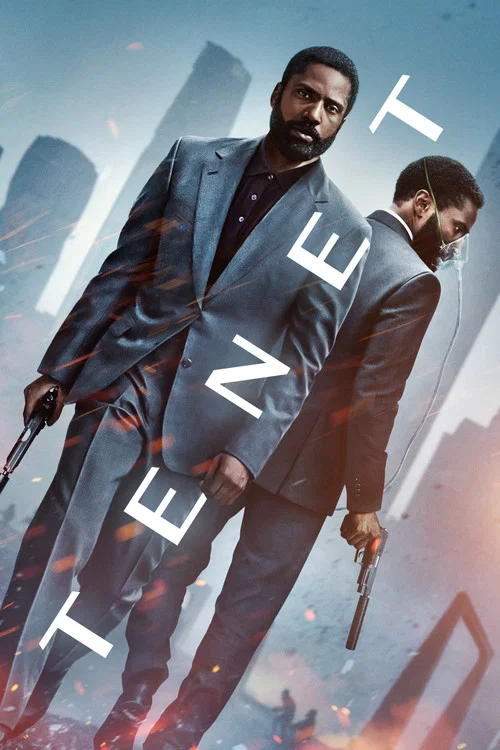
    Tenet

    Christopher Nolan · 2020

    The film's time mechanics make its out-of-order storytelling literal. Characters live through events from opposite directions in time. Scenes come back from different entry points, and cause and effect run both ways at once.

    Where to see it: The opera house opening. A masked soldier saves the Protagonist with an inverted bullet, and a trinket hangs from his pack. The film never replays the scene. At the end, you see the same trinket on Neil's bag and rebuild the opening yourself.

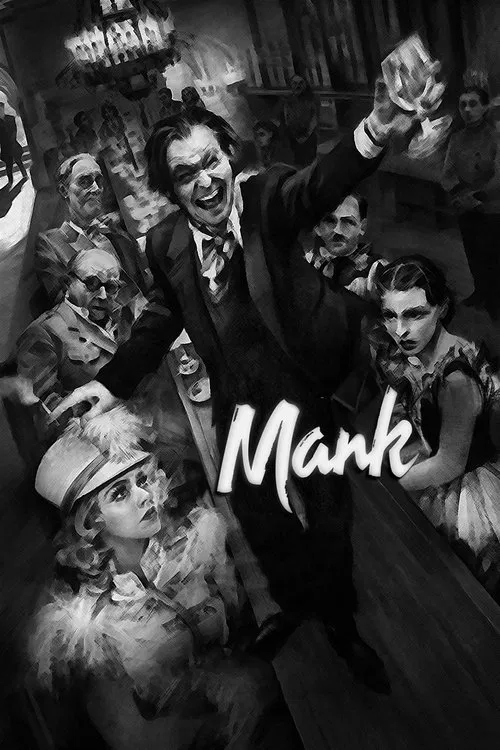
  33. Mank (2020) poster

    Mank

    David Fincher · 2020

    Like Kane, the film jumps between 1940 and flashbacks to 1933, 1934 and 1937. Typed scene headings appear on screen in screenplay format, so you feel the script being written. Each jump shows where a piece of the Kane story came from.

    Where to see it: The 1937 party. A drunk Mankiewicz insults Hearst at a party, and Louis B. Mayer calls him a court jester.

  34. The Worst Person in the World (2021) poster

    The Worst Person in the World

    Joachim Trier · 2021

    Each chapter is a separate episode in Julie's life. The portrait you get is non-linear. The chapters connect mostly through emotion and theme, and strict cause and effect matters a lot less.

    Where to see it: The chapter titles appearing on screen ('Oral Sex in the Age of #MeToo,' 'Julie's New Life'). Each one is a new beginning that changes how you see what came before.

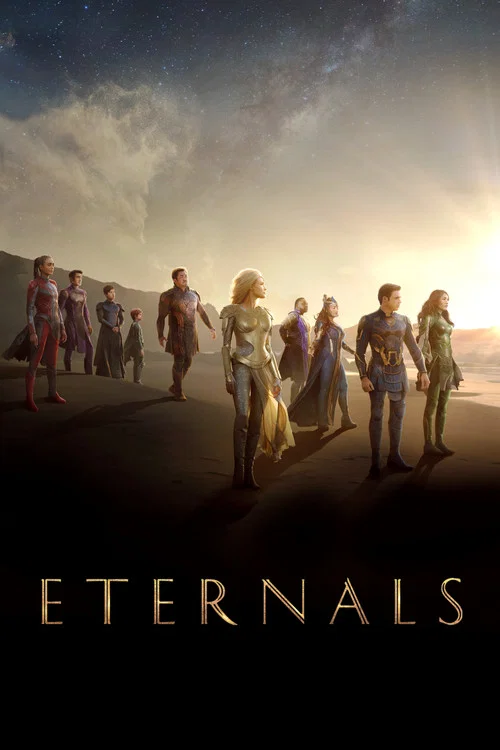
  35. Eternals (2021) poster

    Eternals

    Chloé Zhao · 2021

    The story jumps between the present and the long past, from 5000 BC to the year the last Deviants die in 1521. Each jump shows how the team has lived with humans for centuries and why they now disagree. The order you learn things changes how you judge the betrayals.

    Where to see it: Backstory: the Eternals are sent to Earth in 5000 BC to destroy the Deviants. After the last ones fall in 1521, they stop fighting and mostly live apart.

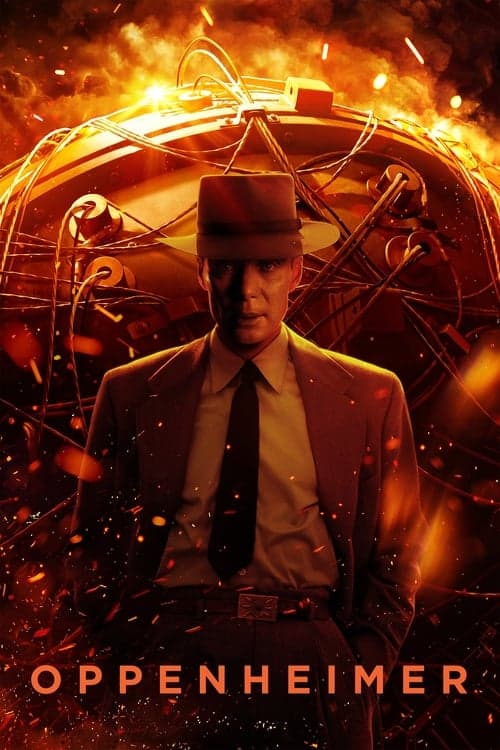
  36. Oppenheimer (2023) poster

    Oppenheimer

    Christopher Nolan · 2023

    The color sections show Oppenheimer's own experience, and the black-and-white sections show Strauss's Senate hearing. The film keeps folding past and present into each other, and the timeline only comes clear in the final minutes.

    Where to see it: The Senate hearing for Strauss. It runs alongside the earlier 1954 security clearance hearing, so you get the same argument from opposite ends of time.

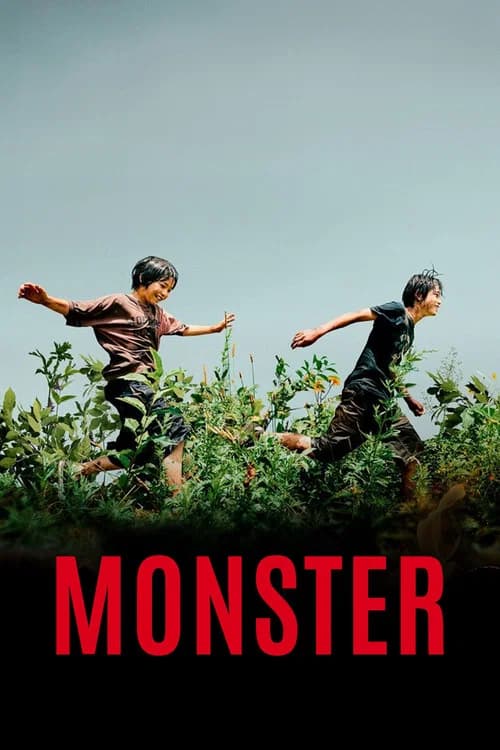
  37. Monster (2023) poster

    Monster

    Hirokazu Kore-eda · 2023

    Kore-eda returns to the same chronological events from 3 different entry points. That is, scenes that looked complete in the first act become strange and new once you experience them with what a different character knows.

    Where to see it: The scene of the teacher appearing to attack Minato. You see it first as a mother's horror, then as a school's incompetence, then as something neither reading contained.

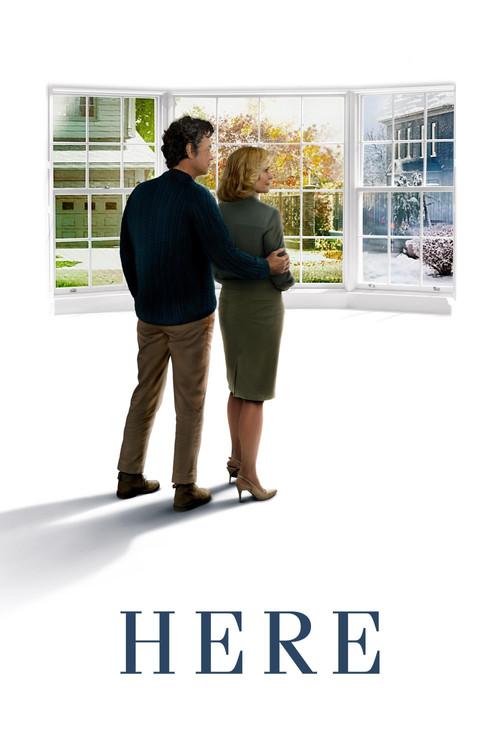
  38. Here (2024) poster

    Here

    Robert Zemeckis · 2024

    The film jumps between the dinosaurs, a Lenni-Lenape family, a colonial estate and the 1900s through the 2020s. Seeing a moment of joy next to a moment of loss changes how each one lands. You assemble the family history yourself.

    Where to see it: The jumps in time: The land passes from dinosaurs and an ice age to the Lenni-Lenape people, then the house and its later tenants.

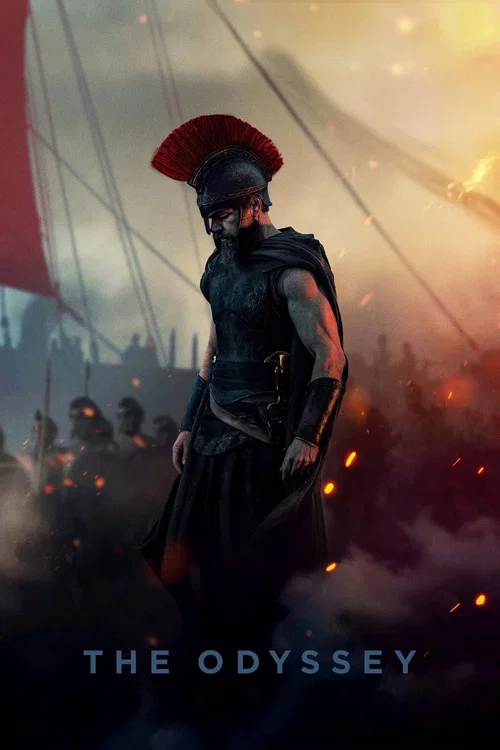
  39. The Odyssey (2026) poster

    The Odyssey

    Christopher Nolan · 2026

    The story begins at home in Ithaca, and the war and the journey arrive through Odysseus's memories. Nolan wrote the script out of order, so you learn what happened to the crew as Odysseus himself recalls it.

    Where to see it: Ogygia memories: On Calypso's island, Athena tells Odysseus to go home and Calypso encourages him to remember. The film goes back to Troy, the Cyclops and the fate of his men.

Questions

Quick answers

What is non-linear narrative in film?
Telling the story out of order by jumping between time periods. The order you see events in changes how you understand them.
Which films use non-linear narrative?
Citizen Kane (1941), The Killing (1956), The Conformist (1970), Mirror (1975), Annie Hall (1977), Once Upon a Time in America (1984) and 33 more films in the CineCode library.
What kind of technique is non-linear narrative?
It is a narrative technique. Related narrative techniques include Observational Restraint, In Medias Res, Pop Culture Monologue.