Editing technique · used in 13 films

Unbroken Dialogue Scene

Letting a conversation run for a long time with very few cuts. The tension builds from the actors sharing the space and from what is said, almost said and left unsaid.

Examples

13 films that use it

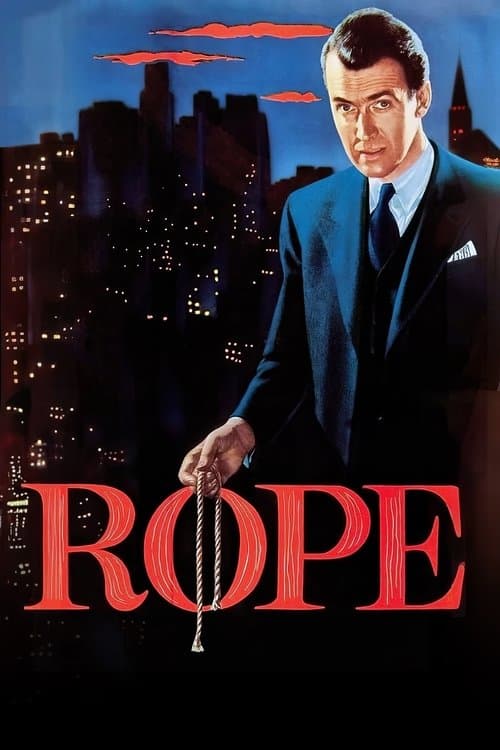
  1. Rope (1948) poster

    Rope

    Alfred Hitchcock · 1948

    The film is made up almost entirely of dialogue scenes with no cuts. The conversations run for the length of an entire reel. Another film would cut between angles, and here the camera moves through the apartment. That forces the actors to keep up the tension through performance, with no help from the editing. The conversations are the film. There is nothing else.

    Where to see it: The dinner table conversation. In this long scene, Rupert's philosophical probing comes close to the truth several times. The dialogue does all the work that editing can't.
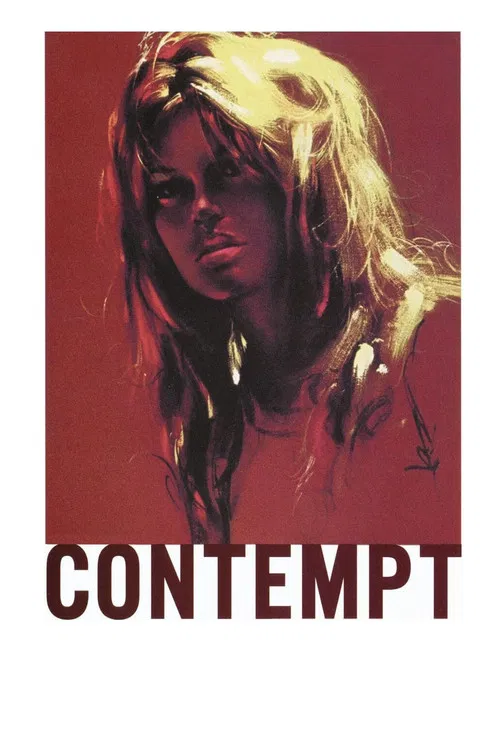
  2. Contempt (1963) poster

    Contempt

    Jean-Luc Godard · 1963

    The couple's arguments in their apartment are filmed as long tracking shots in natural light and near real time. The camera moves back and forth between them while the marriage slowly breaks.

    Where to see it: The apartment: Paul and Camille argue and reconcile in a long scene that moves from room to room.

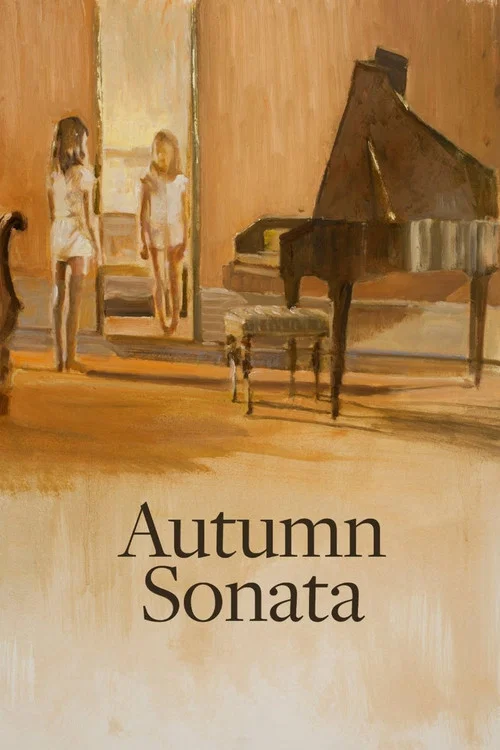
  3. Autumn Sonata (1978) poster

    Autumn Sonata

    Ingmar Bergman · 1978

    The night confrontation lets Eva and Charlotte talk with very few interruptions. The camera waits as old accusations come out. You feel how long these two have been holding them back.

    Where to see it: The night confrontation: Eva accuses her mother of neglecting her and pressuring her into an abortion, and Charlotte finally asks for forgiveness.

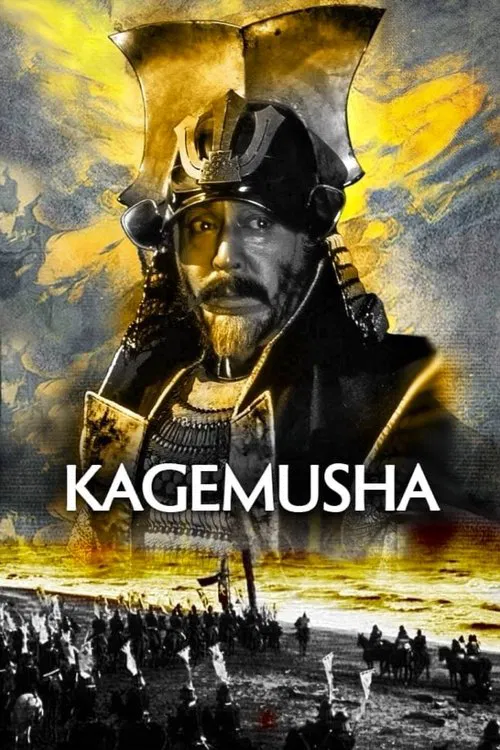
  4. Kagemusha (1980) poster

    Kagemusha

    Akira Kurosawa · 1980

    The film opens with a long static shot of 3 men in a room: Shingen, his brother and the thief, who all look alike. The camera barely moves while they talk. You have time to study the faces and see how the copy could work.

    Where to see it: The opening. Shingen sits with his brother Nobukado and the thief who was saved from crucifixion, and they debate whether he could pass as a double.

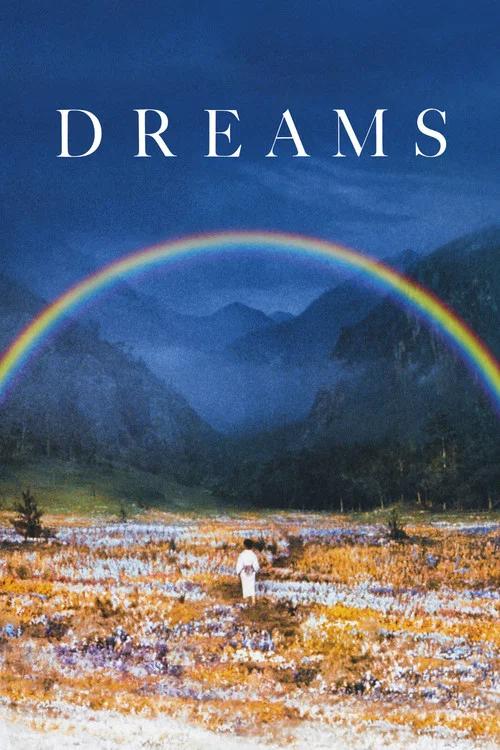
  5. Dreams (1990) poster

    Dreams

    Akira Kurosawa · 1990

    In The Tunnel, a commander faces the ghosts of the soldiers he lost, and Kurosawa holds the scene in one very long shot. With no cuts, the commander has nowhere to hide. You stand in front of the dead with him.

    Where to see it: The Tunnel. The commander's dead platoon marches out of the tunnel and salutes him, and he tells them they died because of his orders.

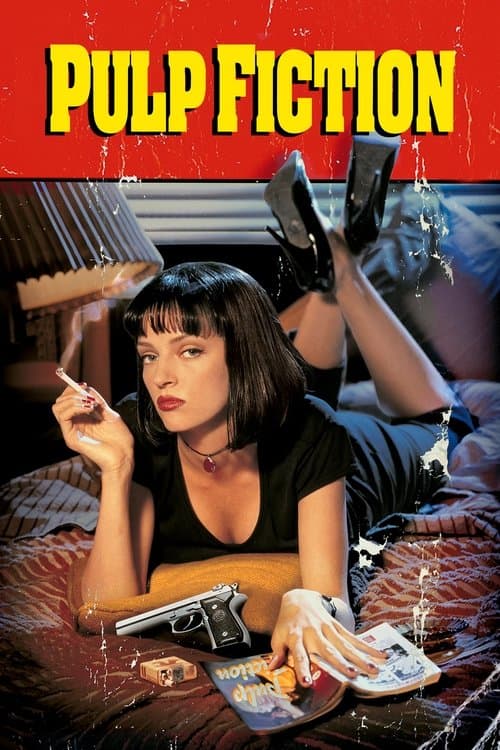
  6. Pulp Fiction (1994) poster

    Pulp Fiction

    Quentin Tarantino · 1994

    Tarantino shoots long dialogue scenes (the Royale with Cheese conversation, the breakfast scene) in long takes, meaning shots that run without a cut. The actors' timing and chemistry set the rhythm. The editing stays out of the way of performances that are working.

    Where to see it: Jules and Vincent's breakfast conversation about divine intervention. It comes after the miracle.

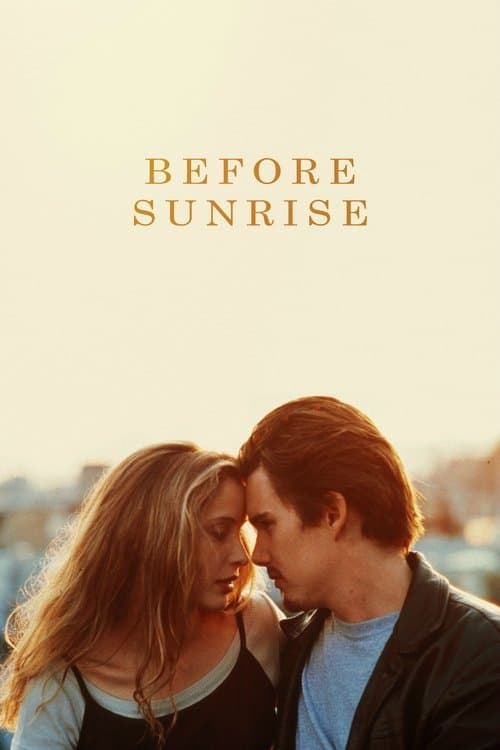
  7. Before Sunrise (1995) poster

    Before Sunrise

    Richard Linklater · 1995

    The entire film is pretty much a series of unbroken conversations (on the train, in the café, at the cemetery). Each one brings the couple closer as they keep adding honest thoughts.

    Where to see it: The fake phone call scene in a cafe. In a roleplay, they each call a friend and describe the other. The pretend setup gives them enough distance to say what they really feel.

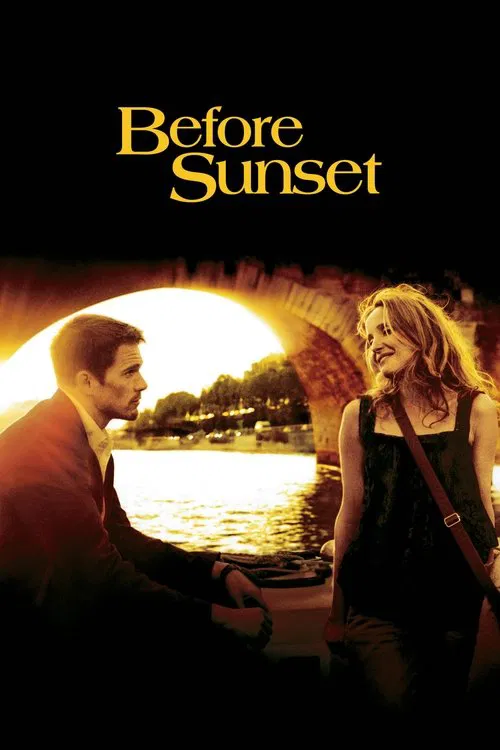
  8. Before Sunset (2004) poster

    Before Sunset

    Richard Linklater · 2004

    Linklater lets the conversations run with very few cuts. You watch two people share a space and slide from small talk to the thing they really mean. The tension comes from what they almost say.

    Where to see it: The talk about the novel: As they roam Paris, Céline admits she read Jesse's novel twice, and the two of them start talking about the night in Vienna that the book describes.

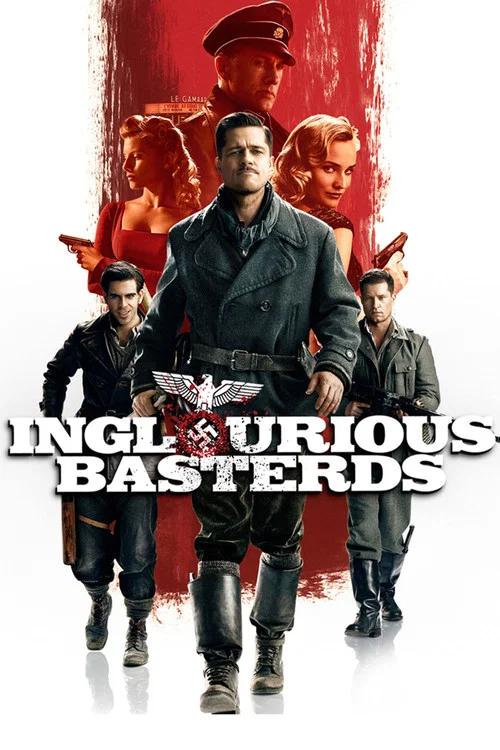
  9. Inglourious Basterds (2009) poster

    Inglourious Basterds

    Quentin Tarantino · 2009

    The farmhouse opening and the tavern standoff each run for a long, nearly unbearable time. Tarantino uses the length as pressure. The longer the conversation goes, the greater the risk that someone is exposed, and the more you feel the violence being held back.

    Where to see it: The opening interrogation. Hans Landa and the French farmer talk for 20 minutes and it ends in a massacre. Every second builds toward an outcome you dread.

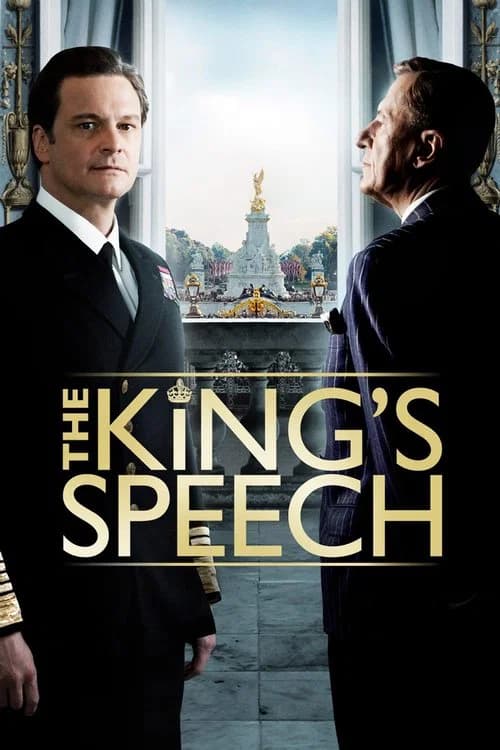
  10. The King's Speech (2010) poster

    The King's Speech

    Tom Hooper · 2010

    Hooper often holds long takes of Firth and Rush in confrontation. The camera stays close while the class and personal boundaries between their characters dissolve over all the time they spend together.

    Where to see it: The session where Logue forces Bertie to reveal that his childhood stammer was brought on by emotional cruelty from nurses and siblings. The scene plays out in one continuous stretch of fairly unbearable intimacy.

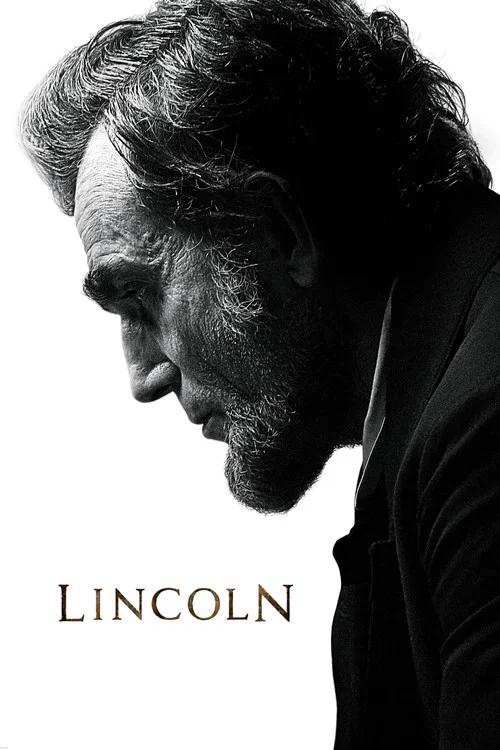
  11. Lincoln (2012) poster

    Lincoln

    Steven Spielberg · 2012

    The cabinet and House scenes stay in rooms and let the actors talk without constant cutting. Lincoln tells stories and the others react. You feel the room's tension through the talk, not through action.

    Where to see it: The cabinet argument: Lincoln and his advisers argue about when to push the amendment and what they might lose.

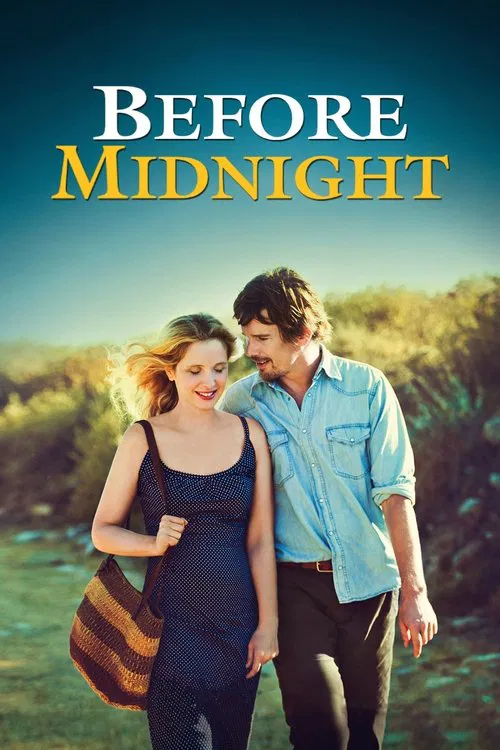
  12. Before Midnight (2013) poster

    Before Midnight

    Richard Linklater · 2013

    The hotel room argument is the heart of the film. It starts with a call from Hank and grows into accusations about affairs and about whether Céline still loves Jesse. Céline storms out and returns twice, and the long takes keep you stuck in the room with them.

    Where to see it: The hotel room fight: Jesse and Céline argue about moving to Chicago to be near Hank, and Céline tells him she thinks she no longer loves him.

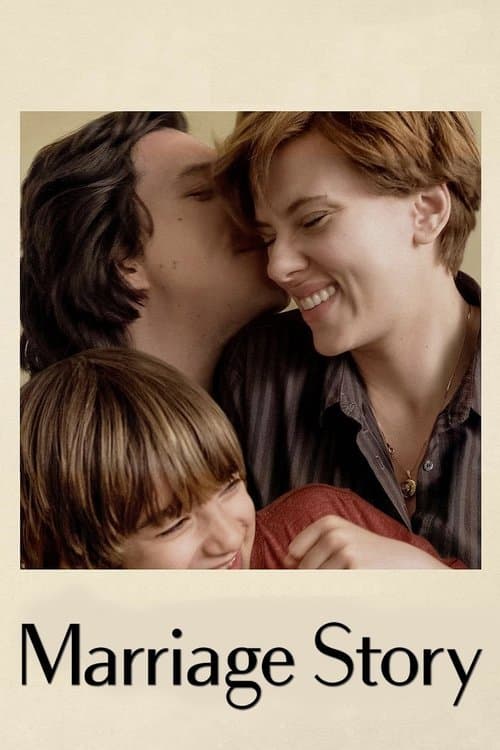
  13. Marriage Story (2019) poster

    Marriage Story

    Noah Baumbach · 2019

    The central argument scene plays out in one unbroken setting, with no cutaways and no relief. The camera stays with both actors as they move from hurt to rage to the things people say and can never take back.

    Where to see it: The private argument between Charlie and Nicole. Both cross lines they cannot uncross, and Charlie says he wishes she was dead. Then he breaks down in tears and apologizes, and Nicole comforts him.

Questions

Quick answers

What is unbroken dialogue scene in film?
Letting a conversation run for a long time with very few cuts. The tension builds from the actors sharing the space and from what is said, almost said and left unsaid.
Which films use unbroken dialogue scene?
Rope (1948), Contempt (1963), Autumn Sonata (1978), Kagemusha (1980), Dreams (1990), Pulp Fiction (1994) and 7 more films in the CineCode library.
What kind of technique is unbroken dialogue scene?
It is a editing technique. Related editing techniques include others listed on the CineCode techniques page.