Comparison · 3 shared techniques

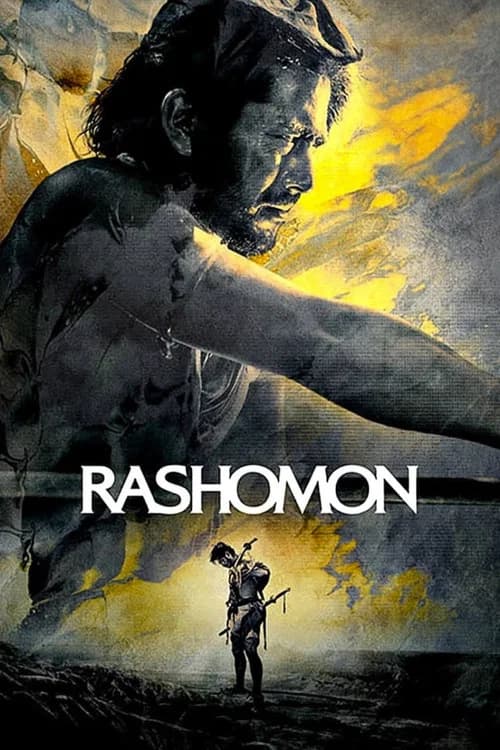
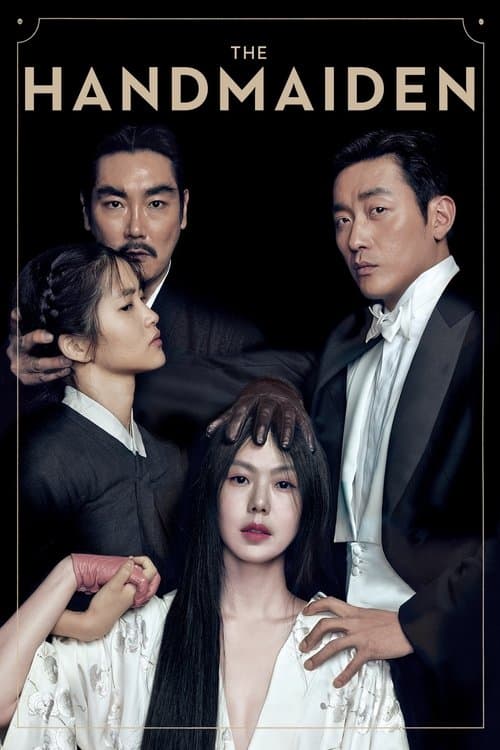
Rashomon vs The Handmaiden

Rashomon (1950) and The Handmaiden (2016) share 3 techniques. Here is how each film uses them.

Shared

Same technique, two films

Multiple Resolution Structure

Giving the film several endings. They can come one after another to close different emotional threads, or they can conflict and leave you to weigh competing versions.

Rashomon

Rashomon gives you 4 complete accounts of the same event. Each one makes sense on its own terms, and each one explains the samurai's death differently. None is proven false, and the film ends without choosing between them. There is no hidden answer to find. The structure itself says that human truth comes in many versions that can't be settled.

The Handmaiden

The film is divided into 3 parts. The first 2 retell events from Sookee's and then Hideko's point of view, and each reveals what the other held back. Part 3 plays out the consequences. Every apparent ending is undone by the next part, a con within a con within a con. The structure makes the film's point, which is that truth depends completely on who is telling it.

Unreliable Narrator

Telling the story through a character you can't trust, because they are lying, mentally unwell or fooling themselves. At some point, you have to rethink what you were told.

Rashomon

All 4 accounts in Rashomon come from witnesses who bend events to protect their own honor, guilt or self-image. Kurosawa never asks you to pick out the liar. He asks you to see that every testimony is told by someone you can't fully trust. The film implies that the same is true of all storytelling.

The Handmaiden

The story is told from 2 viewpoints, Sookee's and then Hideko's. Each version leaves things out, and the second changes what the first seemed to show. The suspense comes from slowly rebuilding what really happened out of accounts that each leave things out.

Earned Catharsis

Building up to a big emotional release slowly, by investing in the characters and giving small bits of hope. When the release comes, it feels deserved after all the suffering.

Rashomon

After 4 accounts of lying and self-interest, the woodcutter decides to adopt the abandoned baby. It is the only clearly decent act in the film. It hits with full emotional force because the film has spent its whole runtime showing you how rare an act like that is. The relief is as large as the despair it lifts.

The Handmaiden

The women escape from the Uncle's control and the Count's scheme, and that is the film's emotional release. It is built over 2 and a half hours of captivity, manipulation and secrets. The release is earned because Park made the cage visible and real. The women's freedom feels as large as the imprisonment the film recorded.

Different

Where they split