Narrative technique · used in 13 films

Frame Narrative as Trap

Wrapping the story inside another story that turns out to be a trap or a deception. The listener, or you as the viewer, gets locked into the teller's version before realizing what it is for.

Examples

13 films that use it

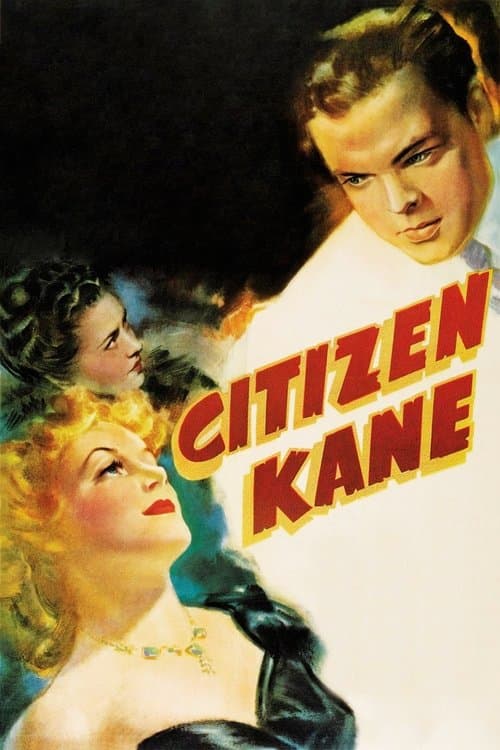
  1. Citizen Kane (1941) poster

    Citizen Kane

    Orson Welles · 1941

    The 'Rosebud' investigation holds the film together. A reporter gathers testimony to solve the mystery of Kane's last word. That setup promises an answer and gives you only contradictions, since every witness describes a different Kane. The investigation ends and the reporter never gets his answer. Only the audience sees Rosebud burn, and it explains nothing.

    Where to see it: The final shot. Only the camera and the audience see the burning sled. That confirms the people doing the investigating were never going to find the answer.
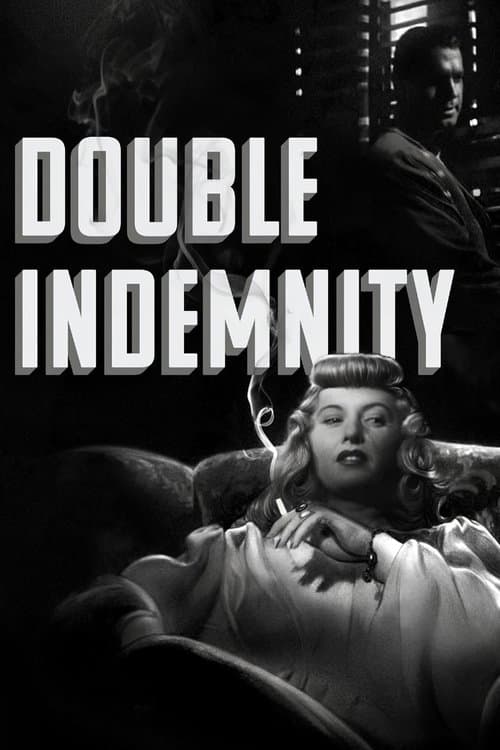
  2. Double Indemnity (1944) poster

    Double Indemnity

    Billy Wilder · 1944

    The confession that frames the film begins with Neff already shot and already dying. Everything inside it retraces how the trap was built and how he walked in. The confession is the trap in its final form. Neff is confessing to the man who will expose him and to the machine that will keep the evidence. That is, telling the story is the last step of the scheme destroying him.

    Where to see it: Keyes standing in the doorway as Neff finishes the recording. Neff meant the confession to explain what happened, and it becomes the evidence that proves it.

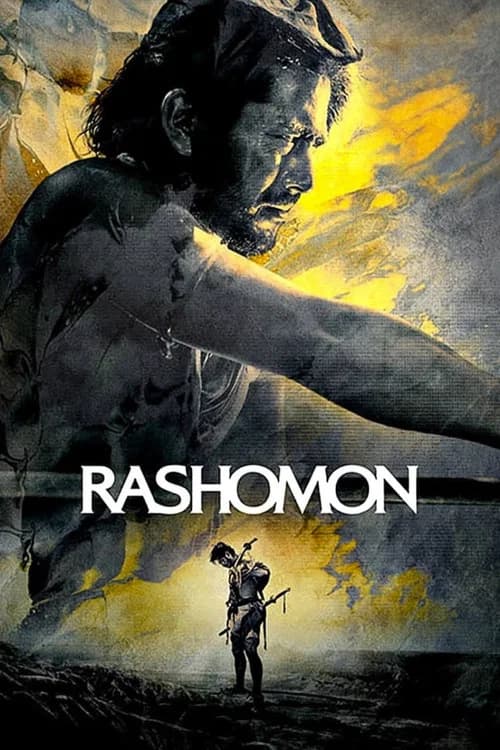
  3. Rashomon (1950) poster

    Rashomon

    Akira Kurosawa · 1950

    At the ruined Rashomon gate, 3 men shelter from the rain and argue about what the testimonies say about human nature. Every account reaches you as something already in dispute. The gate scenes give you no steady place to judge from. They are a moral argument too, and you are put inside a debate with nobody in charge.

    Where to see it: The gate sequences between accounts. The woodcutter, the priest and the commoner argue about human honesty. Their commentary becomes a second layer of storytelling you can't fully trust.

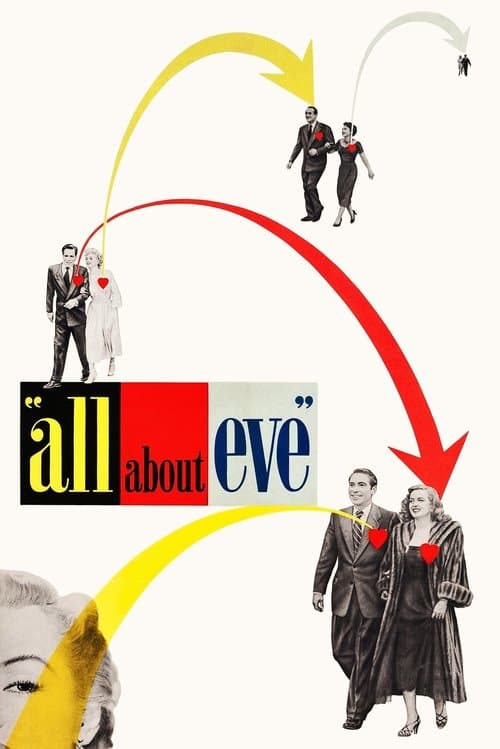
  4. All About Eve (1950) poster

    All About Eve

    Joseph L. Mankiewicz · 1950

    The film opens at the awards ceremony where Eve receives her prize, so you know she has already won. Every later scene of Margo trusting her plays as a tragedy you can see coming.

    Where to see it: The opening ceremony. Eve accepts her award in close-up while Addison DeWitt narrates the history the film is about to tell. The ending is the first image you see.

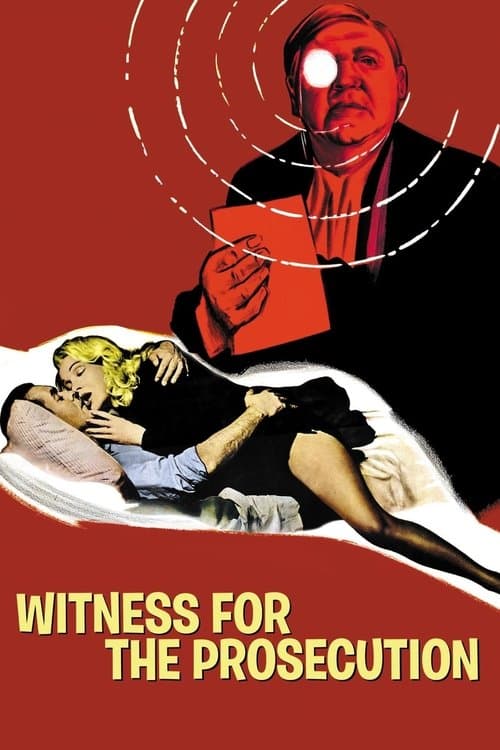
  5. Witness for the Prosecution (1957) poster

    Witness for the Prosecution

    Billy Wilder · 1957

    The whole film (the trial, the evidence, the witnesses) is the trap. The story you think you are following is that Leonard is innocent and Christine has betrayed him. That story is itself an act put on for Robarts. The final reveal knocks it down. You were inside the trap the whole time, watching a play within a play.

    Where to see it: The revelation in the final minutes. The story you were following flips. Everything before it now looks like a show staged for an audience of 1.

  6. Harakiri (1962) poster

    Harakiri

    Masaki Kobayashi · 1962

    When Hanshiro arrives, he looks like he needs something from the clan. As a matter of fact, the story he tells slowly in flashback is a case against them. Each new detail tightens the net around the clan's honor. In the end, they understand they have been listening to the charges against themselves.

    Where to see it: The moment the clan realizes Hanshiro's story is about them. The trap has closed.

  7. Kwaidan (1965) poster

    Kwaidan

    Masaki Kobayashi · 1965

    The last story is told by a writer whose own tale is left unfinished. The frame around it turns into the trap, and his publisher finds out what became of him. You realize the story has been reaching out of the page.

    Where to see it: In a Cup of Tea. A writer tells the story of a samurai who sees a stranger's face in his tea, and the tale ends unresolved.

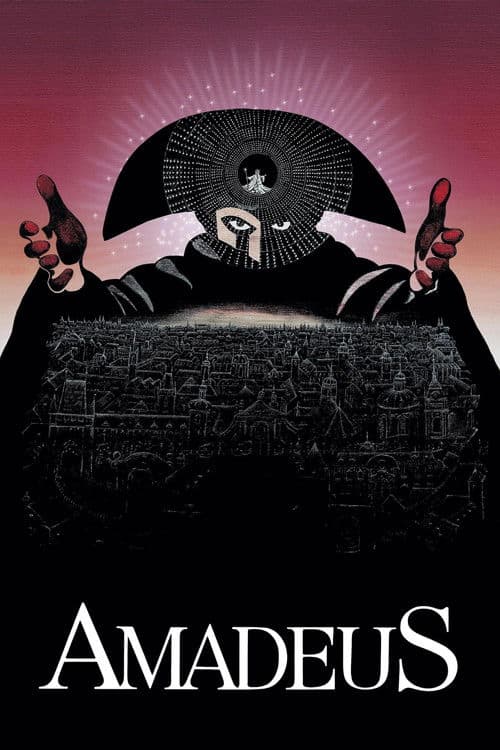
  8. Amadeus (1984) poster

    Amadeus

    Miloš Forman · 1984

    The asylum confession frames the story, so Mozart's whole life reaches you through Salieri's wound. You get no neutral view of who Mozart was. You're locked inside the worldview of the man who destroyed him, and you have to judge genius through the warped lens of envy.

    Where to see it: The film's opening. Salieri attempts suicide and demands to confess to the priest. The trap is set before the story begins.

  9. Bitter Moon (1992) poster

    Bitter Moon

    Roman Polanski · 1992

    Oscar tells Nigel the story of his love for Mimi in his cabin. You settle into his version of events, and Oscar ends up shaping what Nigel does next. By the time Oscar tells the ending, the listener is part of the story.

    Where to see it: Oscar's cabin: Oscar invites Nigel in and tells him how he met Mimi on a Paris bus and fell in love.

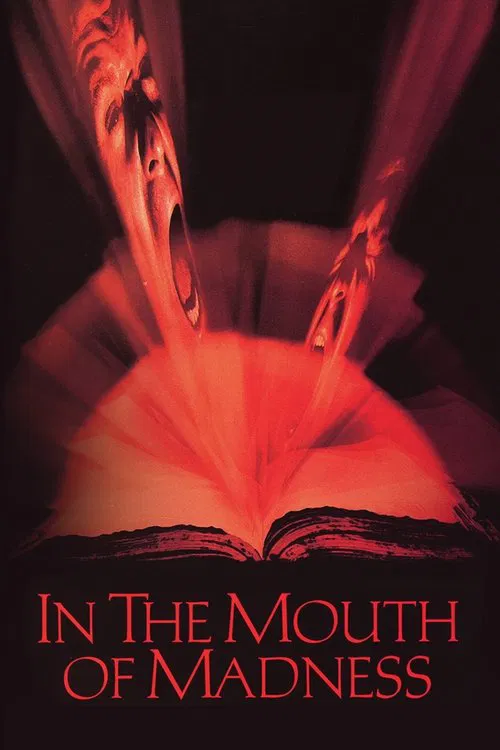
  10. In the Mouth of Madness (1995) poster

    In the Mouth of Madness

    John Carpenter · 1995

    John tells his story from a padded room in an asylum. That frame looks like a way to explain the weirdness, but it ends up locking you into his account and then into the apocalypse. The last scenes make the telling feel like part of the horror.

    Where to see it: The asylum: John is delivered to an insane asylum, restrained, and begins telling his story to a doctor. At the end, the asylum is deserted.

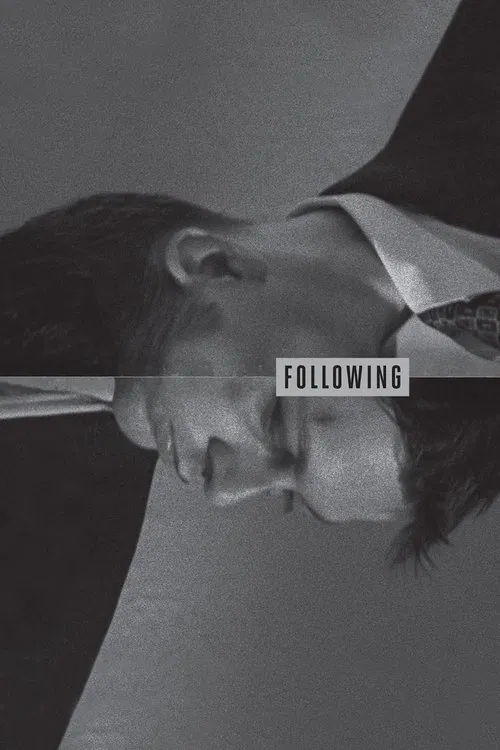
  11. Following (1998) poster

    Following

    Christopher Nolan · 1998

    Bill tells the whole story to a policeman, sure that it explains his part in the burglaries. By the end, his confession is what traps him. Cobb planned for it, and the murder points straight at Bill.

    Where to see it: The end of Bill's confession. The police link the Blonde's murder to the hammer Bill used earlier, while Cobb has vanished.

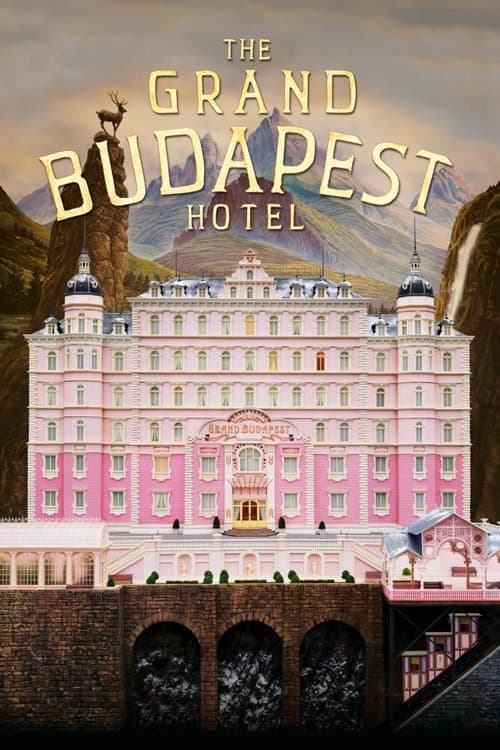
  12. The Grand Budapest Hotel (2014) poster

    The Grand Budapest Hotel

    Wes Anderson · 2014

    A girl reads a book. The book is by an Author. The Author recalls meeting Zero, and Zero tells the story of Gustave. You're 4 layers deep before you reach the events of the film. Each frame passes the story on and loses some of it. The story of Gustave only exists as a story about a story about a story, and Anderson makes that the central sadness of nostalgia.

    Where to see it: The opening frame. A girl is at the author's grave, and the nested structure is set up before the first image of the hotel.

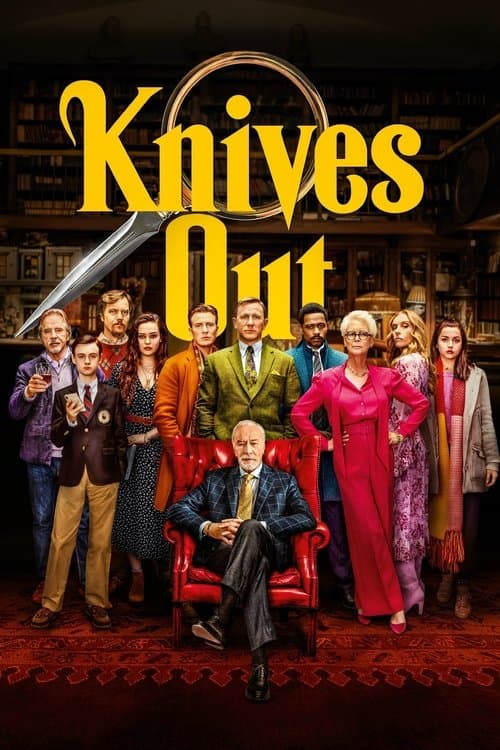
  13. Knives Out (2019) poster

    Knives Out

    Rian Johnson · 2019

    The investigation is the frame, meaning the outer story that holds the film together. It promises a normal whodunit ending, and Johnson uses it as a trap. It gives you a solution, then reveals a different problem, then gives you another solution that is also incomplete. By the end, the film has used the investigation to ask why wealthy families investigate crimes and what they do with the answers.

    Where to see it: Blanc's final explanation. You get the resolution the investigation promised. At the same time, you find out that the mystery the family wanted solved was never the point.

Questions

Quick answers

What is frame narrative as trap in film?
Wrapping the story inside another story that turns out to be a trap or a deception. The listener, or you as the viewer, gets locked into the teller's version before realizing what it is for.
Which films use frame narrative as trap?
Citizen Kane (1941), Double Indemnity (1944), Rashomon (1950), All About Eve (1950), Witness for the Prosecution (1957), Harakiri (1962) and 7 more films in the CineCode library.
What kind of technique is frame narrative as trap?
It is a narrative technique. Related narrative techniques include Unreliable Narrator, Ceremonial Pacing, Non-Linear Narrative.