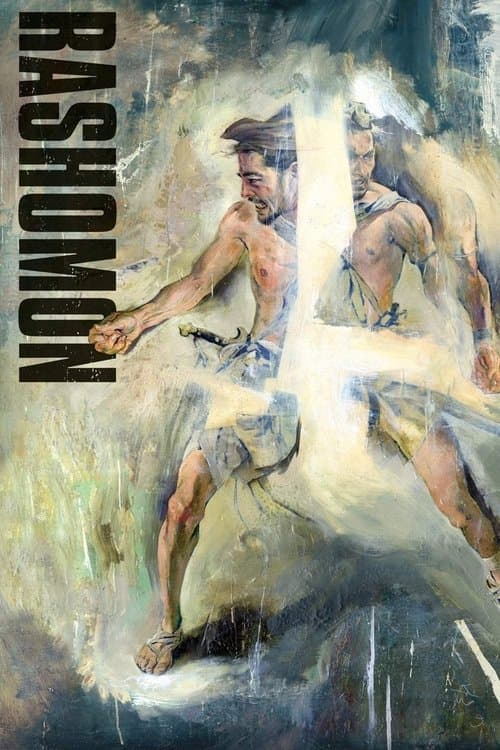
Rashomon
Akira Kurosawa · 1950
A samurai is found dead in a forest. Four witnesses — the bandit, the wife, the dead man's spirit, and a woodcutter — each give a radically different account of what happened. Kurosawa's landmark film does not ask which story is true; it asks whether truth, as a concept the audience can access, survives the test.
Techniques Used
5 techniques identified in this film
Unreliable Narrator
NarrativeA narrator whose account of events is shaped by personal bias, psychological disturbance, or limited knowledge — requiring the audience to construct a more accurate version from the gaps and distortions in the story they are told.
How this film uses it
All four accounts in Rashomon are given by witnesses who shape events to serve their own honor, guilt, or self-image. Kurosawa does not ask the audience to identify the liar; he asks them to recognize that every testimony is a form of unreliable narration — including, by implication, all storytelling.
Multiple Resolution Structure
NarrativeA narrative that provides several mutually exclusive resolutions to a central event — so that the film's ending is not a single truth but a set of competing possibilities the audience must hold simultaneously.
How this film uses it
Rashomon presents four complete, internally consistent accounts of the same event, each resolving the samurai's death differently. No account is disproven; the film ends without adjudicating between them. The multiple resolution structure is not a puzzle with a hidden answer but a formal argument that human truth is irresolvably plural.
Subjective Camera
CinematographyPositioning the camera at a character's literal point of view — so that the audience sees what the character sees, the camera becoming a body in the scene rather than an observer of it.
How this film uses it
During each witness's testimony, Kurosawa shoots the events from that witness's subjective position. The camera's adoption of each perspective makes every account feel equally real — the subjective camera is the formal mechanism by which Rashomon prevents the audience from finding safe ground.
Frame Narrative as Trap
NarrativeUsing a frame narrative not merely to organize a story but to implicate the audience in the frame narrator's perspective — trapping them inside a limited, distorting point of view from which there is no neutral exit.
How this film uses it
The ruined Rashomon gate — three men sheltering from rain, debating what the testimonies mean about human nature — frames every account as already a subject of dispute. The frame does not provide a stable vantage point; it is itself a scene of moral argument, the audience placed inside a debate with no moderator.
Earned Catharsis
NarrativeA climactic emotional release that the narrative has systematically built toward — not sentiment applied from outside but feeling that arrives because the film has laid the necessary groundwork.
How this film uses it
After four accounts of human deception and self-interest, the woodcutter's decision to adopt the abandoned baby is the film's only unambiguous act of decency — and it lands with full cathartic force because the film has spent its entire runtime establishing how rare such an act is. The catharsis is proportional to the despair it relieves.
You Might Also Like
Films that share at least one technique with Rashomon

A Korean pickpocket hired to pose as a handmaiden to a wealthy Japanese heiress in colonial Korea begins as part of a con to steal the heiress's fortune — but the con collapses as the two women fall in love. Park Chan-wook tells the story three times, each version revealing what the previous concealed.
The Handmaiden
Park Chan-wook · 2016
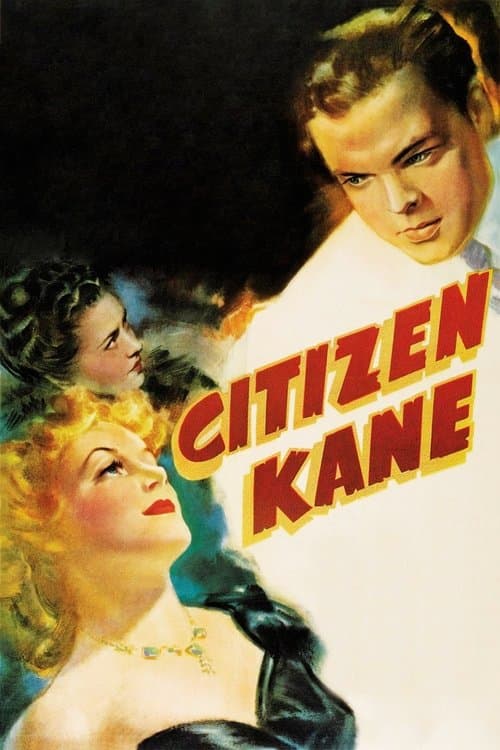
A reporter investigates the life of deceased media mogul Charles Foster Kane by interviewing those who knew him, assembling contradictory accounts that never fully explain the man. Widely considered the most technically influential film ever made.
Citizen Kane
Orson Welles · 1941
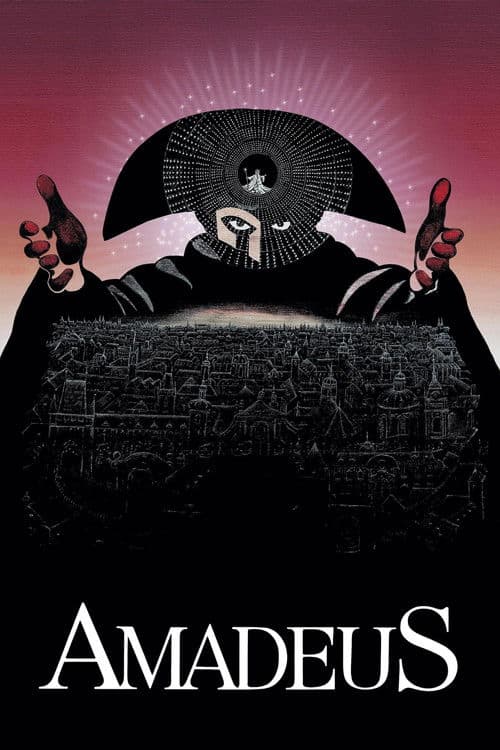
Antonio Salieri, court composer to the Austrian Emperor, becomes consumed by his hatred of the divinely gifted Wolfgang Amadeus Mozart. A film about mediocrity's relationship to genius — told entirely by the mediocre man, who understands exactly what he lacks and cannot forgive.
Amadeus
Miloš Forman · 1984