Cinematography technique · used in 24 films

Subjective Camera

Placing the camera where a character's eyes are, or shooting the scene the way that character experiences it. You see and feel things from inside their head.

Examples

24 films that use it

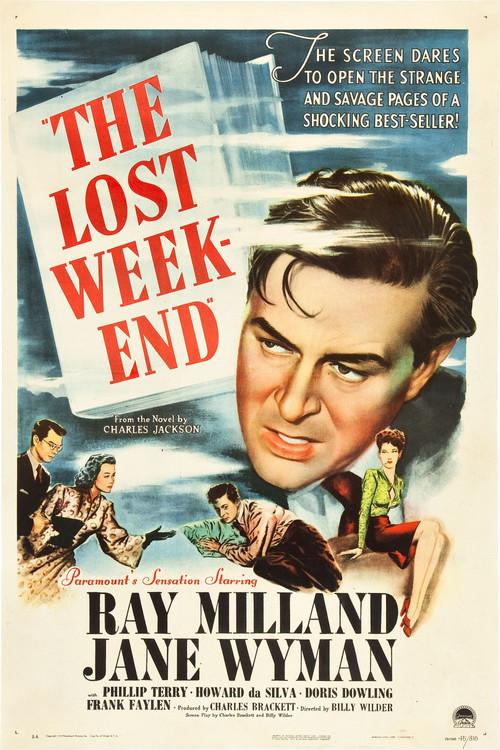
  1. The Lost Weekend (1945) poster

    The Lost Weekend

    Billy Wilder · 1945

    The film shows you the horror as Don experiences it, and plays the hallucination straight. You share his fear because the nightmare looks as solid to you as it does to him.

    Where to see it: Delirium tremens: Alone in his apartment, Don hallucinates a bat flying in through the window and killing a mouse, spilling its blood. His screams alert the landlady.
  2. Rashomon (1950) poster

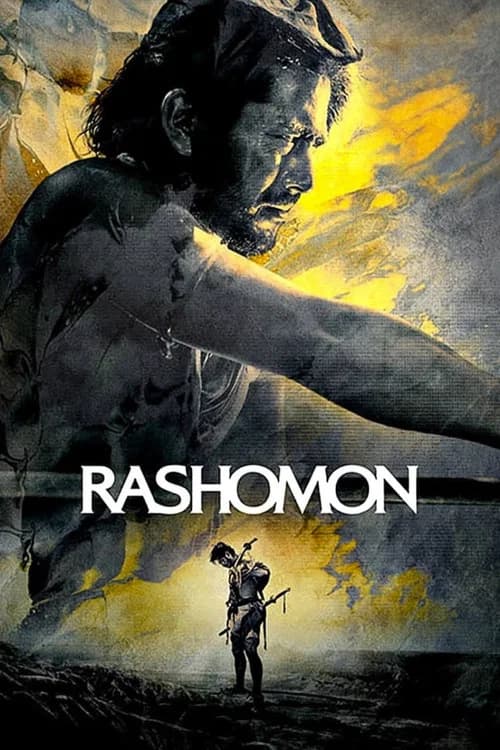
    Rashomon

    Akira Kurosawa · 1950

    During each witness's testimony, Kurosawa shoots the events from where that witness stood. The camera takes on each point of view in turn, so every account feels equally real. That is, the camera's point of view is the tool Rashomon uses to keep you from finding safe ground.

    Where to see it: The wife's account of the assault. In her version her husband looks at her with contempt before she faints. For that stretch, her version feels like the whole truth.

  3. Repulsion (1965) poster

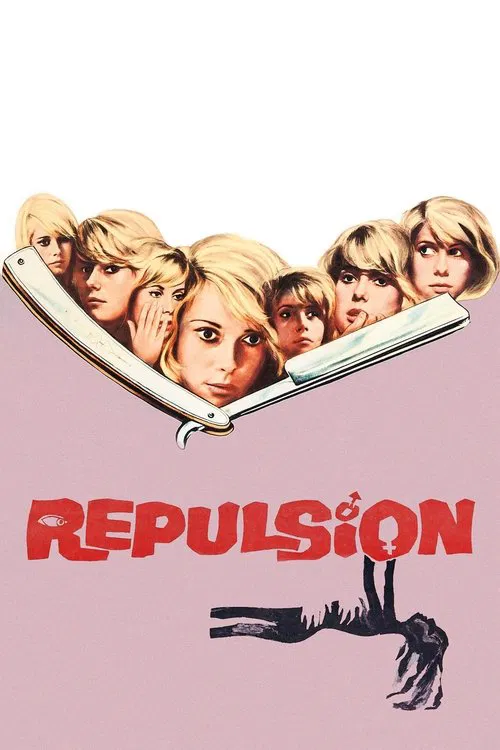
    Repulsion

    Roman Polanski · 1965

    The film increasingly shows what Carol experiences. A dark figure appears in the mirror, footsteps sound outside her bedroom and hands reach out of the hallway walls. You see her hallucinations as she does, so you cannot step outside them.

    Where to see it: The hallway: Carol walks down the dark hallway of her apartment and hands appear out of the walls and grab her.

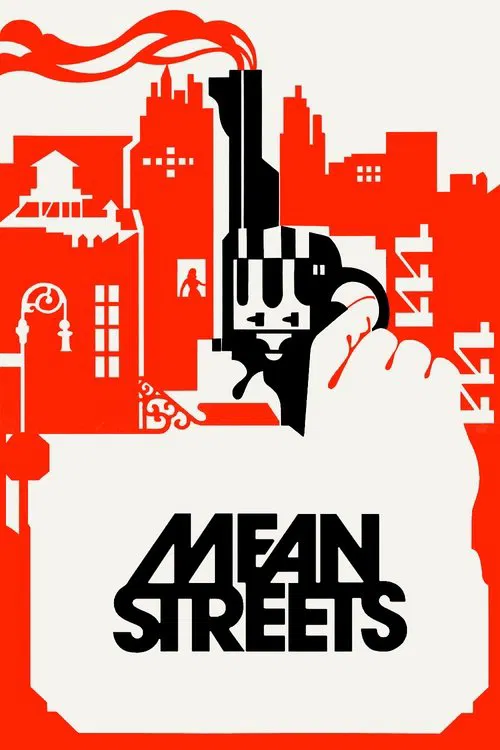
  4. Mean Streets (1973) poster

    Mean Streets

    Martin Scorsese · 1973

    For a drunken walk through a bar, the camera was attached to Harvey Keitel on a rig. It moves as he sways, so the room tilts with him. You do not watch Charlie get drunk so much as feel it from his body.

    Where to see it: Charlie's drunken walk: the camera rig on Keitel follows him through the crowd to Rubber Biscuit.

  5. Halloween (1978) poster

    Halloween

    John Carpenter · 1978

    The film opens inside the killer's head. You walk around the house, pick up a knife and climb the stairs through his eyes. Much of the film was shot on a Panaglide, a stabilizing rig like a Steadicam, which lets the camera prowl smoothly. Only after the murder does the film show you the killer is a 6-year-old boy.

    Where to see it: The 1963 opening. Young Michael puts on a clown mask, and you see his sister through its eyeholes as he stabs her. His parents arrive and pull the mask off.

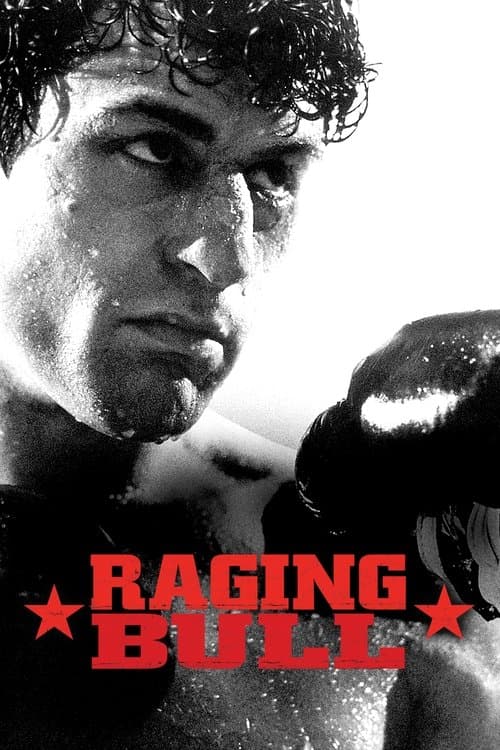
  6. Raging Bull (1980) poster

    Raging Bull

    Martin Scorsese · 1980

    The ring sequences often cut to LaMotta's point of view. Opponents loom large and the crowd warps. You are placed right inside the boxer's tunnel vision.

    Where to see it: The Sugar Ray Robinson championship fight. Robinson's face fills the frame, seen through LaMotta's battered eyes.

  7. Wings of Desire (1987) poster

    Wings of Desire

    Wim Wenders · 1987

    The angels' wandering is filmed from their own point of view. The camera floats, drifts with no gravity, passes through walls and settles next to ordinary people who don't notice it. For a while, you get to be an angel yourself. You experience the city's inner life weightlessly and with access to everything.

    Where to see it: The library sequence. The camera drifts through the reading room and settles beside individual readers. The angel's point of view lets you into every private thought in the room.

  8. Evil Dead II (1987) poster

    Evil Dead II

    Sam Raimi · 1987

    The camera plays the evil force. It races low through the woods and slams through the cabin straight at the heroes, with no actor behind it. You feel hunted by something you never get to see.

    Where to see it: The rushing force: after the spirits are released, the camera tears through the trees and into the cabin windows and doors, closing in on Ash from behind.

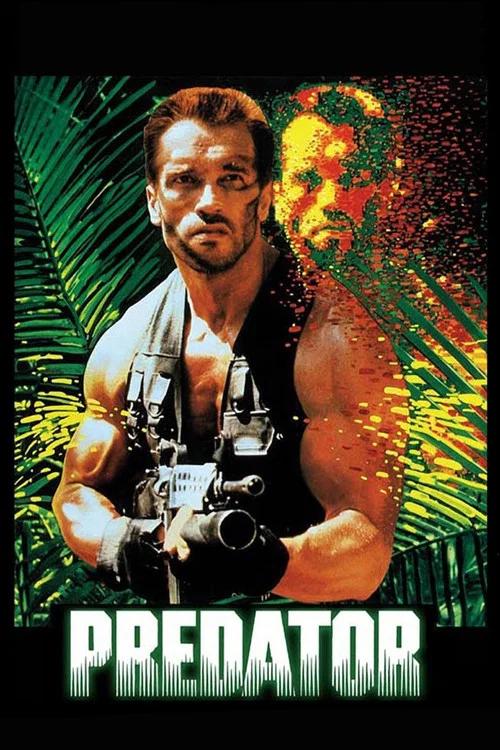
  9. Predator (1987) poster

    Predator

    John McTiernan · 1987

    The film shows the creature's point of view through heat vision, with red and orange blobs for bodies. You see the soldiers the way the hunter does, which is cold and calculating.

    Where to see it: The thermal view: the camera looks through the creature's mask at the team as glowing shapes while it stalks them from the trees.

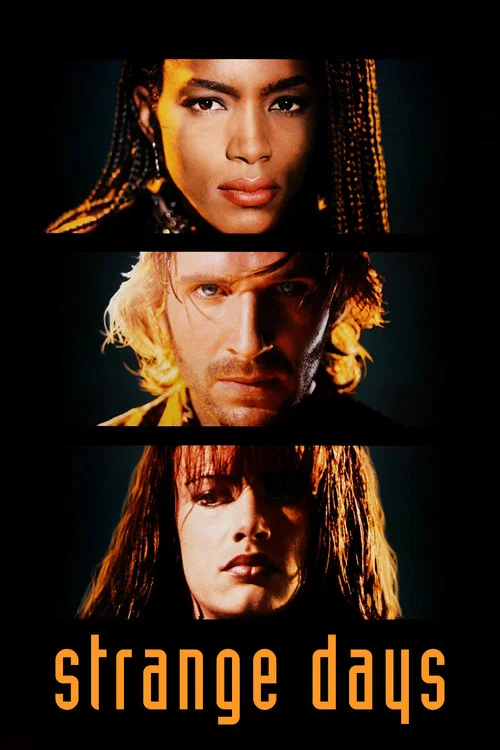
  10. Strange Days (1995) poster

    Strange Days

    Kathryn Bigelow · 1995

    The SQUID scenes are shot from the point of view of the person who recorded them, and they needed a specially built camera. You step inside a stranger's head and feel what they feel. When Lenny plays a clip, you are living it with him.

    Where to see it: The opening robbery: One of the criminals records a Chinese restaurant robbery on a SQUID, and the clip puts you in his shoes as it happens.

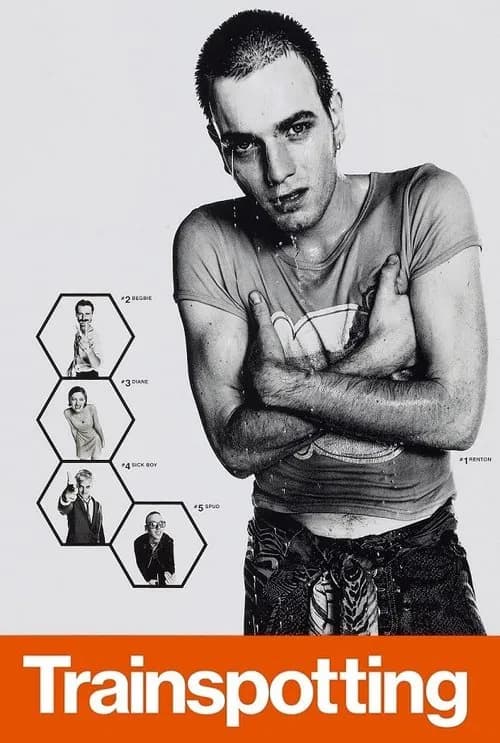
  11. Trainspotting (1996) poster

    Trainspotting

    Danny Boyle · 1996

    Boyle puts the camera inside Renton's head while he's on heroin. You get the famous toilet dive, the ceiling shot during withdrawal and the baby hallucination. You experience both the high and the horror physically, from the inside.

    Where to see it: Renton sliding into the 'worst toilet in Scotland'. The camera follows him below the water line into an impossibly clean underwater space. You see it the way he does, so the excuses an addict makes to himself show up as something literally on screen.

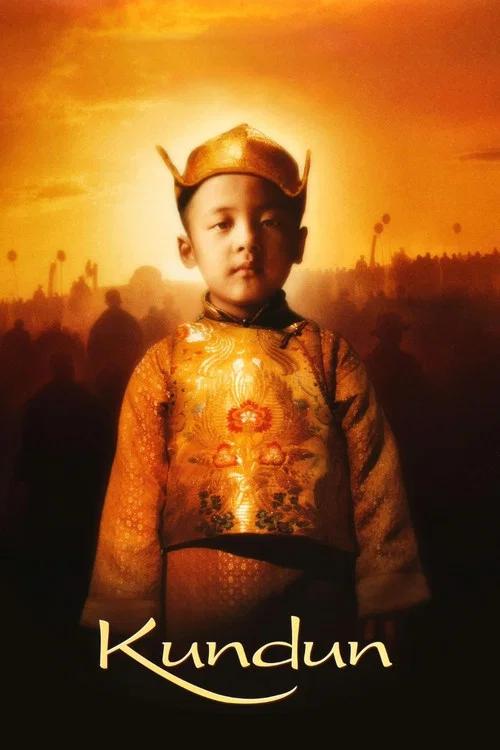
  12. Kundun (1997) poster

    Kundun

    Martin Scorsese · 1997

    Reviewers note that Roger Deakins often puts the camera at the Dalai Lama's point of view. You see the palace, the ceremonies and the invaders as he does. It makes his life feel like an experience, not a lesson.

    Where to see it: The escape from Lhasa: he flees in disguise at night and falls ill on the way to the Indian border.

  13. Fear and Loathing in Las Vegas (1998) poster

    Fear and Loathing in Las Vegas

    Terry Gilliam · 1998

    When the LSD hits, you see through Duke's eyes. The hotel clerk looks like a moray eel and the bar patrons look like lizards. The film never stops to tell you it is a hallucination, so you sit inside the distortion with him.

    Where to see it: The hotel check-in. Duke can barely stand while the clerk turns into an eel and the people at the bar turn into lizards.

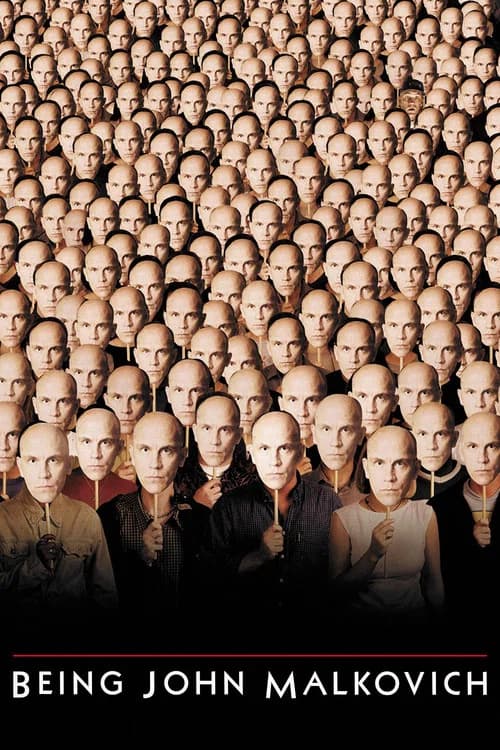
  14. Being John Malkovich (1999) poster

    Being John Malkovich

    Spike Jonze · 1999

    The portal sequences are filmed entirely from Malkovich's first-person view, so you see through his eyes. The image is blurry, distorted and only caught in glimpses. You become a voyeur inside a mind you can't fully get into.

    Where to see it: Craig's first trip through the portal. He lives through Malkovich's cab ride and restaurant lunch in a close, cramped first-person view.

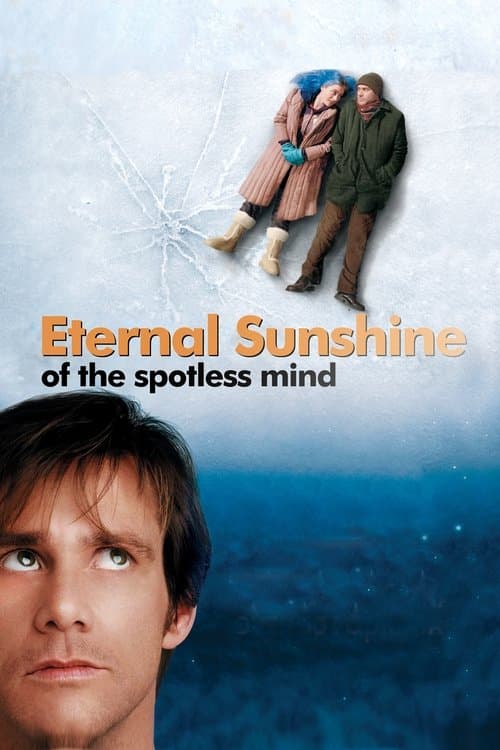
  15. Eternal Sunshine of the Spotless Mind (2004) poster

    Eternal Sunshine of the Spotless Mind

    Michel Gondry · 2004

    During the erasure sequences, the camera takes on Joel's panicked point of view as the memories come apart around him. You experience memory loss as getting lost in a place.

    Where to see it: Joel hiding Clementine in his childhood memories. The camera searches around in a panic.

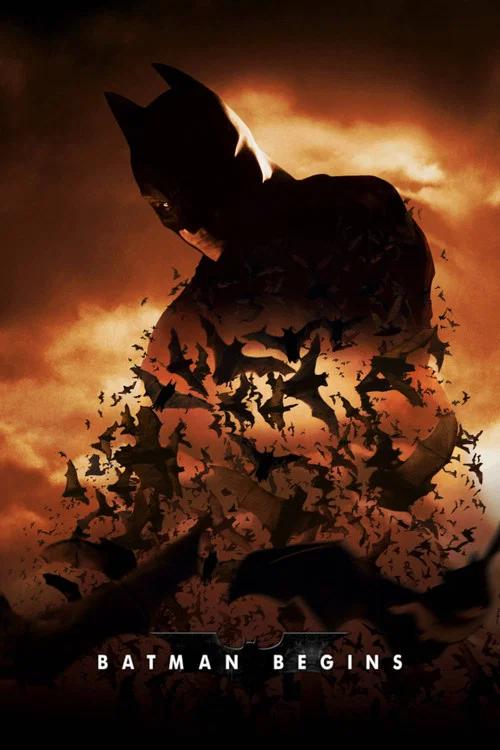
  16. Batman Begins (2005) poster

    Batman Begins

    Christopher Nolan · 2005

    When someone breathes in Scarecrow's fear gas, the film shows you what they see. The image shakes and warps, and faces turn monstrous. You get a quick dose of the terror the character is feeling.

    Where to see it: Batman is gassed. Crane sprays him in the face, and the Scarecrow mask turns into a nightmare through Bruce's eyes as he staggers away.

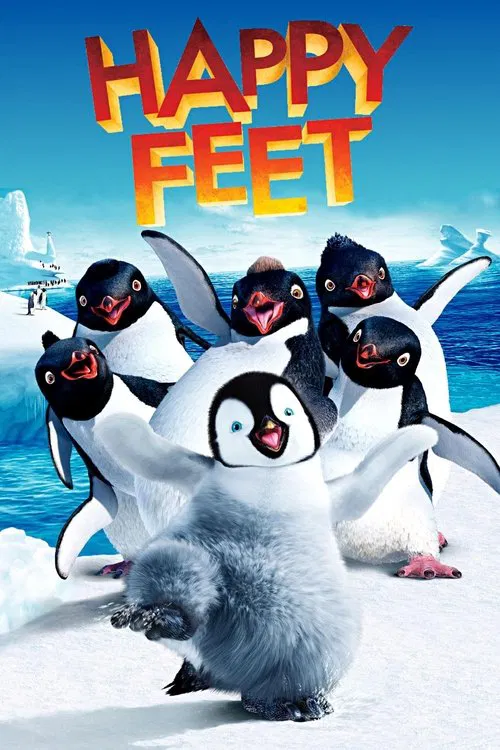
  17. Happy Feet (2006) poster

    Happy Feet

    George Miller · 2006

    Miller used virtual cameras that could go anywhere, and the film uses a lot of flying camera moves. The camera swoops and slides with the penguins, so chases feel like rides.

    Where to see it: The leopard seal chase: Mumble slides across the ice while a predator hunts him.

  18. The Tree of Life (2011) poster

    The Tree of Life

    Terrence Malick · 2011

    Emmanuel Lubezki films the childhood sequences from a child's eye level. Low angles look up at parents, at trees and at the sky. The camera takes on a child's physical relationship to the world. Adults are huge, light comes from above and the ground is close. That is, childhood becomes a specific physical state and stops being a sentimental idea.

    Where to see it: The childhood backyard sequences. The camera sits at child height, so the parents' bodies are enormous and only partly in view. You see the world from the height where the adult's memories were formed.

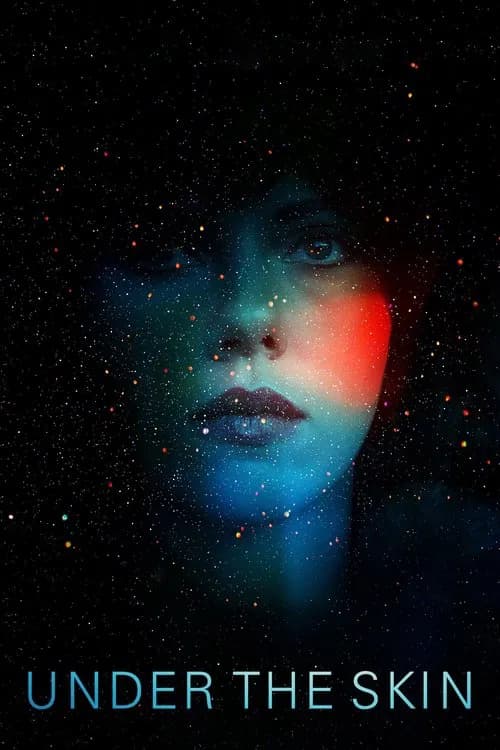
  19. Under the Skin (2013) poster

    Under the Skin

    Jonathan Glazer · 2013

    Glazer films Scotland the way an alien would see it. Human faces get studied as closely as if she were seeing them for the first time. Familiar places turn strange because she has no stake in what she is looking at.

    Where to see it: The van pickup sequences. They were shot with hidden cameras, and the men were real people who did not know they were being filmed, so their reactions to Johansson are real.

  20. The Revenant (2015) poster

    The Revenant

    Alejandro G. Iñárritu · 2015

    Emmanuel Lubezki puts the camera inside the bear attack. It breathes, lurches and gets pressed into the ground. The attack becomes something you live through, and it stops being a spectacle. At this moment, the camera shows you what Glass sees and turns his helplessness into your own physical experience.

    Where to see it: The bear attack sequence. The camera stays down on the ground where Glass is. You feel the bear's weight, its speed and how little it cares, all from the inside.

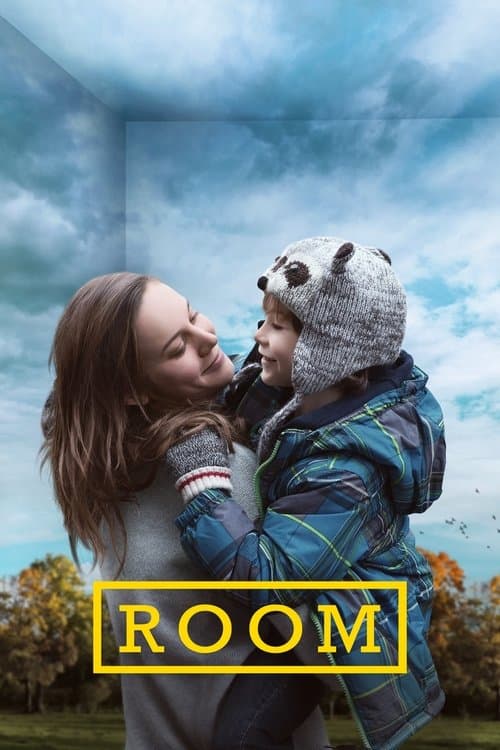
  21. Room (2015) poster

    Room

    Lenny Abrahamson · 2015

    Jack narrates, and the camera often shows Room the way he sees it. To him, it is the whole world, so the space is filmed as wondrous and big enough. The horror of it is left for you to see.

    Where to see it: Jack's opening voiceover, where he greets each object in Room by name. The camera moves through the space like it belongs to him, while you can already see that it is a prison.

  22. Billy Lynn's Long Halftime Walk (2016) poster

    Billy Lynn's Long Halftime Walk

    Ang Lee · 2016

    Lee skipped the usual shaky chaos of war movies. He kept the camera mostly on Billy's point of view, which makes the fight feel like one frightened person's experience.

    Where to see it: School firefight: The squad is called in to rescue soldiers pinned down at a school. Shroom is shot, and Billy rushes to save him and drags him into a trench.

  23. Nickel Boys (2024) poster

    Nickel Boys

    RaMell Ross · 2024

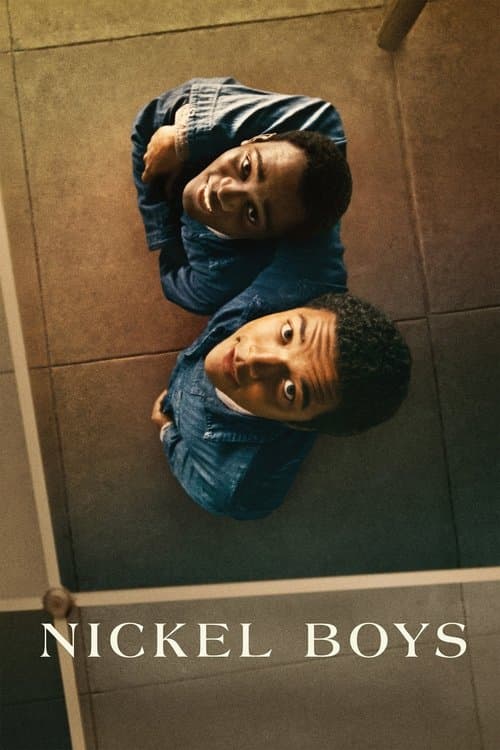
    Ross shoots almost the whole film in first person, with the camera acting as the eyes of Elwood and Turner. You are physically placed where the boys are. I feel like that turns a historical atrocity into something you experience yourself.

    Where to see it: The arrival at Nickel Academy, seen through Elwood's eyes. You take in the size and menace of the place the way the boy would. You share his first fearful look around.

  24. Challengers (2024) poster

    Challengers

    Luca Guadagnino · 2024

    In the final minutes, the camera goes places a camera shouldn't. It looks up at the players from beneath the court and rides along as the ball, flying back and forth between them. The ball shots were too fast to film for real, so they were finished with visual effects.

    Where to see it: The tiebreak at the end of the final. The shots switch between the ball's point of view and the view from under the court as the rally gets more frantic.

Questions

Quick answers

What is subjective camera in film?
Placing the camera where a character's eyes are, or shooting the scene the way that character experiences it. You see and feel things from inside their head.
Which films use subjective camera?
The Lost Weekend (1945), Rashomon (1950), Repulsion (1965), Mean Streets (1973), Halloween (1978), Raging Bull (1980) and 18 more films in the CineCode library.
What kind of technique is subjective camera?
It is a cinematography technique. Related cinematography techniques include Practical In-Camera Effects, Production Design as Psychological Space.