Narrative technique · used in 8 films

Multiple Resolution Structure

Giving the film several endings. They can come one after another to close different emotional threads, or they can conflict and leave you to weigh competing versions.

Examples

8 films that use it

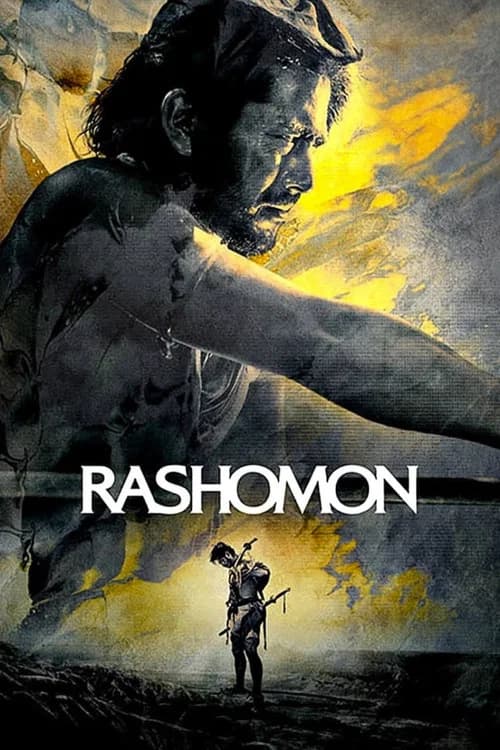
  1. Rashomon (1950) poster

    Rashomon

    Akira Kurosawa · 1950

    Rashomon gives you 4 complete accounts of the same event. Each one makes sense on its own terms, and each one explains the samurai's death differently. None is proven false, and the film ends without choosing between them. There is no hidden answer to find. The structure itself says that human truth comes in many versions that can't be settled.

    Where to see it: The courtyard trial sequences. Each new account is staged with the same confidence and craft. The film makes every witness's version equally convincing to watch.
  2. Murder on the Orient Express (1974) poster

    Murder on the Orient Express

    Sidney Lumet · 1974

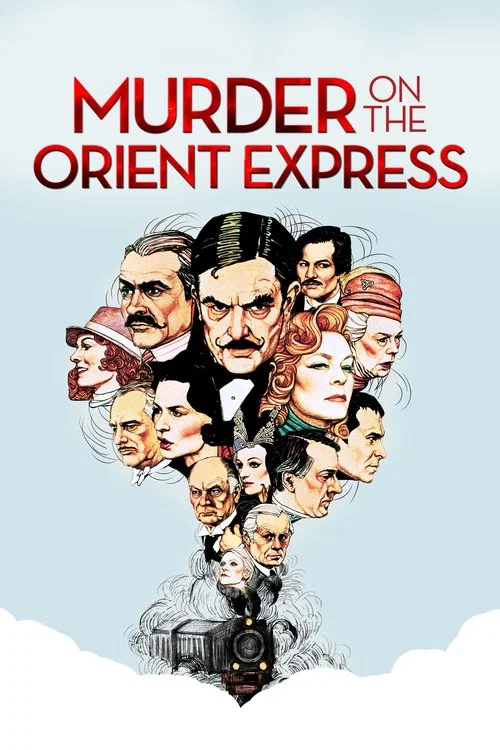
    Poirot offers two solutions: an outsider killed Cassetti for revenge, or the passengers are all connected. The first is easy and the second is the truth. The film leaves it to the group, and you, to decide which one to accept.

    Where to see it: Poirot's two solutions: Poirot assembles the suspects and describes two versions of the murder. The first has an outsider killing Cassetti. The second links all the suspects.

  3. L.A. Confidential (1997) poster

    L.A. Confidential

    Curtis Hanson · 1997

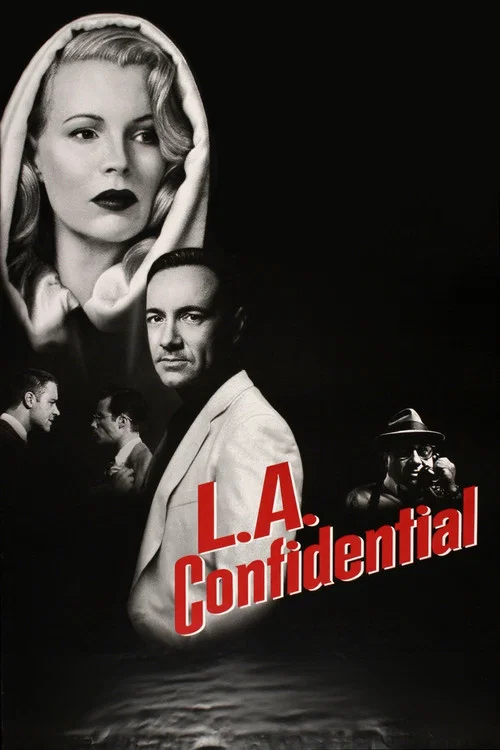
    Each detective's story ends differently. Exley survives with his career intact and his morals compromised. Bud survives and leaves, and Vincennes is dead. You never get the single triumphant ending that noir usually provides.

    Where to see it: The final scene outside City Hall. Exley goes along with the cover-up that makes Dudley Smith a hero and accepts accolades of his own. The plot is closed and the moral question stays open.

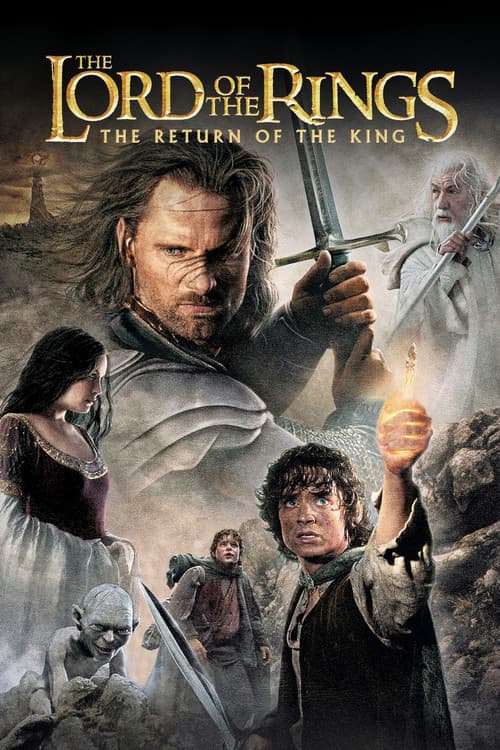
  4. The Lord of the Rings: The Return of the King (2003) poster

    The Lord of the Rings: The Return of the King

    Peter Jackson · 2003

    After the Ring is destroyed, Jackson gives the film a run of separate endings: the coronation, the Shire homecoming and the Grey Havens. Each ending belongs to a different relationship between characters. Each has been earned over the 3 films of the trilogy.

    Where to see it: The Grey Havens. Frodo's departure is the emotional close of the entire trilogy.

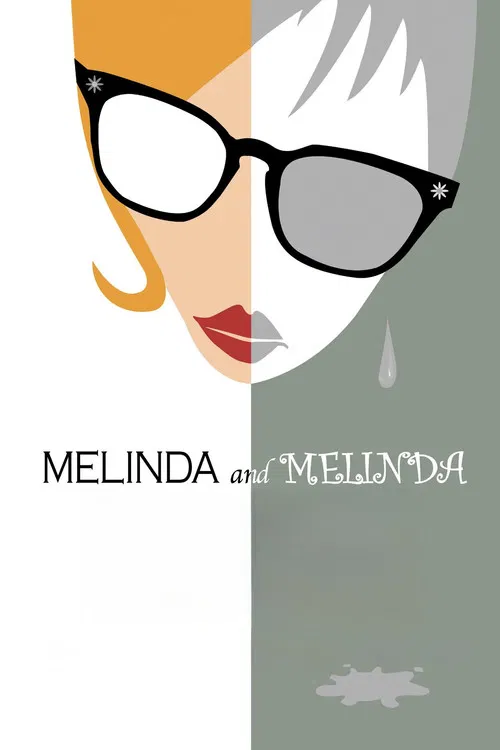
  5. Melinda and Melinda (2004) poster

    Melinda and Melinda

    Woody Allen · 2004

    The dinner at a Manhattan restaurant starts with a debate about whether life is comic or tragic. Max tells the tragic version and Sy tells the comic one. The film never picks a winner, and the friends end by saying you should enjoy both kinds of moments.

    Where to see it: The opening dinner. Four friends debate comedy against tragedy, and one of them tells a true story that the two playwrights then retell.

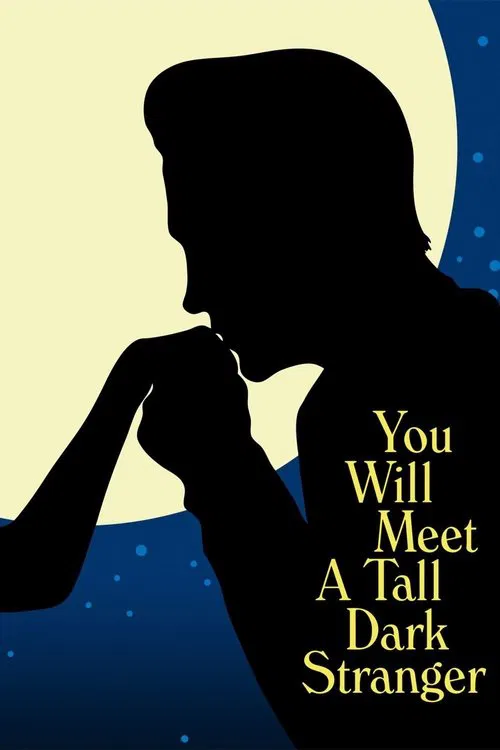
  6. You Will Meet a Tall Dark Stranger (2010) poster

    You Will Meet a Tall Dark Stranger

    Woody Allen · 2010

    Each character gets a separate ending. Alfie and Charmaine fight over whether the baby is his, Sally is furious that Helena won't lend her money, and Roy learns that his friend Henry is alive. Putting these outcomes side by side shows that only Helena has found peace.

    Where to see it: The closing run of scenes. Each storyline ends in turn, and everyone is dissatisfied except Helena.

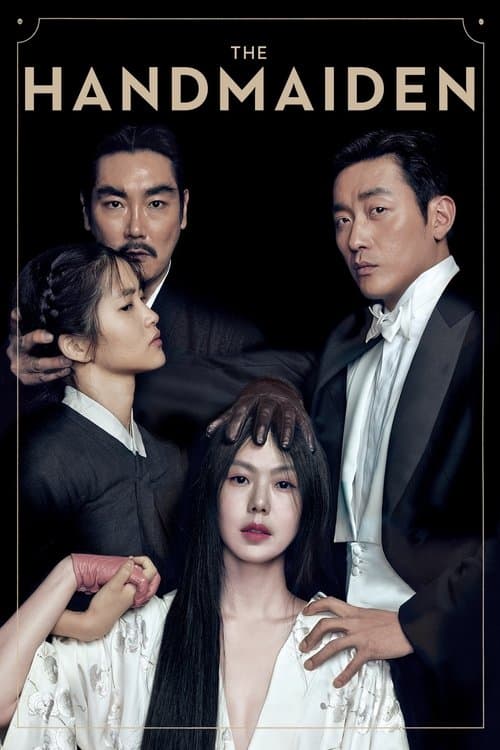
  7. The Handmaiden (2016) poster

    The Handmaiden

    Park Chan-wook · 2016

    The film is divided into 3 parts. The first 2 retell events from Sookee's and then Hideko's point of view, and each reveals what the other held back. Part 3 plays out the consequences. Every apparent ending is undone by the next part, a con within a con within a con. The structure makes the film's point, which is that truth depends completely on who is telling it.

    Where to see it: The transition from Part 1 to Part 2. The story restarts from Hideko's point of view. Every scene of Part 1 changes in hindsight once Part 2 reveals what she knew.

  8. Monster (2023) poster

    Monster

    Hirokazu Kore-eda · 2023

    The film is a triptych, a story in 3 panels, and it presents the same events 3 times from different viewpoints. Each one seems complete until the next arrives and breaks its certainty. The truth only appears in the gap between all 3.

    Where to see it: The third act's revelation of what the boys were really doing in the abandoned train car. That image changes how you see every earlier accusation and defense.

Questions

Quick answers

What is multiple resolution structure in film?
Giving the film several endings. They can come one after another to close different emotional threads, or they can conflict and leave you to weigh competing versions.
Which films use multiple resolution structure?
Rashomon (1950), Murder on the Orient Express (1974), L.A. Confidential (1997), The Lord of the Rings: The Return of the King (2003), Melinda and Melinda (2004), You Will Meet a Tall Dark Stranger (2010) and 2 more films in the CineCode library.
What kind of technique is multiple resolution structure?
It is a narrative technique. Related narrative techniques include Unreliable Narrator, Earned Catharsis, The Long Reveal.