Comparison · 3 shared techniques

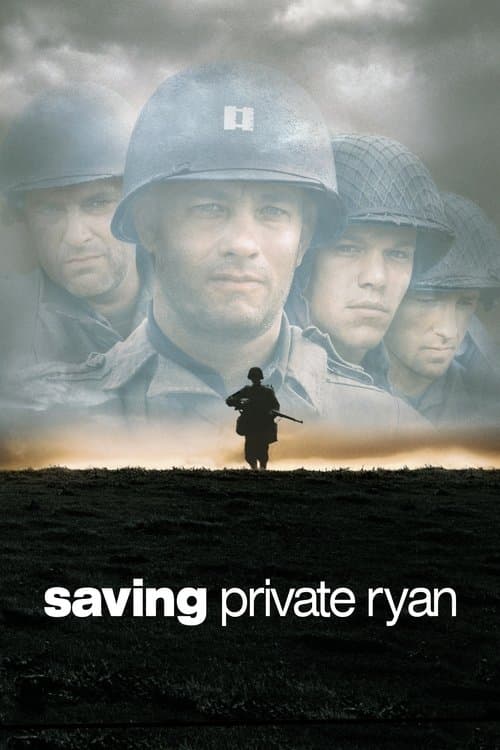
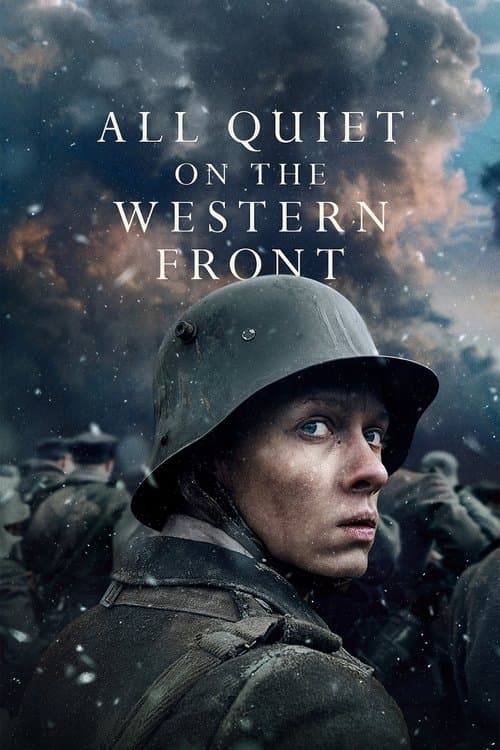
Saving Private Ryan vs All Quiet on the Western Front

Saving Private Ryan (1998) and All Quiet on the Western Front (2022) share 3 techniques. Here is how each film uses them.

Shared

Same technique, two films

Desaturated War Palette

Draining most of the color from the image, leaving gray skies, cold blues and muted browns. The world looks stripped of comfort and hope, and you can't enjoy it as pretty.

Saving Private Ryan

Janusz Kamiński removed the protective coatings from the lenses and underexposed the film to get a bleached look like old newsreels. The images are not beautiful. Spielberg and Kamiński made a deliberate choice that war should not look good.

All Quiet on the Western Front

James Friend's cinematography drains the color out of the Western Front with clinical thoroughness. The mud is gray-brown, the sky is gray-white and the faces are gray. This is the first thing the film tells you: in this world, heroism doesn't look good on camera. Color only comes back in brief flashes of beauty, and the war immediately puts them out.

Anti-Epic Combat Staging

Refusing the heroic habits of war films, like grand wide shots, rousing speeches and clear victories. Combat is shown from ground level as chaotic, anonymous and traumatic.

Saving Private Ryan

The D-Day sequence has almost no heroic wide shots and no clear overview of the battle. The camera stays mostly at ground level, behind obstacles, with individual men. Spielberg holds back the usual pleasures of a war film, which are knowing where everything is and knowing who is right.

All Quiet on the Western Front

Berger stages his battles so they look unplanned, the opposite of choreographed. Soldiers die by accident, from the wrong direction and for no tactical reason you can make out. The editing avoids everything you expect from heroic combat. There is no decisive action and no moment where one man's choices matter. Death just arrives as part of how the war runs, and the film never turns it into a story event.

Immersive Combat Sound Design

Mixing battle sound the way a soldier would hear it, with chaotic, physical noise coming from every direction. Nothing is tidied up for your comfort, so you feel inside the fight.

Saving Private Ryan

Sound designer Gary Rydstrom recorded actual weapons and designed the audio so you can tell where each sound comes from and feel it physically. Bullets come from specific places. Explosions muffle your hearing. Several times, the sequence goes nearly silent as characters go through the shock of a blast, so your own hearing is being used to tell the story.

All Quiet on the Western Front

The sound design was built to copy what an artillery bombardment does to the body. You get the thudding bass of shells, the ringing that follows and the silence before another wave. Your body reacts before your mind can process it. I feel like the sound makes the film's case most directly, because your body already knows what your mind is being told.

Different

Where they split

Only in All Quiet on the Western Front