Editing technique · used in 6 films

Anti-Epic Combat Staging

Refusing the heroic habits of war films, like grand wide shots, rousing speeches and clear victories. Combat is shown from ground level as chaotic, anonymous and traumatic.

Examples

6 films that use it

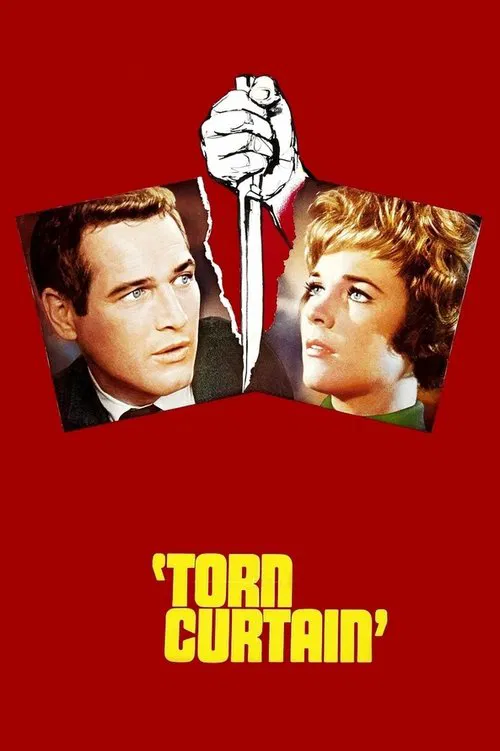
  1. Torn Curtain (1966) poster

    Torn Curtain

    Alfred Hitchcock · 1966

    The killing of the Stasi agent Gromek is slow and exhausting. Armstrong and the farmer's wife fight him in a long, clumsy struggle. It feels physical, and neither of them looks like a hero.

    Where to see it: The farm struggle. Gromek discovers Armstrong's secret, and he is killed in a tortuous fight by Armstrong and the farmer's wife.
  2. Saving Private Ryan (1998) poster

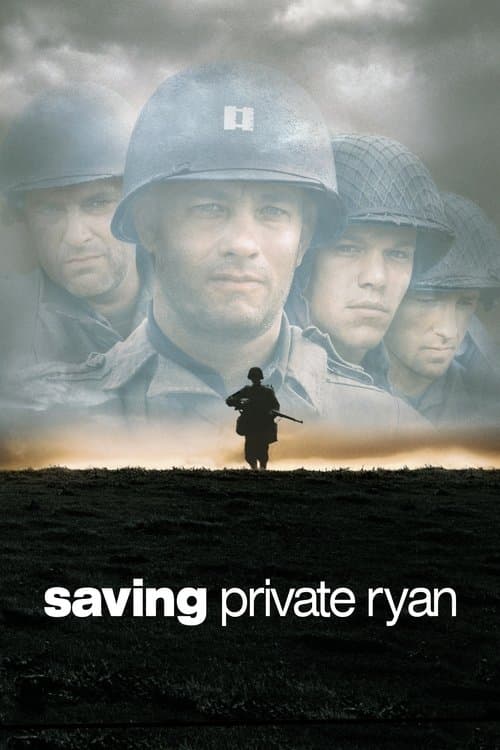
    Saving Private Ryan

    Steven Spielberg · 1998

    The D-Day sequence has almost no heroic wide shots and no clear overview of the battle. The camera stays mostly at ground level, behind obstacles, with individual men. Spielberg holds back the usual pleasures of a war film, which are knowing where everything is and knowing who is right.

    Where to see it: Captain Miller's disoriented POV on the beach. You experience the battle as a chaos of sights and sounds.

  3. The Thin Red Line (1998) poster

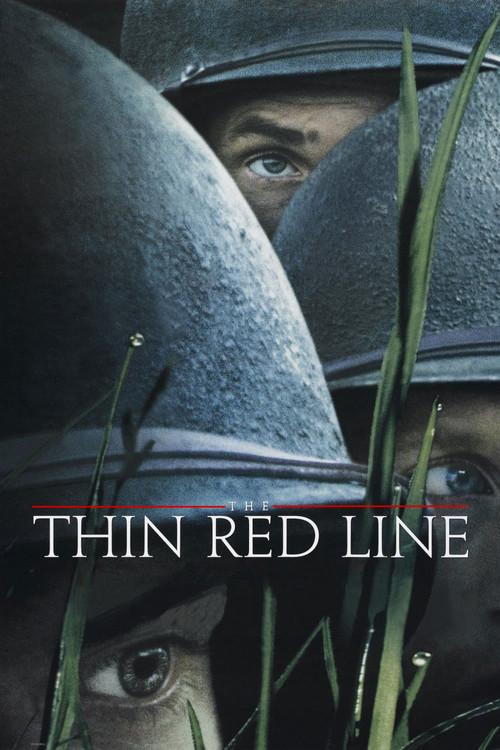
    The Thin Red Line

    Terrence Malick · 1998

    The assault on Hill 210 has no heroic charge. Men crawl through tall grass under machine gun fire, Sergeant Keck dies by accident on his own grenade, and Captain Staros refuses an order he calls suicide. War looks confused and costly.

    Where to see it: The first assault on Hill 210. Charlie Company is pinned down, and Keck pulls a grenade pin by accident and throws himself on the grenade to protect the others.

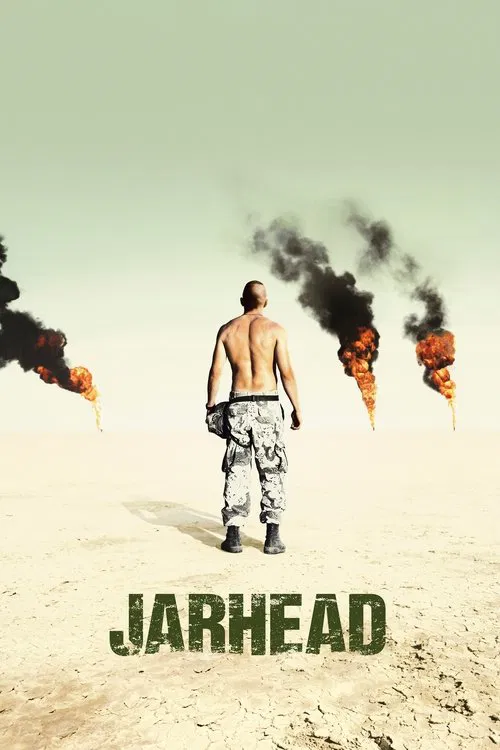
  4. Jarhead (2005) poster

    Jarhead

    Sam Mendes · 2005

    The film refuses the usual heroic war moments. When the Marines finally get a sniping mission, an air strike is called in at the last second and destroys the airfield. The war ends without Swofford firing his rifle. His training ends up meaning nothing.

    Where to see it: The airfield mission: Swofford and Troy are ordered to kill an Iraqi Republican Guard officer, but Major Lincoln calls in an air strike before Swofford takes the shot.

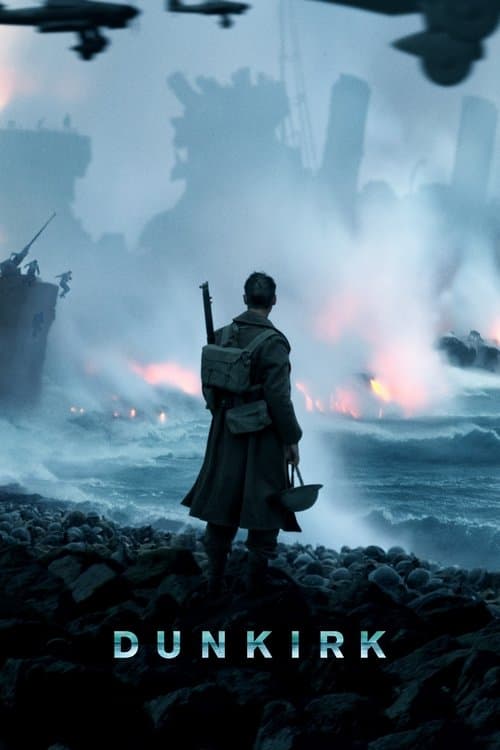
  5. Dunkirk (2017) poster

    Dunkirk

    Christopher Nolan · 2017

    Nolan never stages a heroic charge or one defining act by one man. The soldiers survive the evacuation through a pile of small decisions. The soldier we follow isn't named until the final moments of the film.

    Where to see it: The repeated failed attempts to board ships. You can't tell the soldiers apart, and survival pretty much comes down to chance.

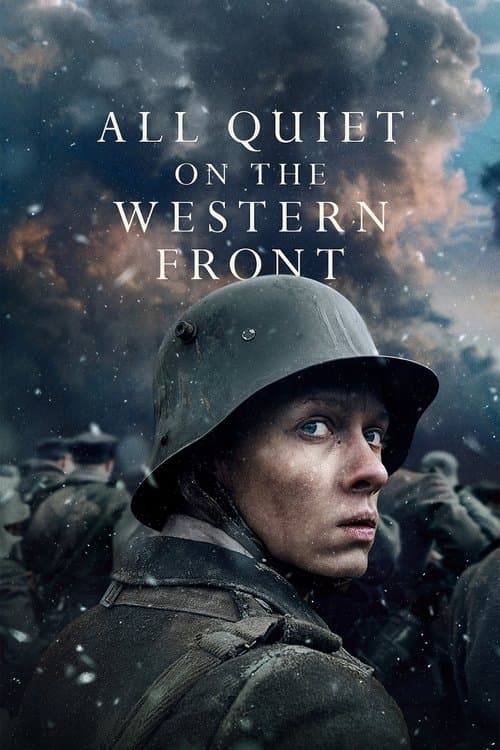
  6. All Quiet on the Western Front (2022) poster

    All Quiet on the Western Front

    Edward Berger · 2022

    Berger stages his battles so they look unplanned, the opposite of choreographed. Soldiers die by accident, from the wrong direction and for no tactical reason you can make out. The editing avoids everything you expect from heroic combat. There is no decisive action and no moment where one man's choices matter. Death just arrives as part of how the war runs, and the film never turns it into a story event.

    Where to see it: The tank attack sequence. The machines of industrial warfare are filmed as something that simply processes human beings. With the battle staged this way, heroism has no room to happen.

Questions

Quick answers

What is anti-epic combat staging in film?
Refusing the heroic habits of war films, like grand wide shots, rousing speeches and clear victories. Combat is shown from ground level as chaotic, anonymous and traumatic.
Which films use anti-epic combat staging?
Torn Curtain (1966), Saving Private Ryan (1998), The Thin Red Line (1998), Jarhead (2005), Dunkirk (2017), All Quiet on the Western Front (2022).
What kind of technique is anti-epic combat staging?
It is a editing technique. Related editing techniques include Kinetic Set Piece Architecture.