Narrative technique · used in 5 films

Bookend Moral Frame

Opening and closing the film with the same device, often an older character returning to an important place. The frame asks a moral question about what you just watched.

Examples

5 films that use it

  1. The Bridge on the River Kwai (1957) poster

    The Bridge on the River Kwai

    David Lean · 1957

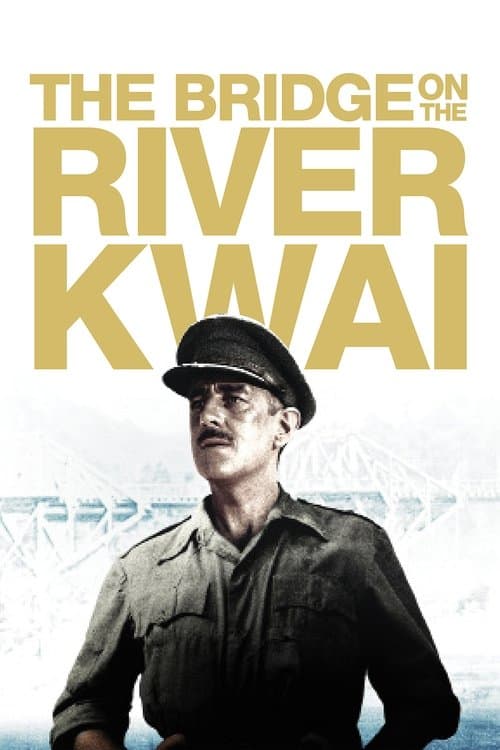
    The British medical officer Clipton is there from the prisoners' arrival at the camp to the end. At the end, he sees the destruction of the bridge and the deaths of Nicholson, Shears and Joyce. His final word, 'Madness!', sums up the film's whole argument. The bookend turns every scene before it into evidence for Clipton's verdict.

    Where to see it: Clipton's final cry. He shouts 'Madness! Madness!' and the film closes by naming what you've watched.
  2. Braveheart (1995) poster

    Braveheart

    Mel Gibson · 1995

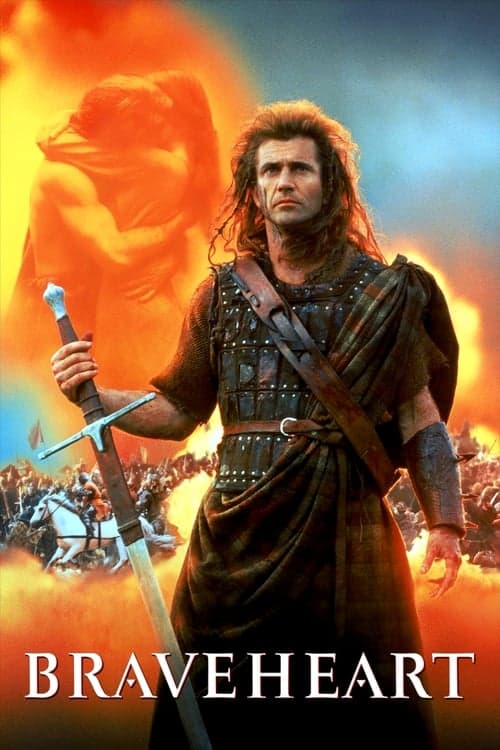
    Robert the Bruce narrates the film from its first moments and returns at the end to hand Wallace's story over to history. Because his voice opens and closes the film, Wallace's death is placed as the seed of Scotland's eventual freedom. The frame turns his martyrdom into a legacy.

    Where to see it: Robert's final charge at Bannockburn. The bookend closes as Bruce becomes the leader that Wallace's sacrifice demanded.

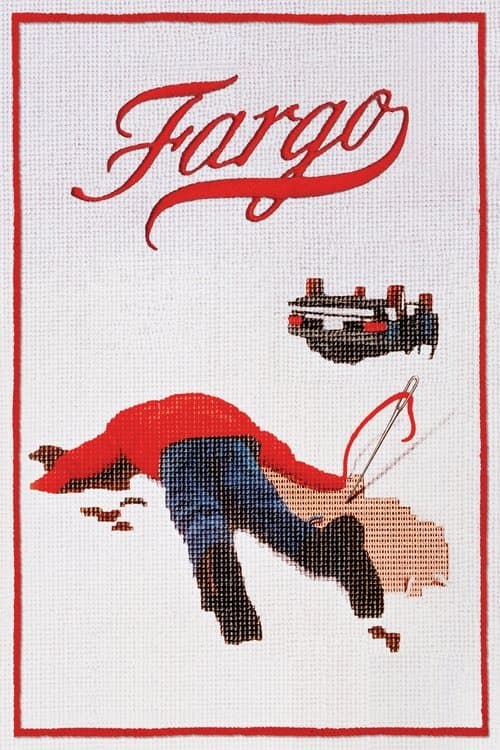
  3. Fargo (1996) poster

    Fargo

    Joel Coen, Ethan Coen · 1996

    The film opens with Jerry towing a car through a white blizzard on his way to set up a crime. It closes with Marge in bed with Norm, talking about his duck stamp appearing on a 3-cent stamp. The ending is domestic and content, and it is so small next to all the carnage before it. That is what the film is saying. Ordinary goodness is its own reward, and it is answer enough to the greed that caused all the death.

    Where to see it: The closing scene with Norm. Marge reassures him about his 3-cent stamp and they look ahead to the baby. By ending here, the film gives the last word to small things and decency.

  4. Saving Private Ryan (1998) poster

    Saving Private Ryan

    Steven Spielberg · 1998

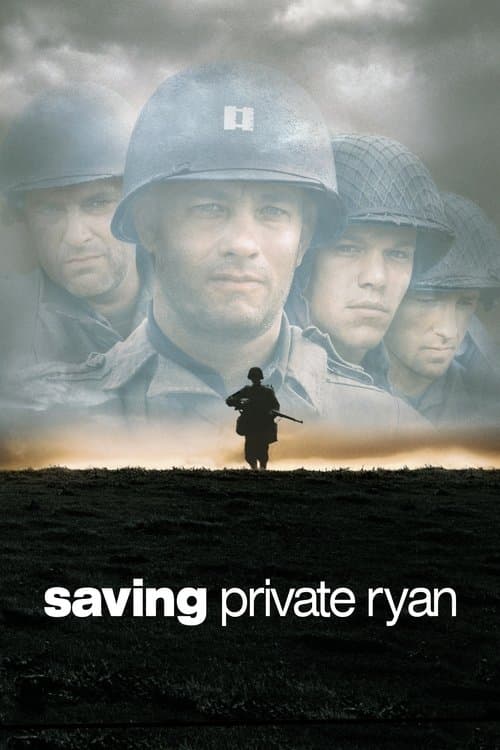
    The film opens and closes with an elderly man at a war cemetery in Normandy. His presence asks a question ('Have I earned this?'), and that question is the film's real subject. The D-Day carnage and the mission that follows are the evidence you have to weigh to answer it.

    Where to see it: The old man at the cemetery asking if he has been a good man. The film states its moral question out loud.

  5. If Beale Street Could Talk (2018) poster

    If Beale Street Could Talk

    Barry Jenkins · 2018

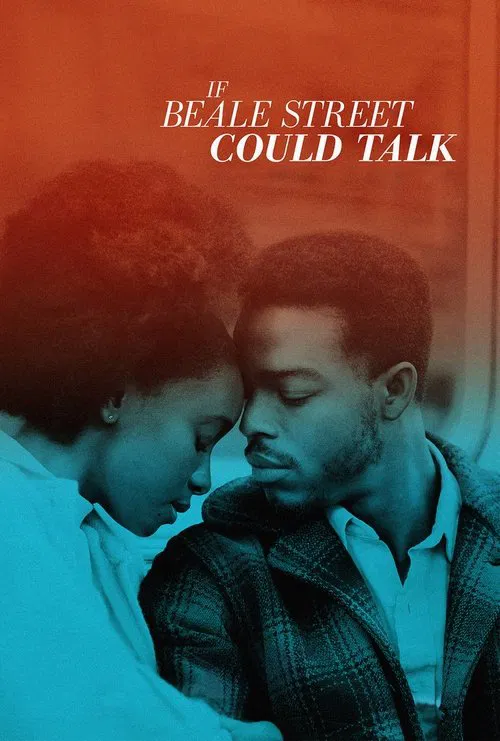
    Jenkins opens with Tish and Fonny together and closes with them together again, now with their son, in the prison visiting room. The closing image carries everything the film has done to their world between the 2 shots.

    Where to see it: The final scene, where Tish and their son visit Fonny in prison. They share snacks and look forward to his release. The couple is together and permanently changed. You can see the system's damage in the gap between the 2 shots.

Questions

Quick answers

What is bookend moral frame in film?
Opening and closing the film with the same device, often an older character returning to an important place. The frame asks a moral question about what you just watched.
Which films use bookend moral frame?
The Bridge on the River Kwai (1957), Braveheart (1995), Fargo (1996), Saving Private Ryan (1998), If Beale Street Could Talk (2018).
What kind of technique is bookend moral frame?
It is a narrative technique. Related narrative techniques include Retrospective Voiceover, Tragic Inversion Structure, Institutional Honor Critique.