Cinematography technique · used in 14 films

Off-Screen Atrocity

Keeping the worst violence outside the frame. You hear it or see its effects and other people's reactions, and your imagination does the rest.

Examples

14 films that use it

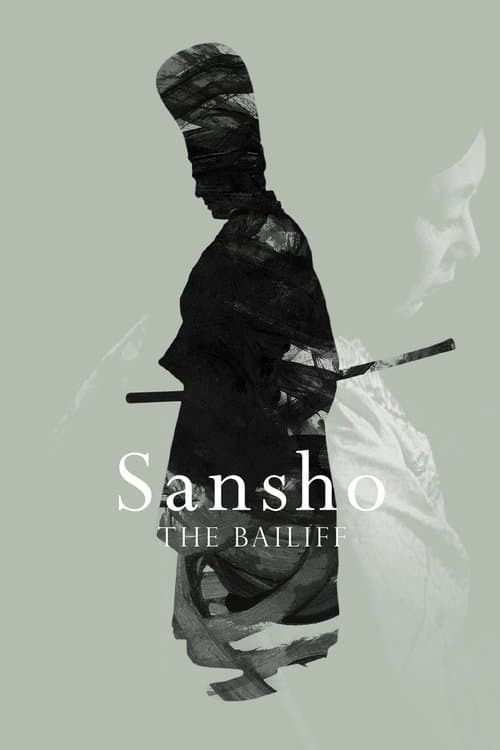
  1. Sansho the Bailiff (1954) poster

    Sansho the Bailiff

    Kenji Mizoguchi · 1954

    The camp's cruelties (brandings, mutilations, deaths) are often suggested through sound and people's reactions, with the act itself kept out of view. Mizoguchi understands that what you imagine does more damage than what you are shown.

    Where to see it: The branding scenes. The camera often turns away at the moment of contact, and the sound and the aftermath are enough to make the act real.
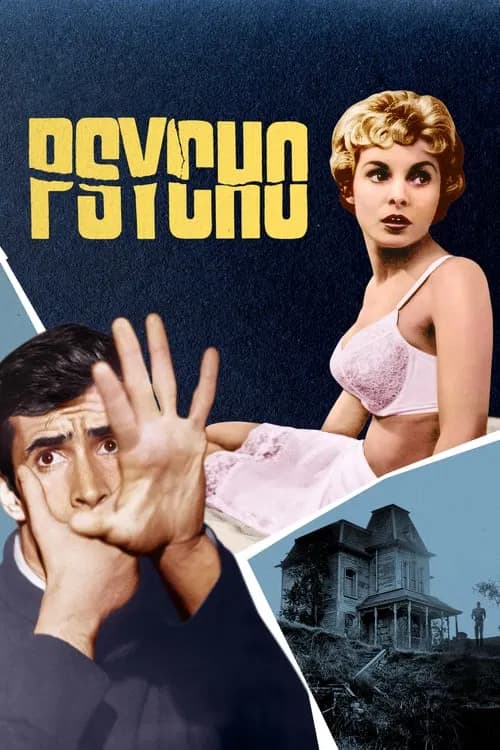
  2. Psycho (1960) poster

    Psycho

    Alfred Hitchcock · 1960

    Editor George Tomasini and Hitchcock built the shower scene out of 78 camera setups and 52 cuts. You never actually see the knife go into flesh. All the violence comes from the editing, so the rapid cutting is the attack. As a matter of fact, this sequence proved that editing alone could make you feel physical horror.

    Where to see it: The shower sequence. You get 78 setups and 52 cuts, and the knife is never shown touching her.

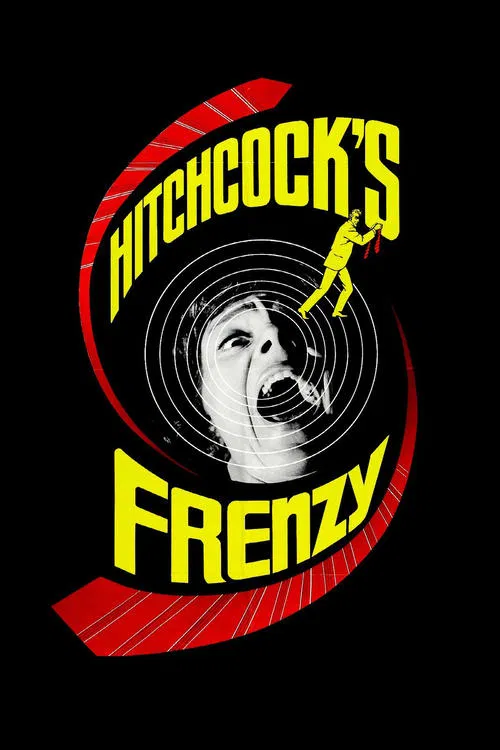
  3. Frenzy (1972) poster

    Frenzy

    Alfred Hitchcock · 1972

    Brenda's murder is shown in full, but Babs's is kept out of sight. The camera leaves, and your imagination does the rest. The contrast is chilling, because you have seen exactly what Rusk is capable of.

    Where to see it: Babs's murder. After the camera retreats from Rusk's flat, you see nothing more of what happens inside.

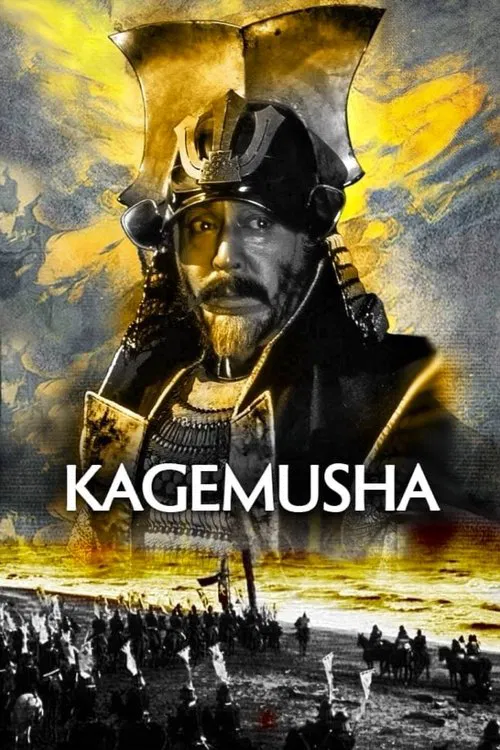
  4. Kagemusha (1980) poster

    Kagemusha

    Akira Kurosawa · 1980

    At Nagashino, you see waves of Takeda cavalry ride out and you hear the guns. Kurosawa then cuts to the faces of the generals and the thief as they watch. The slaughter is mostly out of frame, so you take it in through their horror.

    Where to see it: The Battle of Nagashino. The thief watches the charges fail, and afterward the field is covered in dying horses trying to get up.

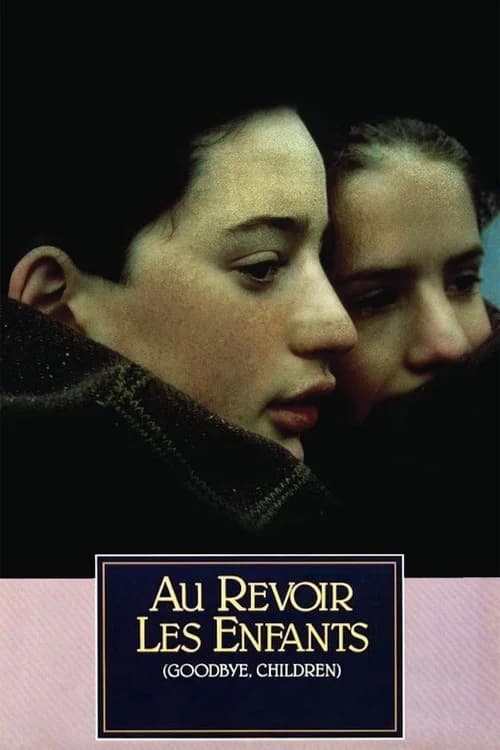
  5. Au Revoir les Enfants (1987) poster

    Au Revoir les Enfants

    Louis Malle · 1987

    You never see what happens to the boys. Malle ends the film before the deportation trains, so the Holocaust is only present as the place they are being taken. The horror stays off screen, and it weighs more because the film refuses to show it.

    Where to see it: Father Jean's farewell as he is led away, and the closing narration. Those words are the only information you get about what happened to the boys after the doors closed.

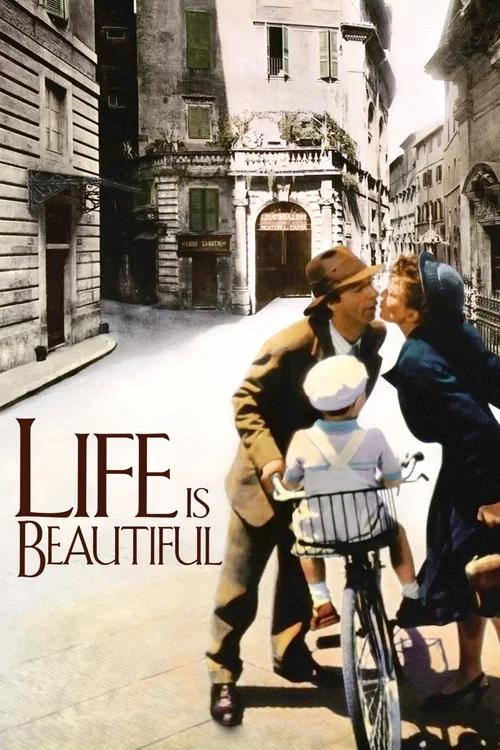
  6. Life is Beautiful (1997) poster

    Life is Beautiful

    Roberto Benigni · 1997

    You never see the camp's mass murder on screen. You see the smoke and hear the sounds, and you can work out what is happening. Benigni refuses to show it directly and keeps the camera at the level of what a child would notice. The horror is still there, seen through an innocent boy's eyes.

    Where to see it: The smoke from the crematorium. This is the one thing Guido cannot explain away, and nobody explains it.

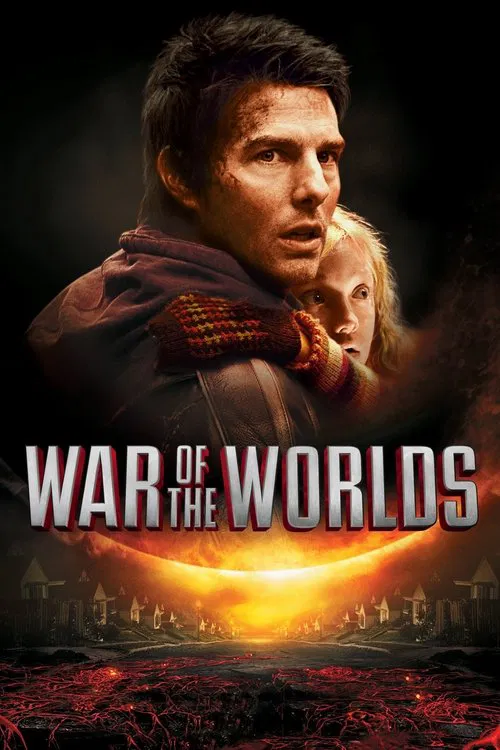
  7. War of the Worlds (2005) poster

    War of the Worlds

    Steven Spielberg · 2005

    People are turned to dust by the alien weapon, and the film shows what is left. Clothes drift down like ash after a flash. The empty clothing tells you what happened without a single body.

    Where to see it: The disintegration: After the first attack, clothes fall onto the street where the crowd was standing, and Ray is covered in dust.

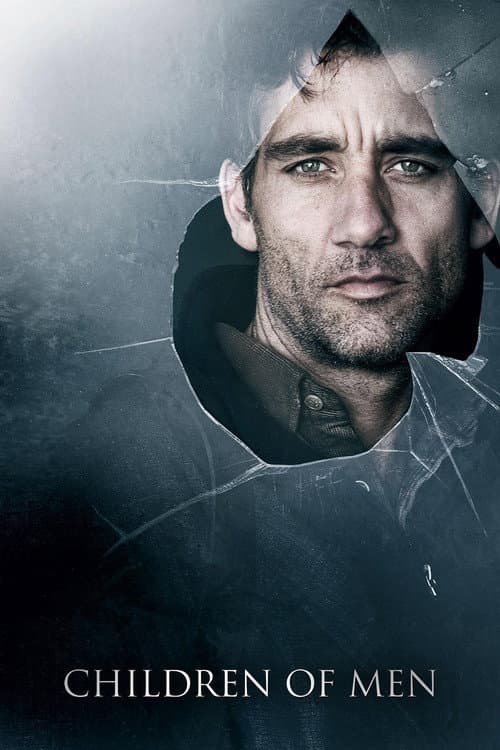
  8. Children of Men (2006) poster

    Children of Men

    Alfonso Cuarón · 2006

    You only get glimpses of the worst conditions in the refugee camps. With the cages and the soldiers' casual brutality, Cuarón often shows someone reacting and leaves out the act itself. Other times, he lets sound describe what the frame won't show. Holding back is a political choice. The film will not make a spectacle of suffering.

    Where to see it: The Bexhill sequences. Gunfire, loudspeakers and silence tell you what is happening beyond the frame. The film keeps its political point by not letting the camera exploit the suffering for images.

  9. Poetry (2010) poster

    Poetry

    Lee Chang-dong · 2010

    You never see the rape of Agnes. You hear about it from the fathers of the other boys, who discuss a settlement. Without any images, the horror comes from how calmly they speak.

    Where to see it: The fathers' meeting: The men tell Mi-ja what the boys did to Agnes and plan a settlement to avoid the police.

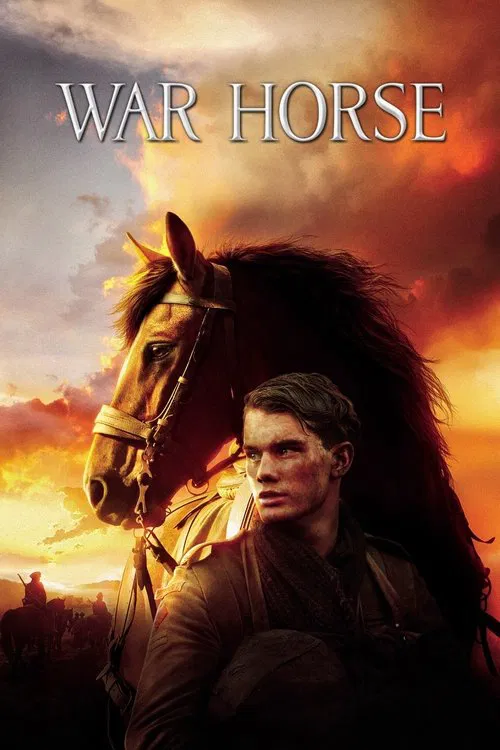
  10. War Horse (2011) poster

    War Horse

    Steven Spielberg · 2011

    The cavalry charge ends with horses coming out of the smoke without riders. The deaths are not shown. The empty saddles say it all and leave you to picture what happened.

    Where to see it: The cavalry charge: British cavalry ride into a German camp, and horses return alone after the machine guns open fire.

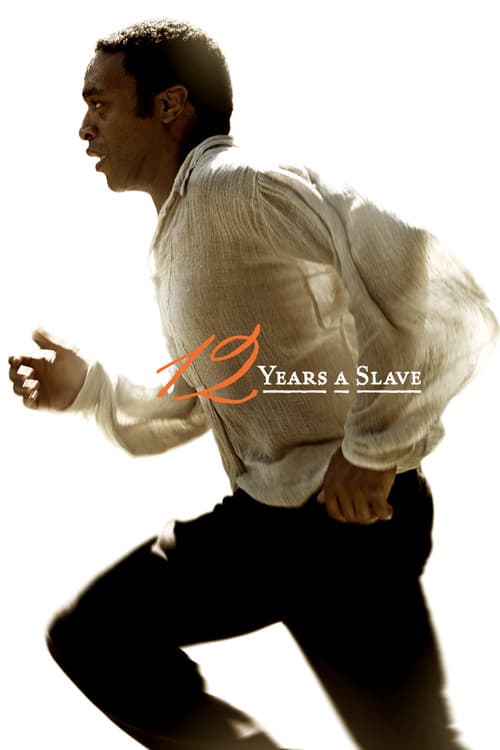
  11. 12 Years a Slave (2013) poster

    12 Years a Slave

    Steve McQueen · 2013

    McQueen is strategic about what he keeps off-screen. Some violence is shown in full and some is held back. That selection is itself a moral statement about what the audience can and cannot afford to look away from. He chooses the moments he holds back as carefully as the ones he shows.

    Where to see it: The hanging scenes. The body hangs somewhere between shown and implied. Another director would pull the camera back, and McQueen's method here is to make the shot last.

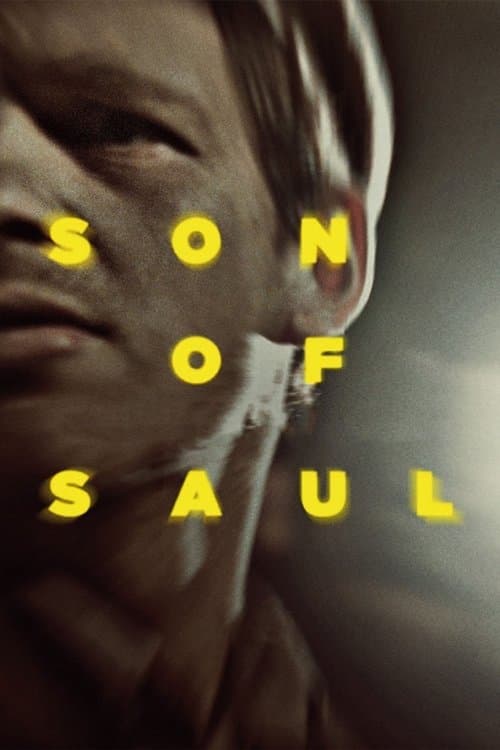
  12. Son of Saul (2015) poster

    Son of Saul

    László Nemes · 2015

    Nemes shoots the genocide at Auschwitz in shallow focus, where only a thin slice of the image is sharp, and at the edge of the frame. The atrocities are there, and they are deliberately left unclear. It is a moral and artistic decision. Nemes refuses to turn mass murder into a clear, readable movie image.

    Where to see it: The out-of-focus bodies in the background of almost every frame. The dead are present and kept out of clear view. The camera's refusal to sharpen them is a form of respect.

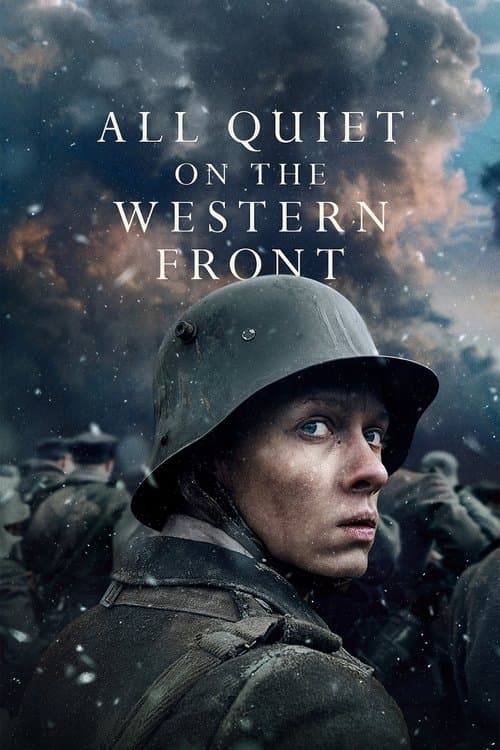
  13. All Quiet on the Western Front (2022) poster

    All Quiet on the Western Front

    Edward Berger · 2022

    Berger balances graphic violence with careful restraint. Some of the film's worst moments are only heard, or you only see what is left afterward. In the armistice negotiation scenes, men decide to end the killing with paperwork while the fighting at the front goes on. These scenes describe an atrocity without showing it, which is the bureaucratic horror of the war's final hours.

    Where to see it: The armistice signing intercut with the continuing battle. You see the political decision, and you see that it fails to stop the killing. Men keep dying off screen while the treaty is completed.

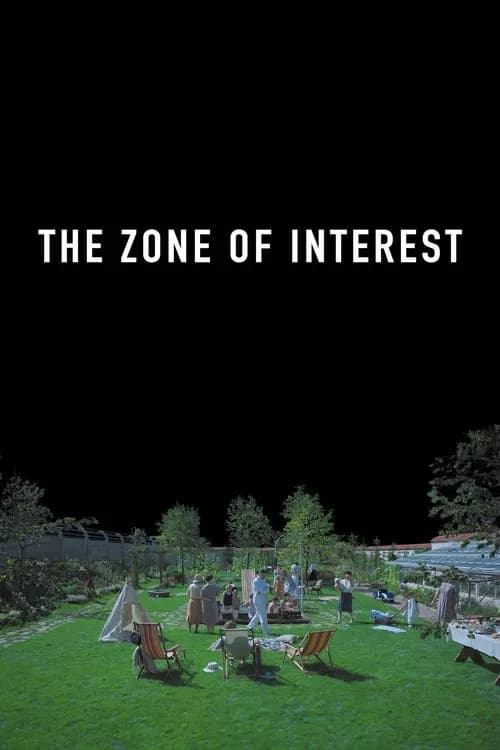
  14. The Zone of Interest (2023) poster

    The Zone of Interest

    Jonathan Glazer · 2023

    The camp is never shown. Its sounds (trains, shots, screams, machinery) are constant on the soundtrack, and the smoke is always there. The Höss family goes on with their home life while these sounds continue. Everything the film has to say comes from putting those 2 things side by side. The horror is exactly what the frame leaves out, which is exactly how the perpetrators experienced it.

    Where to see it: Pretty much any domestic scene. The children play in the garden while you hear the camp behind the wall. The film is making its main point this way the whole time.

Questions

Quick answers

What is off-screen atrocity in film?
Keeping the worst violence outside the frame. You hear it or see its effects and other people's reactions, and your imagination does the rest.
Which films use off-screen atrocity?
Sansho the Bailiff (1954), Psycho (1960), Frenzy (1972), Kagemusha (1980), Au Revoir les Enfants (1987), Life is Beautiful (1997) and 8 more films in the CineCode library.
What kind of technique is off-screen atrocity?
It is a cinematography technique. Related cinematography techniques include Handheld Cinema Vérité, Tracking Shot Choreography.