Dutch Angle
Tilting the camera sideways so the horizon runs diagonally across the frame. The crooked picture makes a scene feel unstable, uneasy or morally off.
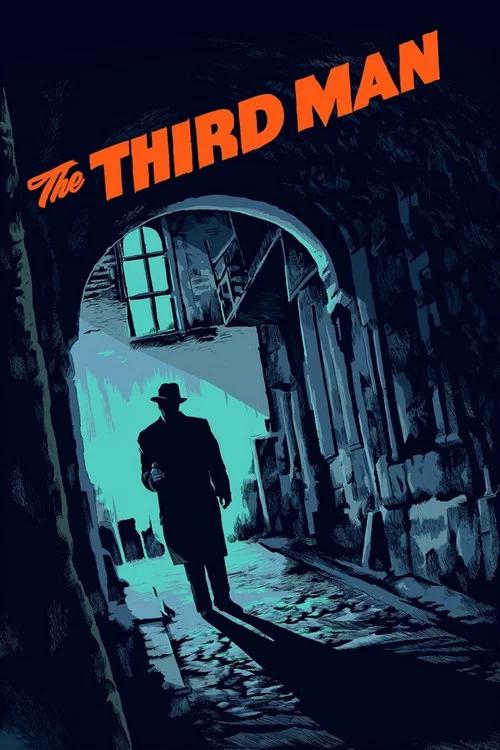
The Third Man
Reed and cinematographer Robert Krasker tilt the camera sideways throughout the film, a shot known as a Dutch angle. It makes postwar Vienna feel morally unstable. This is a city where the normal rules don't apply, where a charming man can sell watered-down penicillin to dying children and stay charming.
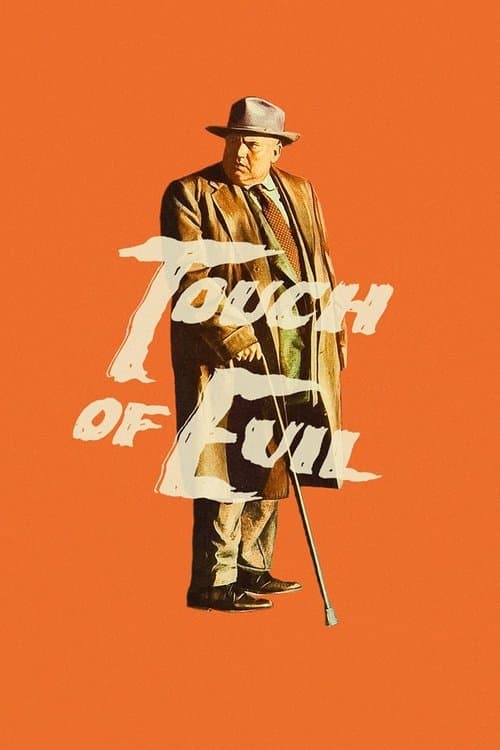
Touch of Evil
A Dutch angle is a shot where the camera is tilted so the horizon looks slanted. Welles uses extreme ones all through Touch of Evil, and the tilted look tells you how morally lost everyone is. In this border town, you can't tell law from crime. People drift between 2 national identities, and the detective is also the criminal. The tilted frames never let you feel like you're on stable ground.