Cinematography technique · used in 18 films

Tracking Shot Choreography

Moving the camera in 1 long, unbroken and carefully planned shot that follows the action through several spaces. You see how people fit into their world without a single cut.

Examples

18 films that use it

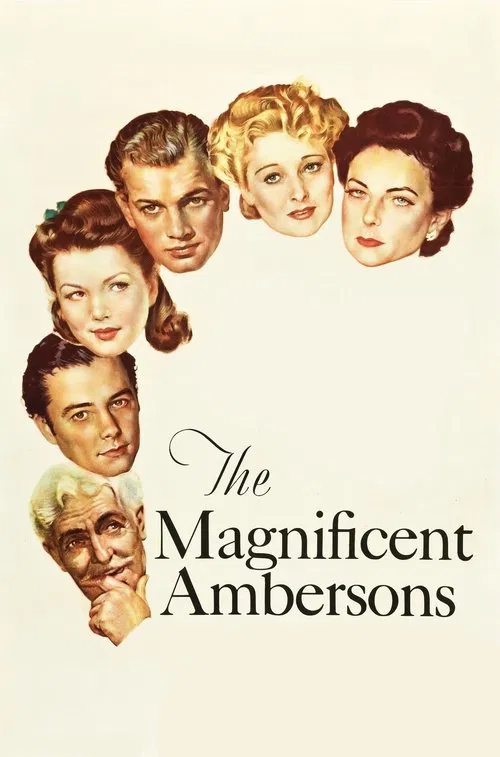
  1. The Magnificent Ambersons (1942) poster

    The Magnificent Ambersons

    Orson Welles · 1942

    At a holiday ball in the mansion, the camera follows guests and family through the rooms. You see how George, Isabel and Eugene fit into the same social world.

    Where to see it: The holiday ball: George mocks Eugene Morgan's automobile business while guests move in and out of the frame.
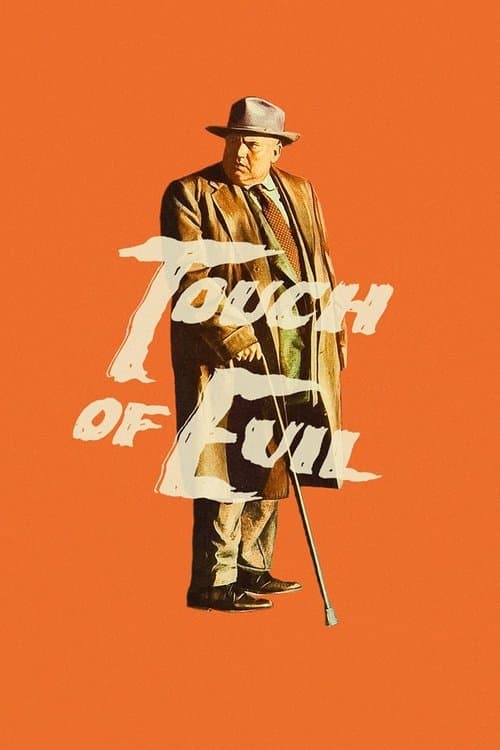
  2. Touch of Evil (1958) poster

    Touch of Evil

    Orson Welles · 1958

    The opening crane shot has now been restored to the version Welles intended, with no titles over it. It starts with a bomb being placed in a car. Then the camera follows the car through the Mexican border town while Vargas and Susan walk alongside it. The take runs 3 and a half minutes without a cut, and it sets up every character, location and plot thread before the bomb goes off. No shot in film history was harder to plan and coordinate, and Welles pulls it off in a single take.

    Where to see it: The opening crane shot. The bomb timer, the car, the couple and the border crossing all stay in motion in 1 take until the explosion.

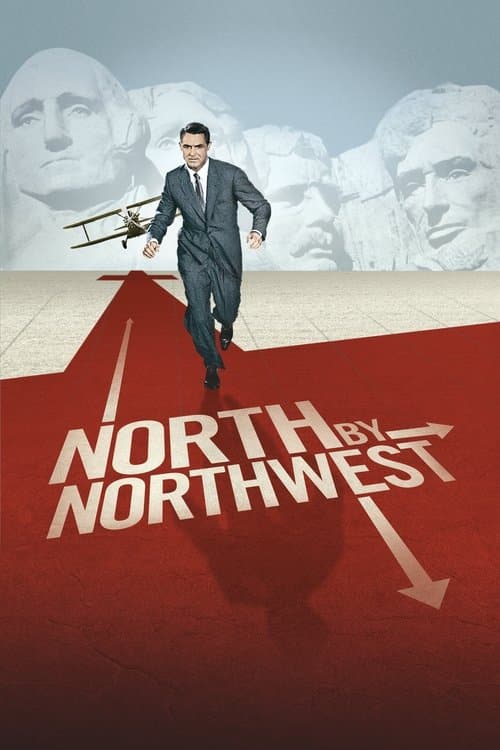
  3. North by Northwest (1959) poster

    North by Northwest

    Alfred Hitchcock · 1959

    Hitchcock and cinematographer Robert Burks plan exact camera movements for the UN lobby sequence. The UN refused permission to film inside, so the lobby was rebuilt as a set at MGM. The planned movement makes the space feel real and stagey at once. The camera's path is so specific that you sense the shape of the space as well as its danger.

    Where to see it: The UN lobby sequence. The camera moves with Thornhill through a lobby rebuilt on a studio set. The plot is hard to believe, and the tracking shot roots it in a convincing place.

  4. The French Connection (1971) poster

    The French Connection

    William Friedkin · 1971

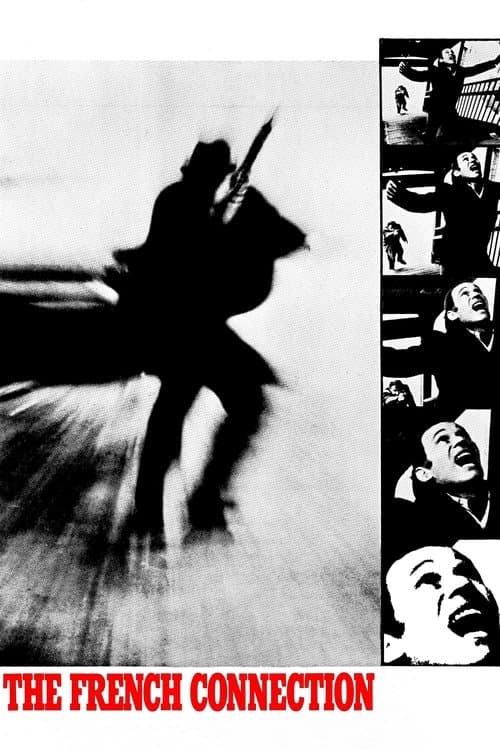
    In one sequence, Doyle follows Charnier through a New York subway station, and the camera travels along with both the hunter and the hunted. You see how surveillance works in physical space. It plays out like a dance of watching and dodging.

    Where to see it: Charnier slipping onto the subway as the doors close. Doyle is left on the platform. The tracking shot catches the exact moment Charnier gets away, thanks to a single second of hesitation.

  5. Frenzy (1972) poster

    Frenzy

    Alfred Hitchcock · 1972

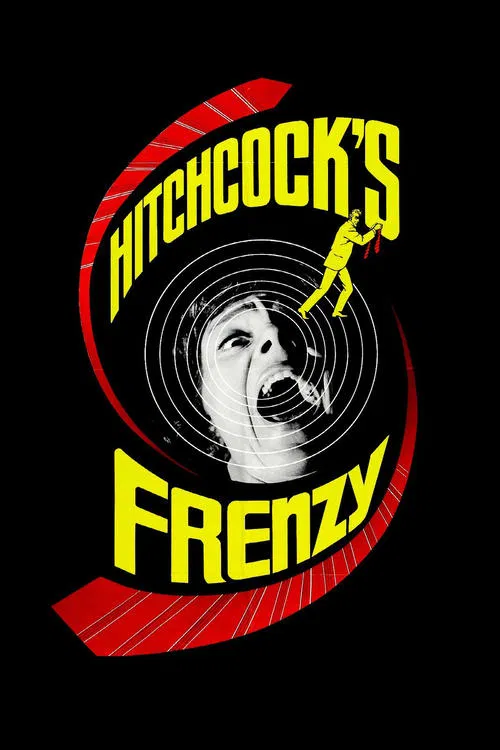
    After Rusk takes Babs up to his flat, the camera moves backward down the stairs, out the door and across the market street. It is 1 smooth move, with the usual activity of the market going on. You are carried away from the room with the crime in it.

    Where to see it: Babs and Rusk's stairs. The camera retreats down the staircase and across the street as the market noise continues.

  6. Scarface (1983) poster

    Scarface

    Brian De Palma · 1983

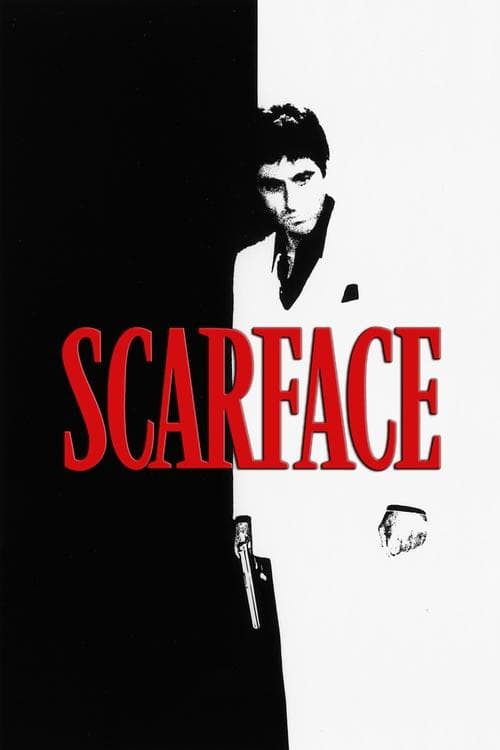
    De Palma uses long, gliding tracking shots, where the camera moves along with the action. They move through Tony's world, through the mansion and through the nightclub. They make his empire feel huge, so its eventual collapse is more dizzying.

    Where to see it: The Babylon Club sequence. The camera tracks through the crowd as Tony looks over the territory he has claimed. The shot shows you his world at the moment before it starts to turn on him.

  7. Goodfellas (1990) poster

    Goodfellas

    Martin Scorsese · 1990

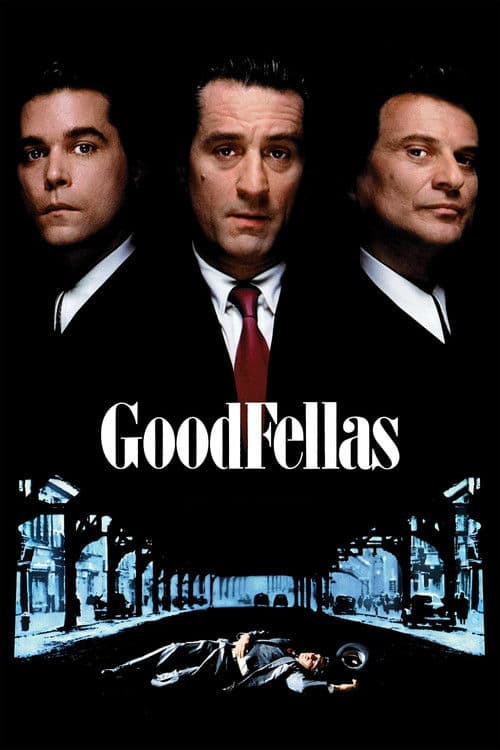
    The Copacabana tracking shot follows Henry and Karen through the club's back entrance, the kitchen and the underground passages to a ringside table, all in a single unbroken take. The camera moves with the same ease Henry does. He owns this world and, for a moment, so do you.

    Where to see it: The Copacabana entrance. It runs 2 and a half unbroken minutes from the car to the table.

  8. Boogie Nights (1997) poster

    Boogie Nights

    Paul Thomas Anderson · 1997

    Anderson opens the film with a 3-minute shot through the nightclub on a Steadicam, a stabilized camera that glides as the operator walks. It introduces every major character in one continuous movement. The showy skill of the take tells you the film will use its ambitious style to hold a chaotic world together.

    Where to see it: The opening club tracking shot. It begins outside, moves through the entrance, finds Jack Horner, tracks to the bar, finds Rollergirl and then discovers Eddie. The film's entire social world gets mapped in one unbroken movement.

  9. War of the Worlds (2005) poster

    War of the Worlds

    Steven Spielberg · 2005

    The camera circles Ray's minivan as he drives through panicking crowds. We see the chaos through the windows and hear people hitting the car. The unbroken take traps you inside the vehicle with him.

    Where to see it: The minivan escape: Ray drives a repaired minivan, and the camera moves around it as a crowd tries to seize the car.

  10. The Adventures of Tintin (2011) poster

    The Adventures of Tintin

    Steven Spielberg · 2011

    The chase through the city of Bagghar plays as one long, swooping take that follows the heroes through streets, walls and flooding water. The camera never rests between beats. You get the thrill of a live chase without a visible cut.

    Where to see it: The Bagghar chase: Tintin, Haddock and Snowy chase a falcon carrying a scroll through the city of Bagghar while a dam bursts.

  11. The Wolf of Wall Street (2013) poster

    The Wolf of Wall Street

    Martin Scorsese · 2013

    Scorsese's camera glides across the Stratton Oakmont trading floor and through the parties. Its constant motion matches Belfort's own restless energy. These tracking shots do more than follow him. They make his world look beautiful. The camera's excitement about that world shows you how seductive wealth is.

    Where to see it: The Stratton Oakmont floor introduction. The tracking shot moves through the army of brokers while Belfort narrates. The camera's movement acts out the pull of the scene it is recording.

  12. Spectre (2015) poster

    Spectre

    Sam Mendes · 2015

    The film opens with a long take that joins six shots seamlessly. It follows Bond through the Day of the Dead parade in Mexico City and into the action. You see the whole crowd and the space before the helicopter fight begins.

    Where to see it: The Mexico City opening: Bond foils a terrorist bombing during the Day of the Dead festival.

  13. Black Panther (2018) poster

    Black Panther

    Ryan Coogler · 2018

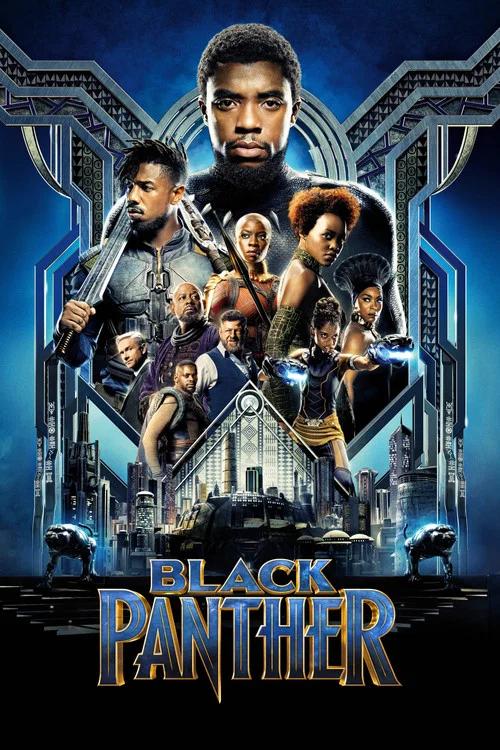
    Coogler wanted the casino fight to play as one continuous shot. The final version was built from several shots with the seams hidden, so it looks unbroken. The camera follows the fight from the first floor to the second, and you can see where everyone stands.

    Where to see it: The casino fight. A shot fired into the rafters starts a brawl, and the camera follows T'Challa, Okoye and Nakia through it.

  14. Outlaw King (2018) poster

    Outlaw King

    David Mackenzie · 2018

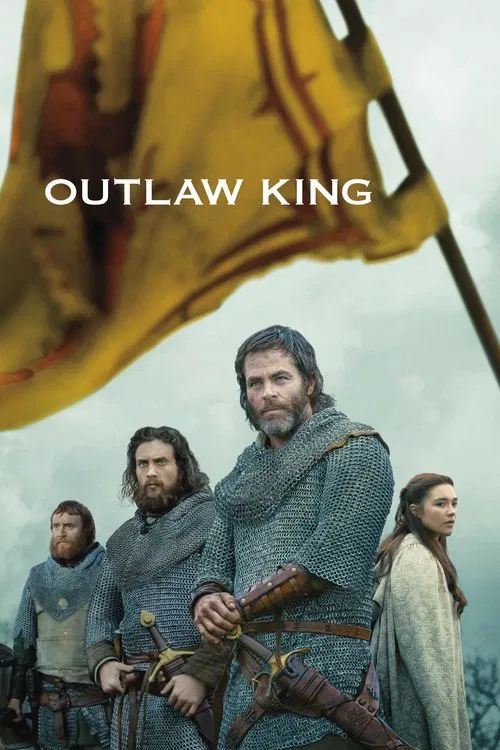
    The film opens with an unbroken shot of roughly 8 to 9 minutes. It starts on a candle, pulls back to Scottish lords swearing loyalty to Edward I, follows Bruce out of the tent and ends at a huge siege catapult tested on the walls of Stirling Castle. You learn who holds power without a single cut.

    Where to see it: The surrender at Stirling. Bruce and the Scottish lords kneel to Edward I outside the besieged castle.

  15. 1917 (2019) poster

    1917

    Sam Mendes · 2019

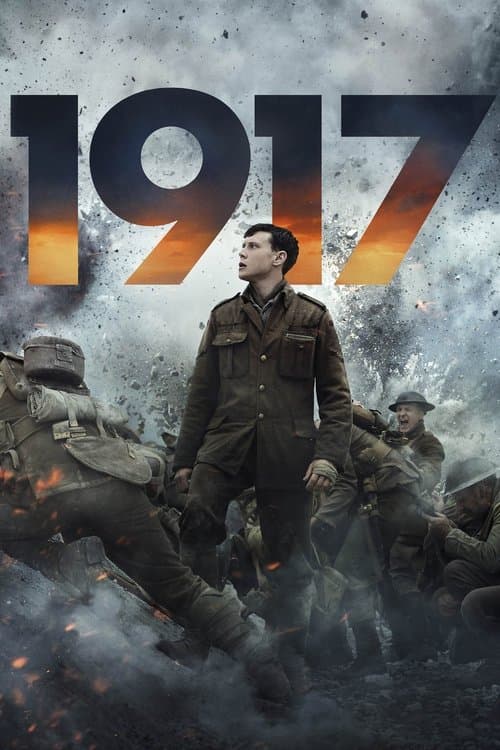
    The entire film was designed to look like one continuous tracking shot, where the camera travels along with the action. It is built from 2 long continuous takes joined at a cut to black. The camera follows Schofield through sets built to be crossed in order.

    Where to see it: The sequence through the ruined French village at night. It is lit entirely by flares, and the camera moves through collapsing buildings in what looks like a single unbroken shot.

  16. Babylon (2022) poster

    Babylon

    Damien Chazelle · 2022

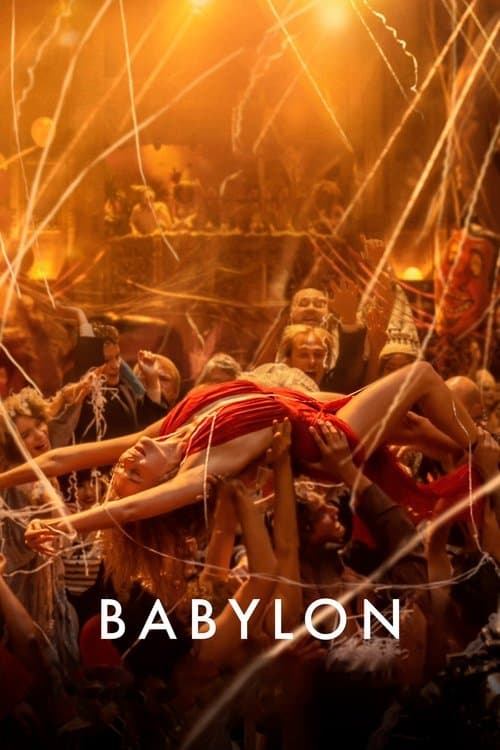
    Chazelle and cinematographer Linus Sandgren pull off several elaborate tracking shots, where the camera travels alongside the action, through the open-air silent film sets. The camera weaves between several productions shooting at once. You take in the chaos of early Hollywood as one continuous space.

    Where to see it: The desert silent film shooting sequence. The tracking shot moves between several films being shot at the same time. You see the productive chaos of the early industry in a single unbroken movement.

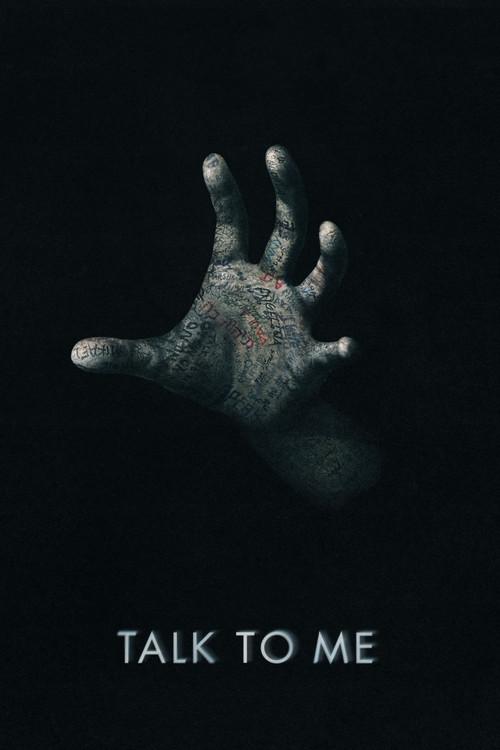
  17. Talk to Me (2023) poster

    Talk to Me

    Danny Philippou, Michael Philippou · 2023

    The film opens with 1 long, unbroken shot. It follows Cole down a quiet street and through a loud house party as he looks for his brother, then ends in sudden violence. It was the last scene the directors filmed, and they had 10 prop doors in case takes went wrong.

    Where to see it: The opening party. Cole finds his brother Duckett and tries to take him home, and Duckett stabs him before turning the knife on himself.

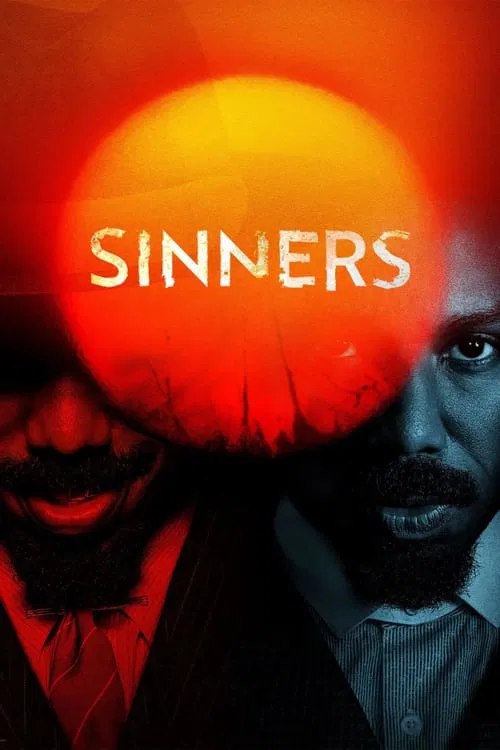
  18. Sinners (2025) poster

    Sinners

    Ryan Coogler · 2025

    When Sammie starts playing, the camera glides through the juke joint in what looks like 1 unbroken move. Musicians and dancers from the past and the future appear beside the 1932 crowd, from West African drummers to a DJ. Coogler has said it couldn't be shot in 1 take, since an IMAX film reel runs out in under 2 minutes, so it was built from sections. You still feel the whole history of the music pass through one room.

    Where to see it: Sammie's performance of "I Lied to You". As he sings, spirits of musicians from other eras fill the room, and the camera rises toward a burning roof.

Questions

Quick answers

What is tracking shot choreography in film?
Moving the camera in 1 long, unbroken and carefully planned shot that follows the action through several spaces. You see how people fit into their world without a single cut.
Which films use tracking shot choreography?
The Magnificent Ambersons (1942), Touch of Evil (1958), North by Northwest (1959), The French Connection (1971), Frenzy (1972), Scarface (1983) and 12 more films in the CineCode library.
What kind of technique is tracking shot choreography?
It is a cinematography technique. Related cinematography techniques include Off-Screen Atrocity.