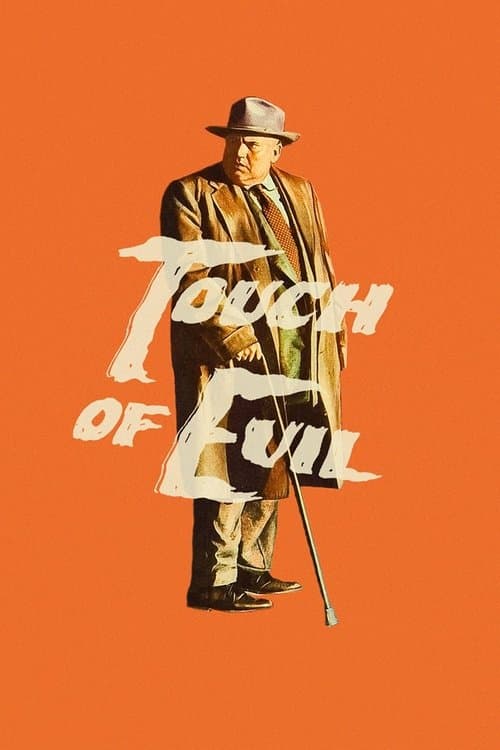
Touch of Evil
Orson Welles · 1958
A Mexican narcotics detective and his American wife become entangled with a corrupt Texas police captain on both sides of the border after a car bombing. Welles' baroque masterpiece opens with cinema's most famous tracking shot.
Techniques Used
4 techniques identified in this film
Tracking Shot Choreography
CinematographyAn extended, precisely choreographed unbroken camera movement that follows action through space — demonstrating the relationship between people and environments through continuous motion rather than editing.
How this film uses it
The opening crane shot — now restored to Welles's intended version without titles — follows a bomb being placed in a car, then tracks the car through the Mexican border town as Vargas and Susan walk alongside it. The three-and-a-half-minute unbroken take establishes every character, location, and narrative thread before the bomb detonates. It is the most complex choreographic problem in film history solved in a single take.
Chiaroscuro Lighting
CinematographyHigh-contrast lighting using deep shadows and isolated light sources to create moral and psychological meaning through the relationship between illumination and darkness.
How this film uses it
Russell Metty's photography under Welles's direction gives Touch of Evil the most extreme chiaroscuro in sound-era Hollywood cinema. Hank Quinlan is almost always in shadow — his bulk emerging from darkness, his face half-lit. The lighting makes moral corruption visually literal: the corrupt man lives in shadow even in interior spaces.
Dutch Angle
CinematographyA camera tilted off its horizontal axis, creating diagonal lines in the frame — associated with psychological unease, moral instability, or the distortion of a character's reality.
How this film uses it
Welles uses extreme Dutch angles throughout Touch of Evil, making the film's visual grammar a map of moral disorientation. The border town is a world where law and crime are indistinguishable, where national identity is permeable, where the detective is also the criminal — and the tilted frames never let the audience feel stable ground.
Unreliable Narrator
NarrativeA central figure through whose actions and perspective we experience events — but whose moral authority or perception is systematically compromised, making the audience question what they are being shown.
How this film uses it
Quinlan is introduced as experienced law enforcement and revealed as someone who plants evidence, commits murder, and has been corrupting justice for decades. Our initial alignment with his perspective — the confident detective reading crime scenes — is deliberately constructed to be dismantled. The film makes us uncertain retrospectively about everything Quinlan has told us.
You Might Also Like
Films that share at least one technique with Touch of Evil
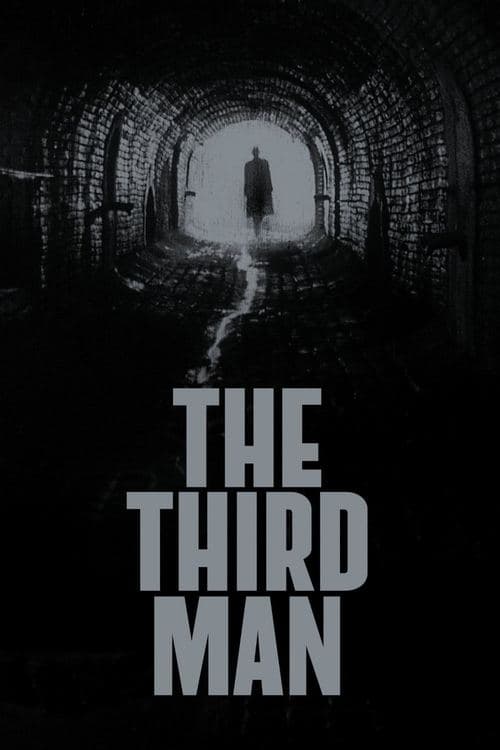
An American pulp novelist arrives in postwar Vienna to meet his friend Harry Lime, only to find him recently dead — and then discovers Harry may not be dead at all. Reed's film uses Vienna's ruins as a moral landscape and produces one of cinema's greatest villains.
The Third Man
Carol Reed · 1949
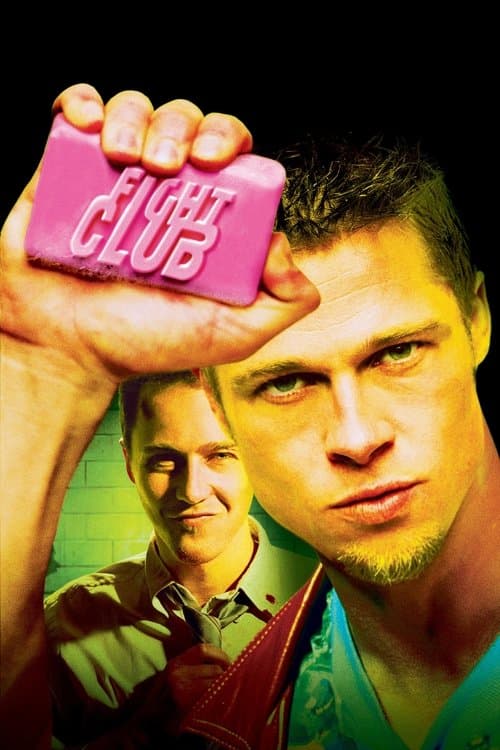
An insomniac office worker and a charismatic soap salesman form an underground fight club that evolves into something far more dangerous. A critique of consumer masculinity that implicates the viewer in its protagonist's pathology.
Fight Club
David Fincher · 1999
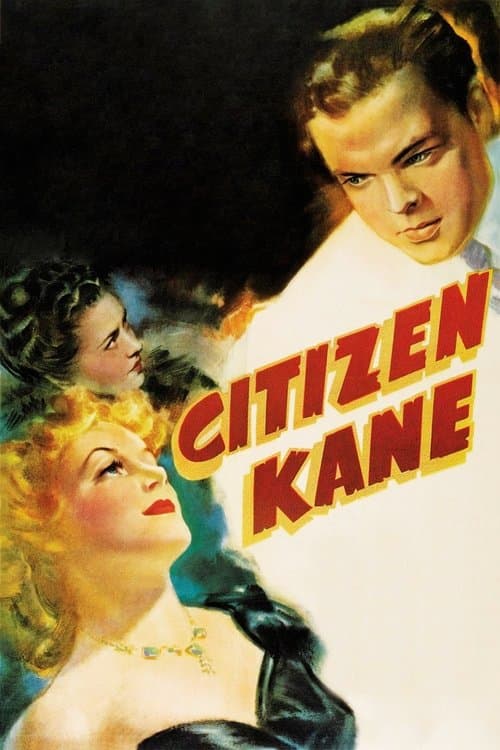
A reporter investigates the life of deceased media mogul Charles Foster Kane by interviewing those who knew him, assembling contradictory accounts that never fully explain the man. Widely considered the most technically influential film ever made.
Citizen Kane
Orson Welles · 1941