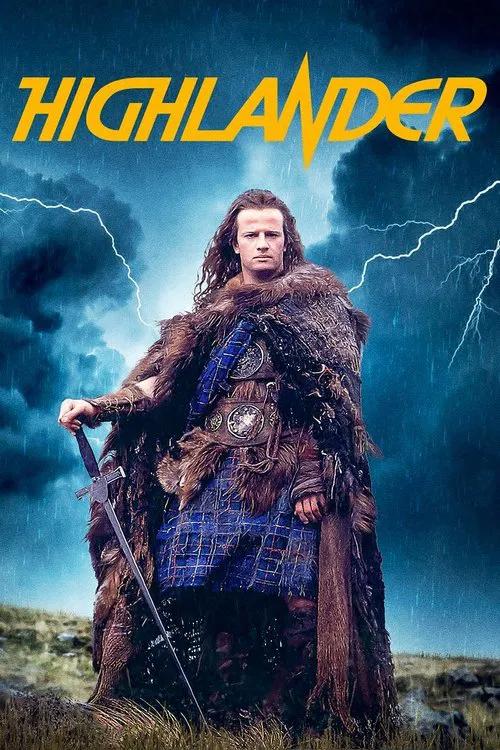
Connor MacLeod is an immortal born in the Scottish Highlands, one of a few warriors who can only die by beheading. In 1985 New York he faces the brutal Kurgan, while flashbacks show his past and his mentor Ramirez. Mulcahy came from music videos, so watch how light, smoke and transitions carry the story.
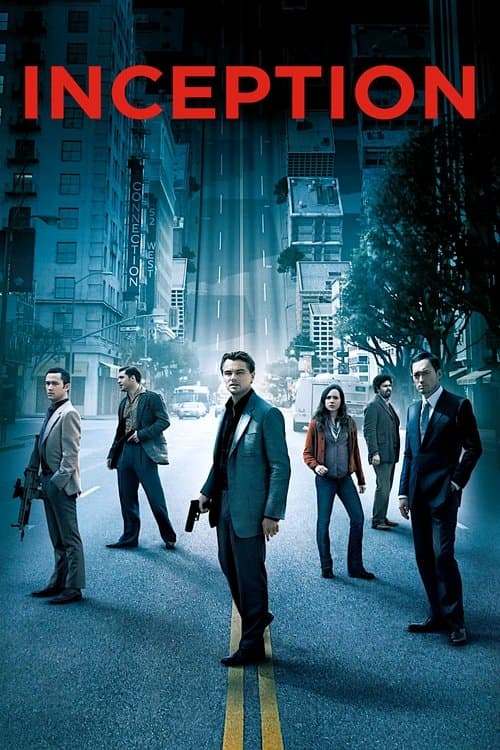
Highlander is a 1986 action, fantasy and adventure film directed by Russell Mulcahy. This breakdown covers 4 techniques (2 cinematography, 1 editing and 1 narrative), each with the scene where you can see it. If you like how it is made, Inception uses several of the same techniques.
Filling the set with smoke or fog so lights show up as visible beams and backgrounds go soft. The haze gives action a moody, stylized look.
How this film uses it
Mulcahy keeps the air busy. Reviews describe the fights as painted in strokes of light, smoke and color, with backlight cutting across the frame. You can see the light itself, which makes a story about immortal swordsmen feel larger than life and a little dreamlike.
Where to see it
The final duel with the Kurgan. Connor and the Kurgan fight inside a building, shot in silhouette against a wall of windows, with light bouncing off a flooded floor.
Moving between scenes with an inventive device, such as a blackout, seasonal change, sound bridge or imaginative link. The transition itself carries meaning or mood.
How this film uses it
Mulcahy links 1985 New York and the old Highlands with visual matches. He treats the cut as a trick of the eye, so the past always feels like it sits right under the present. For an immortal, that is exactly how time works.
Where to see it
The garage to Scotland shift. The camera rises through the parking garage, and the horizontal line of the ceiling turns into the plains of Scotland.
Cutting back and forth between 2 timelines, often past and present. Each one helps explain the other as the film goes on.
How this film uses it
The 1985 story of police, the Kurgan and Connor's secret is cut against his life centuries earlier. You learn why he is alone, and each timeline explains the other. By the end, the old losses make the modern fight matter.
Where to see it
Connor's Highlands flashbacks. He is banished from his clan, and later lives as a blacksmith with his wife Heather. Later he stays with Heather until she dies of old age, and you feel what immortality costs.
Creating effects physically on set with makeup, prosthetics, built props and camera tricks, with no computer graphics added later. The results look solid and real.
How this film uses it
Sword fights needed to look dangerous, with little computer graphics available at the time. Mulcahy has said the actors wore car batteries strapped to their legs, wired so sparks fly when blades hit. The tricks keep the clashes loud, bright and physical.
Where to see it
The parking garage duel. Connor fights Iman Fasil, beheads him and absorbs his energy, as lightning blows out the garage windows and car headlights.
Questions
Highlander: quick answers
What filmmaking techniques does Highlander use?
CineCode breaks down 4 techniques in Highlander (1986): Atmospheric Fog and Haze, Creative Scene Transition, Parallel Chronology and Practical In-Camera Effects.
Who directed Highlander?
Russell Mulcahy directed Highlander, released in 1986.
What films are similar to Highlander?
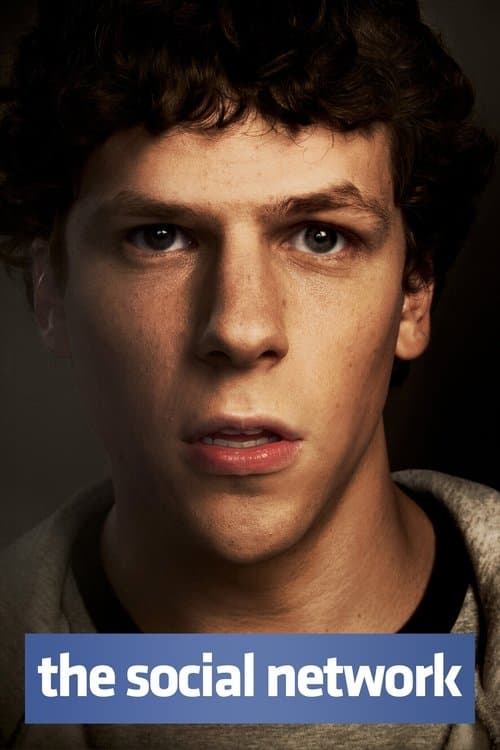
Films that share techniques with Highlander include Inception (2010), Eternal Sunshine of the Spotless Mind (2004), The Godfather Part II (1974), The Social Network (2010).
Is there a video breakdown of Highlander?
Yes. There is a short video breakdown of Highlander on the CineCode YouTube channel, embedded on this page.