Narrative technique · used in 22 films

Parallel Chronology

Cutting back and forth between 2 timelines, often past and present. Each one helps explain the other as the film goes on.

Examples

22 films that use it

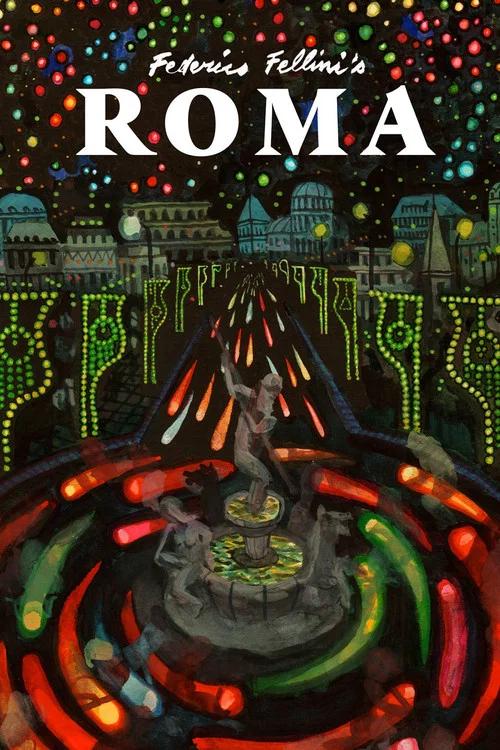
  1. Fellini's Roma (1972) poster

    Fellini's Roma

    Federico Fellini · 1972

    The film alternates between the young Fellini's journey to Rome and a film crew making a movie about the city decades later. Each period helps explain the other.

    Where to see it: The two Romes: scenes of a young man's first boarding house are cut against the crew's 1970s shoot.
  2. The Godfather Part II (1974) poster

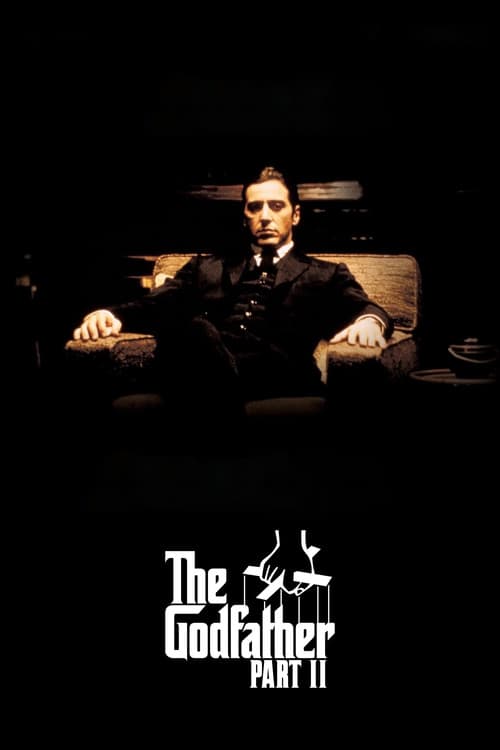
    The Godfather Part II

    Francis Ford Coppola · 1974

    Coppola weaves young Vito's rise through the Italian immigrant community in the 1910s together with Michael tightening his grip on power in the 1950s. The 2 stories never share a scene. Still, every cut between them makes a point about heredity, corruption and the American myth.

    Where to see it: Young Vito's first act of violence and Michael's Senate testimony. The film cuts between the 2.

  3. The Terminator (1984) poster

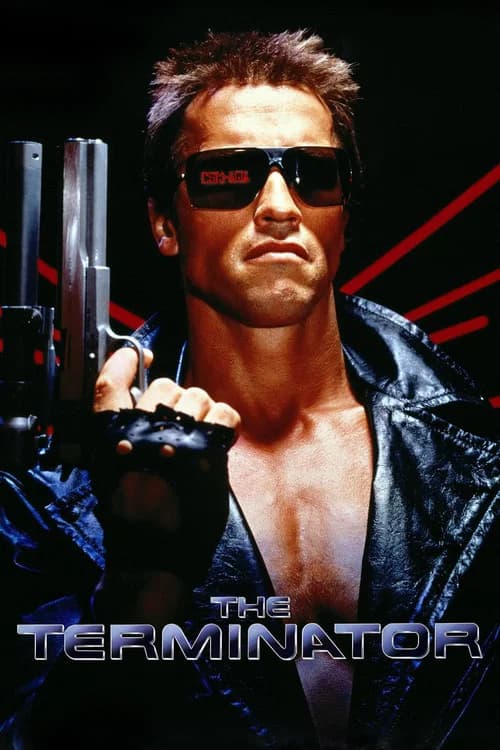
    The Terminator

    James Cameron · 1984

    Cameron builds a time paradox. The Terminator is sent from a future that Sarah's son creates, and Kyle Reese is the father of the son who sends him back. That is, the film's timeline is a loop where every cause is also its own effect.

    Where to see it: Kyle explaining to Sarah the future her son has created. You have to hold 2 timelines in your head at once. The paradox of his mission is the logic the whole film is built on.

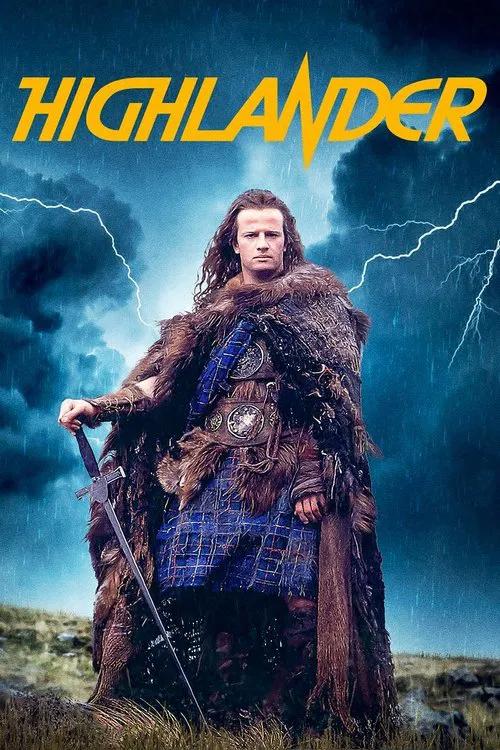
  4. Highlander (1986) poster

    Highlander

    Russell Mulcahy · 1986

    The 1985 story of police, the Kurgan and Connor's secret is cut against his life centuries earlier. You learn why he is alone, and each timeline explains the other. By the end, the old losses make the modern fight matter.

    Where to see it: Connor's Highlands flashbacks. He is banished from his clan, and later lives as a blacksmith with his wife Heather. Later he stays with Heather until she dies of old age, and you feel what immortality costs.

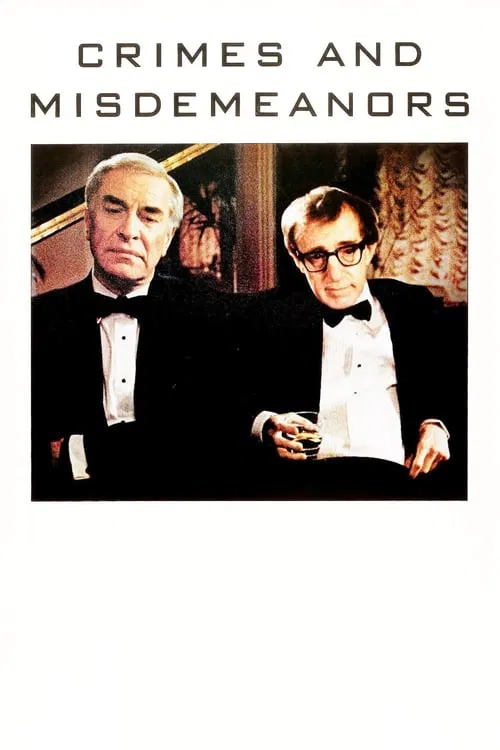
  5. Crimes and Misdemeanors (1989) poster

    Crimes and Misdemeanors

    Woody Allen · 1989

    Allen runs 2 completely different films at the same time, Judah's moral thriller and Clifford's romantic comedy. He never lets them connect until the final scene. The contrast between the 2 tones is how the film shows that the universe treats different kinds of failure very differently.

    Where to see it: The cut between Judah's murder plot and Clifford's hapless documentary work. The same film holds both without resolving them. The gap in tone between them is the subject.

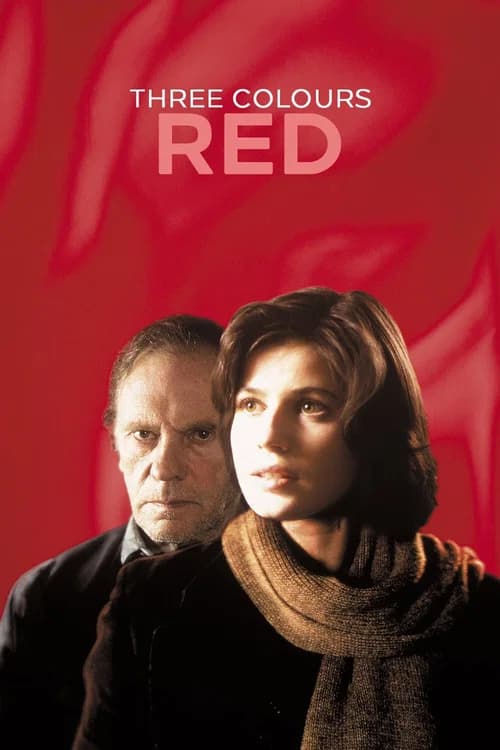
  6. Three Colors: Red (1994) poster

    Three Colors: Red

    Krzysztof Kieślowski · 1994

    The retired judge's past and the young judge's present run side by side, and nobody in the film points it out. They share the same situations, the same betrayals and the same emotional ground. The film suggests that human experience repeats across generations in patterns neither generation can see.

    Where to see it: The young judge repeating the choices the retired judge made early in life. You can see the parallel from the audience. The characters living inside it can't.

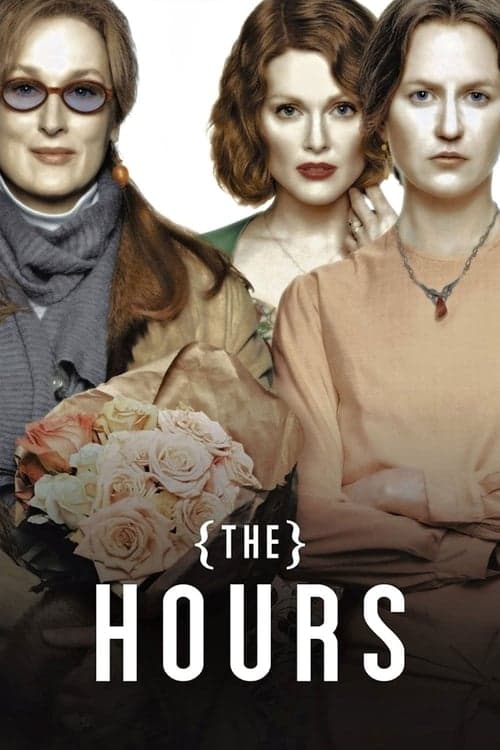
  7. The Hours (2002) poster

    The Hours

    Stephen Daldry · 2002

    Daldry and editor Peter Boyle cut between 1923, 1951 and 2001. The rhythm follows the emotions first and the plot second. A sound, a gesture or a state of mind is enough to jump across decades.

    Where to see it: The editing between the 3 women in the morning. They wake, get ready for the day and face the same basic question of whether to go on living.

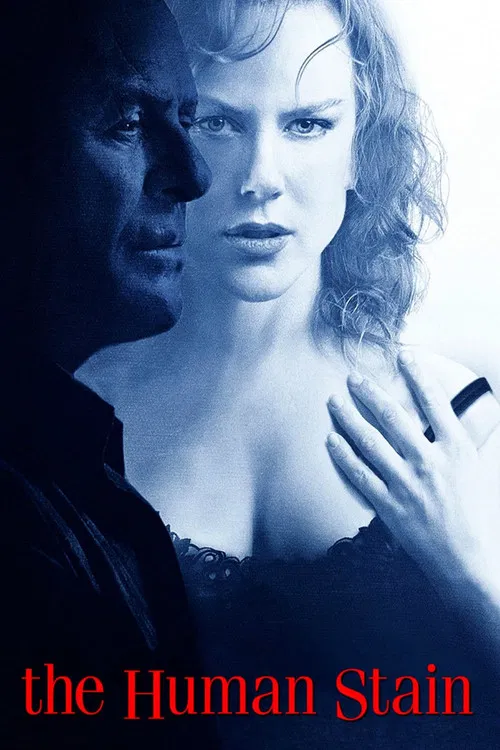
  8. The Human Stain (2003) poster

    The Human Stain

    Robert Benton · 2003

    The film cuts from the late 1990s to Coleman's youth to explain the present. The past arrives in pieces, so you learn his secret bit by bit.

    Where to see it: Coleman's flashbacks: Scenes from the young Coleman's life interrupt the late 1990s story of his affair with Faunia Farley and explain what he is hiding.

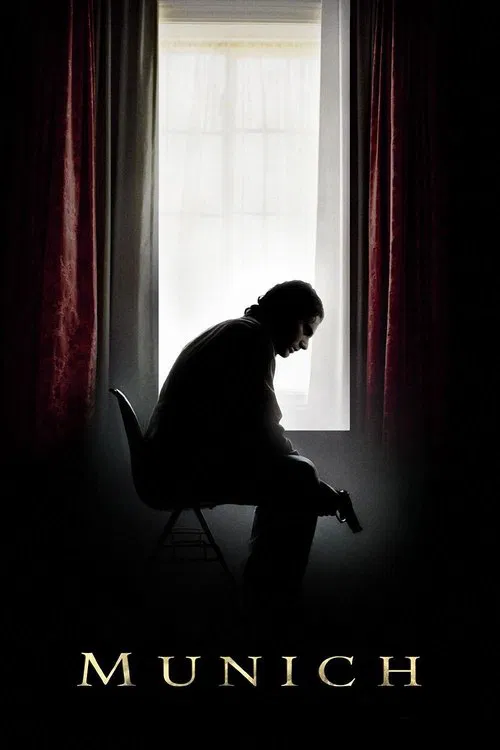
  9. Munich (2005) poster

    Munich

    Steven Spielberg · 2005

    The film cuts back to the attack on the Israeli athletes as Avner's mission gets darker. The past keeps intruding on the present. You see the event that set everything off while he sees what it has turned him into.

    Where to see it: The final cutaway: Late in the film, scenes from the Munich killings are mixed into Avner's own private moment at home.

  10. A Good Year (2006) poster

    A Good Year

    Ridley Scott · 2006

    Scenes of young Max with his Uncle Henry are cut into the present. Scott used the flashbacks to put Henry on screen instead of only describing him, and he wanted them to pay off across the 3 acts. As Max walks the estate, he remembers playing chess and tennis there as a boy.

    Where to see it: The walk around the estate: Max explores the property and remembers the chess and tennis he played as a child.

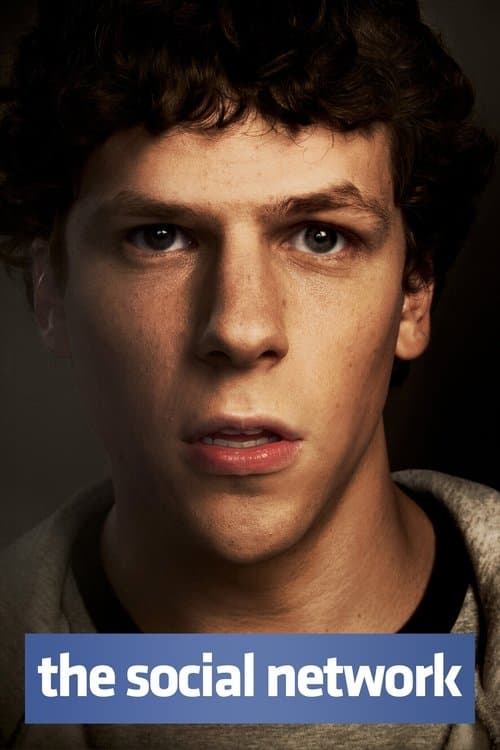
  11. The Social Network (2010) poster

    The Social Network

    David Fincher · 2010

    The Winklevoss lawsuit deposition and the Saverin lawsuit deposition run at the same time as each other and as the events they describe. Fincher cuts between 3 points in time: the Harvard past, the legal present of one suit and the legal present of the other. Because they run side by side, you see the same events from several legal sides and several moments.

    Where to see it: The cuts between a deposition room and the Harvard past. The Winklevosses are questioned in a conference room while the film shows the events they describe. The 2 timelines argue about who was wronged.

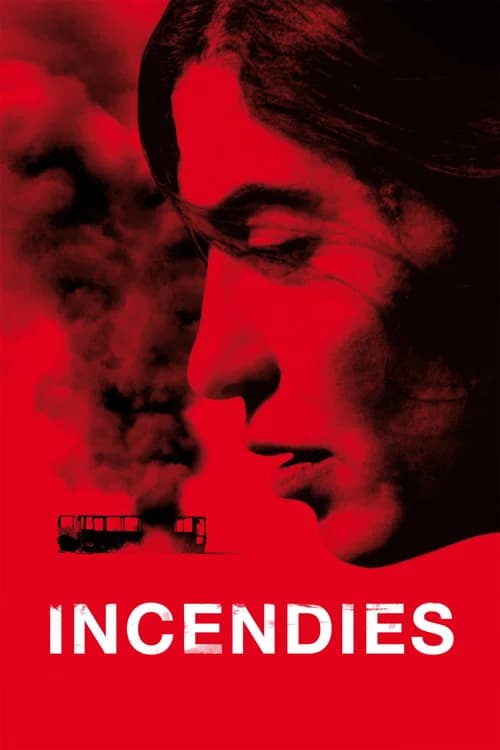
  12. Incendies (2010) poster

    Incendies

    Denis Villeneuve · 2010

    Villeneuve cuts back and forth between the twins' present-day investigation and Nawal's past in the unnamed country. The 2 timelines move toward a revelation that you can only see once both are complete. Each timeline gives you information that makes the other one readable.

    Where to see it: Nawal's imprisonment at Kfar Ryat in the past timeline. You can't see why it matters until the twins' investigation in the present reaches Chamseddine and the identity of Abou Tarek.

  13. Blue Jasmine (2013) poster

    Blue Jasmine

    Woody Allen · 2013

    The film moves between San Francisco now and Jasmine's wealthy life in New York. The flashbacks reveal how Hal's fraud ended things, how Ginger and Augie lost their money and how Jasmine finally turned Hal in. The past explains why she acts the way she does today.

    Where to see it: The flashbacks. Jasmine remembers the arrest of her husband and the family's collapse while she tries to start over.

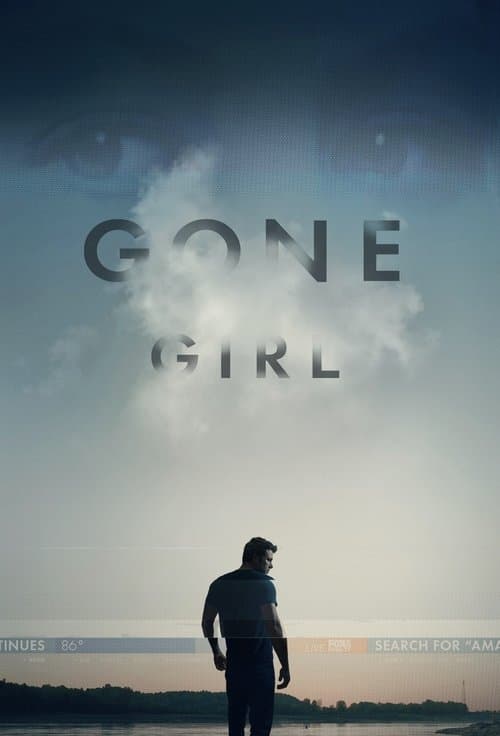
  14. Gone Girl (2014) poster

    Gone Girl

    David Fincher · 2014

    Fincher cuts between Amy's diary of the past and Nick's investigation in the present. The rhythm of the cutting controls what you know and when you know it. The 2 timelines make the film's point. Nick and Amy have always been living in different versions of their marriage. When the timelines finally meet, the result is a catastrophe.

    Where to see it: The intercutting between Amy's diary entries and Nick's police interrogations. Past and present each reveal what the other hides. The parallel structure builds until both of them are exposed.

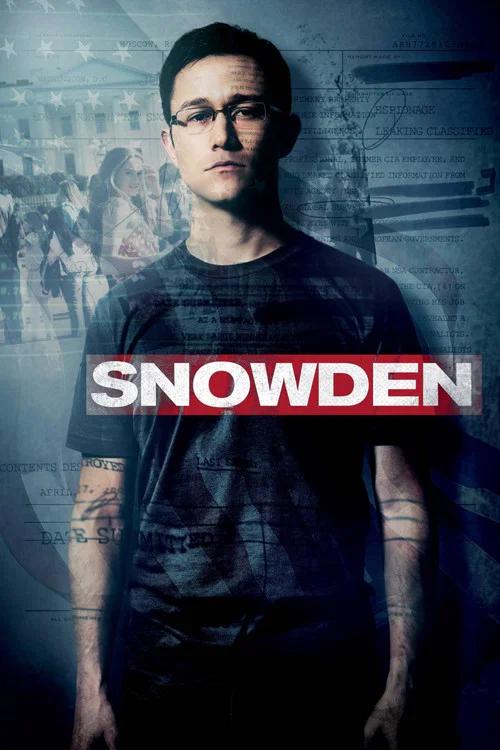
  15. Snowden (2016) poster

    Snowden

    Oliver Stone · 2016

    The film starts in a Hong Kong hotel in 2013, where Snowden meets two journalists. It then cuts back to his army training in 2004 and moves forward until the two timelines meet. The reporters' questions give you a reason to look at each stage of his career.

    Where to see it: The hotel meeting. Snowden meets Laura Poitras and Glenn Greenwald in Hong Kong, and the film then jumps back to his days in basic training.

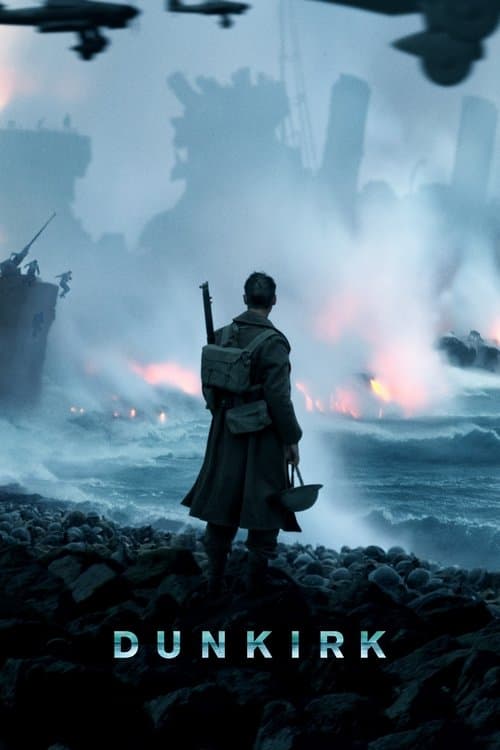
  16. Dunkirk (2017) poster

    Dunkirk

    Christopher Nolan · 2017

    The 3 timelines (1 week on the beach, 1 day at sea, 1 hour in the air) are cut together as though they happen at the same time. Nevertheless, each covers a very different stretch of time, and they only line up in the final act.

    Where to see it: The moment all 3 timelines meet at the burning oil. The Spitfire, the Dawson boat and the soldiers Tommy and Alex are all at the same event, each seeing it from a different angle.

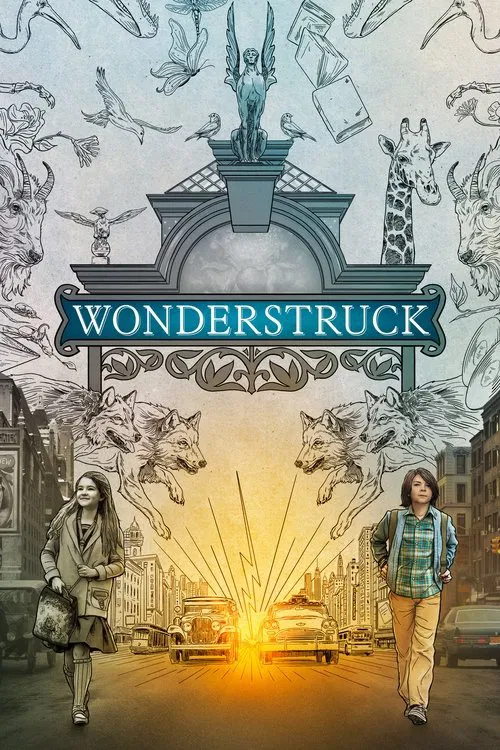
  17. Wonderstruck (2017) poster

    Wonderstruck

    Todd Haynes · 2017

    The film cuts between Rose in 1927 and Ben in 1977, each searching for a missing parent. The two timelines answer each other as the film goes on. You wait for the point where they connect.

    Where to see it: The cross-cutting. Rose runs away from her father's New Jersey home and Ben runs away from his Minnesota home.

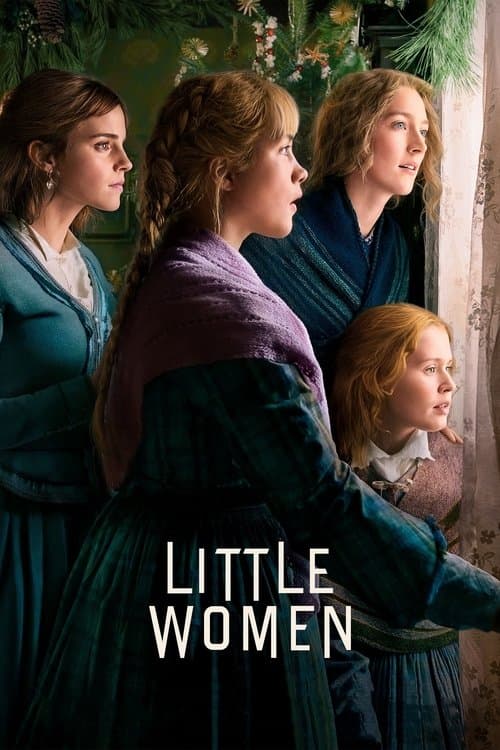
  18. Little Women (2019) poster

    Little Women

    Greta Gerwig · 2019

    Gerwig cuts freely between the sisters' girlhood and their adult lives, with no title cards to tell you when you are. The color of the light keeps you oriented: warm amber for the past and cool blue-grey for the present. The cuts themselves follow the emotion of the scenes.

    Where to see it: Jo in her New York garret in the cold present, intercut with the warmth of a childhood Christmas. The contrast between the 2 timelines is how the film gets at grief and memory.

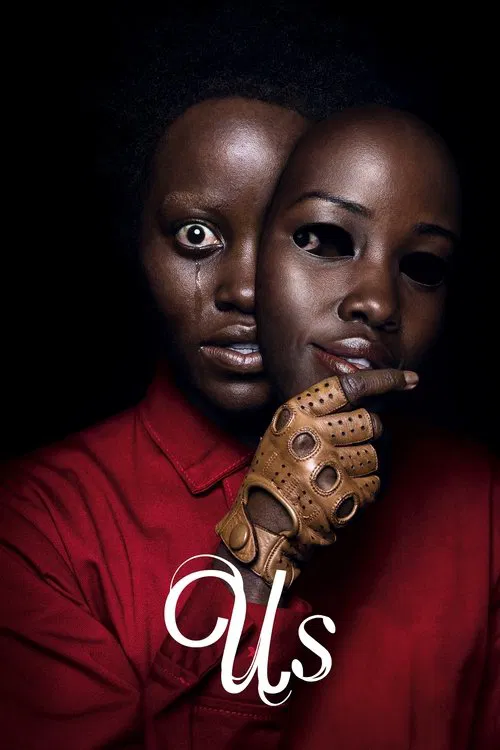
  19. Us (2019) poster

    Us

    Jordan Peele · 2019

    Peele cuts the final fight between Adelaide and Red against a flashback of the 2 girls dancing ballet as children, one above ground and one below. Their moves match each other. The cutting tells you they were always bound together.

    Where to see it: The underground fight. Adelaide and Red fight in the tunnels while the film cuts to their childhood dance recital.

  20. Sibyl (2019) poster

    Sibyl

    Justine Triet · 2019

    Flashbacks to Sibyl's past relationships are cut into the present. Margot's stories about Igor bring those memories up, and the past helps explain the present.

    Where to see it: Sibyl's past: Margot's descriptions of Igor trigger flashbacks to Sibyl's earlier relationships, including heavy drinking.

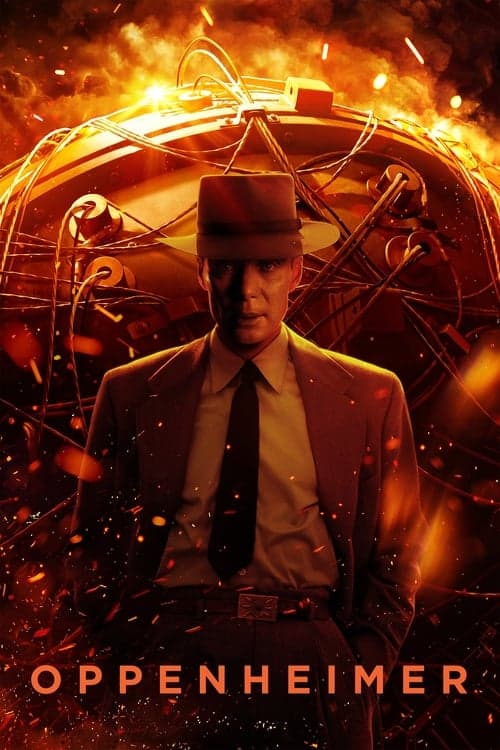
  21. Oppenheimer (2023) poster

    Oppenheimer

    Christopher Nolan · 2023

    The 1954 security hearing and the 1959 Senate confirmation play side by side. Nolan cuts between them to show that Strauss's persecution of Oppenheimer is a very old grudge and also a crime happening in the present.

    Where to see it: The final revelation that Strauss misread Oppenheimer's conversation with Einstein. Past and present collapse into a single terrible misunderstanding.

  22. Challengers (2024) poster

    Challengers

    Luca Guadagnino · 2024

    The film keeps cutting between the 2019 final and the 13 years that led to it. Each flashback explains a look or a gesture you just saw on court. By the last point, every rally carries all of their history.

    Where to see it: The Challenger final in New Rochelle. As Art and Patrick trade points, the film cuts back to their junior days, Tashi's knee injury at Stanford and the affairs that broke the trio apart.

Questions

Quick answers

What is parallel chronology in film?
Cutting back and forth between 2 timelines, often past and present. Each one helps explain the other as the film goes on.
Which films use parallel chronology?
Fellini's Roma (1972), The Godfather Part II (1974), The Terminator (1984), Highlander (1986), Crimes and Misdemeanors (1989), Three Colors: Red (1994) and 16 more films in the CineCode library.
What kind of technique is parallel chronology?
It is a narrative technique. Related narrative techniques include Moral Complexity Without Villains, Retroactive Reframing Revelation, Non-Linear Narrative.