Crime · Drama · Mystery

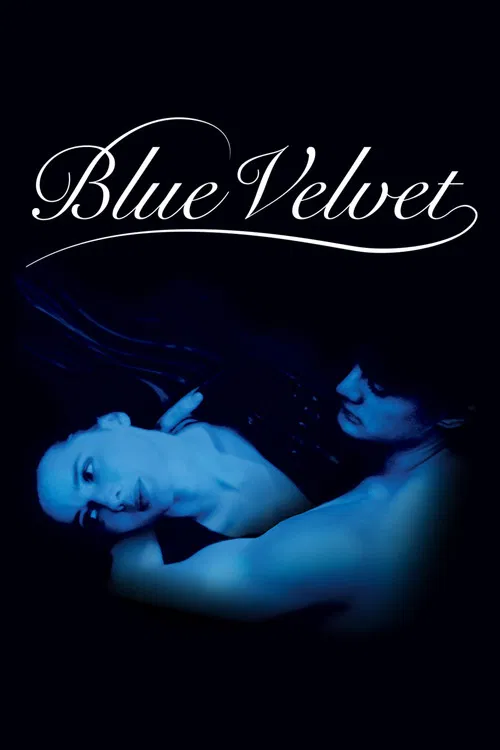
Blue Velvet

David Lynch, 1986

A college student finds a severed ear in a field near his suburban hometown. He follows the clue into a hidden world of violence, perversion and terror under the surface of ordinary American life. This is Lynch's breakthrough film, and it sets the terms for his entire career.

Blue Velvet (1986) poster

At a glance

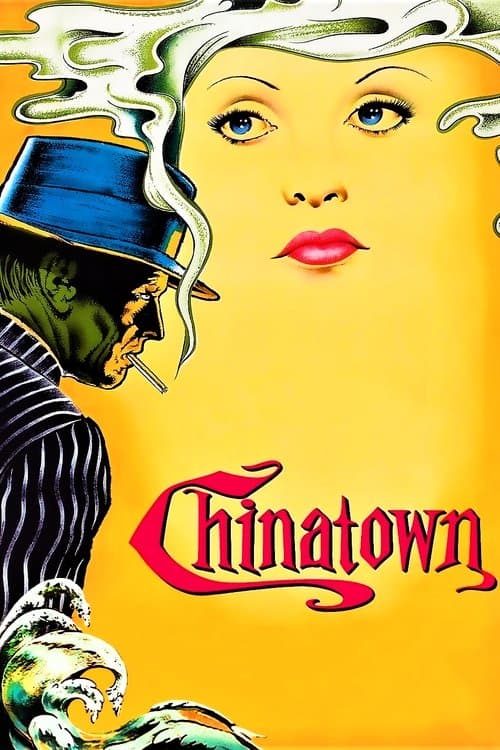
Blue Velvet is a 1986 crime, drama and mystery film directed by David Lynch. This breakdown covers 4 techniques (3 cinematography and 1 narrative), each with the scene where you can see it. If you like how it is made, Chinatown uses several of the same techniques.

Video breakdown

More on YouTube ↗

Cinematography

Small Town as Moral Geography

Treating a small town as more than a setting. Its buildings, lighting and relationships show the community's values and limits, which shape what the characters can do and what gets destroyed.

How this film uses it

Lumberton, North Carolina is introduced with images of pure suburban innocence: flowers, white picket fences, children crossing with crossing guards. Lynch holds on these images until they turn eerie. They look too perfect and too arranged. The way the town looks is the film's main claim. That is, the American suburb is a surface, and its job is to hide things.

Where to see it

The opening sequence. The red roses, the white fence and the fireman's slow wave are held in their perfection until it tips into something wrong.
Narrative

Dream Logic Structure

Arranging scenes the way a dream moves, where one image leads to the next by feeling or association. Events don't follow normal cause and effect.

How this film uses it

In the second half of the film, Jeffrey gets more deeply involved with Frank and Dorothy, and it runs on nightmare logic. Frank is menacing the way a figure in a dream is. You can't explain him, he takes over everything and he follows rules the dreamer can't see. In these sequences, Lynch's images deny you the comfort of normal cause and effect.

Where to see it

Frank's joyride. It's a non-linear sequence with the songs, the violence and the strange figures in the bright light. Dream logic takes the place of any normal story explanation.

Cinematography

Chiaroscuro Lighting

Lighting a scene with strong contrast between bright light and deep shadow, a style borrowed from old paintings called chiaroscuro. How lit a character is hints at their moral or mental state.

How this film uses it

Frederick Elmes photographs the film's underworld (Dorothy's apartment, the Slow Club where she sings) in deep shadow broken up by violent color: red curtains, yellow light, the blue of the velvet itself. Lumberton's daylight is overexposed, meaning washed out and too bright. The contrast between them is how the film makes its case in images. The underworld belongs to the suburb. It is what the suburb's brightness is there to keep out of view.

Where to see it

Dorothy's apartment. With the red curtains, the single lamp and the deep shadow, the space feels like the inside of something the daylight world won't admit exists.

Cinematography

Voyeuristic Implication

Placing the camera like a hidden watcher, looking through peepholes, around corners and from concealed spots. You become part of the spying, which makes watching feel morally uneasy.

How this film uses it

Jeffrey hides in Dorothy's closet and watches something he should not see, and the film puts the camera in there with him. You are inside the closet. Lynch refuses to spare you by cutting away. You are part of the watching, and the film knows it. Jeffrey gets drawn in afterward, and that is partly the film telling you that watching is never neutral.

Where to see it

The closet sequence. The camera is with Jeffrey behind the slats, and you take the peeping tom's position. You have to share in the watching before you can understand anything.

Questions

Blue Velvet: quick answers

What filmmaking techniques does Blue Velvet use?
CineCode breaks down 4 techniques in Blue Velvet (1986): Small Town as Moral Geography, Dream Logic Structure, Chiaroscuro Lighting and Voyeuristic Implication.
Who directed Blue Velvet?
David Lynch directed Blue Velvet, released in 1986. CineCode also covers Eraserhead (1977), The Elephant Man (1980), Dune (1984), Wild at Heart (1990), Twin Peaks: Fire Walk with Me (1992), Lost Highway (1997).
What films are similar to Blue Velvet?
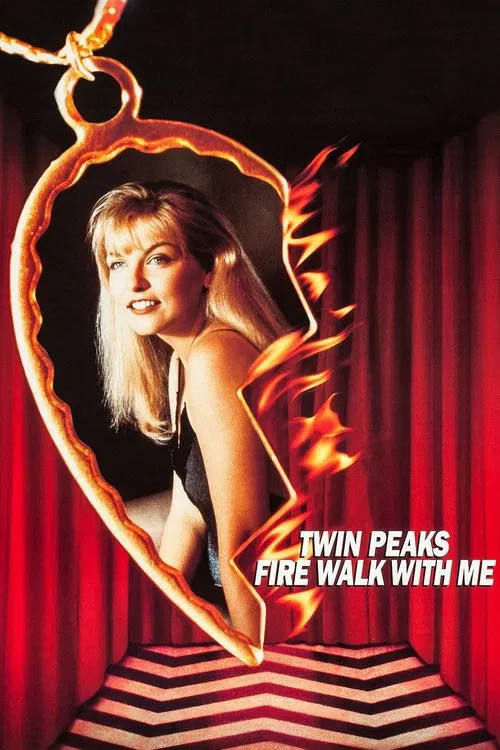
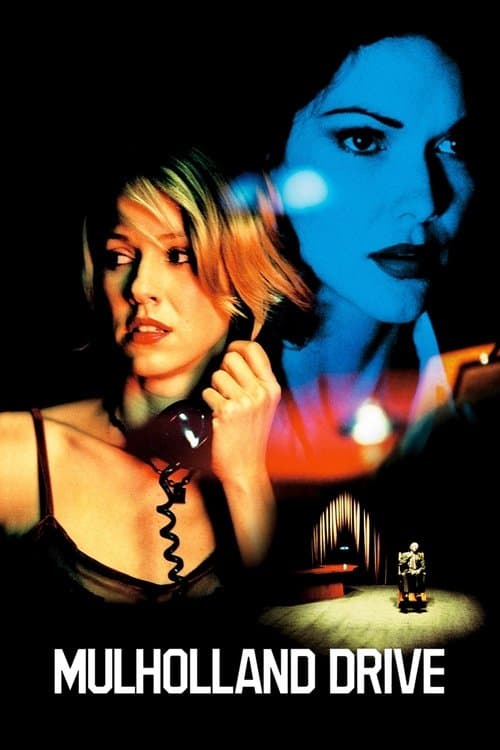
Films that share techniques with Blue Velvet include Chinatown (1974), Notorious (1946), Twin Peaks: Fire Walk with Me (1992), Mulholland Drive (2001).
Is there a video breakdown of Blue Velvet?
Yes. There is a short video breakdown of Blue Velvet on the CineCode YouTube channel, embedded on this page.