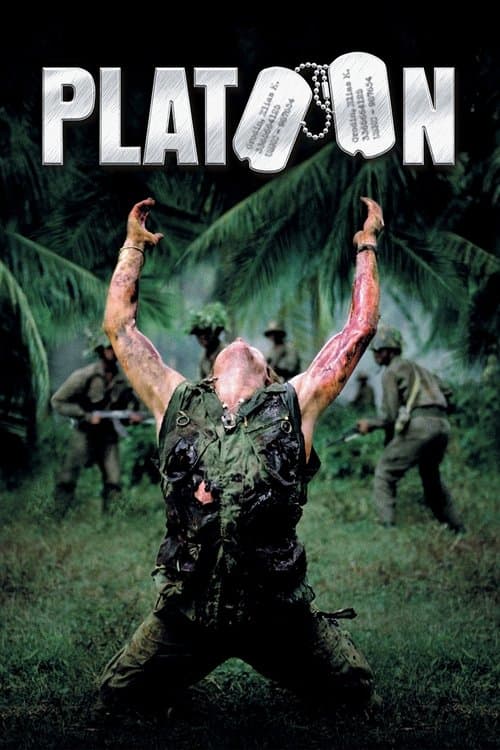
Platoon
Oliver Stone · 1986
A young college dropout volunteers for Vietnam and finds himself caught between two sergeants — one brutal and one principled — as his illusions about war dissolve. Oliver Stone's autobiographical combat film is the defining American moral reckoning with Vietnam.
Techniques Used
4 techniques identified in this film
Handheld Documentary Texture
CinematographyA shooting approach that replicates the look of combat documentary footage, using erratic handheld movement and imperfect framing to simulate the chaos of real conflict.
How this film uses it
Robert Richardson's photography gives the jungle sequences the sweating, disoriented quality of a camera trying to keep up with real events — a deliberate departure from the clean compositions of classic war films.
Dueling Mentor Ideologies
NarrativeA structure in which a protagonist is positioned between two opposing mentor figures who represent conflicting worldviews, forcing the protagonist to choose between them.
How this film uses it
Sergeant Elias and Sergeant Barnes literalize the film's moral split — one represents humanity preserved under fire, the other the dehumanizing logic of survival at any cost.
Perpetrator Perspective
NarrativeA narrative choice to follow the characters committing atrocity rather than those suffering it, forcing the audience into complicity with acts they might otherwise judge from safety.
How this film uses it
Stone locates the audience inside the platoon during the My Lai-equivalent village massacre — we see the killing from the soldiers' perspectives, implicating us in Barnes' command.
Strategic Silence
SoundThe purposeful removal of music or ambient sound to make a moment feel raw and unmediated.
How this film uses it
Stone strips music from the most violent sequences, leaving only the sounds of the jungle and combat — making Barber's Adagio for Strings, when it finally arrives, a devastating contrast.
You Might Also Like
Films that share at least one technique with Platoon
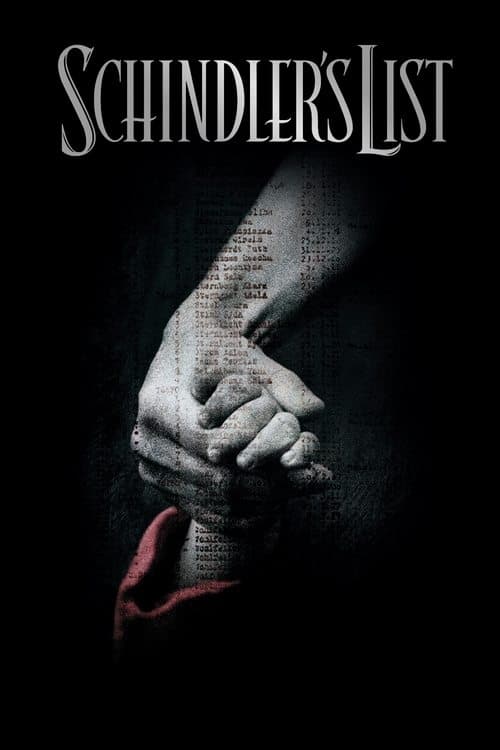
A German industrialist uses Jewish slave labor to run his factory during the Holocaust, then risks everything to save as many lives as possible. Shot in near-total black and white, the film is cinema's most sustained act of bearing witness to atrocity.
Schindler's List
Steven Spielberg · 1993
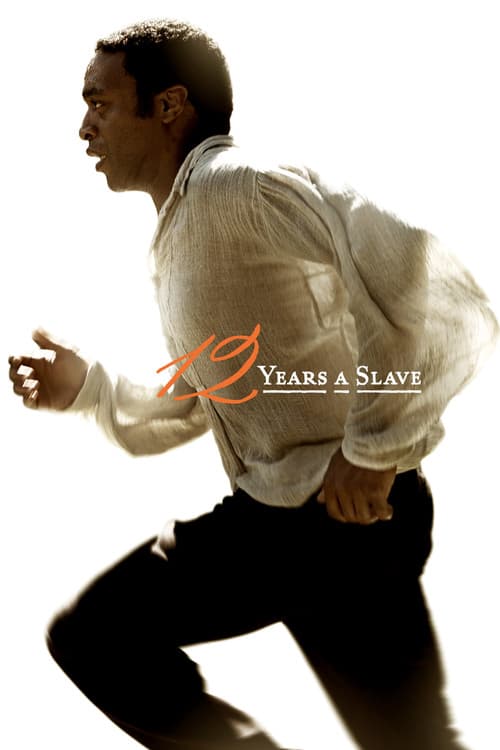
Solomon Northup, a free Black man from New York, is kidnapped and sold into slavery in Louisiana, where he spends twelve years surviving the systematic brutality of the antebellum South before being rescued. Steve McQueen's film refuses every convention of historical suffering — it looks without flinching and does not offer the comfort of resolution.
12 Years a Slave
Steve McQueen · 2013
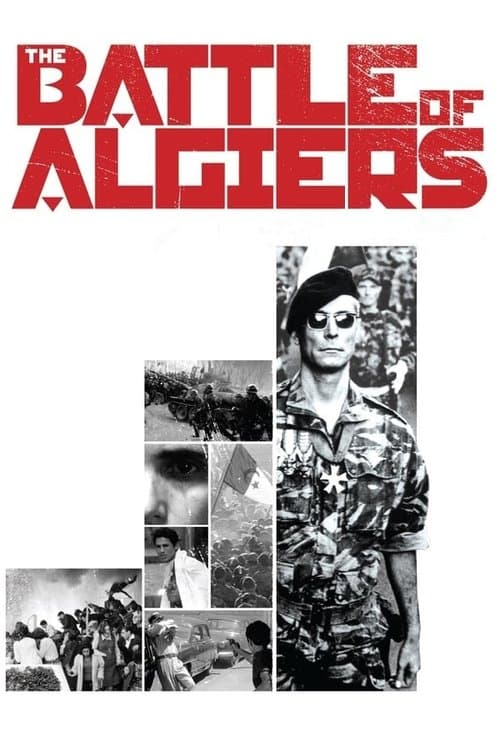
The Algerian National Liberation Front wages an urban guerrilla campaign against French colonial rule in 1950s Algiers, documented with the impartiality of a film that refuses to assign guilt to either side of a colonial war. Pontecorvo's film was so realistic it had to include a disclaimer that no newsreel footage was used.
The Battle of Algiers
Gillo Pontecorvo · 1966