Animation · Adventure · Fantasy

Castle in the Sky

Hayao Miyazaki, 1986

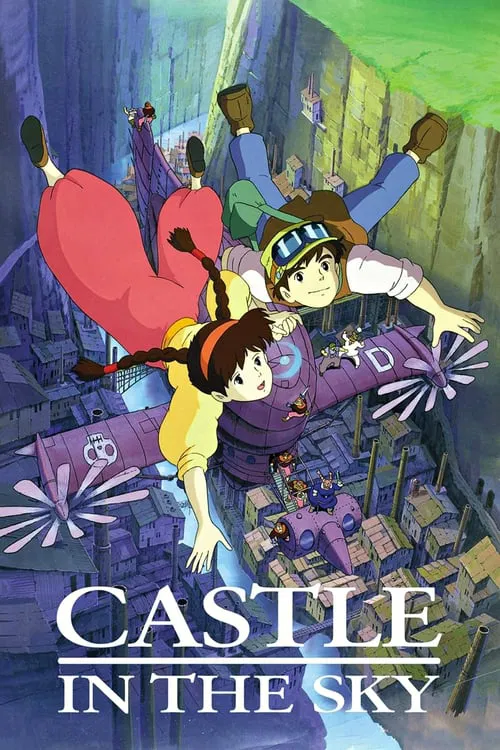
A girl with a glowing crystal necklace and a boy mechanic race air pirates and government agents to find Laputa, a legendary flying castle. Watch the hand-painted skies and the machines that look like imagined 19th-century inventions.

Castle in the Sky (1986) poster

At a glance

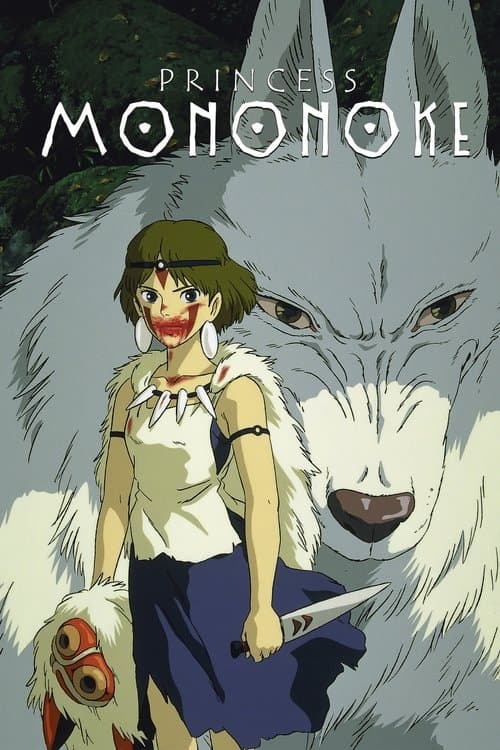
Castle in the Sky is a 1986 animation, adventure and fantasy film directed by Hayao Miyazaki. This breakdown covers 5 techniques (2 cinematography, 2 narrative and 1 psychology), each with the scene where you can see it. If you like how it is made, Princess Mononoke uses several of the same techniques.

Cinematography

Hand-Painted Environmental Scale

Painting backgrounds by hand with exceptional detail and scale. The settings feel real in texture and fantastical in presence, and they look both beautiful and irreplaceable.

How this film uses it

The backgrounds were painted by two art directors in watercolor or other paint on paper, which was unusual for the industry. The mining town and the castle in the clouds both have a handmade depth. They feel big because someone painted every inch.

Where to see it

The mining town: Pazu shows Sheeta his home and a photograph of Laputa.
Narrative

Ecological Animism

Treating nature as alive and aware, with its own will, hierarchy and sacred status. Animals and spirits respond to people, which argues that the natural world has value of its own.

How this film uses it

Laputa is mostly deserted, but a peaceful robot looks after its gardens, and a giant tree rises from the ruins. The film treats nature as the thing that survives human ambition. In the end, the tree shelters Sheeta and Pazu.

Where to see it

The collapse: as Laputa falls apart, the tree shields Sheeta and Pazu, and the surviving castle section rises into space.

Cinematography

Mechanical Creature and Machine Design

Designing machines and creatures from visible gears and older-looking parts, sometimes joined with living forms. The mix of old and new makes them feel both handmade and alive.

How this film uses it

The film's machines draw on 19th-century designs, and it is often cited as an early steampunk work. The air pirates' flying machines, animated with drybrush strokes to suggest fast-beating wings, are a good example. They feel old and futuristic at once.

Where to see it

The opening: Dola's air pirates attack the airship carrying Sheeta to seize her crystal necklace.

Narrative

Redefined Victory

Changing what counts as winning partway through the story, so the hero chases a smaller, personal goal. The ending can then feel like a triumph even when the hero loses.

How this film uses it

Everyone chases Laputa and its weapons, and Muska wants to use them to dominate the world. The heroes finish by reciting the spell of destruction. They win by giving the prize up.

Where to see it

The throne room: after a brief truce, Sheeta and Pazu recite the spell of destruction together, and Laputa collapses.

Psychology

Inherited Power as Burden

Giving a character a secret heritage that other people want to use. The gift puts them in danger and forces them to decide who they will be.

How this film uses it

Sheeta's crystal and secret name tie her to the throne of Laputa. The army and the pirates both want it. Muska tells her she is the heir, and she has to decide whether to help him.

Where to see it

Titus Fort: Muska shows Sheeta a deactivated robot with her crystal's insignia and tells her she is heir to the Laputan throne.

Questions

Castle in the Sky: quick answers

What filmmaking techniques does Castle in the Sky use?
CineCode breaks down 5 techniques in Castle in the Sky (1986): Hand-Painted Environmental Scale, Ecological Animism, Mechanical Creature and Machine Design, Redefined Victory and Inherited Power as Burden.
Who directed Castle in the Sky?
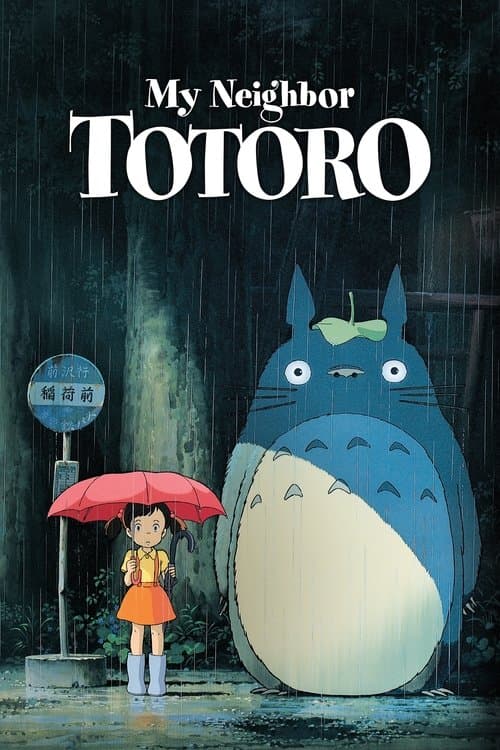
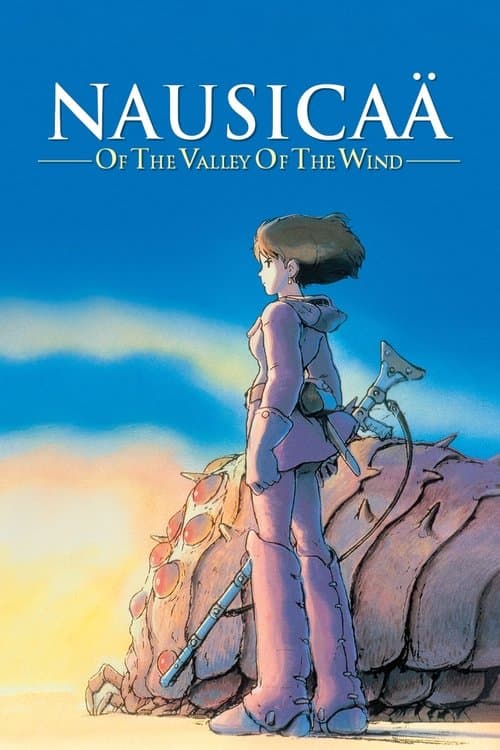
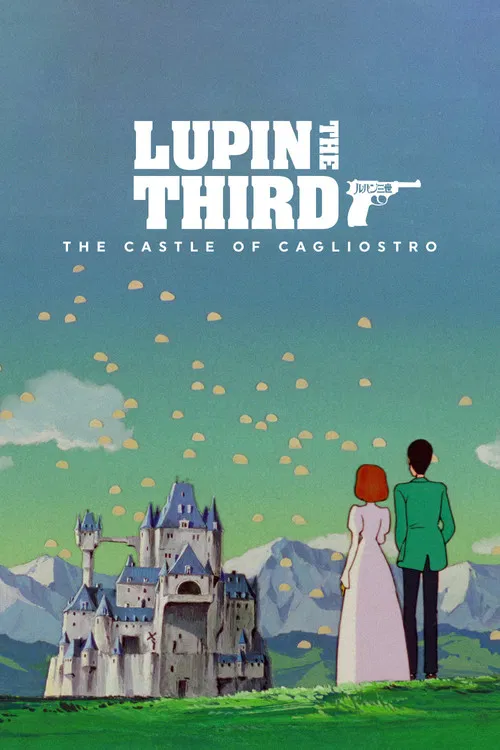
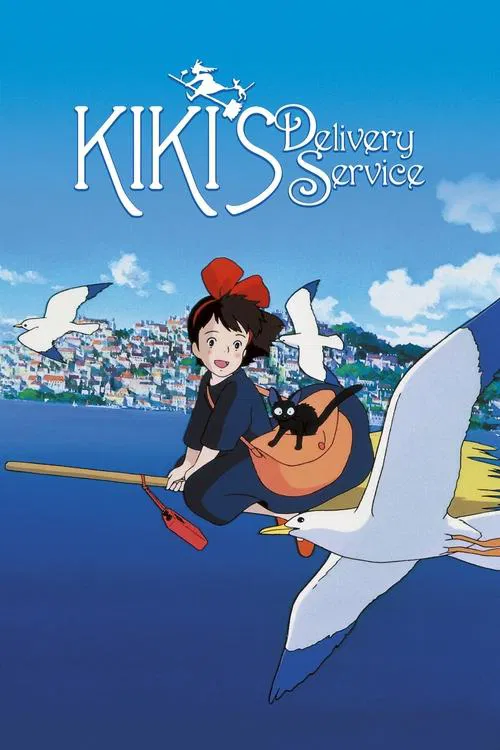
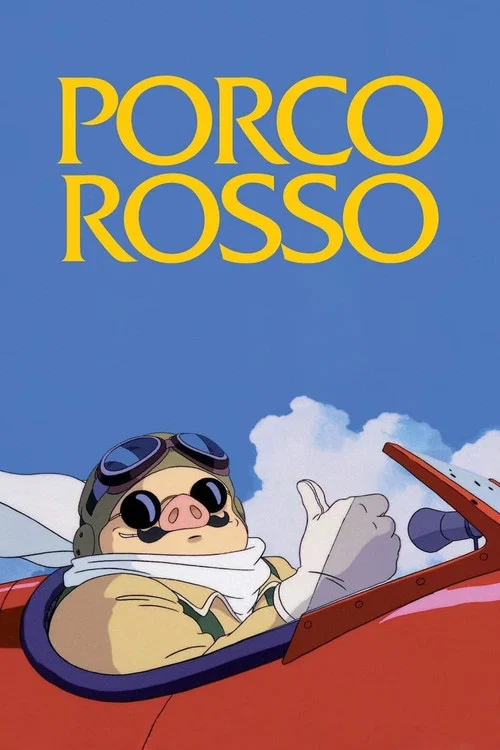
Hayao Miyazaki directed Castle in the Sky, released in 1986. CineCode also covers The Castle of Cagliostro (1979), Nausicaä of the Valley of the Wind (1984), My Neighbor Totoro (1988), Kiki's Delivery Service (1989), Porco Rosso (1992), Princess Mononoke (1997).
What films are similar to Castle in the Sky?
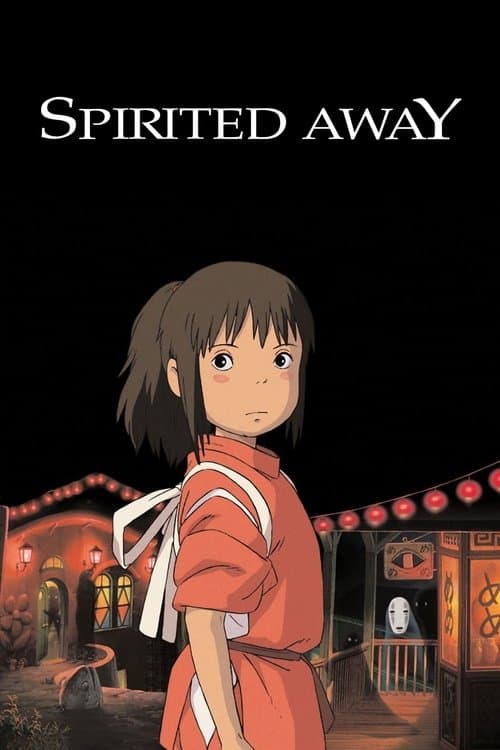
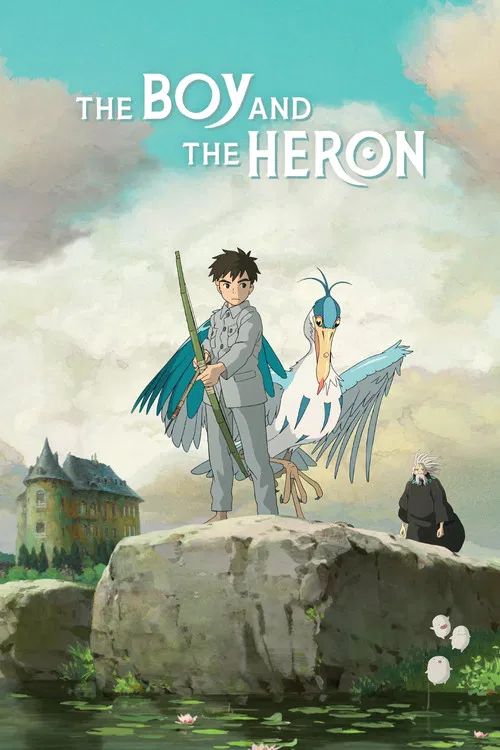
Films that share techniques with Castle in the Sky include Princess Mononoke (1997), Spirited Away (2001), My Neighbor Totoro (1988), The Boy and the Heron (2023).