Drama · Sport

The Color of Money

Martin Scorsese, 1986

Former pool hustler Eddie Felson spots a talented young player, Vincent, and takes him and his girlfriend Carmen on a hustling road trip to a tournament in Atlantic City. It is a sequel to The Hustler, and the film is worth watching for how Scorsese films a quiet game like a fight.

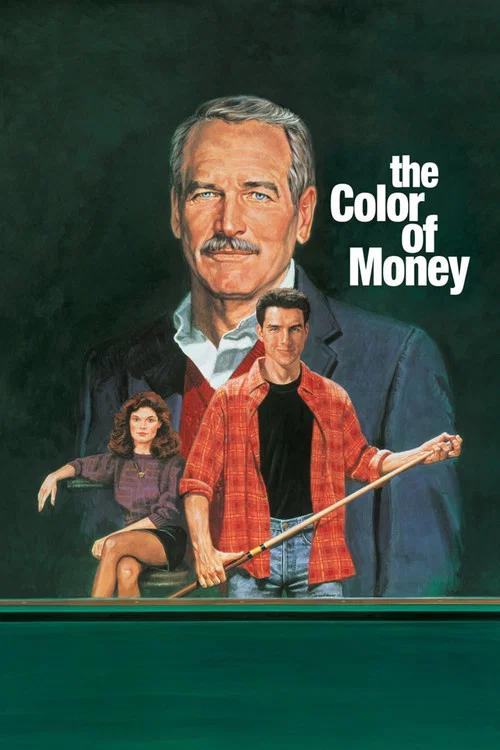
The Color of Money (1986) poster

At a glance

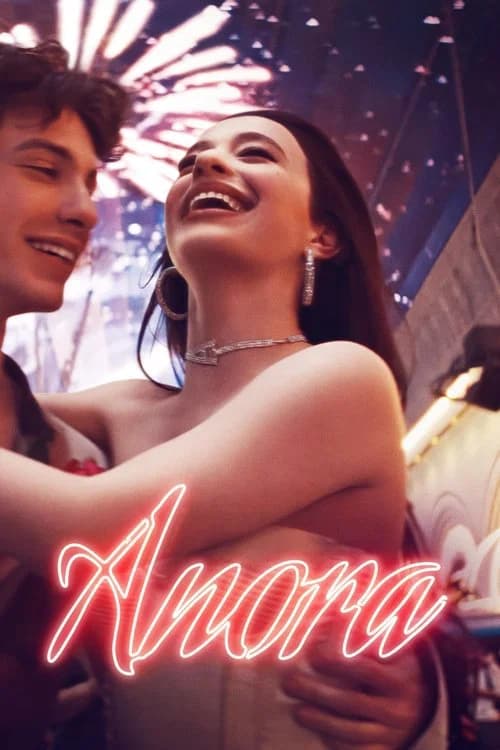
The Color of Money is a 1986 drama and sport film directed by Martin Scorsese. This breakdown covers 4 techniques (1 narrative, 2 cinematography and 1 editing), each with the scene where you can see it. If you like how it is made, Anora uses several of the same techniques.

Narrative

Redefined Victory

Changing what counts as winning partway through the story, so the hero chases a smaller, personal goal. The ending can then feel like a triumph even when the hero loses.

How this film uses it

Eddie starts out trying to cash in on Vincent. By the end he wants something else, to win a game for himself. He forfeits his semifinal and returns Vincent's money, so the prize is no longer the money.

Where to see it

Atlantic City: Eddie forfeits his semifinal, gives back Vincent's money and sets up a private match.
Cinematography

Extreme Close-Up Standoff

Filming a confrontation in extreme close-ups of faces, eyes and hands, often cutting between them. The tight framing builds tension before anything happens and makes the fight a mental one.

How this film uses it

Scorsese cited Black Narcissus as an influence on the extreme close-ups of Tom Cruise at the table. The tight shots make a pool game feel like a duel. You watch eyes and hands instead of the score.

Where to see it

The final match: Eddie faces Vincent in a private game, with shots like Eddie's reflection in the cue ball.

Cinematography

Working-Class Geography

Using specific working-class parts of a city, like its bars, docks and construction sites, to define the characters. The places show who they are expected to be and what leaving would cost.

How this film uses it

The film was shot in and around Chicago, largely in real pool halls. The rooms with their low light and smoke show what Eddie's world is and who he has to fool. The places carry the story.

Where to see it

The road trip: Eddie and Vincent work pool halls on a six-week trip to Atlantic City.

Editing

Kinetic Editing

Timing the cuts to the rhythm of the action or the music. The fast, precise editing gives a scene momentum you can almost feel physically.

How this film uses it

Editor Thelma Schoonmaker used close-ups of balls being struck and wider shots of the players. The cuts give each shot the force of a punch. You feel the tension of a game that mostly happens in silence.

Where to see it

The Atlantic City tournament: close shots of balls being struck cut against wider shots of Eddie and Vincent at the table.

Questions

The Color of Money: quick answers

What filmmaking techniques does The Color of Money use?
CineCode breaks down 4 techniques in The Color of Money (1986): Redefined Victory, Extreme Close-Up Standoff, Working-Class Geography and Kinetic Editing.
Who directed The Color of Money?
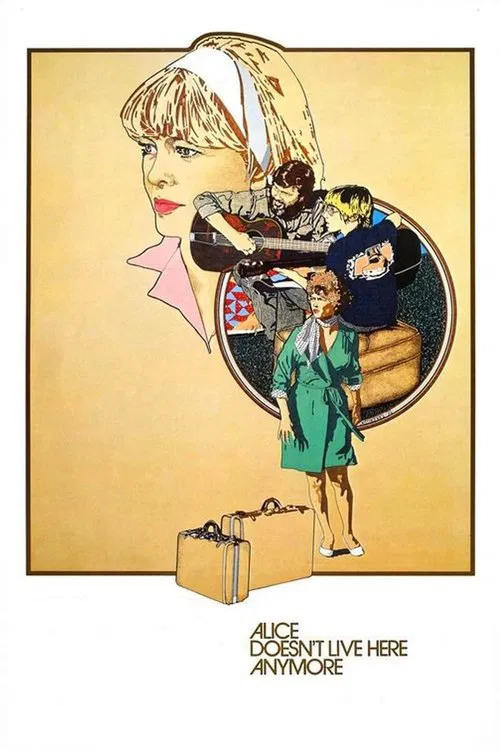
Martin Scorsese directed The Color of Money, released in 1986. CineCode also covers Mean Streets (1973), Alice Doesn't Live Here Anymore (1974), Taxi Driver (1976), New York, New York (1977), Raging Bull (1980), The King of Comedy (1982).
What films are similar to The Color of Money?
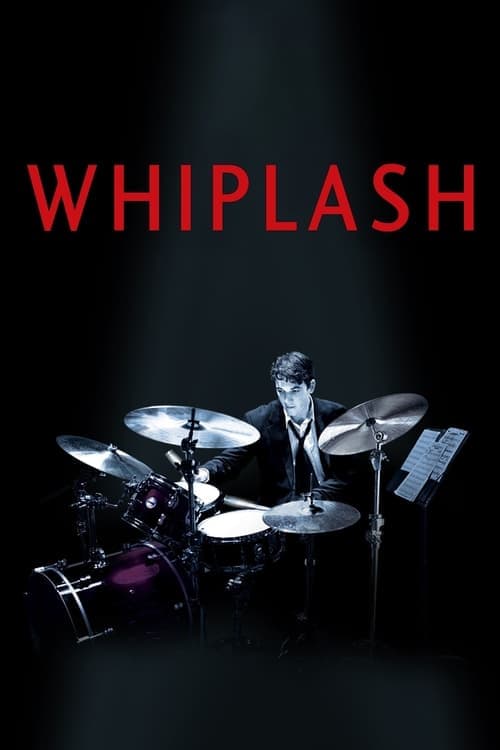
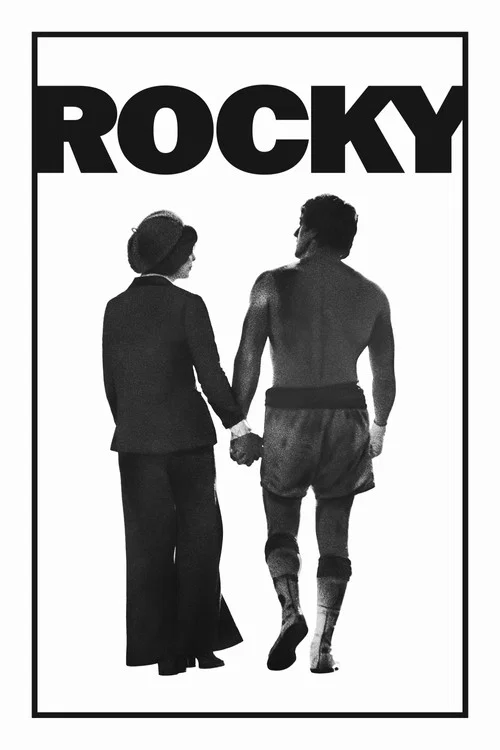
Films that share techniques with The Color of Money include Anora (2024), Rocky (1976), Alice Doesn't Live Here Anymore (1974), Whiplash (2014).