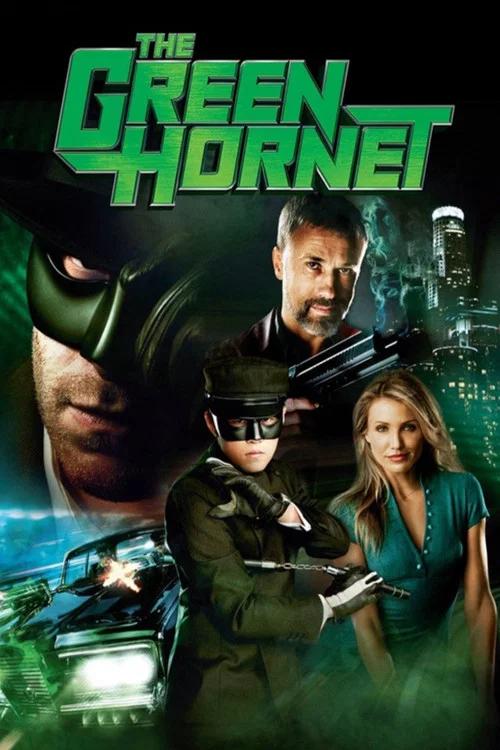
After his father dies, a lazy newspaper heir named Britt Reid teams up with his dad's mechanic, Kato, to fight crime in a mask. Britt does the talking while Kato does the work. Watch for Kato-Vision, where Kato moves fast while his attackers slow down.
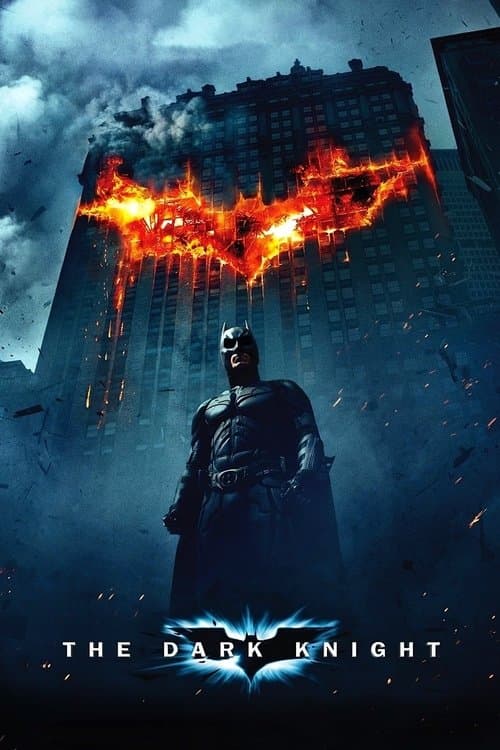
The Green Hornet is a 2011 action, comedy and crime film directed by Michel Gondry. This breakdown covers 4 techniques (1 narrative, 2 cinematography and 1 editing), each with the scene where you can see it. If you like how it is made, The Dark Knight uses several of the same techniques.
Casting the lead as a boastful fool who thinks he is the hero while someone more capable does the real work. The gap between his story and what you see is the joke.
How this film uses it
Britt thinks he is the hero, but Kato is the one with the skills, and the film plays that gap for laughs. You watch Britt talk himself up while Kato fixes the problem.
Where to see it
Becoming vigilantes: Britt rehires Kato, a mechanic skilled in martial arts, and the two start fighting crime with Britt using the newspaper to build the Green Hornet persona.
Staging large-scale destruction for real with actual structures, explosions and extras, and using no digital simulation. The chaos on screen has real weight and scale.
How this film uses it
The production modified 29 Imperial Crown sedans into the Black Beauty, and 26 were wrecked during filming. The chase scenes have real metal and real crashes, which gives them a weight you rarely get from digital effects.
Where to see it
Black Beauty chase: The modified car takes part in a long chase during the film's central action.
Switching between slow motion and fast motion inside the same battle scene. The changing speed controls how the violence feels and how long each moment seems to last.
How this film uses it
In Kato-Vision fights, Kato moves fast while his attackers slow down, and each fighter is retimed separately within the shot. The effect was built from high-speed Phantom camera footage that was then taken apart and rebuilt in post, so you feel what it is like to see a fight before it happens.
Where to see it
Kato-Vision fights: Kato fights his opponents while moving at a different speed from everyone else.
Giving a customized vehicle its own set pieces, gadgets and damage so it acts like a team member. Its wrecked condition tracks how the hero's story is going.
How this film uses it
The Black Beauty gets its own showcase chase. Because so many real cars were destroyed for it, the damage looks believable and the car feels like part of the cast.
Where to see it
The newspaper office finale: The final fight takes place at the newspaper's office, after the car has been through the story's chases.
Questions
The Green Hornet: quick answers
What filmmaking techniques does The Green Hornet use?
CineCode breaks down 4 techniques in The Green Hornet (2011): Incompetent Hero Comedy, Practical Destruction, Variable Frame Rate Combat and Hero Vehicle as Character.
Who directed The Green Hornet?
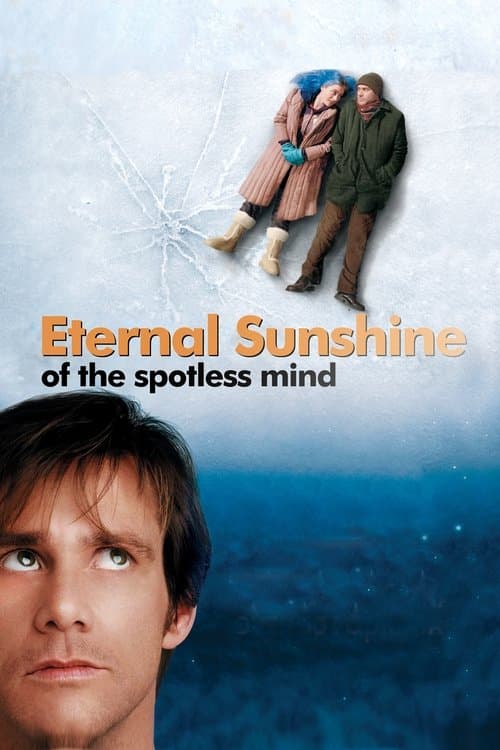
Michel Gondry directed The Green Hornet, released in 2011. CineCode also covers Eternal Sunshine of the Spotless Mind (2004).
What films are similar to The Green Hornet?
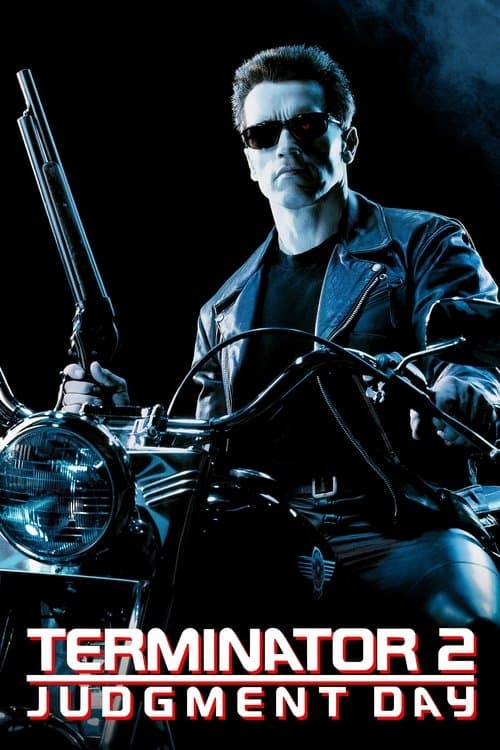
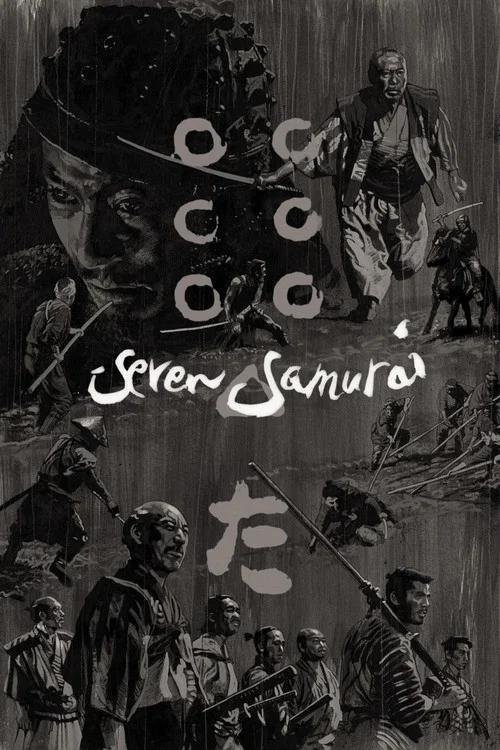
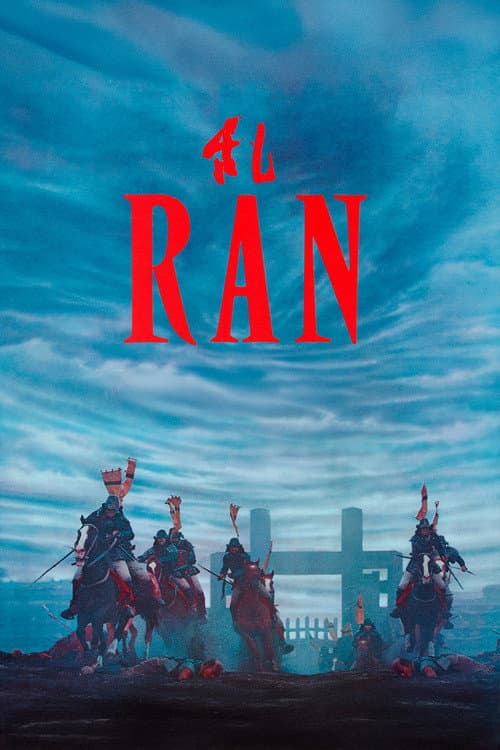
Films that share techniques with The Green Hornet include The Dark Knight (2008), Terminator 2: Judgment Day (1991), Seven Samurai (1954), Ran (1985).