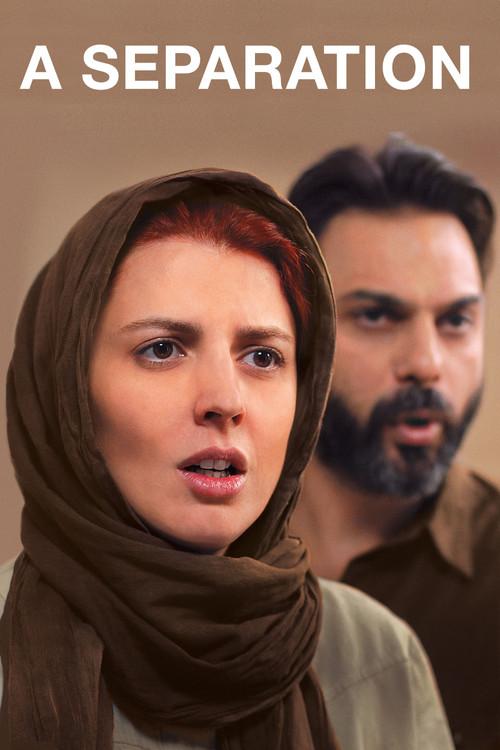
A middle-class couple in Tehran are separating. Their lives get tangled up with a working-class family when the caregiver they hired miscarries and the husband is accused of causing it. The 2 families are pulled into a legal fight where the truth matters less than what each side needs to believe. Farhadi turns a domestic drama into a thriller about how you can know what really happened.
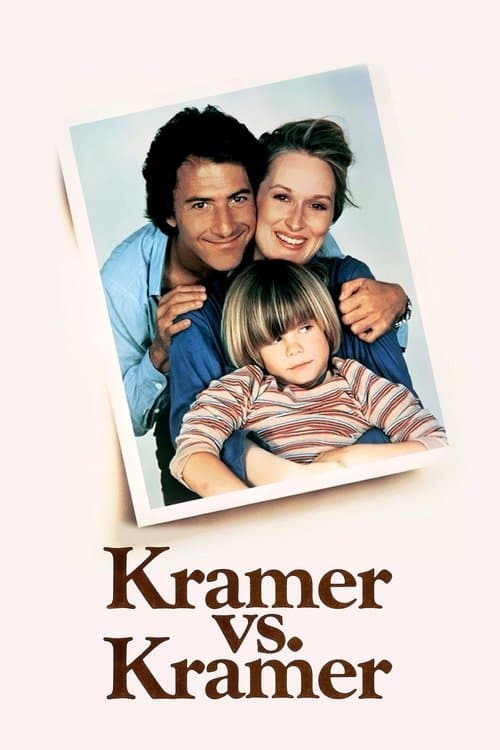
A Separation is a 2011 drama film directed by Asghar Farhadi. This breakdown covers 5 techniques (3 narrative, 1 cinematography and 1 psychology), each with the scene where you can see it. If you like how it is made, Kramer vs. Kramer uses several of the same techniques.
Staging a trial as a performance, with testimony and cross-examination played like theater. The rules can bring out the truth, or they can hide a verdict that was decided in advance.
How this film uses it
The courtroom and the magistrate's office are where the film does its thinking. Every time a character testifies, the scene is about how truth and need relate. You see what people are willing to say, what they believe and the gap between those 2 things.
Where to see it
The repeated magistrate hearings. Different witnesses retell the same events, and the legal process turns the truth into a negotiation.
Keeping the camera away from a key event and giving conflicting accounts of it equal weight. You can't work out what really happened, and that uncertainty is the experience of the film.
How this film uses it
The film never shows you whether Razieh's fall caused the miscarriage. You hear 2 accounts, Razieh's and Nader's. Both are believable, and you never see either one confirmed. Farhadi puts you in the same position as the judge, trying to work out the truth from testimony alone.
Where to see it
The disputed incident. The film refuses to show you what happened, so you don't get the evidence that movies have taught you to expect.
Using a handheld camera in tight indoor spaces like apartments, offices and hallways. Private arguments feel witnessed as they happen, and nothing looks staged for an audience.
How this film uses it
Mahmoud Kalari shoots handheld, with the camera carried by hand, and that gives the film its key quality: you feel like you're overhearing all of this. The camera moves with people through doorways, follows arguments around corners and presses in close during confrontations. Everything looks like it's really happening, and nothing feels staged.
Where to see it
The confrontation at the flat door, where Nader pushes Razieh out. The camera pushes into the tight space, and its handheld movement makes the confrontation feel as close as a documentary.
Setting religious belief against class, money or social structure so that faith and power collide, exposing how institutions and values shape characters' choices.
How this film uses it
Nader's middle-class education and calm manner give him authority in the legal system. Razieh is working-class and strictly religious, and her testimony is heard differently. Farhadi shows how class and religion shape what the same system hears, and he never makes that system openly corrupt.
Where to see it
Razieh refusing to swear on the Quran. At this moment, her religious devotion decides the legal case and becomes a psychological trap.
Placing a child in the middle of adult moral failures and making them face a choice they can't fully understand. You understand what the child doesn't, which is where the horror comes from.
How this film uses it
Termeh watches everything. She's old enough to understand what's at stake in the court case and too young to know what to do about it. The film ends as she tells the judge which parent she chooses, and the final shot shows her parents waiting separately outside the court. No child should have to make that choice, which is exactly Farhadi's point.
Where to see it
The final courthouse scene. Termeh goes in to tell the judge her choice. The film ends with her parents waiting outside, before you hear it.
Questions
A Separation: quick answers
What filmmaking techniques does A Separation use?
CineCode breaks down 5 techniques in A Separation (2011): Legal Theater, Audience Truth Withholding, Domestic Handheld Witness, Religion and Society Collision and Child's Forced Moral Burden.
Who directed A Separation?
Asghar Farhadi directed A Separation, released in 2011. CineCode also covers Everybody Knows (2018).
What films are similar to A Separation?
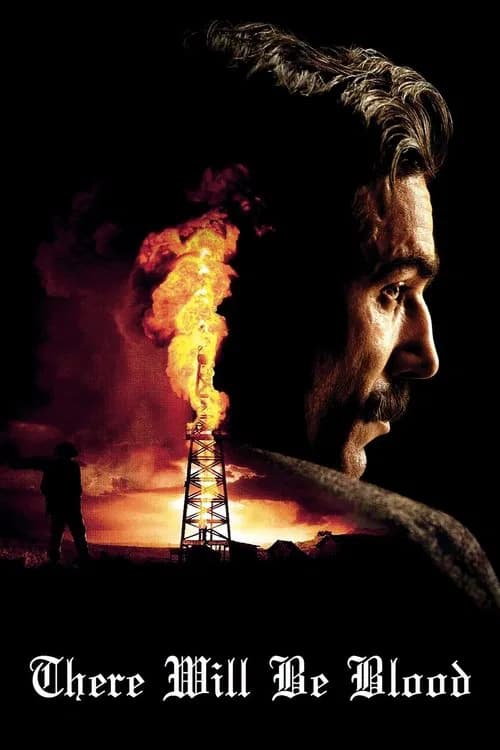
Films that share techniques with A Separation include Kramer vs. Kramer (1979), Anatomy of a Fall (2023), Paths of Glory (1957), There Will Be Blood (2007).