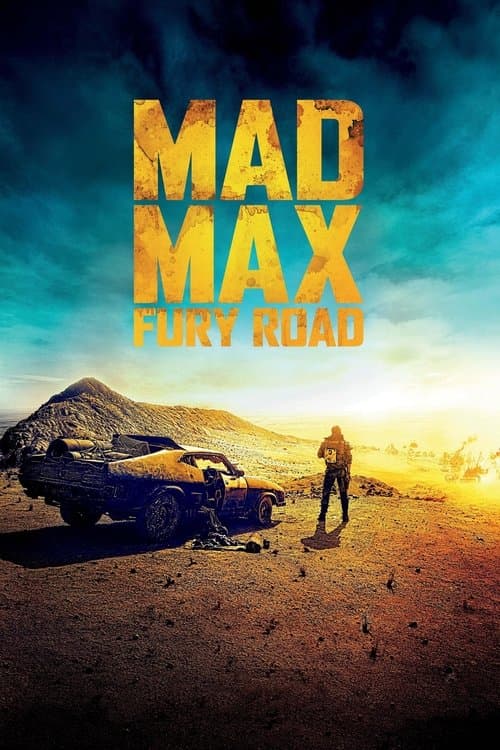
Mad Max: Fury Road
George Miller · 2015
In a post-apocalyptic wasteland, Imperator Furiosa attempts to smuggle the warlord Immortan Joe's wives to freedom while Max Rockatansky — captive, feral — becomes an unlikely ally. A two-hour chase film that is also, formally, one of the most precisely edited action films ever made.
Techniques Used
4 techniques identified in this film
Practical Explosion Scale
CinematographyUsing real pyrotechnics, real crashes, and real physical destruction rather than digital effects, giving action sequences a weight and physical truth that computer generation cannot replicate.
How this film uses it
Miller built and destroyed real vehicles in Namibia. The fireballs are real. The crashes involve real metal. The War Boys are real stunt performers doing genuinely dangerous work. The film's visual authenticity — the sense that everything has physical consequence — comes directly from the commitment to practical production.
Kinetic Editing
EditingAn editing rhythm so tightly controlled that the cuts themselves generate physical energy — the pacing of the edit creating momentum that propels the audience through sequences.
How this film uses it
Editor Margaret Sixel — Miller's wife, with no prior action film experience — cut Fury Road with 2,700 shots in 120 minutes. The editing is not fast for its own sake: each cut is positioned so that the eye moves naturally from the previous shot's point of interest to the next. The result is an action film in which you always know where you are spatially while feeling constantly in motion.
Dialogue-Free Opening Act
NarrativeAn extended opening sequence that establishes character, world, and stakes entirely through image and action, deferring dialogue and trusting the visual grammar to communicate.
How this film uses it
Max's capture and the Citadel's introduction happen almost without dialogue. The world — its hierarchy, its theology, its economy — is established through visual shorthand: the War Boys, the half-life boys, the water distribution, the chrome spray. Miller communicates a complete social system in minutes without explanation.
Female Agency as Structural Default
NarrativeBuilding a film's narrative structure around female protagonists whose agency drives every significant plot decision — not as a thematic statement but as the film's default assumption.
How this film uses it
Furiosa plans the escape, drives the truck, fights the battles, and makes every consequential decision. Max follows her lead for most of the film. The film does not announce this as unusual — it simply builds its structure around Furiosa's choices. The absence of explanation is itself the argument.
You Might Also Like
Films that share at least one technique with Mad Max: Fury Road
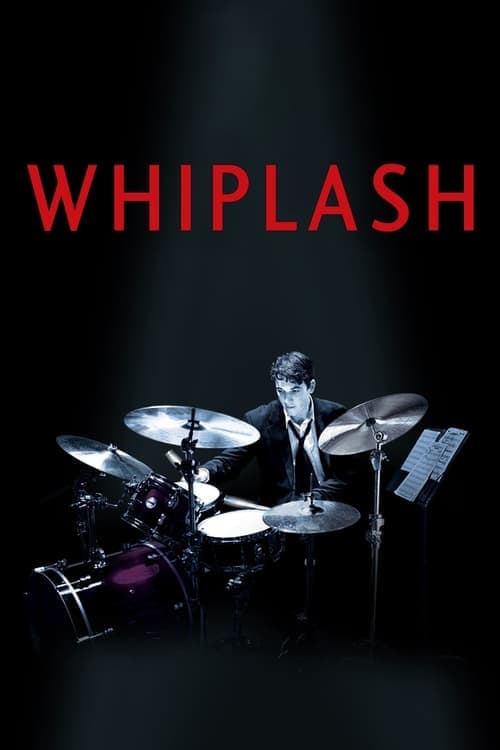
A jazz drumming prodigy at a cutthroat conservatory is pushed to the breaking point by a ferociously demanding conductor. A visceral examination of obsession, abuse, and the price of greatness.
Whiplash
Damien Chazelle · 2014
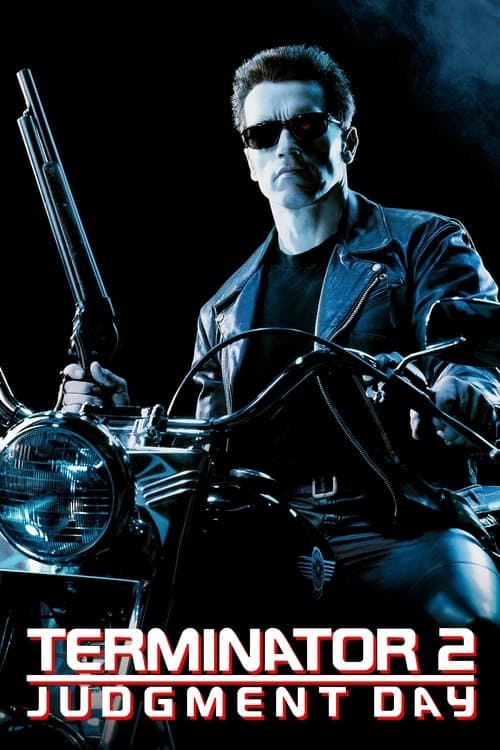
The same cyborg model sent to kill Sarah Connor is reprogrammed and sent back to protect her teenage son from a more advanced liquid-metal Terminator. A blockbuster that used then-unprecedented CGI to argue against the technological determinism of its own premise.
Terminator 2: Judgment Day
James Cameron · 1991
A small waste-compacting robot left alone on an abandoned Earth falls in love with a reconnaissance drone and inadvertently sparks humanity's return home. A film that spends its first thirty minutes as a silent comedy before becoming a critique of consumerism and environmental collapse.
WALL-E
Andrew Stanton · 2008