Action · Drama

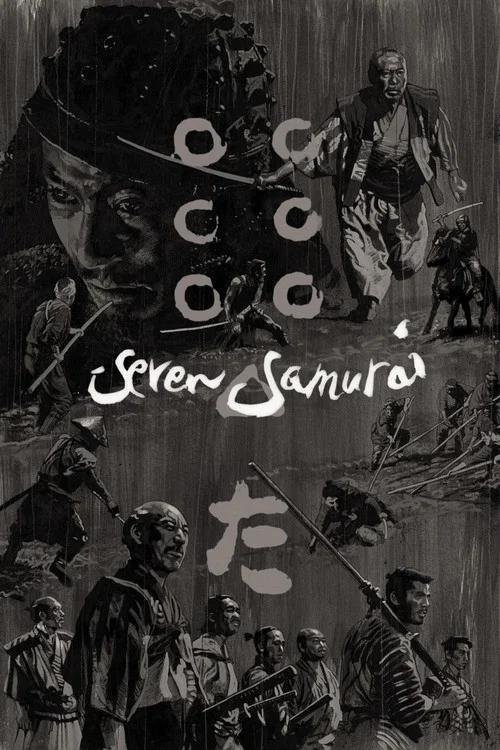
Seven Samurai

Akira Kurosawa, 1954

A desperate farming village hires 7 masterless samurai to defend it from bandits. The alliance between warriors and farmers shows you a society at the end of its era. Nearly every team-based action film since has used this one as its template.

Seven Samurai (1954) poster

At a glance

Seven Samurai is a 1954 action and drama film directed by Akira Kurosawa. This breakdown covers 5 techniques (3 narrative, 1 cinematography and 1 editing), each with the scene where you can see it. If you like how it is made, Mighty Aphrodite uses several of the same techniques.

Narrative

Professional Ensemble Template

Gathering a team of specialists for one dangerous job, each defined by a particular skill and their relationship to violence. Heist films, war films and superhero team-ups all follow this template.

How this film uses it

Each samurai is introduced through 1 action that tells you who he is. Kambei improvises a rescue, Kyuzo is lethally still and Kikuchiyo is a desperate clown. The film builds the team in sequences that each work as a small character study, then brings the men together as a group.

Where to see it

The samurai recruitment sequence. Every character is introduced by a single action that sets up his whole arc.

Cinematography

Rain-Mud Battle Naturalism

Staging a battle in driving rain and deep mud, with fighters slipping and struggling through it. The violence looks unglamorous, exhausting and physically real.

How this film uses it

The final battle was filmed in the middle of winter with artificial rain, and the actors really were struggling through mud. Kurosawa wanted it to feel like an actual battle: chaotic, exhausting and with no reward for heroism. The samurai die in the mud. From the way the scene looks, you can't tell winning from losing.

Where to see it

The final battle. Samurai and bandits struggle through rain and mud, and men die with no ceremony.

Narrative

Odd Couple Class Structure

Pairing characters from opposite social worlds who find each other strange. Their friction produces the comedy, and what they learn from each other produces the emotion.

How this film uses it

Kikuchiyo was born a peasant and lies about being a samurai. He can't be a real samurai, and he can't just be a farmer either. Standing between the 2 classes lets him give the film's most devastating speech. It's about what peasants think of samurai and what they do to survive, and no true samurai could deliver it.

Where to see it

Kikuchiyo's speech about farmers. He says the truth the samurai can't say. He belongs to both worlds and to neither.

Editing

Variable Frame Rate Combat

Switching between slow motion and fast motion inside the same battle scene. The changing speed controls how the violence feels and how long each moment seems to last.

How this film uses it

Kurosawa changes the camera speed during fights. He uses slow motion at key moments. When the thief holding a child hostage dies early in the film, the image slows down, and his death gets a weight and length that fast action can't give. Because the speed keeps changing, you feel the rhythm of the fight as well as seeing where everyone is.

Where to see it

The thief's death outside the barn after Kambei rescues the child. The slow motion turns his fall into a long, heavy moment.

Narrative

Chorus Commentary

Using a group, such as a chorus or a village, that comments on events and voices the community's view, framing the main action.

How this film uses it

The farmers do more than sit back and accept the samurai's protection. As a group, they hide weapons, distrust their defenders and mourn their losses with real grief. Their reactions tell you what the samurai mean to people who can't fight. The village works like a Greek chorus, a group that comments on the action, and it keeps the epic tied to its human cost.

Where to see it

The village watching the samurai from a distance. You can read their shared suspicion and need without a single line of dialogue.

Questions

Seven Samurai: quick answers

What filmmaking techniques does Seven Samurai use?
CineCode breaks down 5 techniques in Seven Samurai (1954): Professional Ensemble Template, Rain-Mud Battle Naturalism, Odd Couple Class Structure, Variable Frame Rate Combat and Chorus Commentary.
Who directed Seven Samurai?
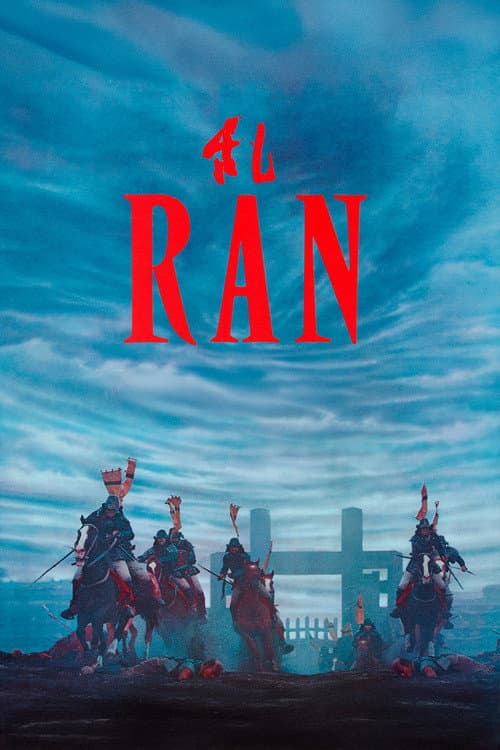
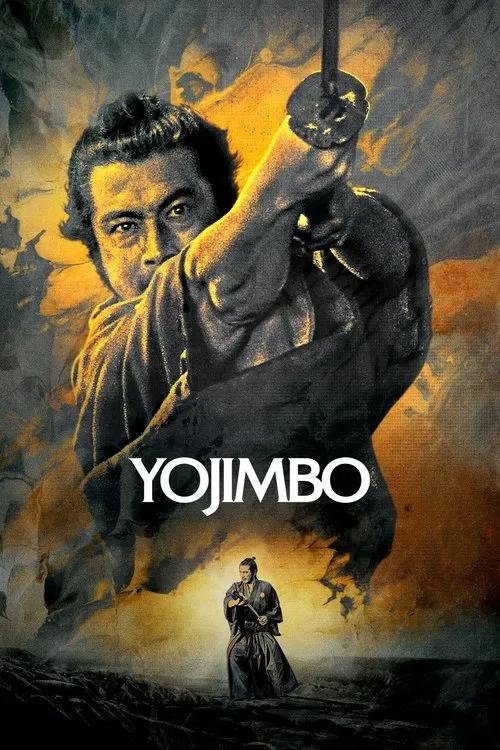
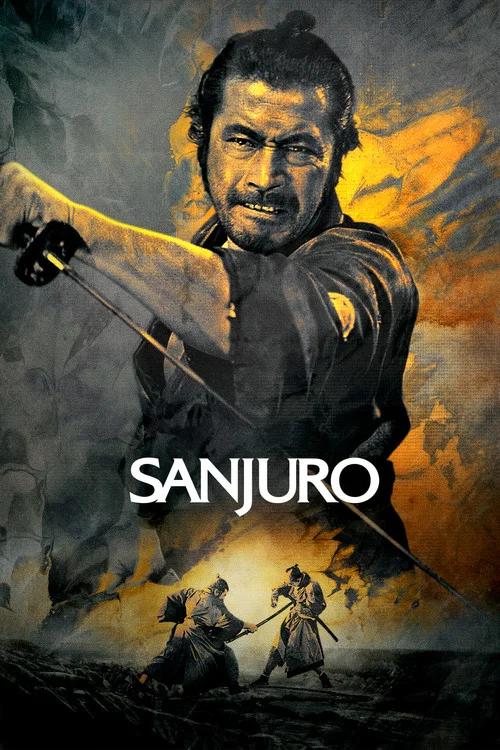
Akira Kurosawa directed Seven Samurai, released in 1954. CineCode also covers Rashomon (1950), Ikiru (1952), Throne of Blood (1957), The Hidden Fortress (1958), Yojimbo (1961), Sanjuro (1962).
What films are similar to Seven Samurai?
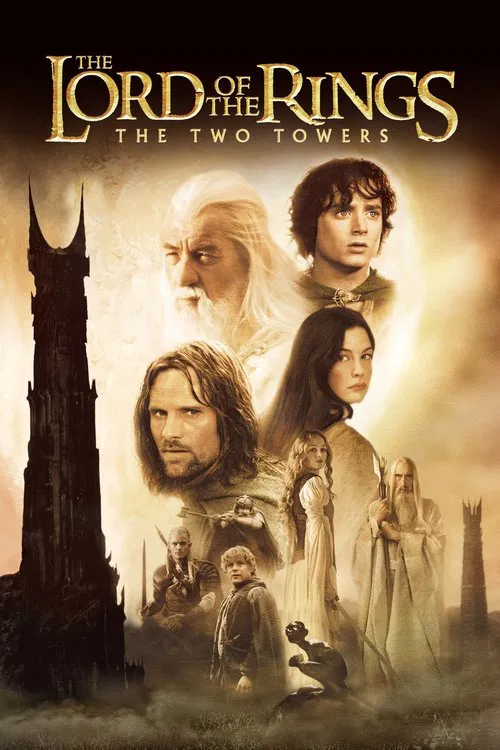
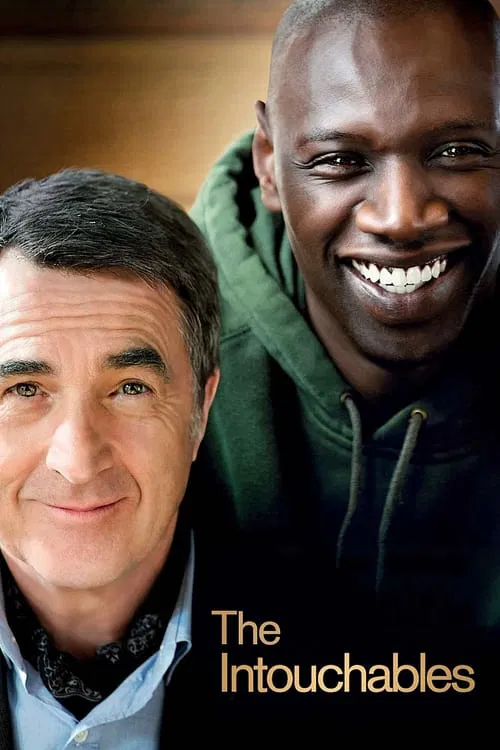
Films that share techniques with Seven Samurai include Mighty Aphrodite (1995), The Lord of the Rings: The Fellowship of the Ring (2001), The Lord of the Rings: The Two Towers (2002), The Intouchables (2011).