Former storm chaser Kate Carter is pulled back to Oklahoma by an old friend with a new tornado-scanning system. There she meets a loud YouTuber storm chaser, and a rival crew with other plans. Chung brings his small-town eye to a big blockbuster, and the storms were built from real fans and water.
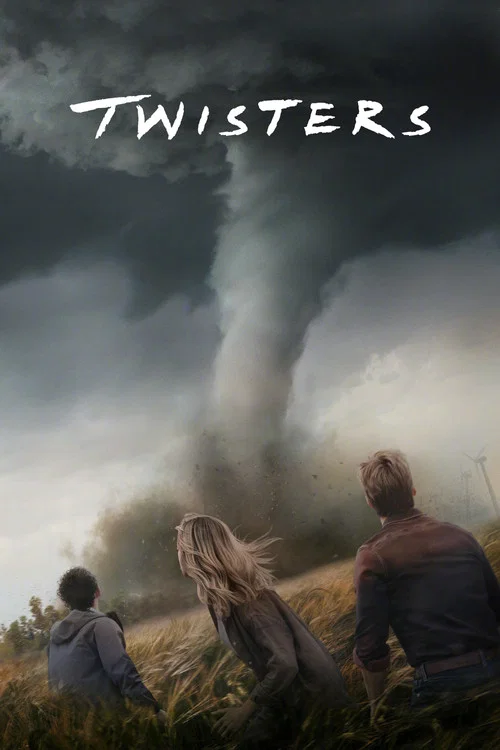
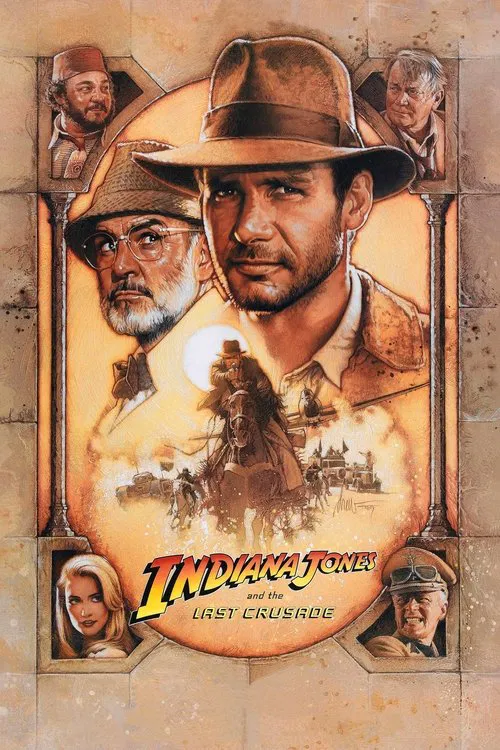
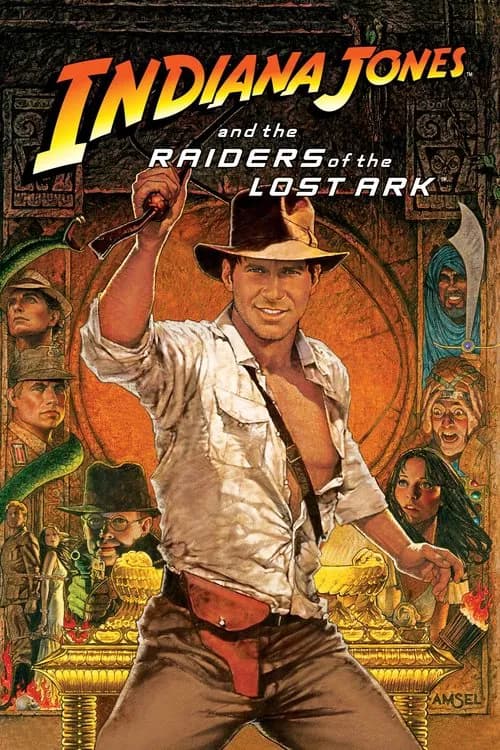
Twisters is a 2024 action, adventure and thriller film directed by Lee Isaac Chung. This breakdown covers 5 techniques (2 narrative, 1 psychology and 2 cinematography), each with the scene where you can see it. If you like how it is made, Indiana Jones and the Last Crusade uses several of the same techniques.
Opening with a short separate sequence, such as a fable, origin scene or overture, that sets tone and theme before the main story begins.
How this film uses it
The film opens with Kate and her friends chasing a tornado and trying a new way to weaken it. It ends in a disaster that kills three of them. That short chapter explains Kate's fear and sets the stakes before the main story starts five years later.
Where to see it
The opening chase. Kate, Javi and their crew release beads into a tornado, which grows into an EF5 and kills three friends.
Letting a character's past damage change what they see or feel in the present. Symptoms and visions act as metaphors for what happened.
How this film uses it
Years later, Kate still sees storms through that day. When she sets up a scanner, she freezes in a panic attack and drives away. The film uses her flinch to show how fear changes what she sees in a sky.
Where to see it
The first scanner setup in Oklahoma. Kate has a panic attack and leaves.
Making the sea, weather or terrain the main enemy, so no villain is needed. The drama comes from exhaustion, cold and small survival decisions.
How this film uses it
The storm is the main enemy, and it keeps growing. By the end, a mile-wide tornado hits a town after tearing through a refinery fire. Every choice is about survival.
Where to see it
The El Reno storm. A tornado ignites after hitting an oil refinery and grows into a mile-wide EF5.
Creating effects physically on set with makeup, prosthetics, built props and camera tricks, with no computer graphics added later. The results look solid and real.
How this film uses it
The crew used wind fans, jet engines and water cannons to throw real weather at the cast, with visual effects added later. The actors squint and brace against actual force. That is why the big storm scenes feel physical instead of like a screen saver.
Where to see it
The finale. Kate and the others herd townspeople into a movie theater while the tornado closes in.
Filming in recognizable real places so the setting acts like part of the cast. Streets, buildings and landscapes shape the mood of the story.
How this film uses it
The film shifts to Oklahoma, where storms define daily life. Small towns, farms and a rodeo give the story its mood, and the weather feels like part of the place. A farmers market set in El Reno was destroyed by a real storm during the shoot and had to be rebuilt.
Where to see it
The Oklahoma stops. Kate and Tyler bond at a rodeo in Stillwater, then shelter from a tornado in a motel pool.
Questions
Twisters: quick answers
What filmmaking techniques does Twisters use?
CineCode breaks down 5 techniques in Twisters (2024): Self-Contained Prologue, Trauma Shaping Perception, Nature as Antagonist, Practical In-Camera Effects and Real Locations as Character.
Who directed Twisters?
Lee Isaac Chung directed Twisters, released in 2024. CineCode also covers Minari (2020).
What films are similar to Twisters?
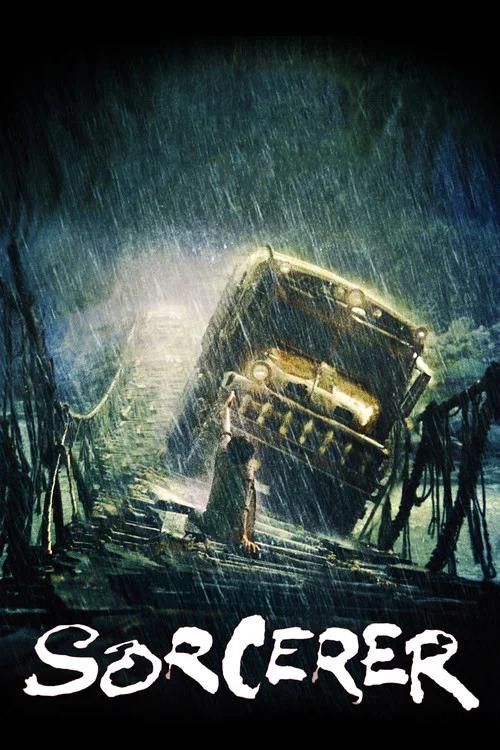
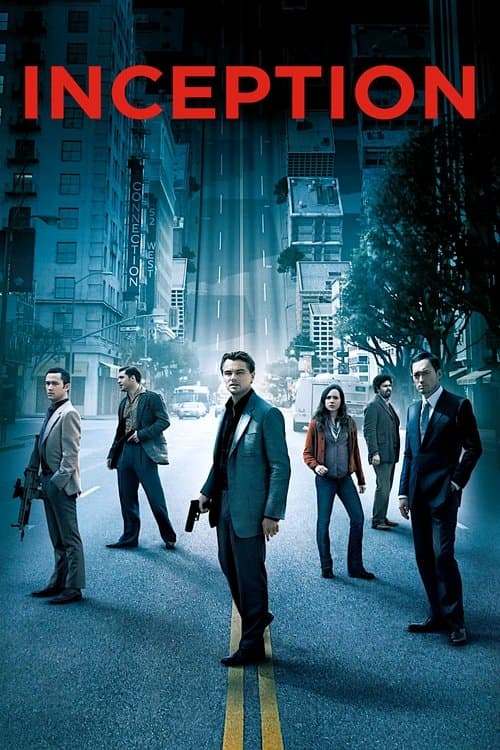
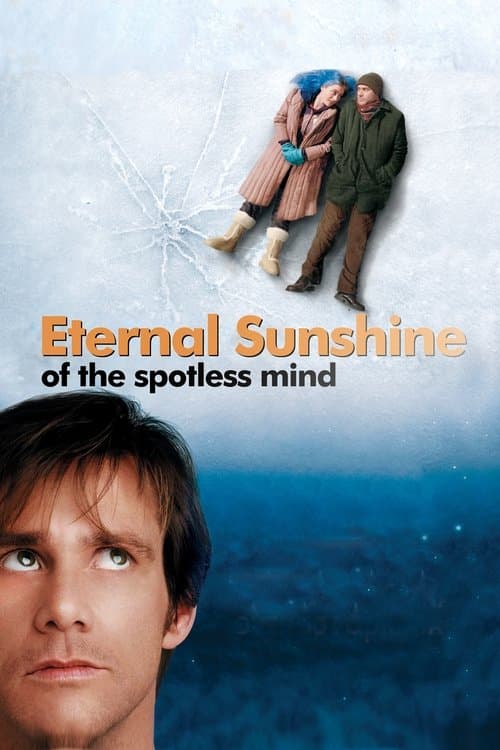
Films that share techniques with Twisters include Indiana Jones and the Last Crusade (1989), Sorcerer (1977), Inception (2010), Eternal Sunshine of the Spotless Mind (2004).