Action · Adventure

Indiana Jones and the Last Crusade

Steven Spielberg, 1989

Indiana Jones learns his father, a Holy Grail scholar, has been kidnapped by the Nazis. The two have never gotten along, and they have to work together to find the Grail. After the dark Temple of Doom, Spielberg wanted a lighter tone.

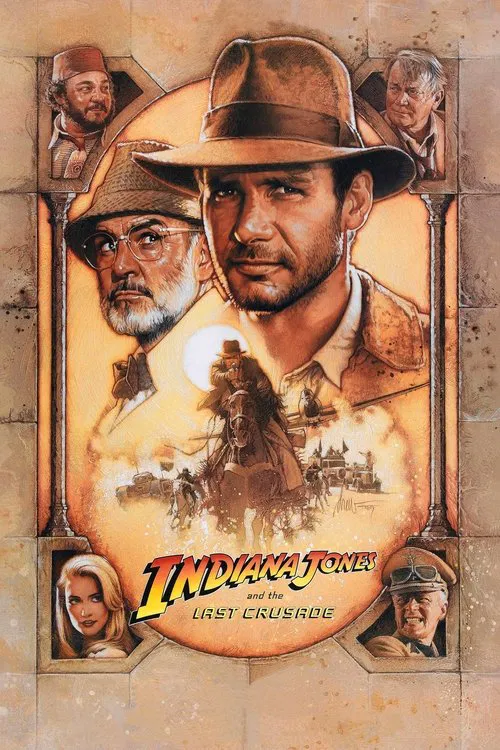
Indiana Jones and the Last Crusade (1989) poster

At a glance

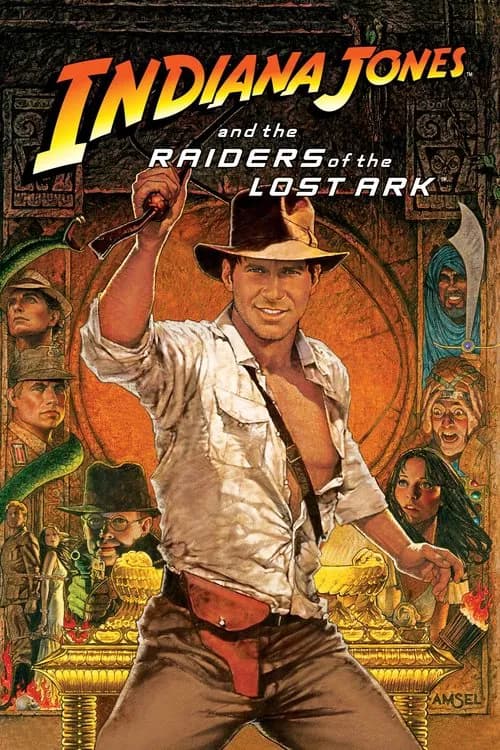
Indiana Jones and the Last Crusade is a 1989 action and adventure film directed by Steven Spielberg. This breakdown covers 5 techniques (3 narrative, 1 editing and 1 cinematography), each with the scene where you can see it. If you like how it is made, Raiders of the Lost Ark uses several of the same techniques.

Narrative

Tonal Succession

Switching to a clearly different look and mood from one part to the next, either between chapters of 1 film or between a film and its sequel.

How this film uses it

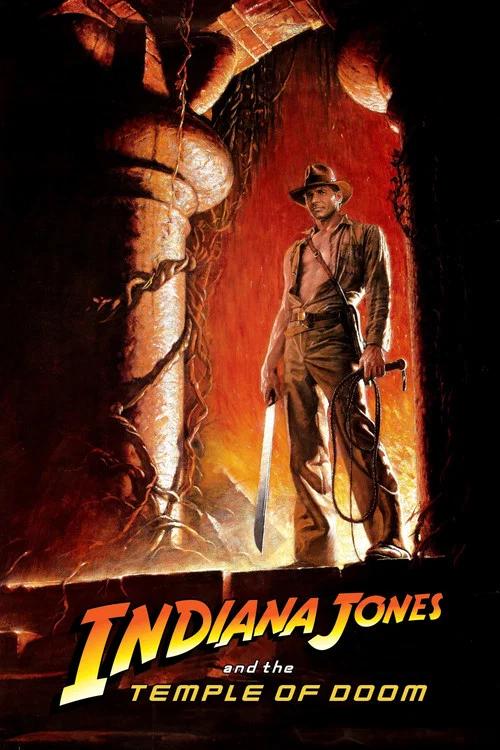
After the reception of Temple of Doom, Spielberg wanted a lighter, funnier film. The sequel brings back humor and a warmer mood. The shift from the previous film is easy to notice.

Where to see it

The Brunwald Castle scenes, where Indy finds his father. Their bickering sets a lighter tone than Temple of Doom had.
Narrative

Odd Couple Pairing

Pairing two characters of different generations or loyalties who must cooperate, so their friction drives both the comedy and the growth.

How this film uses it

Indy and his father, Henry Jones Sr., are very different men. Sean Connery suggested comic touches that were written into the script. Their friction makes you laugh, and their bond makes the ending land.

Where to see it

The journey through Venice, Austria, Berlin and the Middle East. Father and son argue and slowly reconcile.

Narrative

Self-Contained Prologue

Opening with a short separate sequence, such as a fable, origin scene or overture, that sets tone and theme before the main story begins.

How this film uses it

The film opens in 1912 with a young Indiana Jones, played by River Phoenix, who gets hold of the Cross of Coronado on a Boy Scout trip. The prologue shows who he was as a boy before the adventure starts.

Where to see it

The 1912 prologue. Young Indy takes the Cross of Coronado while on a Boy Scout trip.

Editing

Kinetic Set Piece Architecture

Building an action sequence as a chain where each solution creates a new problem. The layout of the space stays clear, so the escalation follows its own logic.

How this film uses it

The tank chase works as a chain. Each escape creates a new problem, and the space stays easy to follow.

Where to see it

The tank chase. Indy and his father face a Nazi tank in the Middle East.

Cinematography

Practical In-Camera Effects

Creating effects physically on set with makeup, prosthetics, built props and camera tricks, with no computer graphics added later. The results look solid and real.

How this film uses it

The production built a full-scale working tank for the chase. Because the machine was real, the crash and chaos have weight.

Where to see it

The tank chase. A real tank smashes through the desert as Indy and his father try to escape.

Questions

Indiana Jones and the Last Crusade: quick answers

What filmmaking techniques does Indiana Jones and the Last Crusade use?
CineCode breaks down 5 techniques in Indiana Jones and the Last Crusade (1989): Tonal Succession, Odd Couple Pairing, Self-Contained Prologue, Kinetic Set Piece Architecture and Practical In-Camera Effects.
Who directed Indiana Jones and the Last Crusade?
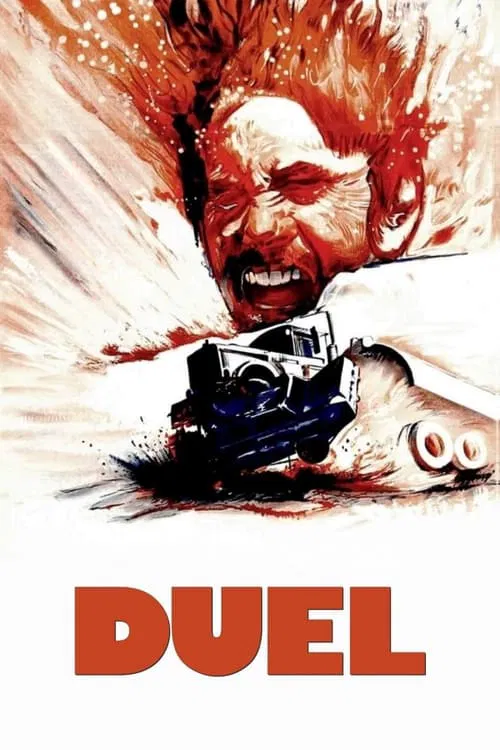
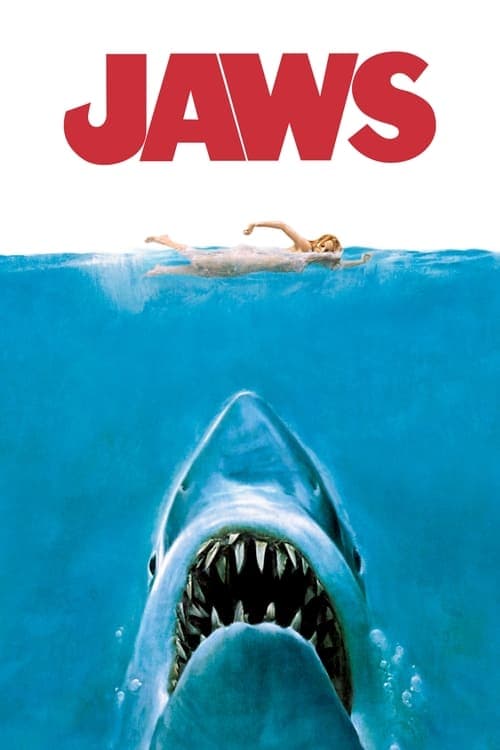
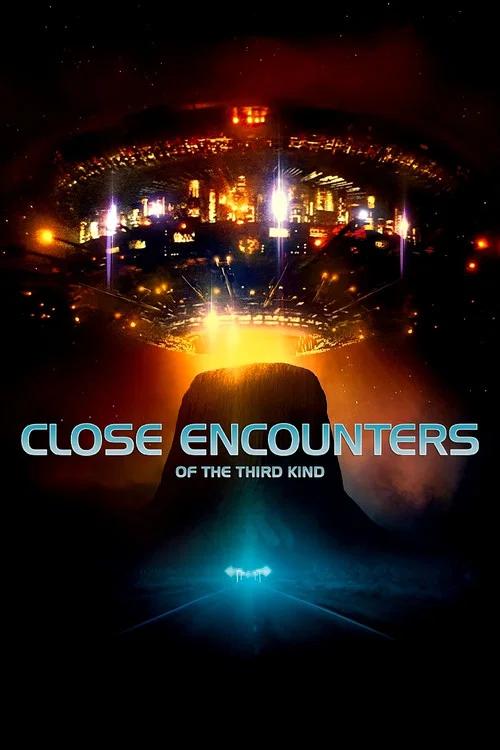
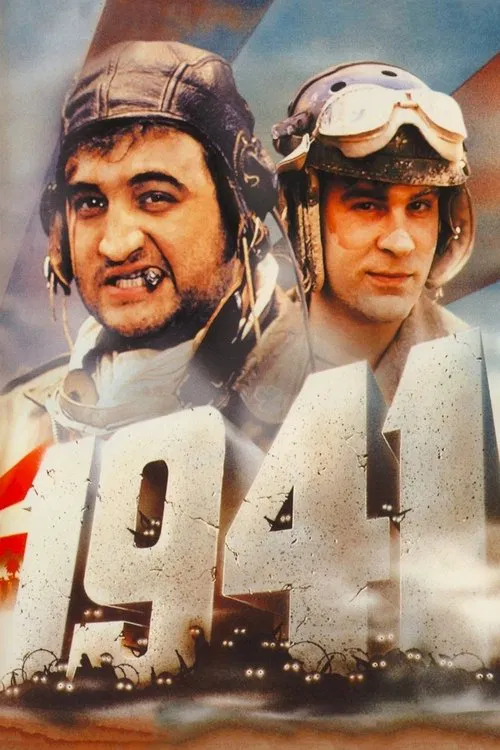
Steven Spielberg directed Indiana Jones and the Last Crusade, released in 1989. CineCode also covers Duel (1971), Jaws (1975), Close Encounters of the Third Kind (1977), 1941 (1979), Raiders of the Lost Ark (1981), E.T. the Extra-Terrestrial (1982).
What films are similar to Indiana Jones and the Last Crusade?
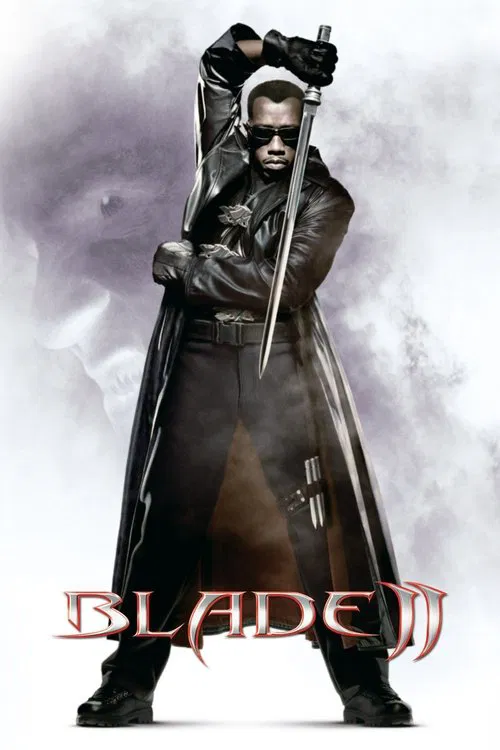
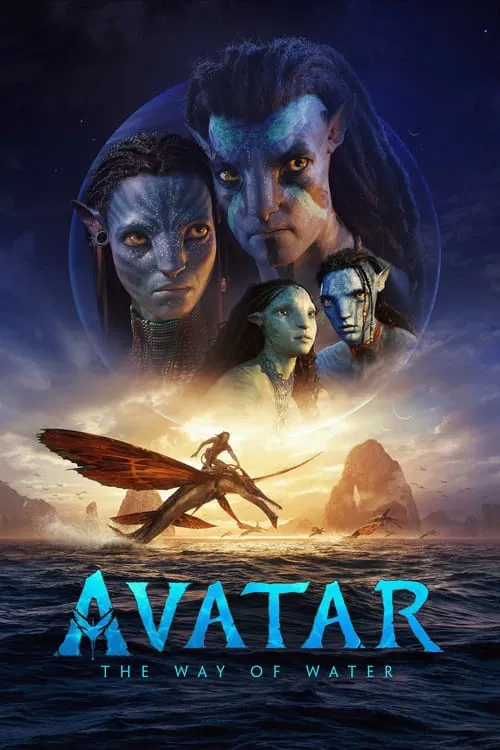
Films that share techniques with Indiana Jones and the Last Crusade include Raiders of the Lost Ark (1981), Jurassic Park (1993), Blade II (2002), Avatar: The Way of Water (2022).