Action · Adventure

Raiders of the Lost Ark

Steven Spielberg, 1981

A globetrotting archaeologist races the Nazis to find the Ark of the Covenant, which is rumored to make its owner invincible. This is the old adventure serial boiled down to its purest form. It is built so precisely that every thrill feels inevitable and still surprises you.

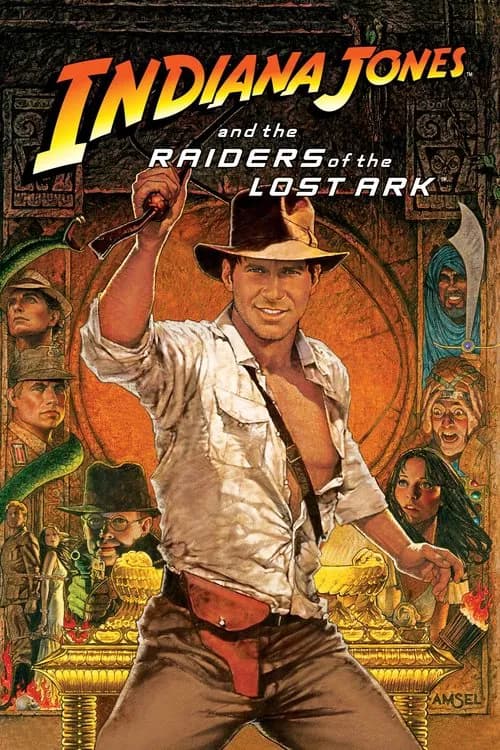
Raiders of the Lost Ark (1981) poster

At a glance

Raiders of the Lost Ark is a 1981 action and adventure film directed by Steven Spielberg. This breakdown covers 4 techniques (2 narrative, 1 editing and 1 cinematography), each with the scene where you can see it. If you like how it is made, Heat uses several of the same techniques.

Narrative

Character Through Action Introduction

Introducing a character by showing them in action or at work before any explaining dialogue. You learn their skill, fears, humor and values by watching what they do.

How this film uses it

In the temple prologue, Spielberg introduces Indiana Jones purely through what he does. You watch him read booby traps, move with real agility, deal with Satipo and refuse to leave without the idol. You know exactly who he is before he says a word of explanation.

Where to see it

The entire opening temple sequence. You piece Indiana Jones together from his actions before anyone explains anything.
Editing

Kinetic Set Piece Architecture

Building an action sequence as a chain where each solution creates a new problem. The layout of the space stays clear, so the escalation follows its own logic.

How this film uses it

The truck chase is Spielberg's masterclass. Each beat follows from the last like clockwork. Indiana jumps from a horse onto the truck, fights the driver, gets dragged underneath and climbs back up to take it over. Each step causes the next one right away. You could diagram the sequence like a logical proof.

Where to see it

The truck chase. It is several minutes of cause-and-effect action, and every single beat follows from the one before.

Narrative

Self-Contained Prologue

Opening with a short separate sequence, such as a fable, origin scene or overture, that sets tone and theme before the main story begins.

How this film uses it

The temple prologue is a miniature version of Raiders itself. It has a goal, obstacles, rivals, booby traps, betrayal and an escape that fails to hold on to the prize. That is, the opening teaches you how to watch the film that follows.

Where to see it

The golden idol sequence. It is a complete adventure story, and it comes before the film's actual story.

Cinematography

Spatial Action Clarity

Shooting and editing action so you always know where each character is in relation to the others and the space. Even in chaos, you can follow what each blow or move leads to.

How this film uses it

Cinematographer Douglas Slocombe and Spielberg show you the layout of a place before the action begins. Then they keep it clear by filming it carefully from enough angles. In the market chase, the Well of Souls and the airfield fight, you always know where everyone is and how far apart they are. Many later action films gave up that clarity.

Where to see it

The Well of Souls sequence. You know the layout of the pit so well that you always understand where the snakes are.

Questions

Raiders of the Lost Ark: quick answers

What filmmaking techniques does Raiders of the Lost Ark use?
CineCode breaks down 4 techniques in Raiders of the Lost Ark (1981): Character Through Action Introduction, Kinetic Set Piece Architecture, Self-Contained Prologue and Spatial Action Clarity.
Who directed Raiders of the Lost Ark?
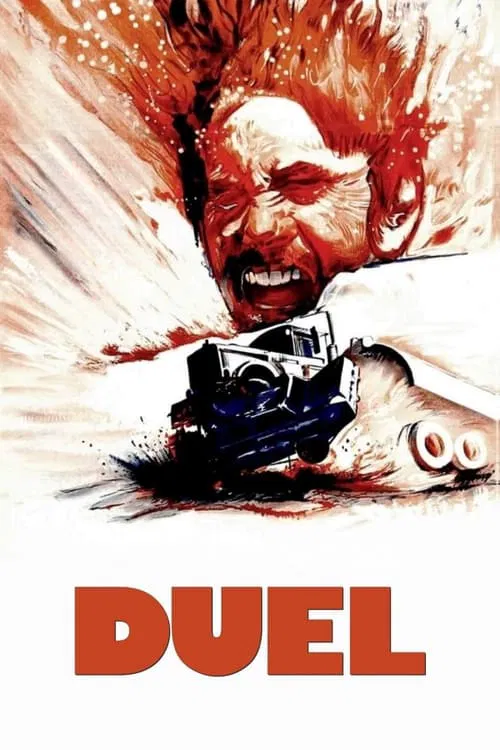
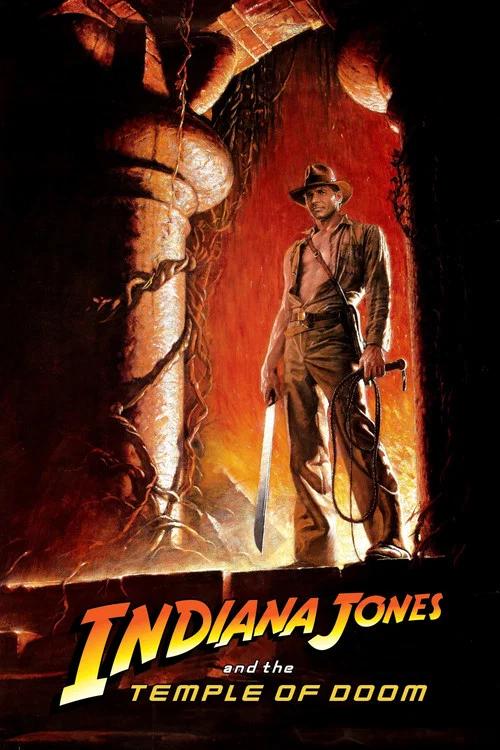
Steven Spielberg directed Raiders of the Lost Ark, released in 1981. CineCode also covers Duel (1971), Jaws (1975), Close Encounters of the Third Kind (1977), 1941 (1979), E.T. the Extra-Terrestrial (1982), Indiana Jones and the Temple of Doom (1984).
What films are similar to Raiders of the Lost Ark?
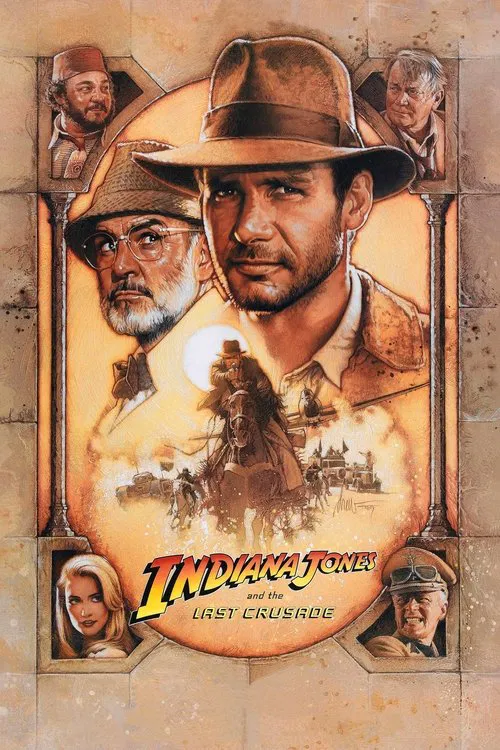
Films that share techniques with Raiders of the Lost Ark include Heat (1995), The Castle of Cagliostro (1979), Flight (2012), Indiana Jones and the Last Crusade (1989).