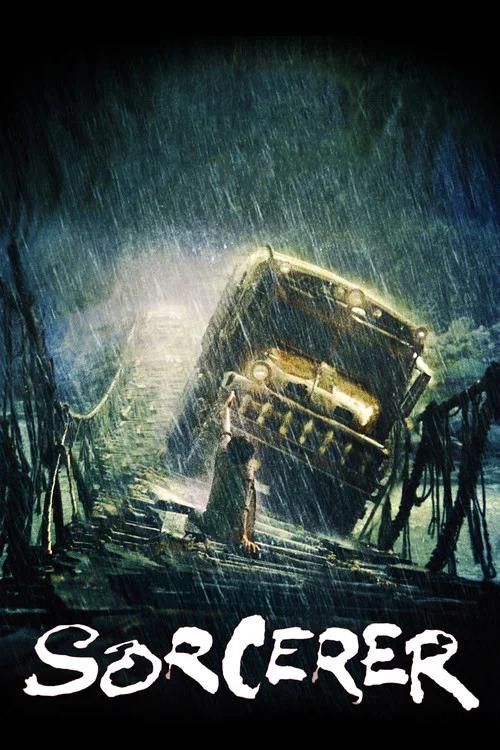
Adventure · Thriller

Sorcerer

William Friedkin, 1977

Four criminals on the run from different countries end up hiding in a poor South American village. To earn a way out, they agree to drive two trucks loaded with unstable nitroglycerin through the jungle. It cost a fortune and flopped on release, but the rope bridge scene is a landmark of practical filmmaking.

Sorcerer (1977) poster

At a glance

Sorcerer is a 1977 adventure and thriller film directed by William Friedkin. This breakdown covers 4 techniques (1 narrative, 1 cinematography, 1 sound and 1 psychology), each with the scene where you can see it. If you like how it is made, A Serious Man uses several of the same techniques.

Narrative

Self-Contained Prologue

Opening with a short separate sequence, such as a fable, origin scene or overture, that sets tone and theme before the main story begins.

How this film uses it

The film opens with four short stories in Veracruz, Jerusalem, Paris and New Jersey. Each shows a man committing a crime or losing everything. By the time they reach the village, you already know why each one can never go home.

Where to see it

The four opening vignettes. A killing in Veracruz, a bombing in Jerusalem, a fraud scandal in Paris and a failed church robbery in New Jersey each send a man into hiding.
Cinematography

Practical In-Camera Effects

Creating effects physically on set with makeup, prosthetics, built props and camera tricks, with no computer graphics added later. The results look solid and real.

How this film uses it

The rope bridge scene was built for real, with hidden hydraulics controlling the bridge and trucks. Rain was made with pumped river water through sprinklers. The danger on screen has real weight because the trucks are actually there.

Where to see it

The rope bridge crossing. Two trucks edge across a rotting bridge in a storm, and one nearly goes into the river.

Sound

Electronic Score

Scoring with synthesizers, club beats or electronic instruments. The texture can suggest a period, a mood or a character's inner state.

How this film uses it

Tangerine Dream wrote the score from the script, before seeing footage, and Friedkin edited scenes to the music. The cold, pulsing synths turn a jungle trek into something uneasy and otherworldly.

Where to see it

The truck convoy. Synth music builds under the trucks as they crawl along the jungle road with nitroglycerin on board.

Psychology

Fate and Chance Philosophy

Having the story argue that outcomes come from luck or an indifferent universe. Characters search for a reason and the film withholds one.

How this film uses it

Every man in the film lost his life to bad luck or a bad choice, and the jungle does not care. Even the ending gives no reward. A bar scene is cut short by a single gunshot, and the film goes black.

Where to see it

The final bar scene. Jackie is offered a new job and asks a woman to dance, and then armed men walk in and a shot is heard before the film cuts to black.

Questions

Sorcerer: quick answers

What filmmaking techniques does Sorcerer use?
CineCode breaks down 4 techniques in Sorcerer (1977): Self-Contained Prologue, Practical In-Camera Effects, Electronic Score and Fate and Chance Philosophy.
Who directed Sorcerer?
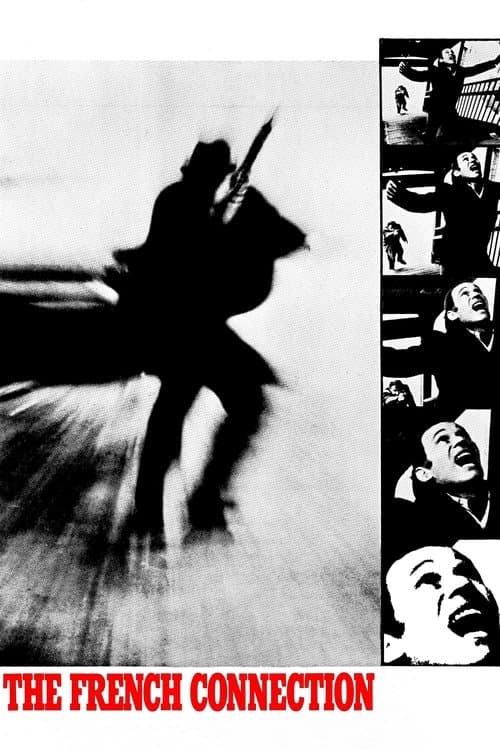
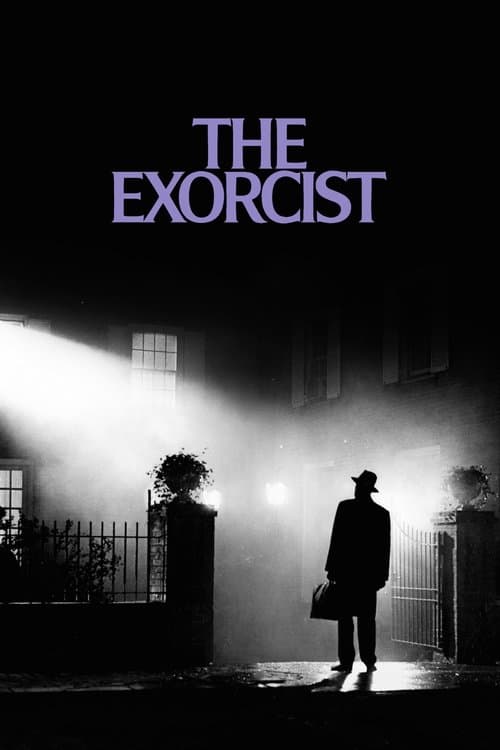
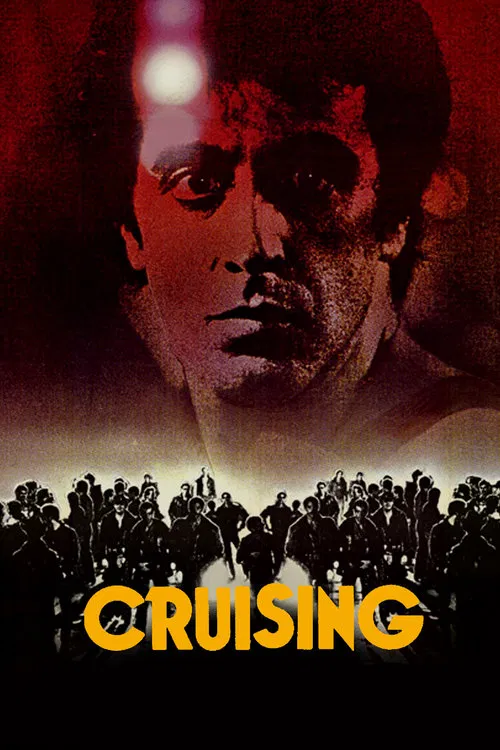
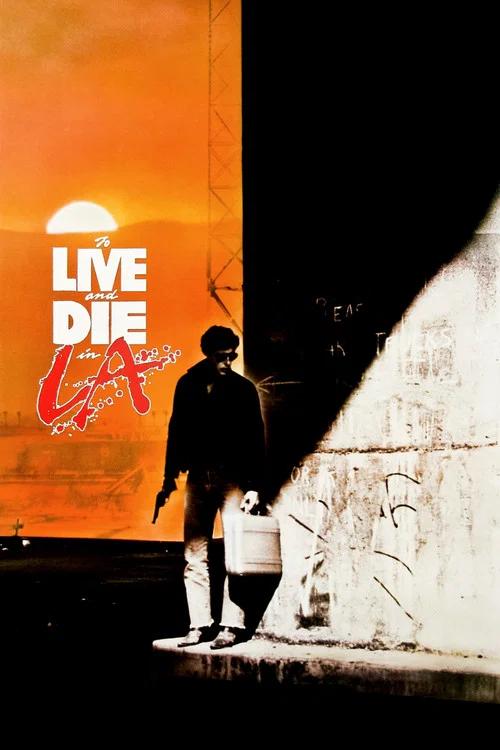
William Friedkin directed Sorcerer, released in 1977. CineCode also covers The French Connection (1971), The Exorcist (1973), Cruising (1980), To Live and Die in L.A. (1985), Rules of Engagement (2000), The Hunted (2003).
What films are similar to Sorcerer?
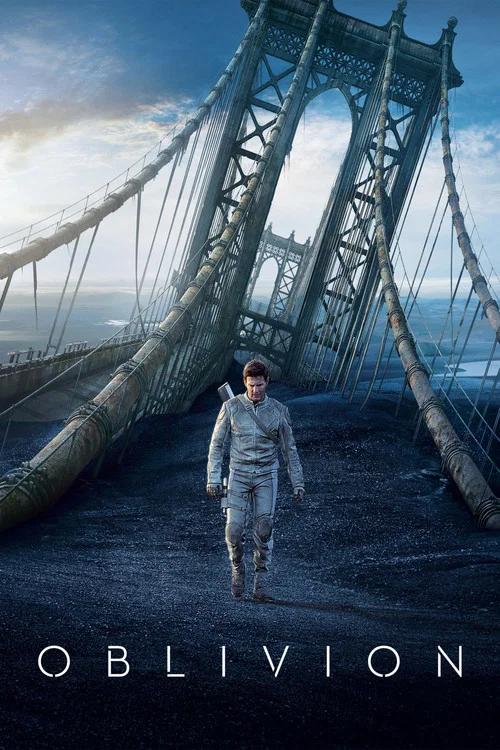
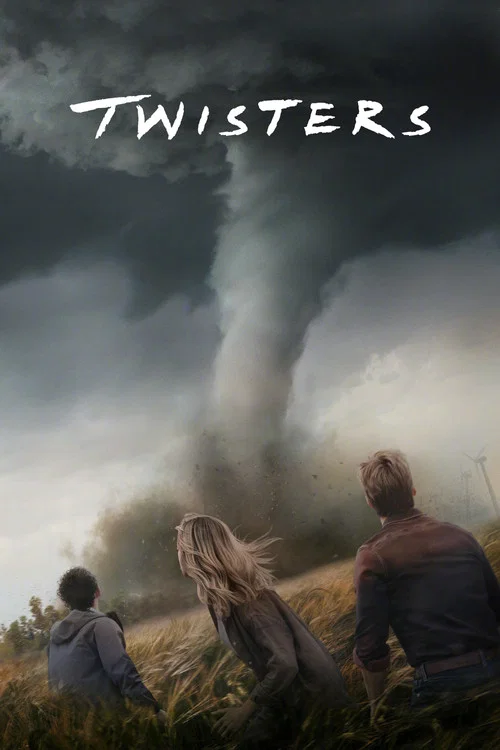
Films that share techniques with Sorcerer include A Serious Man (2009), Indiana Jones and the Last Crusade (1989), Oblivion (2013), Twisters (2024).